



The best calorie tracker virtual in 2026 is one that lowers logging effort, gives you mid-day feedback, and adds emotional accountability via a virtual buddy that reacts to your choices. Choose a tracker that helps you act, not just measure, so you stay consistent long enough to see the scale move. Data alone rarely changes eating habits.
Here’s the honest context. You’ve probably tried a calorie app before. You logged hard for a week, maybe two, then life got loud and the habit slipped. You didn’t fail because you lacked data. You stopped because logging felt like homework, and nothing meaningful happened when you did it or skipped it.
A better setup pairs quick photo-based logging, macro tracking, and real-time nudges with daily targets you can see and hit. In 2026, the most useful baseline goals still look like 10,000 steps per day and 2.5 liters of water. Those aren’t magic numbers; they’re simple anchors that guide choices and create early wins. When the app shows how meals and movement affect progress in real time, you start to predict good days before they happen.
Finally, motivation is a mood. A virtual pet that grows with your improvements turns streaks into something you care about. You don’t need fireworks or leaderboards. You need a small, steady reason to open the app again tomorrow. That’s what turns a tool into a habit and a habit into weight loss.
Why Most Calorie Trackers Fail People Trying to Lose Weight
Calorie tracking is boring work. You repeat the same steps, day after day, and the app treats each meal like a form to fill. You can know your numbers and still overeat at night. Knowledge doesn’t automatically change behavior, and that’s the gap most trackers ignore.
Behavior science explains why. Habits stick when there’s a cue, a simple routine, and a rewarding outcome you feel right away. If logging a meal ends with a static number, your brain gets no hit of “that mattered.” By contrast, a small, variable reward, like a buddy that brightens or grows, feeds the habit loop in a healthy way without food as the reward. That’s basic operant conditioning, and it works because it ties your action to a response you actually want to see.
Moreover, long-term change moves from outside push to inside pull. Self-Determination Theory shows that autonomy, skill, and purpose shift you from external to internal drive as you build consistency (Self-determination theory). A virtual buddy can serve as a bridge: at first, you log to grow the pet; later, you log because you like how you feel and how your choices add up.
If you’ve tried MyFitnessPal or Lose It, you likely hit a wall after the initial novelty. The databases are huge, but logging feels like data entry. There’s little emotional payoff, so you drift. That’s not about willpower; it’s about design.
The Motivation Gap You’ve Felt Before
- The app records, but it doesn’t respond. Your effort feels invisible.
- You get feedback too late—usually after you’ve already gone over.
- Meals take too long to log, so you “do it later,” and later never comes.
If your goal is to find the best calorie tracker virtual that you’ll still open on day 30, you need less friction, earlier feedback, and a reason you care about in the moment. That’s why gamified elements, done with restraint, can help. The pet isn’t magic. It’s a nudge that keeps you doing the boring part long enough for weight loss to happen.
What to Look for in a Gamified Calorie Tracker for Weight Loss
Choosing the best calorie tracker virtual comes down to how well it supports real life. You want a tool that reduces the steps between “I ate this” and “I know what it means,” while keeping you engaged for months, not days.
1) Accurate logging with minimal friction
Manual entry is the number one drop-off point. Photo-based logging can cut the time to record a meal from minutes to seconds by recognizing foods and estimating portion sizes. While photos won’t beat weighed food for precision, less friction means more entries, and more entries mean better trend data. For weight loss, consistent “good enough” beats perfect but rare.
2) A virtual pet that responds to real choices
Badges and points get old fast. A buddy that changes based on your food quality, steps, and hydration ties your daily actions to a visible outcome. As a result, you get a “why” that lives outside the scale. The key is immediacy: eat a balanced lunch, watch the buddy nudge forward; skip water, see it stall.
3) Macro (and useful micro) tracking, not just calories
Calories drive the deficit, but macros shape how you feel. Protein helps with fullness and muscle, carbs fuel training, and fats affect hormones. You don’t need every vitamin on day one, yet seeing sodium or fiber on flagged meals can help course-correct. If you’re new, start with protein and overall calories. Over time, layer in micros where it helps.
For extra context, this deep dive on calorie tracking for weight loss explains why tight logging beats guesswork during a cut.
4) Fitness tracker and step counter integration
Your app should pull steps and workouts automatically. This reduces double entry and helps you see energy balance in one place. With steps synced, you can set a daily floor, like 10,000, and use it as an easy win on busy days.
5) Real-time feedback for mid-day course-correction
End-of-day summaries are too late. You need nudges after breakfast and lunch that say, “You’re trending high on carbs; a lean protein snack keeps you on track.” Small cues delivered at the right time prevent overages before they happen.
6) Offline logging with auto-sync
Restaurants, planes, and spotty data shouldn’t block your entries. Offline logging means you keep your streak and your record stays accurate. When you reconnect, everything syncs without you thinking about it.
7) Clear goals and predictions
It helps to see how today’s meals influence your weekly target. Goal predictions translate choices into expected progress, so you can adjust early. This reduces the “surprise” gain and replaces it with calm, informed tweaks.
Put together, these criteria give you a tracker that reduces effort, adds timely guidance, and builds a habit you can keep. That’s the backbone of any real change.
Also Read!
Best Calorie Tracker with Coaching for Weight Loss in 2026
Calorie Tracker Buddy vs Noom for Weight Loss: Which Is Better for Calorie Tracking with Coaching?
How Calorie Tracker Buddy Turns Weight Loss into a Game You Actually Stick With
Here’s how Calorie Tracker Buddy maps to the buying checklist above, and why it works for real users in 2026.
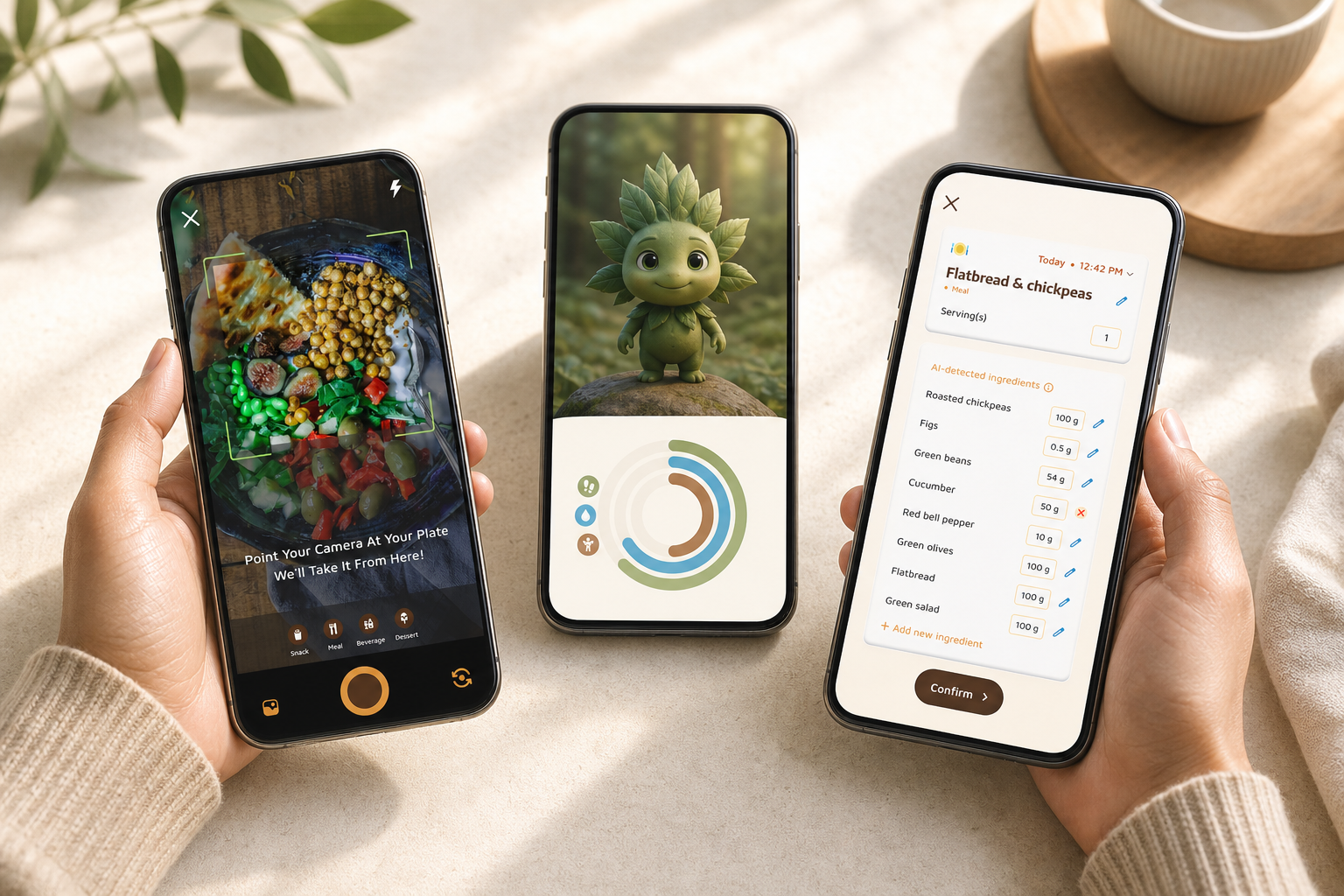
First, the virtual buddy. It isn’t a sticker you earn once. It lives on your home screen and grows with your choices. Eat a balanced meal (for example, higher protein, controlled fats), and the buddy brightens and gains “growth points.” Hit your Daily Step Target of 10,000, and it evolves a little more.
Reach your Daily Hydration Target of 2.5 liters, and you unlock a new mood or animation that day. Skip a target, and the buddy doesn’t scold, it slows. That gentle stall feels different than a red X, and it’s enough to nudge you back without guilt.
Instant logging and feedback
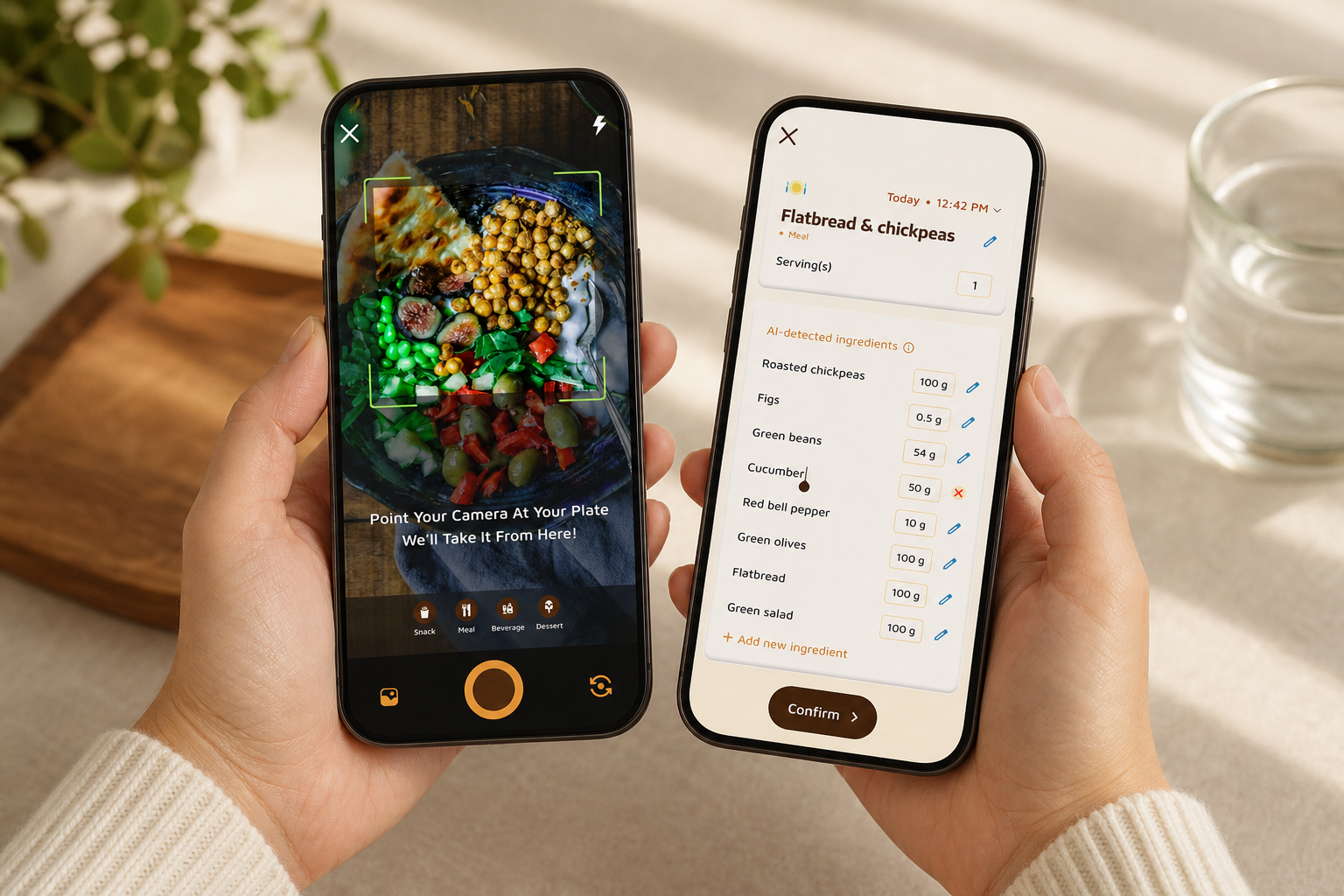
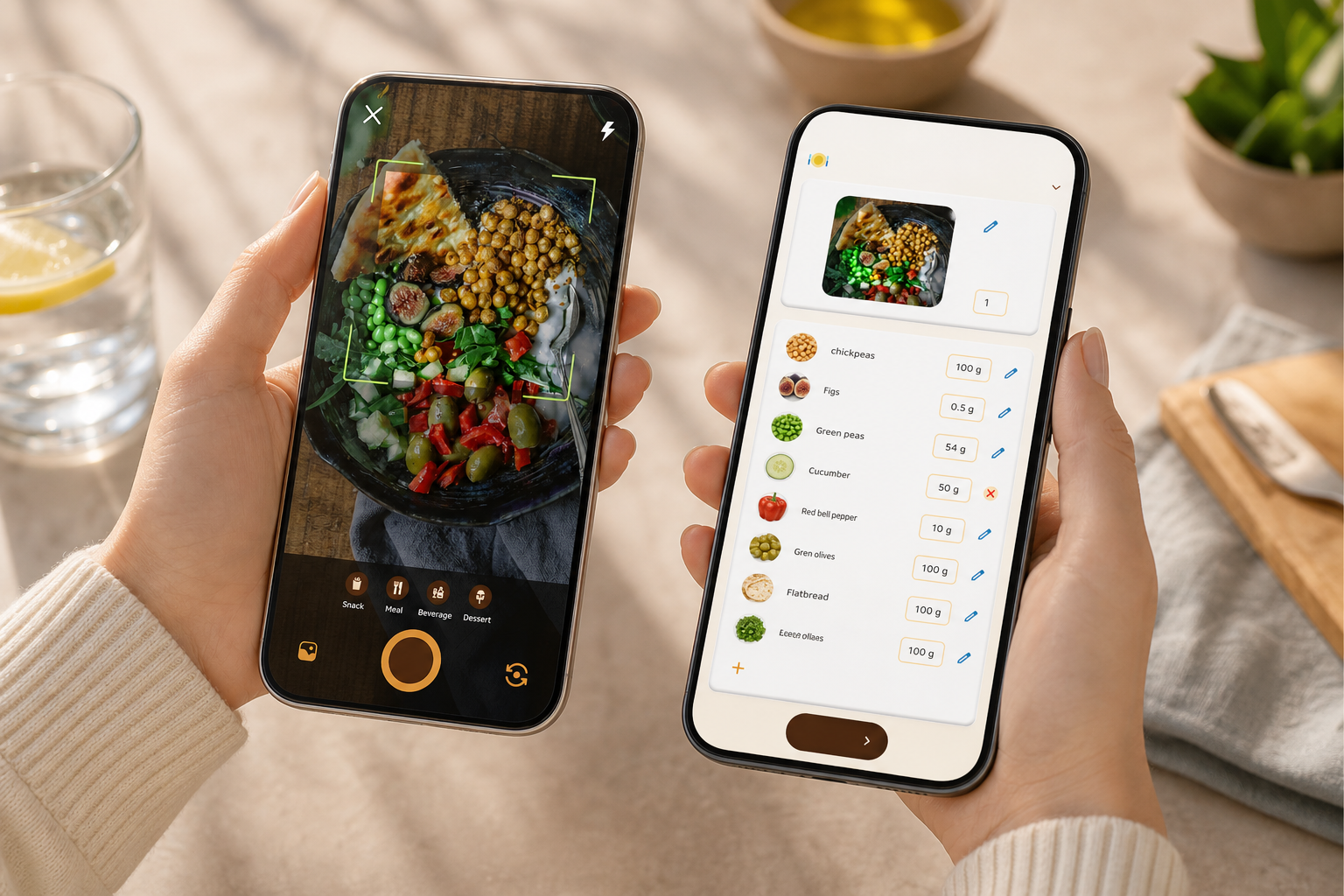
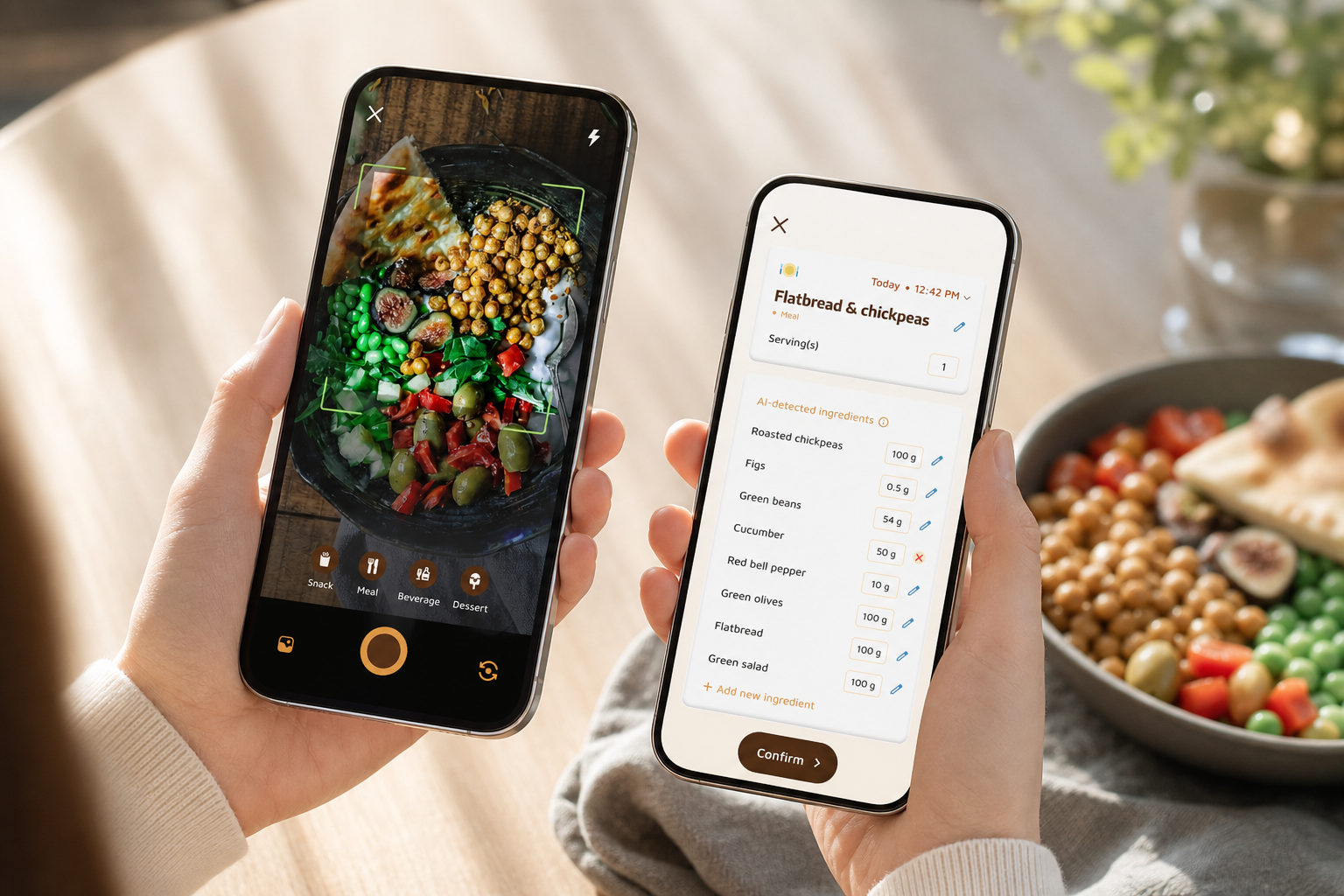
Second, photo-based logging trims time to record meals. Snap your plate, get instant calories and macros with suggested edits, then confirm. The app returns nutritional info in real time and tags meals that push you off plan.
Because the feedback lands right away, you can pick a lighter snack at 3 p.m. instead of realizing at 9 p.m. that you blew past your goal.
User Case Study: Consistency Over Perfection
One user began using Calorie Tracker Buddy after struggling to maintain a calorie-tracking habit with traditional apps. Their biggest challenge wasn't understanding calories—it was remembering to log meals consistently.
By using photo-based meal logging, daily step tracking, and hydration reminders, they were able to build a tracking streak that lasted more than a month. Over a five-week period, they reported losing approximately 4 kg while staying within their calorie targets most days.
According to the user, the biggest difference wasn't the calorie calculations themselves. It was the combination of faster logging and the virtual buddy system, which provided a visible sense of progress throughout the day. Instead of viewing calorie tracking as a chore, they described it as a habit they were motivated to maintain.
While individual results vary, the case highlights an important pattern: consistency often matters more than perfection when it comes to sustainable weight loss.
Third, macros matter, and the app shows them front and center. You’ll see carbs, protein, and fat for every meal and your day. Water intake ties into the 2.5L target, and steps feed the 10,000 goal. Calories consumed and calories burned sit on the same screen, so energy balance isn’t a guess. Goal predictions show how each meal shifts your weekly path, which makes “one-off” choices less scary and more manageable.
Fourth, integration and offline support remove excuses. The app syncs steps and exercise through Google Fit. If you’re at a low-signal restaurant, you can still snap and log; everything syncs when you’re back online. That means your streak stays intact, which keeps the buddy, and your habit, growing.
Fifth, real people back it up.
“I’ve tried tons of fitness apps, but this is, hands down, the best calorie tracker app I’ve ever used. Logging meals is fun now, just snap a photo and boom, done. And the little buddy?
This is a total big improvement for staying motivated!”. Pooja Rao.
Her words match the design: fast logging, live tips, and a buddy that makes your effort feel seen.
Personalization and Coaching
Moreover, Calorie Tracker Buddy adapts to how you eat. You can set dietary preferences and allergies, and the app adjusts suggestions. The AI Menu Scanner analyzes restaurant menus for calories, macros, ingredients, and goal-friendly swaps, which makes on-the-go choices far easier.
Finally, Fitness Coach mode adds a human layer. Coaches can create custom challenges tied to your weight loss goal, then send personalized fitness tips based on your activity and progress. If you’re new, you can join challenges built for your level. If you’re experienced, you can become a coach and offer support to others. In both cases, the buddy mechanic and real-time feedback keep the habit loop tight.

In short, if you want the best calorie tracker virtual that makes logging feel less like a chore and more like progress, this is a strong fit. It pairs instant meal insights with daily movement and hydration targets, then turns your streak into something you can’t help but care about.
Also Read!
Calorie Tracker Buddy vs. MyFitnessPal vs. Finch: Which Gamified Tracker Actually Helps You Lose Weight?
Here’s the honest breakdown. MyFitnessPal is the industry standard with the largest food database and an active community. It excels at raw data logging, but it doesn’t include a virtual pet or game layer, which leaves motivation on you alone. Finch shines for mental wellness habits with a sweet pet mechanic, but it isn’t a calorie tracker. There’s no food logging, macros, or photo meals.
Calorie Tracker Buddy sits at the intersection: full calorie and macro tracking, photo-based logging, real-time feedback, and a virtual buddy that responds to meals, steps, and water. That blend gives you both accuracy and emotional accountability.
| Feature | Calorie Tracker Buddy | MyFitnessPal | Finch |
|---|---|---|---|
| Food logging (photo + manual) | Yes (photo-first) | Yes (manual) | No |
| Virtual pet that evolves | Yes | No | Yes |
| Macro tracking (C/P/F) | Yes | Yes | No |
| Real-time meal feedback | Yes | Limited | No |
| Goal predictions per meal | Yes | Limited | No |
| Step + hydration targets | 10,000 + 2.5L | Steps only | Habits |
| Google Fit sync | Yes | Yes | No |
| Offline logging | Yes | Partial | N/A |
| Community meal sharing | Yes | Yes | Yes |
For a deeper dive on strengths and trade-offs, this side-by-side guide on myfitnesspal vs calorie tracker buddy lays out real-world differences beyond marketing copy.
Real users echo the chart. “I’ve always wanted to be healthier but never found the right tools to make it stick. This app has been a total big improvement. Not only have I lost 5kg, but I also feel more energized.
My health buddy is a constant source of encouragement, and the tips help me make smarter choices every day.”. Sandy T. And Aanya adds, “The meal snap feature is a big improvement. My buddy keeps me accountable, and I’m actually excited to track my meals.
Compared to alternatives, the stand-out is the daily loop: snap a meal, see macros and a nudge, watch the buddy react, and adjust your next choice while there’s still time. In plain terms, it’s the best calorie tracker virtual for anyone who needs both data and a reason to keep using the app after week two.
Trust Signals: What the Numbers and Community Say
Consistency beats intensity. Calorie Tracker Buddy builds this into its framework with two daily anchors: a Daily Step Target of 10,000 Steps/Day and a Daily Hydration Target of 2.5 Liter/Day. These targets show up in your dashboard, tie directly to the virtual buddy’s growth, and give you easy wins even on packed days.
Community and Coaching That Keep You Going
The social posting feature lets you share meals, workouts, and accomplishments with a supportive community. As a result, you get peer accountability without the noise. Fitness Coach mode turns power users into guides who can create custom challenges based on your goals. You’ll also receive personalized fitness tips based on your activity and progress. This shifts the app from a solo logbook to an ecosystem that helps you stay on track.
Complete Energy Balance, Not Just Intake
The app tracks calories consumed and calories burned in real time. Therefore, you see the whole picture, not a single number in isolation. The pattern across user stories is consistent: people stick with tracking because the virtual buddy mechanic makes the small wins visible and the next choice clearer. That’s why the system works for months, not days, and why it maps to how habits form and stick (see the “habit” entry on Wikipedia for the classic cue–routine–reward model).
If you want a primer on daily structure while you’re deciding, this practical write-up on building a daily calorie tracker can help you map out your first week.
Risk-Free Start
Core tracking features are available for free or trial periods, check the app store listing for current plans.
How to Get Started with Gamified Calorie Tracking for Weight Loss
On day one with the best calorie tracker virtual, the goal isn’t perfect logging, it’s momentum. Here’s a simple setup that works in the real world.
-
Step 1: Download the app and set your weight loss goal. The app calculates a daily calorie target that matches your pace.
-
Step 2: Customize dietary preferences and allergies so the meal tips and menu scans stay relevant.
-
Step 3: Meet your virtual buddy. It starts small and grows as you build consistency with meals, steps, and hydration.
-
Step 4: Start logging with the photo snap feature. It’s faster than manual entry and returns instant calorie and macro counts you can adjust.
-
Step 5: Connect Google Fit to sync steps and workouts automatically. This keeps your energy balance up to date.
-
Step 6: Set hydration reminders toward the 2.5L daily target. Small sips across the day add up.
-
Step 7: Share a win with the community. A quick post locks in the habit and gives you cheerleaders.
Tips: Don’t chase perfection on day one. Focus on hitting a full week of entries. The buddy mechanic rewards consistency over precision. If you’re in a spot with poor signal, say, a basement restaurant, offline logging still works and will auto-sync later.
For protein-specific guidance during a cut, this short guide to using a protein tracker shows how to set a target you can actually hit.
Also Read!
Best Macro and Water Tracker for Weight Loss in 2026
Calorie Tracker Buddy vs MyFitnessPal for Weight Loss: Which Is Better for Macro and Water Tracking?
Frequently Asked Questions
Q: Is Calorie Tracker Buddy free, or do I need to pay for the virtual pet feature?
A: Pricing can change, so check the app store listing for current plans. The virtual buddy is a core part of the experience, not a side add-on, and is included in the main app. Some advanced features may sit in premium tiers, while core tracking features are available for free or trial periods. Review the plan details before you buy so you only pay for what you’ll use.
Q: How accurate is the photo-based calorie tracking compared to manual entry?
A: Photo-based logging uses AI to estimate calories and macros from your meal photos. No photo system is 100% precise, especially with mixed dishes or hidden oils. However, it slashes logging time, which improves consistency, the single biggest driver of useful data for weight loss. You can edit entries and portions in seconds if the estimate needs a tweak.
Motivation and Results
Q: Does the virtual pet actually help with weight loss, or is it just a gimmick?
A: The buddy ties your actions to a visible response, which supports habit loops and accountability. That’s consistent with behavior science on reinforcement and motivation. Real users report it matters: Alex Sim lost 4kg in five weeks, and Sandy T lost 5kg and felt more energized, both crediting the buddy for steady motivation. The pet isn’t magic; it keeps you logging long enough for the plan to work.
Q: Can I track macros (protein, carbs, fat) or just total calories?
A: Yes, you can track full macros, carbs, protein, and fat, along with water intake and exercise. Macros matter because they affect satiety, muscle retention, and energy while you’re in a calorie deficit. Protein, in particular, helps control hunger and supports lean mass during a cut.
App Comparisons
Q: How does Calorie Tracker Buddy compare to MyFitnessPal for weight loss?
A: MyFitnessPal has a larger food database and a long track record. It’s excellent for raw logging but lacks a virtual pet and real-time game layer. Calorie Tracker Buddy combines calorie and macro tracking with a responsive buddy, photo logging, real-time feedback, and goal predictions, features designed to keep you engaged long enough to see results.
Integrations and Offline Use
Q: Does the app work offline if I don’t have internet access?
A: Yes. You can log meals and workouts offline, and your data syncs automatically once you’re back online. This is ideal for restaurants with poor reception, travel days, or gym basements. Your streak and your buddy’s progress stay intact.
Q: Can I connect my Fitbit, Apple Watch, or other fitness tracker?
A: The app syncs with Google Fit for steps and exercise. If your device shares data to Google Fit, it can act as a bridge. For the latest direct integrations and setup tips, check the app’s settings. Integration options expand over time, so it’s worth revisiting.
Coaching and Accountability
Q: What is Fitness Coach mode, and do I need it for weight loss?
A: Fitness Coach mode lets experienced users offer tailored advice, challenges, and motivational support to others. For personal weight loss, you’ll benefit when coaches or community leaders create custom challenges aligned with your goals and send personalized tips based on your activity. It’s optional, but adds an extra layer of accountability.
Wrap-Up: What Actually Helps You Lose Weight in 2026
- Consistency beats precision. Photo-first logging, real-time nudges, and a buddy that reacts keep you logging past week two.
- Energy balance matters. Seeing calories in and out alongside 10,000 steps and 2.5L of water turns vague goals into daily wins.
- Motivation is designed, not wished for. A responsive virtual pet adds the small, steady push that raw databases can’t.
If you’re ready to try an approach that pairs data with daily motivation, Calorie Tracker Buddy is built for follow-through rather than hype.
**Become a fitness coach today →
For more context before you start, this practical explainer on avoiding overestimating calorie burn can help you set fair expectations and stay on track.
Frequently Asked Questions
What is the best calorie tracker with a virtual pet in 2026?
The best calorie tracker with a virtual pet is one that combines accurate calorie tracking, quick meal logging, real-time feedback, and a virtual companion that responds to your daily habits. The ideal choice depends on whether you prioritize weight loss, habit building, or overall wellness.
Do virtual pet calorie trackers actually help with weight loss?
Virtual pet calorie trackers can improve consistency by making healthy habits more engaging. While the pet itself doesn't cause weight loss, it can encourage regular meal logging, hydration, and activity tracking, which are key behaviors for long-term success.
Is a virtual pet calorie tracker better than a traditional calorie counter?
For many people, yes. Traditional calorie counters focus on data collection, while virtual pet trackers add motivation and accountability. If you've struggled to stay consistent with calorie logging in the past, a gamified approach may help you build a sustainable habit.
How accurate is photo-based calorie tracking?
Photo-based calorie tracking provides estimates based on the foods detected in your meal image. While it may not be as precise as weighing every ingredient, it significantly reduces logging time and is often accurate enough for tracking trends and maintaining a calorie deficit.