


Can you remember everything you ate yesterday?
Not just your meals, but the small snacks, the extra spoonful, or the “just one bite” moments?
Most people can’t. And that’s exactly why calorie tracking feels frustrating for so many.
You might be putting in the effort. Logging meals. Staying “within limits.” And yet the scale barely moves.
Here’s the truth: it’s rarely about effort. It’s about accuracy.
These small, almost invisible calorie tracking mistakes can quietly sabotage your progress. And the worst part? You won’t even realize they’re happening.
But once you identify them and fix them, everything starts to click.
Let’s break down the 11 most common calorie tracking mistakes in detail, along with practical fixes that actually work in real life.
In a hurry? Listen to the blog instead!
1. Guessing Portion Sizes
This is easily the most common mistake and also the most damaging.
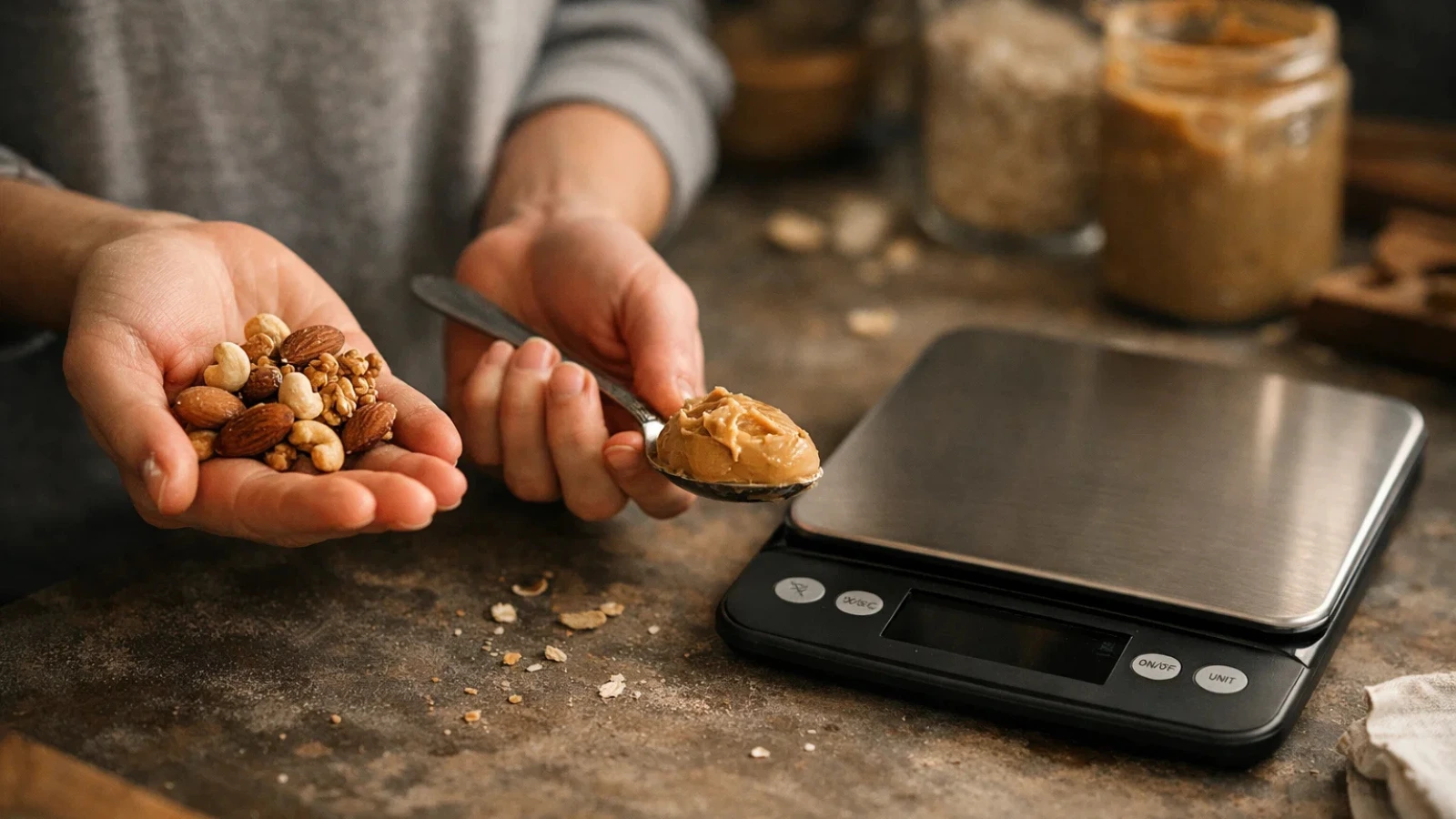
We tend to rely on visual estimates: a “small bowl,” a “handful,” or a “normal serving.” But our perception is often way off. What looks like one serving could actually be two or three.
For example, a spoonful of peanut butter can range from 80 to 200 calories, depending on how generous that scoop is. Over time, these miscalculations stack up, pushing you out of a calorie deficit without you realizing it.
How to fix it:
Start measuring your food properly, especially calorie-dense items like oils, nuts, spreads, and grains.
Use a digital kitchen scale for a couple of weeks. This isn’t about doing it forever; it’s about training your eye. Once you understand what real portions look like, you’ll naturally get better at estimating.
2. Ignoring Liquid Calories
When people think about food tracking, they focus only on solid food. But liquids can carry a surprising number of calories.
That morning, coffee with milk and sugar, a glass of juice, soft drinks, or even alcohol, these can easily add hundreds of calories without making you feel full.
The tricky part is that liquids don’t trigger the same satiety signals as food. So you consume calories without feeling like you’ve eaten more.
Ignoring drinks is one of those calorie tracking mistakes that feels small but adds up faster than expected.
How to fix it:
Make it a habit to log every drink that isn’t plain water.
Pay special attention to:
- Coffee add-ons (milk, cream, sugar)
- Packaged beverages
- Alcohol
- Cooking oils used in drinks or recipes
This one change alone can dramatically improve how accurately you count calories.
3. Not Tracking Small Bites and Snacks
It’s easy to ignore “insignificant” calories. A bite while cooking. A few chips from a friend’s plate. A quick snack between meetings.
Individually, they seem too small to matter. But cumulatively, they can create a significant calorie surplus.
In fact, these untracked extras are often the reason why people feel like they’re doing everything right but still not seeing results.
That’s usually when you start questioning what’s actually holding you back.
This is one of the most overlooked calorie tracking mistakes, especially for people who snack throughout the day.
How to fix it:
Adopt a no-exception rule:
If it goes into your mouth, it goes into your tracker.
Even if you can’t log it perfectly, make a rough estimate. Awareness is always better than ignoring it completely.
4. Logging Meals Too Late
Logging meals at the end of the day seems convenient, but it’s highly unreliable.
Memory isn’t perfect. You’ll forget ingredients, underestimate portions, or completely miss snacks.
This creates gaps in your tracking, making your calorie data incomplete and misleading.
How to fix it:
Log your meals in real time, or even better, log them before eating.
Planning your meals in advance not only improves accuracy but also helps you stay within your calorie target. It turns tracking into a proactive habit rather than a reactive one.
5. Relying on Inaccurate App Entries
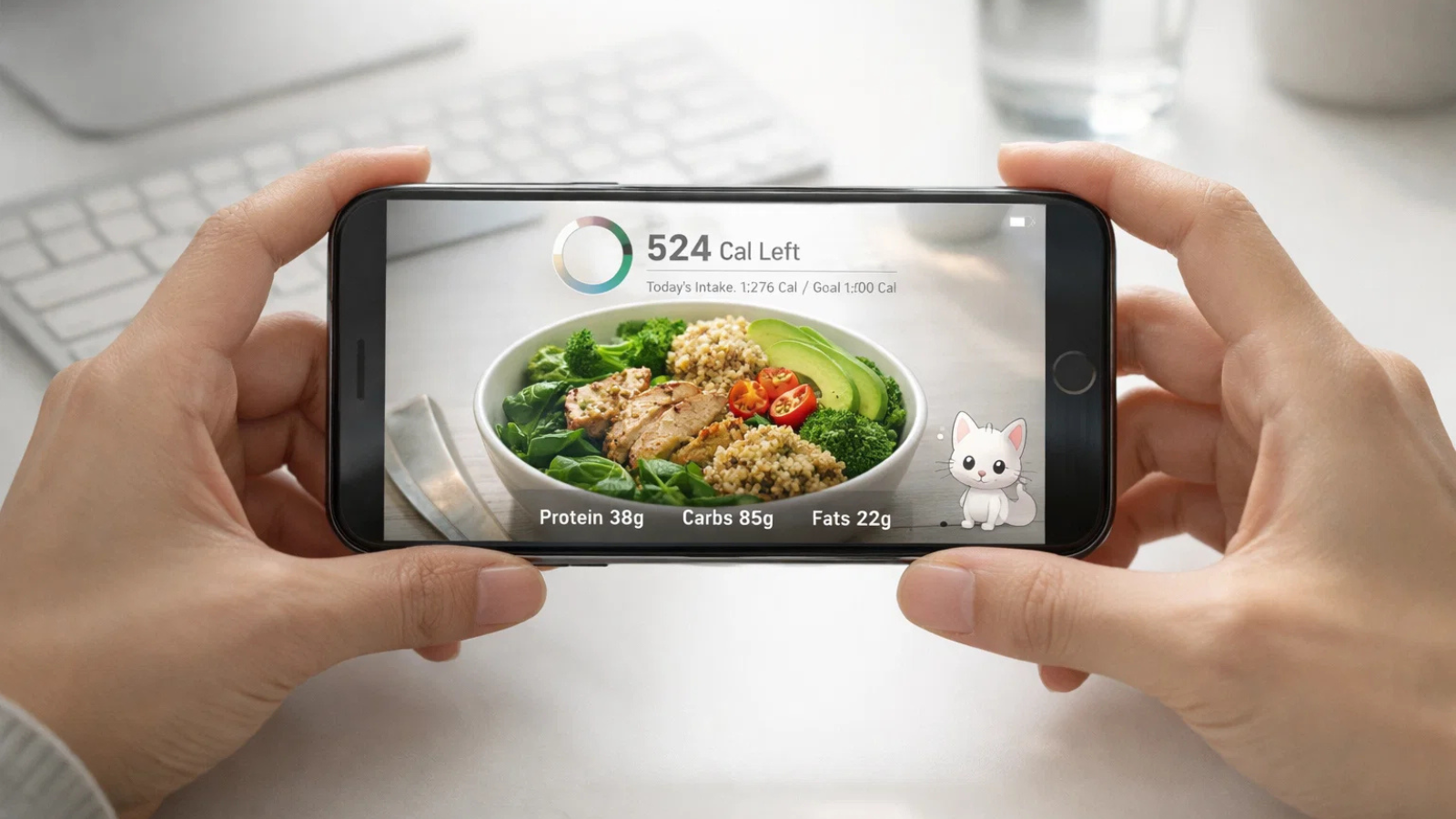
Most people use a calorie counter, which is great, but not all data inside these apps is reliable.
Many entries are user-generated, meaning the same food item can have multiple calorie values. Choosing the wrong one can throw off your entire day’s tracking.
How to fix it:
- Prioritize verified entries
- Use barcode scanning whenever possible
- Cross-check with food packaging
Think of your app as a tool, not a guarantee of accuracy. The more careful you are with entries, the more reliable your tracking becomes.
Where a Smarter Calorie Counter Actually Helps
You’re already putting in the effort. You’re logging meals, checking numbers, trying to stay consistent.
But if the data itself isn’t accurate, all that effort can feel confusing and frustrating.
Sometimes, it’s not about doing more, it’s about using a calorie counter that actually simplifies the process instead of complicating it.
Meet Calorie Tracker Buddy: Making Tracking Feel Effortless

Instead of turning calorie tracking into another chore, Calorie Tracker Buddy flips the experience completely.
It’s not just about logging food, it’s about making the process simple, visual, and surprisingly engaging.
You’re not typing everything manually or guessing portions all the time. You just snap your meal, and the app does the heavy lifting.
But what makes it stand out isn’t just the features, it’s how it keeps you consistent.
Because consistency is where most people fail.
What Makes It Different?
- Snap-Based Meal Tracking
No more endless searching or guessing entries. Just take a photo of your meal, and the app scans it for calories, nutrients, and balance instantly. - Real-Time Feedback
Instead of waiting till the end of the day to realize you went overboard, you get immediate insights. Every meal shows you how it fits into your daily goal. - Built-In Calorie Intake & Burn Tracking
From what you eat to how much you move, it’s all tracked in one place. No need to switch between multiple apps. - Goal Predictions That Keep You Grounded
Wondering if you’re on track? The app shows how your daily choices impact your long-term results, so there are no surprises. - A Virtual Buddy That Keeps You Going
This is where it gets interesting.
Most importantly, it helps you avoid common calorie tracking mistakes without feeling overwhelmed.
It sounds simple, but that small layer of motivation makes a huge difference on days when discipline feels low.
Why This Actually Solves Most Tracking Mistakes
Look back at the mistakes we discussed:
- Forgetting to log
- Guessing portions
- Skipping entries
- Inconsistency
You don’t need a perfect system.
You just need one that you’ll actually use every day.
Calorie Tracker Buddy does exactly that, it removes friction, simplifies tracking, and adds just enough motivation to keep you consistent.
👉 If you’ve been struggling to stay consistent with tracking, this might be the easiest place to start:
Download it today!
6. Weighing Food Inconsistently
Food weight changes depending on how it’s prepared.
Raw chicken loses water when cooked. Rice absorbs water and expands. Vegetables shrink or soften.
If you sometimes measure raw and other times cooked, your calorie calculations become inconsistent.
Inconsistent weighing is one of the silent calorie tracking mistakes that leads to inaccurate numbers over time.
How to fix it:
Pick one method and stick to it consistently.
Weighing food raw is generally more accurate because most nutritional data is based on raw measurements.
Consistency here removes a major source of hidden error.
7. Eating Back Burned Calories
Fitness trackers and smartwatches are helpful, but not always accurate.
They often overestimate how many calories you’ve burned. So if you “eat back” those calories, you might end up consuming more than you should.
This creates a false sense of balance, where you think you’re maintaining a deficit—but you’re actually not.
How to fix it:
Treat calorie burn data as a rough estimate, not a precise number.
Instead of adjusting your intake daily based on exercise, stick to a consistent calorie target. Let your workouts be a bonus, not a justification to eat more.
8. Ignoring Macronutrient Balance
Focusing only on calories while ignoring macronutrients is another common mistake.
Yes, calories determine weight loss, but macros influence how your body feels and performs.
A diet low in protein, for example, can leave you feeling hungry, making it harder to stay consistent.
How to fix it:
Balance your meals with:
- Protein for satiety and muscle support
- Carbs for energy
- Fats for overall health
This makes your calorie intake more sustainable and easier to maintain long-term.
Related Reads You’ll Love
9. Only Tracking on “Good” Days
This is where honesty becomes crucial.
Many people track diligently during weekdays, but skip weekends, social events, or cheat meals.
Unfortunately, those untracked days often contain the highest calorie intake, which cancels out the deficit created earlier.
How to fix it:
Track every day, no matter how imperfect it is.
Even if you overeat, logging it gives you awareness and control. Without that, you’re just guessing.
10. Obsessing Over Daily Numbers
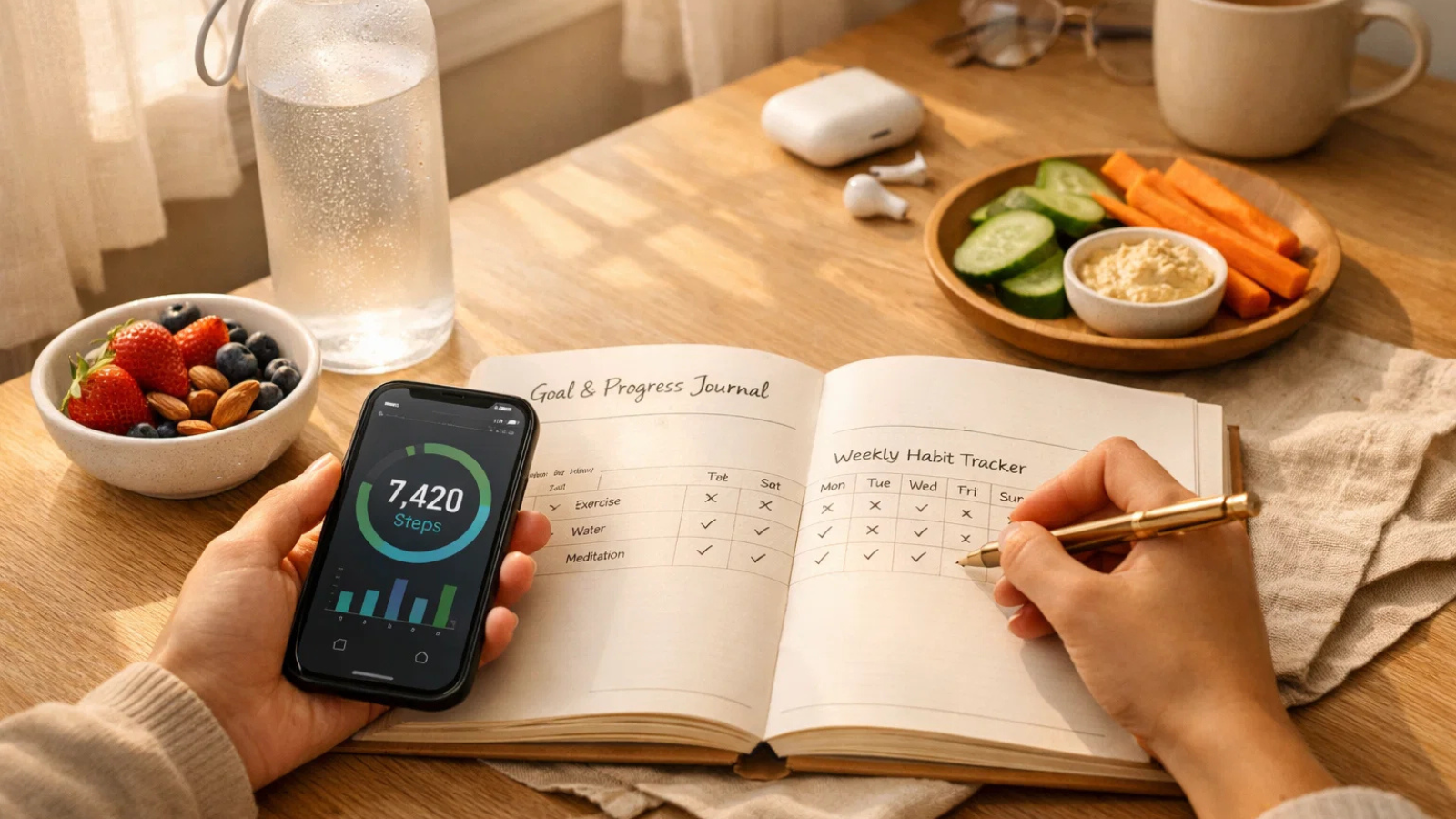
Daily calorie intake and weight can fluctuate due to multiple factors, water retention, hormones, stress, or sleep.
Focusing too much on a single day can lead to frustration and poor decisions.
How to fix it:
Zoom out.
Track your weekly averages instead of daily numbers. This gives you a more accurate picture of your progress and helps you stay consistent without overthinking.
11. Trying to Be Perfect All the Time
Perfection sounds ideal, but it’s not sustainable.
Trying to track every calorie with absolute precision can become exhausting. And when you inevitably slip, it feels like failure.
This all-or-nothing mindset is what causes most people to quit.
Trying to be perfect often leads to burnout, making it one of the most common calorie tracking mistakes.
How to fix it:
Shift your focus from perfection to consistency.
Being mostly accurate over a long period will always outperform short bursts of perfect tracking.
How to Track Calories Accurately Without Overcomplicating It
If you’re wondering how to simplify all of this, here’s the truth:
You don’t need to track perfectly, you just need to track consistently and consciously.
To improve how to track calories accurately, focus on:
- Measuring high-calorie foods carefully
- Logging meals in real time
- Using reliable app entries
- Tracking all days, not just “good” ones
- Looking at long-term trends
Keep it simple, repeatable, and realistic.

Final Thoughts
Calorie tracking isn’t complicated, but it’s easy to do wrong.
Most people don’t fail because they lack discipline. They fail because of small, repeated calorie tracking mistakes that quietly throw off their progress.
Fix those mistakes, and suddenly things start to make sense.
Your results improve.
Your consistency increases.
And your effort finally starts to show.
You don’t need extreme diets or strict rules.
Just awareness, consistency, and a smarter way to count calories.
Frequently Asked Questions (FAQs)
1. What are the most common calorie tracking mistakes?
The most common calorie tracking mistakes include guessing portion sizes, ignoring liquid calories, not logging small snacks, relying on inaccurate app entries, and only tracking on “good” days. These small errors may seem harmless, but over time, they can significantly impact your results and slow down progress.
2. How to track calories accurately without overcomplicating it?
To understand how to track calories accurately, focus on consistency rather than perfection. Measure high-calorie foods, log meals in real time, and use reliable data sources. You don’t need to track every gram perfectly, just being consistent with your tracking habits will give you much better results over time.
3. Is it necessary to count calories every day?
Yes, if your goal is weight loss or maintenance, it’s important to count calories consistently. Skipping days, especially weekends or social events, can lead to underestimating your intake. Even if your tracking isn’t perfect, logging daily helps you stay aware and make better decisions.
4. Which calorie counter is best for beginners?
The best calorie counter is one that’s easy to use and helps you stay consistent. Tools like Calorie Tracker Buddy simplify the process with features like photo-based meal tracking, real-time feedback, and built-in motivation. This makes it especially useful for beginners who find traditional tracking methods overwhelming.
5. Why am I not losing weight even after counting calories?
If you’re not seeing results despite trying to count calories, chances are you’re making hidden calorie tracking mistakes. These could include underestimating portions, missing snacks, or relying on inaccurate data. Fixing these small gaps usually leads to noticeable progress.