


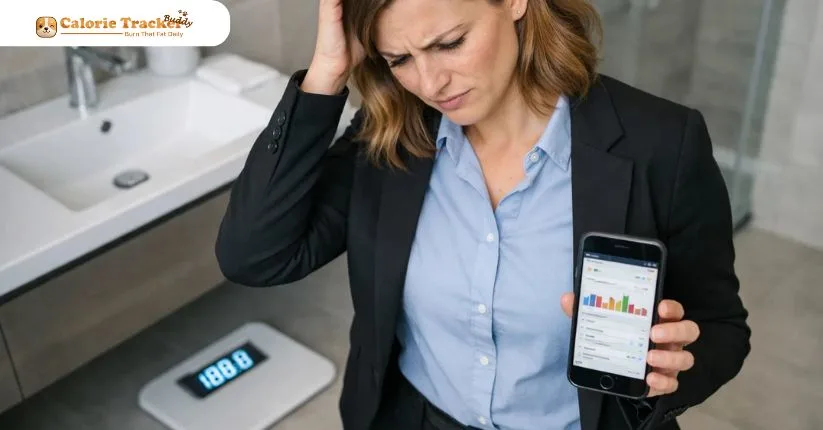
You’ve been consistent. You’re logging your meals, tracking calories, and making what feels like better choices every day. Yet the scale refuses to move. It’s frustrating, confusing, and honestly, a bit discouraging.
If you’ve been asking yourself, “Why am I not losing weight?”, you’re not alone. Many people hit a point where their efforts don’t seem to match the results. This is often referred to as a calorie tracking plateau, and it can happen even when you think you’re doing everything right.
The truth is, weight loss isn’t always as simple as calories in versus calories out. Small inaccuracies, hidden habits, and even your body’s natural responses can slow things down. Sometimes, you might even be losing weight but not fat, which makes progress harder to notice.
Listen to the podcast
You Might Be Underestimating Your Calorie Intake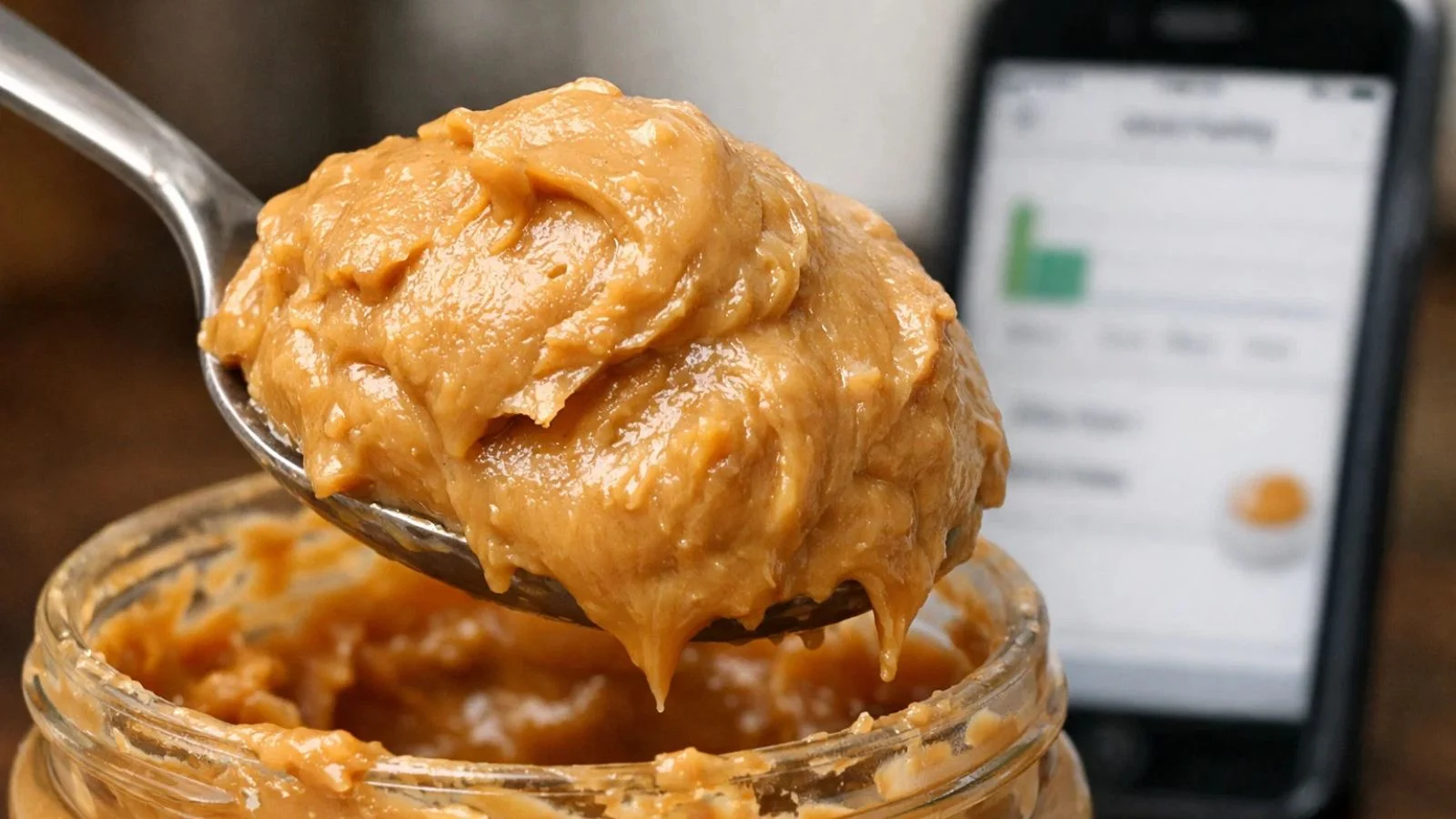
One of the most common reasons people feel stuck is simple: they’re eating more than they think. Even with tracking, it’s surprisingly easy to underestimate your actual calorie intake.
Portion sizes are often the biggest culprit. A “tablespoon” of peanut butter can quickly turn into two. Cooking oils, sauces, dressings, and even beverages can add extra calories that don’t always get logged accurately. These small gaps add up over the day and can quietly push you out of a calorie deficit.
Another issue is inconsistency. You might track carefully during the week but relax on weekends, assuming it balances out. In reality, a couple of untracked meals can undo several days of progress.
Using a food scale, double-checking entries, and logging everything, even small bites, can make a noticeable difference. This doesn’t mean you need to become obsessive. It just means being honest and consistent enough to understand what your body is actually receiving.
Your Body Has Adapted to Your Calorie Intake
Another reason you might feel stuck is that your body has simply adjusted to your current routine. This is a natural process known as metabolic adaptation, and it plays a big role in many weight loss plateaus.
When you start eating fewer calories, your body responds by becoming more efficient. It tries to conserve energy by slowing down certain processes like metabolism, movement, and even how many calories you burn at rest. Over time, the calorie deficit that once helped you lose weight may no longer be enough.
This is where a calorie tracking plateau becomes more noticeable. You’re still doing what worked before, but your body is no longer responding the same way. It can feel like you’ve hit a wall, even though your habits haven’t changed.
Your intake might now be closer to your maintenance level than a deficit.
One way to deal with this is by reassessing your calorie needs. As you lose weight, your body requires fewer calories, so adjustments are often necessary. You can either slightly reduce your intake or increase your activity level to create a new deficit.
The key is not to panic or drastically cut calories. Small, controlled changes are far more effective and sustainable in the long run.
You’re Not Burning as Many Calories as You Think
Tracking what you eat is only one side of the equation. The other side, how many calories you burn, is often overestimated, and this can slow down your progress more than you realize.
Fitness trackers, smartwatches, and gym machines can give helpful estimates, but they’re not always accurate. Many people assume they’re burning more calories than they actually are, which leads to eating more than their body truly needs.
For example, a workout that feels intense might not burn as many calories as expected. On top of that, daily movement outside workouts like walking, standing, or general activity can decrease without you noticing. This is called NEAT (non-exercise activity thermogenesis), and it plays a big role in overall calorie burn.
If your activity levels drop slightly while your calorie intake stays the same, progress can stall. This is another hidden reason behind a calorie tracking plateau.
So if you’re wondering, “Why am I not losing weight?” it might not just be about food, it could also be about movement. Even small changes, like walking more, taking the stairs, or staying active throughout the day, can help create a better balance.
Instead of relying only on workout numbers, focus on staying consistently active overall. That’s often what makes the biggest difference.
You Might Be Losing Weight but Not Fat
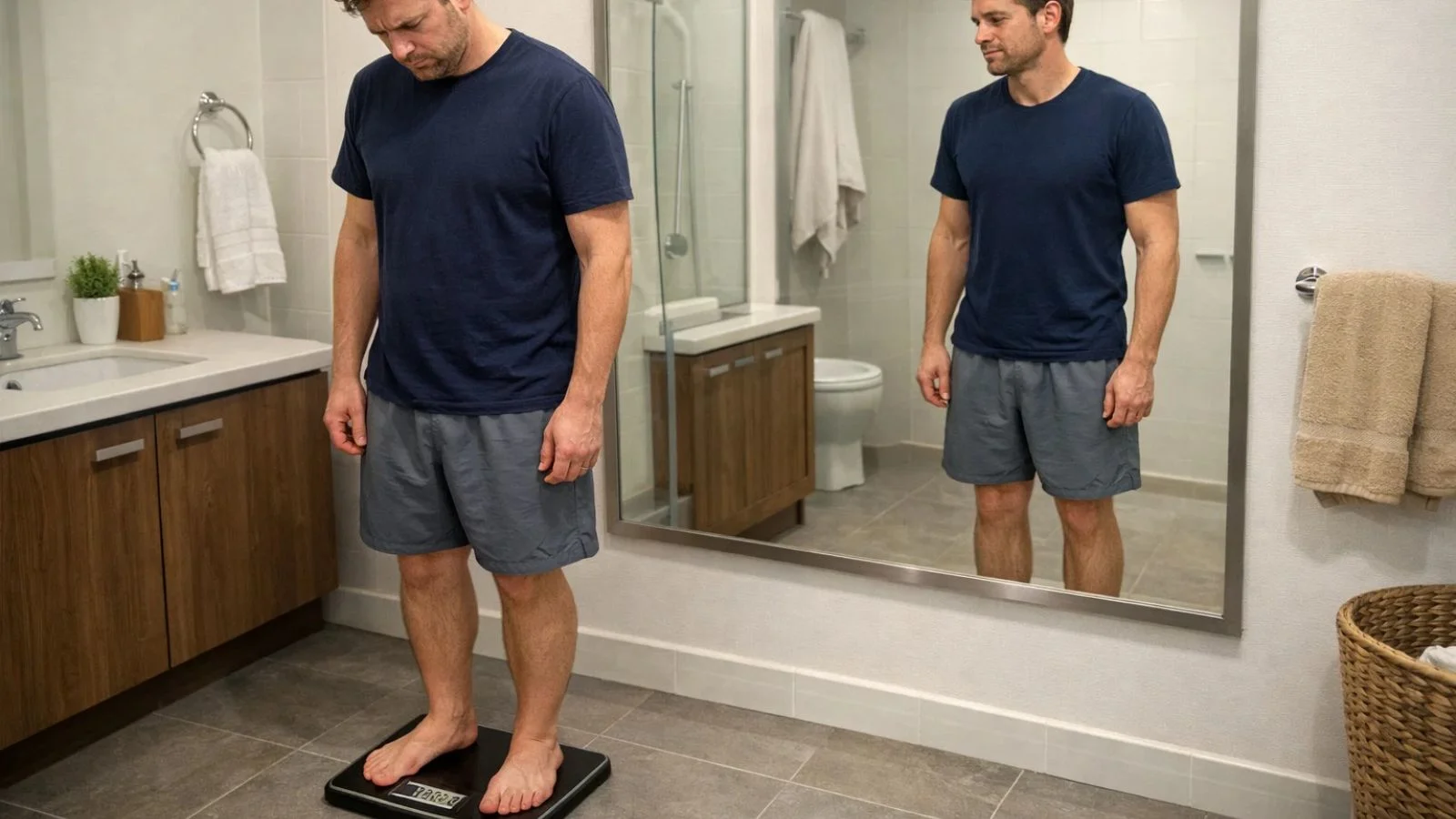
Sometimes the issue isn’t that nothing is happening; it’s that you’re measuring progress the wrong way. The number on the scale doesn’t always tell the full story.
If you’re losing weight but not fat, or even maintaining the same weight while your body composition changes, it can feel like you’re stuck when you’re actually making progress. This often happens if you’ve started exercising, especially strength training.
When you build muscle while losing fat, the scale may not drop significantly because muscle is denser than fat. At the same time, your body can look leaner, your clothes may fit better, and your measurements might decrease.
Water retention is another factor. Changes in diet, sodium intake, stress, or workouts can cause your body to hold onto water temporarily. This can mask fat loss and make it seem like nothing is changing.
Progress photos, body measurements, and how your clothes fit are often much more reliable indicators. The goal isn’t just to lose weight, but it’s to improve your overall body composition and health. And sometimes, that progress just isn’t immediately visible on the scale.
Hidden Habits That Sabotage Your Efforts
Even with careful tracking, small habits can quietly stall your progress. These aren’t always obvious, but they can add up over time and explain why you’re not seeing results.
Mindless snacking: Grabbing a handful of nuts, tasting food while cooking, or sipping sugary drinks can add extra calories without registering in your tracking app.
Late-night eating: Many people eat more at night, often high-calorie foods, which can push your daily intake over your target.
Stress and sleep: High stress levels and poor sleep can affect hormones like cortisol, increasing cravings and slowing fat loss.
“Healthy” mistakes: Foods labeled as low-fat or sugar-free can still be calorie-dense. Relying too heavily on these can hinder progress even if you think you’re making better choices.
Logging meals in detail and being honest about snacks, drinks, and portion sizes is key.
Tools like Calorie Tracker Buddy make this process easier by helping you log everything accurately, track progress, and spot patterns that may be slowing you down.
Track Smarter with Calorie Tracker Buddy
Now, if you are facing a plateau in your weight loss journey, it might be time to upgrade your approach. Calorie Tracker Buddy is designed to make calorie tracking effortless, accurate, and insightful.
With features like a massive food database, barcode scanning, and automatic calorie calculations, it removes the guesswork from logging meals. You can track every bite, monitor macros, and spot hidden calorie sources that often cause plateaus.
The app also helps you set realistic goals, track your progress over time, and stay motivated with daily reminders and insights. Whether you’re aiming to lose fat, maintain weight, or just build healthier habits, Calorie Tracker Buddy keeps everything organized in one place.
By making your tracking more precise and consistent, it helps you break through plateaus, stay accountable, and see real results without turning your life upside down.
Stay Patient and Consistent
Weight loss is rarely linear, and plateaus are a normal part of the journey. Remember that small factors like underestimating calories, hidden habits, metabolic adaptation, or even muscle gain can all influence the scale.
The key is consistency, awareness, and tracking with precision. Adjusting your calorie intake, staying active, focusing on body composition, and using reliable tools like Calorie Tracker Buddy can help you break through plateaus and keep making progress.
Remember: weight loss is a long-term process. Celebrate small victories, focus on habits that support your goals, and trust that results will follow with patience and persistence.
Also read,
Frequently Asked Questions (FAQs)
- Why am I not losing weight even though I track calories?
Tracking may not always be perfectly accurate. Hidden calories, portion size miscalculations, or overestimating activity can all contribute to stalled weight loss.
- Can stress or lack of sleep affect my weight loss?
Yes. High stress and poor sleep can increase cortisol levels, which can lead to cravings, water retention, and slower fat loss.
- Is it possible to lose weight but not fat?
Absolutely. Muscle gain, water retention, or changes in body composition can make the scale appear stagnant even when you’re improving your physique.
- How can I overcome a calorie tracking plateau?
Adjust your calorie intake, increase your activity, track all meals and snacks accurately, and focus on body composition instead of just scale weight.