


Eating out is one of life’s genuine pleasures. But if you’re trying to manage your weight or eat more mindfully, it can also feel like flying blind when you try to track calories. A dish that sounds healthy, grilled chicken, a fresh salad, and a veggie bowl can quietly carry 800 to 1,000 calories once you account for the dressing, cooking oil, and generous portion size.
That’s not a failure of willpower. That’s just how restaurant kitchens work when you attempt to track calories accurately.
Learning calories doesn’t mean you need to interrogate your server or pull out a food scale at the table. It means building a simple, repeatable habit that helps you track calories without killing the enjoyment of the meal. Once you know the system, it takes less than two minutes per meal.
Hit ‘Play’ Button & Tune Into The Blog!
Why Tracking Restaurant Meals Is Harder Than It Looks

Home cooking gives you control when you track calories. You measured the olive oil. You weighed the chicken. You know exactly what went into the pan.
Restaurants don’t work that way, which makes it harder to track accurately.
Portion sizes shift depending on who’s plating that evening. Sauces get made in large batches where the butter-to-cream ratio varies every time. Even a dish labeled “light” on the menu can carry significant hidden calories.
This isn’t restaurants being deceptive. It’s simply how large-scale cooking operates. And it’s the core reason so many people trying to track calories when eating out end up underestimating their intake by a few hundred calories, sometimes more.
The goal isn’t perfect accuracy. It’s getting close enough, consistently enough, that your overall tracking remains useful.
5 Smart Ways to Track Calories at Restaurants Accurately
Tracking restaurant meals doesn’t have to feel confusing or time-consuming. Once you understand a few simple principles, the process becomes quick, flexible, and surprisingly accurate.
The goal isn’t perfection, it’s building a system you can rely on every time you eat out. These practical steps will help you track calories with confidence, even when you don’t have exact information.
1: Check If the Restaurant Posts Nutrition Info
Spend 90 seconds on your phone before you leave home. It’s a simple step that helps you track calories with more confidence.
Start by searching: “[Restaurant Name] nutrition” or “[Restaurant Name] calorie info.” Most restaurant chains publish detailed nutrition breakdowns on their websites or apps.
If available, use their nutrition calculator. These tools let you customize your meal and instantly see how those changes affect the calorie count.
If the restaurant is smaller or independent, this information may not be available. In that case, move to the next step and rely on general awareness to track calories in restaurant meals.
2: Use a Calorie Tracking App With a Restaurant Database
This is the most practical tool for anyone learning how to track calories consistently. A good tracking app lets you search by restaurant name, find your dish, and log it in seconds.
Apps like MyFitnessPal, Lose It!, and Cronometer carry large restaurant databases. The workflow is simple: open the app, search the restaurant, find the dish, and log it.
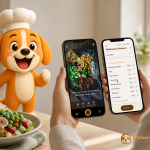
One app worth trying is Calorie Tracker Buddy. Rather than typing in a search, you point your camera at the meal and snap a photo. It scans the food and returns calorie counts, making it easier to track calories at the table.
When your exact dish isn’t in any database, search for the closest equivalent. Logging an estimate still helps you stay consistent.
One habit that makes a real difference: log your meal before you eat, not after. Seeing the numbers first influences smarter decisions.
3: Learn to Estimate Portions Using Visual Cues
Even with a solid app, portion estimation is where accuracy is won or lost when you track calories.
These visual references help:
- Your palm ≈ 3 oz of protein
- Your fist ≈ 1 cup of carbs
- Your thumb ≈ is 1 tablespoon of fat.
- Your cupped hand ≈ holds 1 oz of snacks.
Restaurant portions typically run larger, which makes it important to adjust your expectations.
4: Build Your Own Go-To Entries for Frequent Spots
If you eat at the same few places regularly, stop re-searching every single time. Create a custom meal entry in your tracking app that reflects your actual usual order: your specific bowl, your regular sushi combo, your neighborhood Thai spot’s green curry.
Save it, name it clearly, and next time it’s a two-second log.
This matters more than people realize. Logging fatigue is real. Anything that slows down the process creates an excuse to skip it entirely. The faster and more automatic the habit, the more consistent your data becomes — and consistency is what makes tracking actually useful over time.
5: Use Smart Ordering to Make Tracking Easier
Here’s something most guides on how to log restaurant food calories leave out: you can make the meal itself easier to track before it arrives.
Ask for dressings and sauces on the side. This one habit alone can cut 200 to 400 calories from a single meal without changing what you order; you just control how much goes on. Request grilled over fried when it’s available. Skip the bread basket, or limit yourself to one piece before the main course arrives. Ask for a half portion of pasta with extra vegetables if substitutions are allowed. Many restaurants will accommodate this without hesitation.
None of this means eating dull food or skipping the things you enjoy. It means giving yourself cleaner, more trackable meals, and usually, you’ll feel better after eating them too.
What To Do When You Simply Can’t Track Accurately
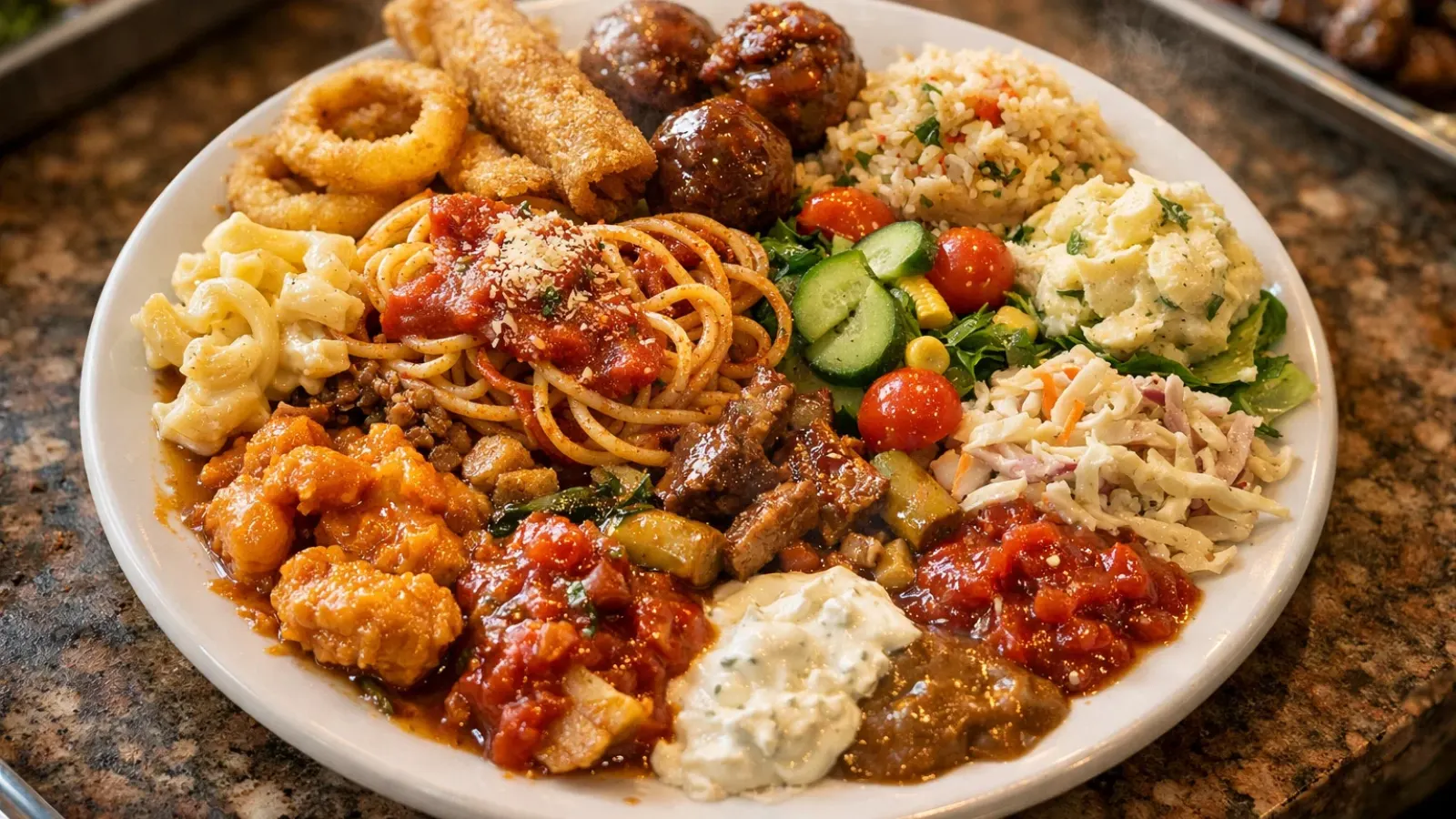
Sometimes it’s not possible to track calories precisely.
In those situations, estimate and add a 20 to 30 percent buffer. This helps keep your tracking realistic.
Focus on staying consistent. Even rough estimates are better than skipping entirely.
The key mindset: approximate logging beats no logging. One imperfect entry won’t hurt your progress.
Pro Tips for Logging Restaurant Calories More Accurately
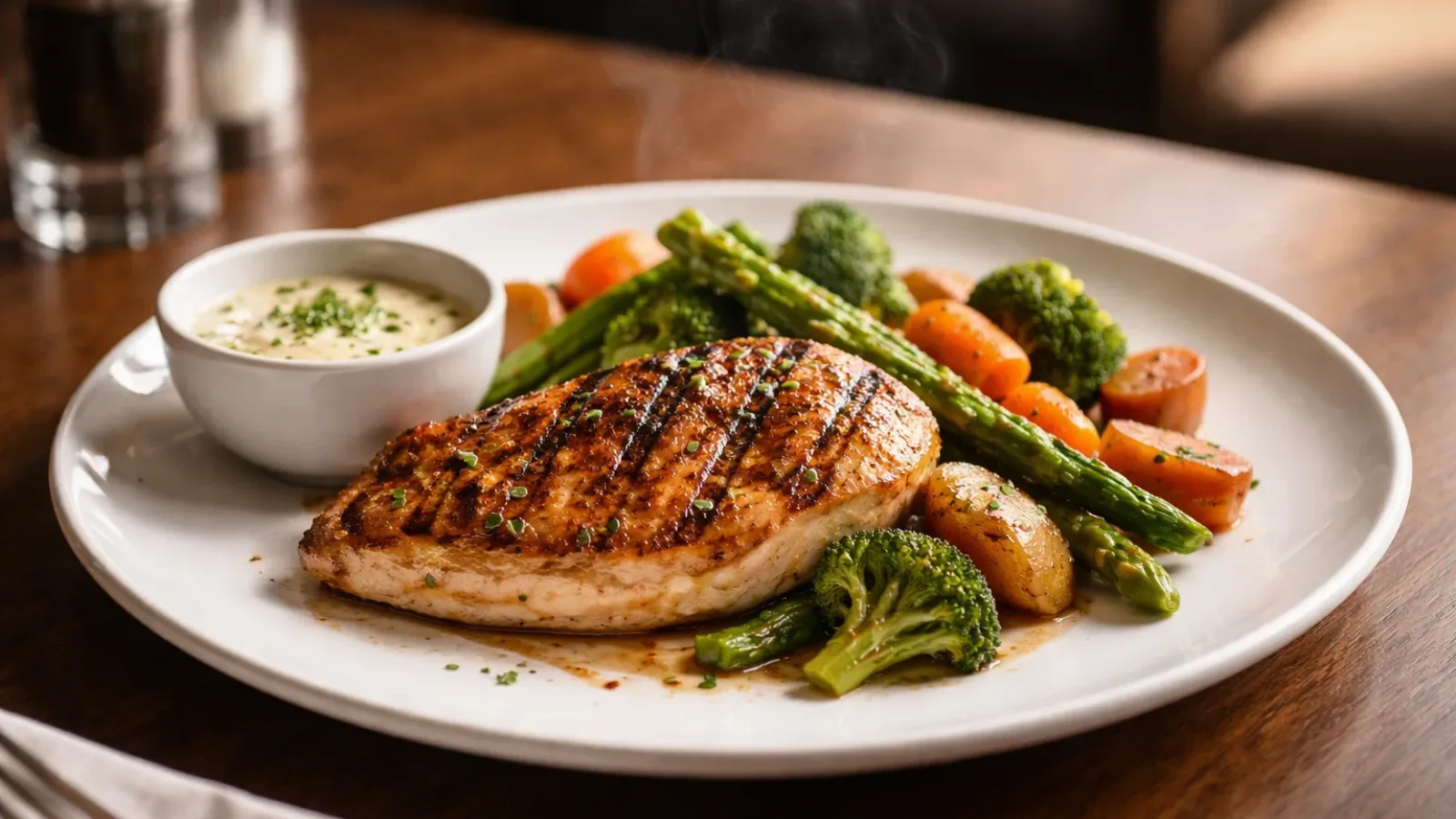
Most people learn how to log restaurant food calories through trial and error. These shortcuts skip the error part.
Check the menu before you arrive. Most restaurants post their menu online. Deciding what you’ll order ahead of time means you log before hunger makes the decisions for you.
Eat the protein first. It slows down how quickly you move through the rest of the plate, which naturally reduces how much you eat without requiring any willpower.
Split the meal, not the tracking. If you share a dish, log your actual portion, not the full entry. Half a plate is not the same as a full serving, and that gap adds up over time.
When in doubt, the sauce is the problem. A reasonable dish can double in calories from a heavy sauce or glaze. Asking for it on the side is the single easiest calorie control move at any restaurant.
Use Calorie Tracker Buddy’s snap feature before you touch the plate. Once you’ve mixed everything together or taken a few bites, visual scanning becomes less accurate. One photo when the plate arrives takes three seconds and gives you the cleanest read.
Don’t skip logging a meal just because you went over. That data still matters. Knowing where the spike happened helps you make a smarter call next time.
We’ve Got More for You!
How to Track Calories Without Obsessing: 8 Practical Tips
How to Track Calories in Homemade Meals Without a Recipe
Best Apps to Track Calories When Eating Out
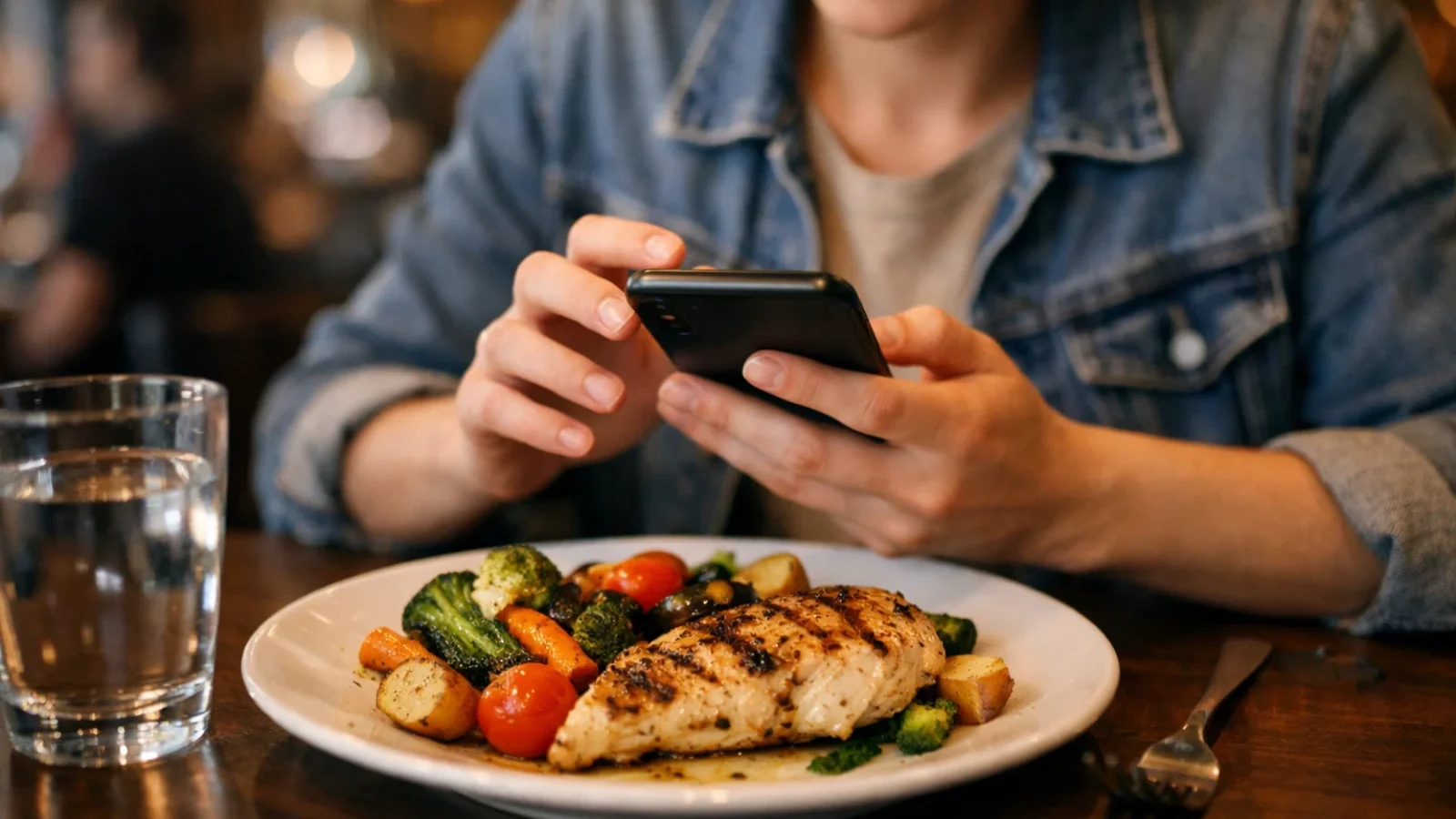
Choosing the right tool can make or break your ability to track calories consistently, especially when you’re eating at restaurants.
Calorie Tracker Buddy is designed specifically for this problem. Instead of relying on manual search or guesswork, it focuses on making calorie tracking fast, visual, and effortless in real-world situations.
What Makes Calorie Tracker Buddy Different
Snap Instead of Search
Most apps require you to type in food names and scroll through options. Here, you simply take a photo of your meal. The app scans it and estimates calories, nutrients, and balance instantly.
This is especially useful in restaurants where you don’t have exact dish names or ingredients.
Built for Real-Life Eating (Not Perfect Data)
Restaurant meals are messy. Ingredients vary, portions aren’t exact, and menus don’t always help.
Calorie Tracker Buddy is designed to handle that uncertainty by giving quick, usable estimates instead of slowing you down with precision overload.
All-in-One Tracking (No Switching Apps)
You don’t just track food. The app also logs calorie burn from workouts and daily movement, so you see the full picture — intake vs expenditure — in one place.
Real-Time Feedback, Not Just Logs
Instead of passively recording meals, the app shows how each meal affects your daily progress. This helps you adjust in the moment, not after the day is over.
Consistency Over Perfection
A simple “Buddy” system reflects how consistently you’re logging meals. It adds light accountability without pressure, making it easier to build a habit you actually stick to.

Conclusion
Eating out doesn’t have to throw you off track. Once you understand how restaurant meals work and build a simple system, it becomes much easier to stay consistent without overthinking every bite.
You’re not aiming for perfect numbers. You’re aiming for awareness. A quick check before you order, a rough estimate when needed, and a habit of logging regularly are more than enough to make a real difference over time.
The key is keeping it simple. The easier it is to log your meals, the more likely you are to stick with it. And when consistency becomes automatic, results tend to follow.
Enjoy your meals, stay flexible, and keep showing up. That’s what actually works.
FAQs
What is the best app to track calories?
One of the best options is Calorie Tracker Buddy. It simplifies the process by letting you log meals quickly using a photo, which makes it easier to stay consistent compared to manual tracking.
How accurate are calories in Side Track XPA or similar meals?
Calories in meals like Side Track XPA or similar restaurant dishes can vary depending on portion size, cooking methods, and ingredients. If exact data isn’t available, it’s best to log a close estimate and add a small buffer.
How can I track calories effectively every day?
To track calories effectively, keep it simple. Use a tool like Calorie Tracker Buddy, log your meals consistently, and don’t aim for perfect accuracy. Staying consistent matters more than being exact.
Can I track calories and protein at the same time?
Yes, Calorie Tracker Buddy allows you to track both calories and protein along with other nutrients. This helps you balance your diet while working toward your fitness or health goals.
Is there a machine or tool that can track calories automatically?
There’s no physical machine that tracks calories perfectly, but tools like Calorie Tracker Buddy come close by using features like photo scanning to estimate calories quickly and easily.