


Six years on the gym floor teaches you a lot of things. It teaches you that most people train harder than they need to and eat worse than they think they do. It teaches you that motivation comes and goes but habits stay. And more than anything, it teaches you that the single most impactful nutritional change the average person can make is not cutting carbs, not going keto, not intermittent fasting.
It is eating more protein.
I have watched clients completely transform their bodies without changing their training at all, simply by fixing their protein intake. The science is clear, the results are consistent, and yet most people are still dramatically undereating protein without realising it.
This is the complete guide to building a protein diet that actually works, whether your goal is fat loss, muscle gain, or simply feeling better and performing at a higher level every single day.
Listen To The Blog Post
What Is a High-Protein Diet?
 Before we get into the specifics, let me answer the question directly: what is a high protein diet?
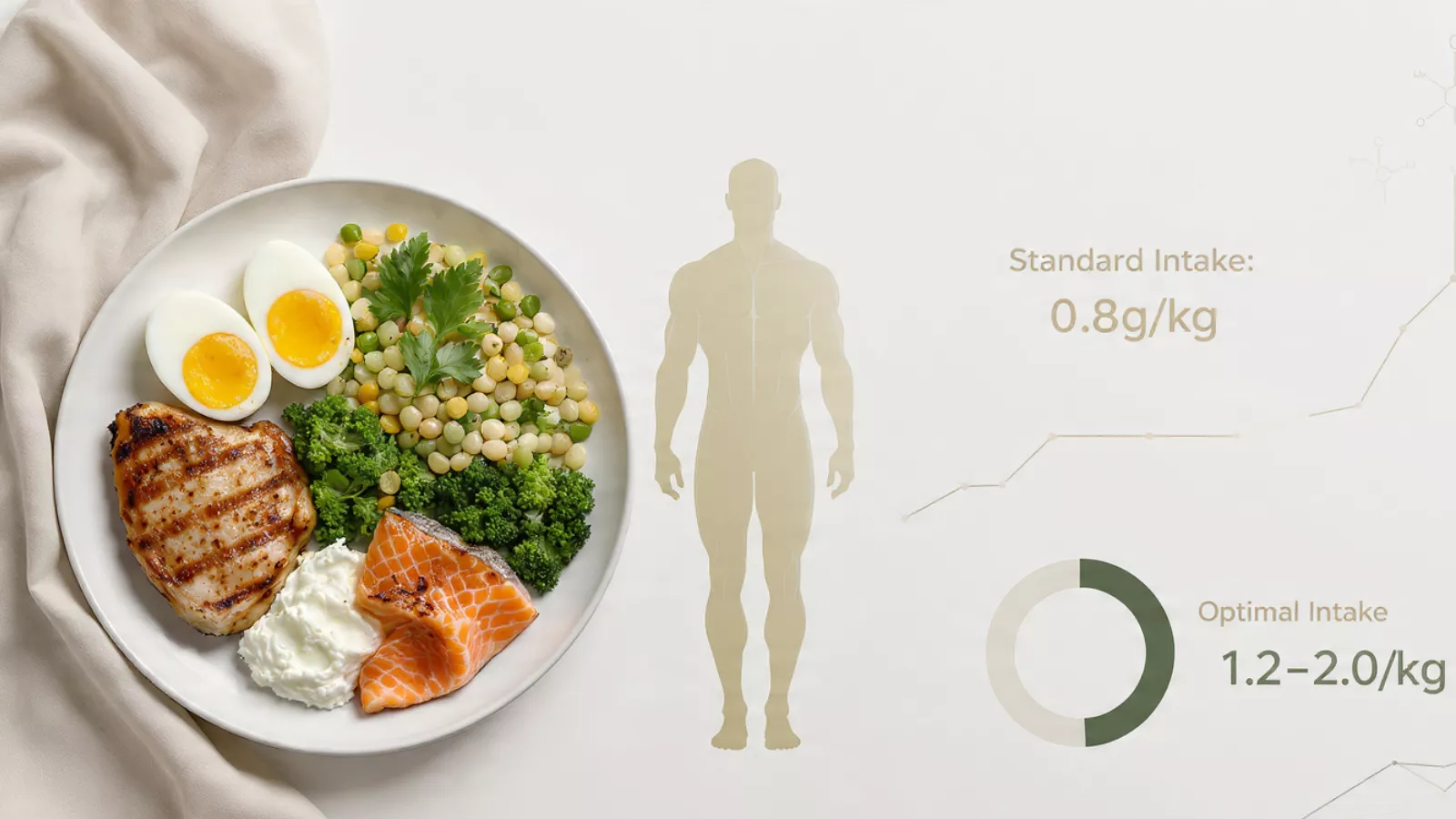
A high-protein diet is one where protein intake exceeds the standard minimum recommendation and is deliberately prioritised as the anchor macronutrient around which the rest of your eating is structured. The standard Recommended Dietary Allowance sits at 0.8 grams of protein per kilogram of bodyweight, but most nutrition researchers and coaches now consider this the floor, not the target.
For active individuals, those trying to lose fat, build muscle, or both, a genuinely effective protein diet sits closer to 1.2 to 2 grams per kilogram of bodyweight daily. For an 80kg person, that is 96 to 160 grams of protein every single day.
That is a meaningful difference from what most people are currently eating, and that gap is exactly where results live.
Why Protein Is the Most Important Macronutrient for Body Composition
Protein is not just important. In the context of body composition, it is the single most influential dietary variable you can control. Here is why.
It Keeps You Full
Protein triggers the release of satiety hormones including PYY and GLP-1, both of which signal fullness to your brain. At the same time, it suppresses ghrelin, the hormone responsible for driving hunger. The practical result is that people eating adequate protein naturally eat less overall without consciously restricting themselves. That is a powerful advantage whether you are trying to lose fat or simply avoid overeating.
It Burns More Calories Just Through Digestion
This one surprises most people. Protein has a significantly higher thermic effect than carbohydrates or fat, meaning your body burns more calories simply processing and metabolising it. The thermic effect of protein sits between 20 and 30 percent, compared to 5 to 10 percent for carbohydrates and just 0 to 3 percent for fat. That means for every 100 calories of protein you eat, 20 to 30 of those calories are used up in digestion before they ever reach your tissues.
It Protects Muscle During Fat Loss
When you are in a calorie deficit, your body does not exclusively burn fat. Without adequate protein, a meaningful portion of weight lost comes from muscle tissue. This is a serious problem because muscle is metabolically active tissue. Losing it slows your metabolism and makes future fat loss progressively harder. A well-structured protein diet protects muscle mass during a cut, ensuring that the weight you lose is fat rather than lean tissue you spent months building.
It Actively Builds Muscle
Protein provides the amino acids your body uses as literal building blocks for muscle tissue. Without sufficient protein, resistance training produces far less muscle growth than it should. Training and protein work together. One without the other is always leaving results on the table.

Protein Rich Food: The Best Sources to Build Your Diet Around
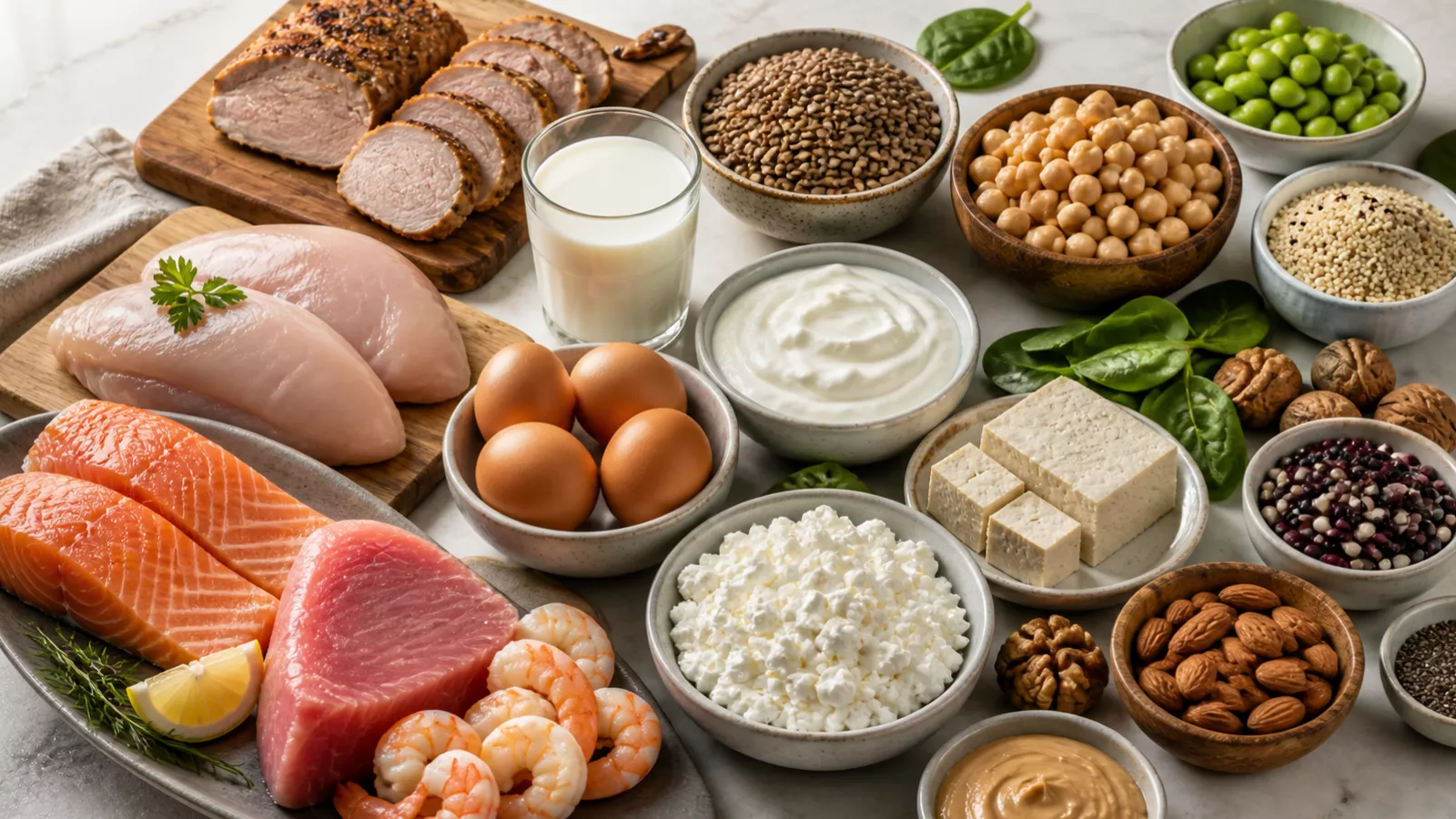 A great protein diet is built on quality sources. Here is the breakdown of the best protein rich food options across all eating patterns.
Animal Protein Sources
Chicken breast: The classic bodybuilding staple for good reason. White meat chicken is low in fat, high in protein, and extremely versatile in cooking. Remove the skin to keep saturated fat down.
Eggs: One of the most complete and affordable protein sources in existence. The yolk contains cholesterol, but research increasingly supports that dietary cholesterol has a far smaller impact on blood cholesterol than previously thought for most people. Eggs are excellent whole.
Fish and seafood: Salmon and tuna deliver protein alongside omega-3 fatty acids, which support heart health and reduce inflammation. Shrimp and halibut are exceptionally lean and high in protein per calorie.
Pork: Often overlooked, but cuts like tenderloin and top loin are genuinely lean and protein-dense. Pork has become significantly leaner over the past few decades compared to historical cuts.
Low-fat dairy: Greek yogurt, cottage cheese, and milk all provide protein alongside calcium. Low-fat versions keep calorie counts manageable without sacrificing protein content.
Plant Protein Sources
Legumes and beans: One and a quarter cups of beans contains roughly as much protein as three ounces of steak. Beans also deliver substantial fiber alongside the protein, which supports gut health and satiety.
Soy products: Tofu, edamame, and soy-based products are complete plant proteins, meaning they contain all nine essential amino acids. Eating around 25 grams of soy protein daily has also been associated with cholesterol reduction.
Nuts and nut butters: Calorie-dense but protein-rich. Almonds, walnuts, and almond butter all contribute meaningfully to daily protein targets, though portion awareness matters given their calorie density.
Whole grains: Quinoa in particular is notable for being a complete plant protein. Other whole grains contribute smaller amounts but add up meaningfully across a full day of eating.
Protein Diet Chart: Your Daily Targets by Bodyweight
One of the most common questions I get is “how much protein do I actually need?” Here is a simple protein diet chart to give you clear targets based on your goals.
| Bodyweight | Minimum (RDA) | Fat Loss Target | Muscle Building Target |
| 60kg | 48g | 72-96g | 96-120g |
| 70kg | 56g | 84-112g | 112-140g |
| 80kg | 64g | 96-128g | 128-160g |
| 90kg | 72g | 108-144g | 144-180g |
| 100kg | 80g | 120-160g | 160-200g |
Use this protein diet chart as your starting point. If you are currently eating significantly below the fat loss target column, that is the gap to close first. Do not try to jump to the muscle building column overnight. Increase gradually over two to three weeks and let your digestive system adapt.
Tracking Your Protein Diet With Calorie Tracker Buddy
 Here is the honest truth about hitting protein targets consistently: knowing the numbers is one thing, and actually tracking them every day is something else entirely. This is where most people fall apart. They know they need more protein. They intend to hit their targets. But without actually measuring and tracking, it simply does not happen consistently enough to produce results.
This is exactly why I recommend Calorie Tracker Buddy to my clients for managing their protein rich diet day to day.
Snap the Meal: Point your camera at your food, tap once, and your meal is instantly logged with full nutritional breakdown including protein, calories, and macros. For someone eating five or six protein-focused meals daily, eliminating the friction of manual entry makes the difference between a habit that sticks and one that fades.
Calorie Intake Tracker: See in real time how each meal is contributing to your daily protein target, so you can make smart adjustments through the day rather than discovering a 40-gram shortfall at 9pm.
Calorie Burn Tracker: Your protein needs shift with activity level. On heavy training days you need more. The burn tracker accounts for your full daily output so your targets stay accurate and responsive.
Goal Predictions: Watch how your current eating trajectory lines up with your body composition goals. If your protein intake is consistently falling short of what your goal demands, you see it immediately and can course-correct.
Buddy Motivation: Your virtual pet grows with every healthy choice you make. On the days when discipline is low and meal prep feels like a chore, the Buddy feature provides a small but real motivational nudge to stay on track.
Social Sharing: Post your high protein meals, share your streaks, and build accountability with friends or your training community. Consistency in nutrition improves dramatically when other people are paying attention.
A protein diet is only as effective as your ability to track it accurately and consistently. Calorie Tracker Buddy removes the friction that causes most people to give up on tracking within two weeks.
A 7-Day Protein Rich Diet Sample Plan
Here is a practical week of eating built around a protein rich diet for someone targeting approximately 140 to 160 grams of protein daily.
Monday Breakfast: Three eggs with whole grain toast and almond butter. Greek yogurt on the side. Lunch: Grilled chicken breast over mixed greens with olive oil dressing. Dinner: Lean beef steak with sweet potato and steamed broccoli. Snack: Cottage cheese with a handful of almonds.
Tuesday Breakfast: Protein smoothie with one scoop protein powder, Greek yogurt, banana, and almond milk. Lunch: Canned salmon mixed into a salad with avocado and lemon dressing. Dinner: Grilled chicken thighs with quinoa and roasted vegetables. Snack: Two boiled eggs with carrot sticks.
Wednesday Breakfast: Oatmeal with Greek yogurt, chopped walnuts, and berries. Lunch: Chicken and avocado wrap in a whole grain tortilla. Dinner: Turkey and vegetable stir fry with brown rice. Snack: Protein bar or cottage cheese.
Thursday Breakfast: Three-egg omelette with cheese, peppers, and spinach. Lunch: Leftover turkey stir fry with brown rice. Dinner: Grilled halibut with lentils and green beans. Snack: Greek yogurt with mixed nuts.
Friday Breakfast: Cottage cheese bowl with diced apple, cinnamon, and walnuts. Lunch: Tuna mixed with light mayo on whole grain bread with cucumber slices. Dinner: Chicken meatballs with marinara sauce over spaghetti squash. Snack: Edamame or a boiled egg.
Saturday Breakfast: Egg white frittata with diced potato, cheese, and vegetables. Lunch: Leftover chicken meatballs with a side salad. Dinner: Shrimp fajitas with grilled peppers, onions, guacamole, and black beans. Snack: Protein smoothie or Greek yogurt.
Sunday Breakfast: High protein pumpkin pancakes with a side of scrambled eggs. Lunch: Greek yogurt parfait with mixed nuts, berries, and a drizzle of honey. Dinner: Grilled salmon with roasted potatoes and sauteed spinach. Snack: Handful of almonds and a piece of fruit.
Also Read
Risks and Considerations Worth Knowing
A protein diet is safe and well-tolerated for most healthy individuals. Research consistently shows that higher protein intake above the RDA does not cause kidney problems in people with normal kidney function. This is one of the most persistent myths in nutrition and it is not supported by current evidence.
However, if you have been diagnosed with moderate to advanced kidney disease, a high protein diet may not be appropriate for your specific situation. Speak with your doctor or a registered dietitian before significantly increasing protein intake if kidney health is a concern.
There is also some evidence linking high intake of processed meats specifically with a modestly elevated risk of kidney stones. The emphasis here is on processed meats, not on high quality protein sources broadly. Building your protein rich food intake around lean meats, fish, eggs, dairy, and plant proteins avoids this concern almost entirely.
FAQs
Q1. What is a high protein diet and how does it differ from regular eating?
A high protein diet deliberately prioritises protein as the anchor macronutrient, targeting 1.2 to 2 grams per kilogram of bodyweight daily rather than the standard minimum of 0.8 grams. It typically involves structuring every meal around a quality protein source before filling in carbohydrates and fats.
Q2. What protein rich food should I start with if I am new to high protein eating?
Eggs, Greek yogurt, cottage cheese, and canned fish are the best starting points. They are affordable, quick to prepare, require minimal cooking skill, and deliver excellent protein per calorie.
Q3. How do I use a protein diet chart to set my daily targets?
Find your bodyweight in the chart, identify your goal (fat loss or muscle building), and use that as your daily protein target in grams. Hit that number every day for at least four weeks before evaluating results.
Q4. Can a protein rich diet help me lose weight without going to the gym? Yes. Protein increases satiety, reduces hunger hormones, and elevates metabolism through its thermic effect. People who increase protein intake without changing anything else typically eat fewer total calories and lose weight as a result. Adding training accelerates results significantly, but protein alone is impactful.