



Weight lifting is more than just a way to build muscle; it is one of the most effective ways to improve your overall health and well-being. From boosting metabolism and strengthening bones to improving posture, energy levels, and mental health, the benefits of strength training extend far beyond the gym.
And the impact isn’t only physical. Regular weight lifting can help you maintain mobility and independence as you age, reduce stress, and build confidence through consistent progress. Whether you’re a complete beginner or returning to fitness after a long break, strength training can become a powerful tool for long-term health and personal growth.
In this guide, we’ll explore the key benefits of weight training, beginner-friendly tips, and how you can start building a stronger, healthier version of yourself.
Play audio:
What Is Weight Lifting?
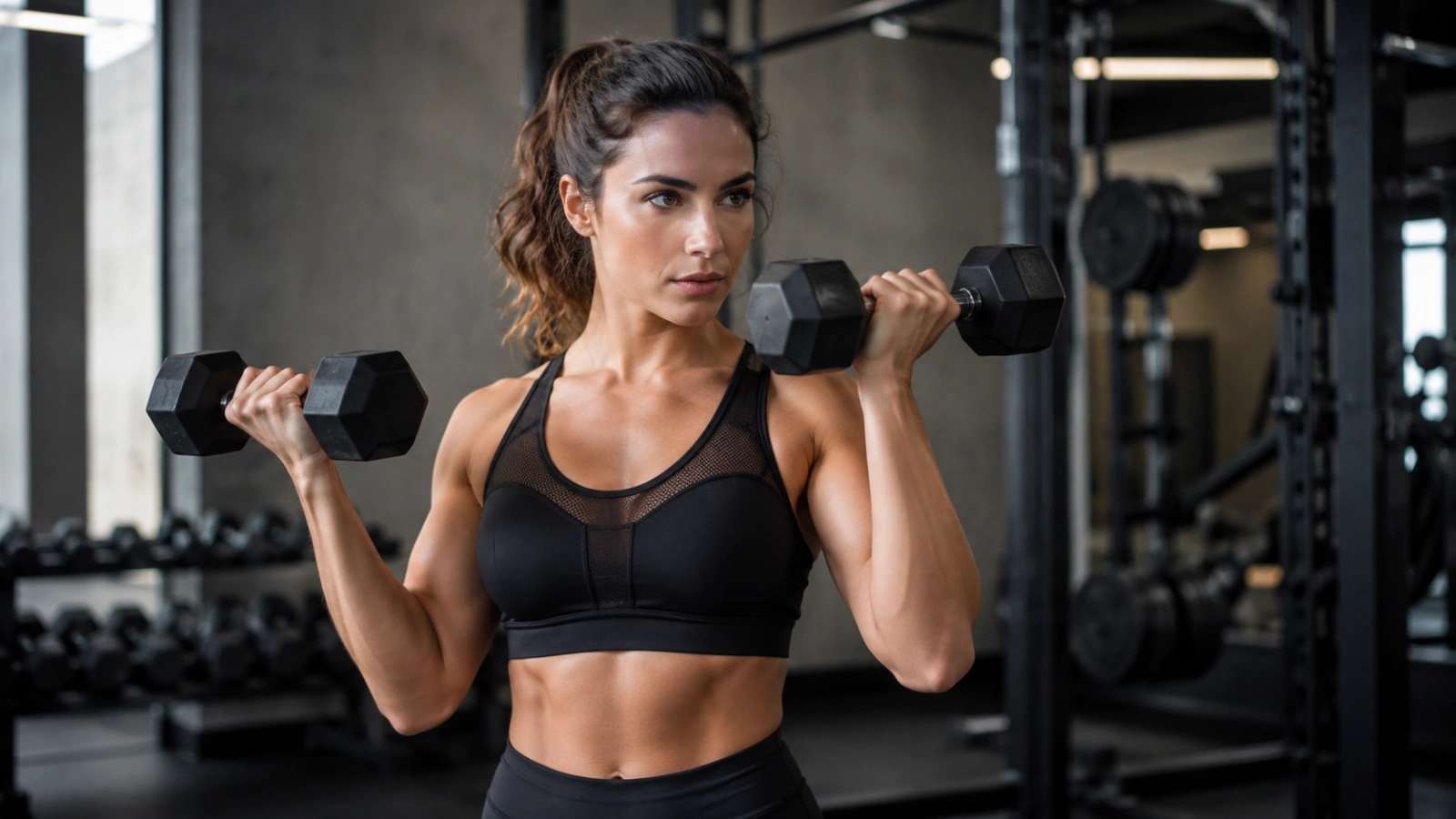
Weight lifting is a form of resistance training. You apply force against an external load, and your muscles adapt in response. Over time, those adaptations mean stronger, larger, more capable muscle tissue. Simple in theory. Genuinely life-changing in practice.
The term gets used loosely, sometimes as a synonym for any gym workout, sometimes to describe competitive barbell sport. For most people, it simply means using weights or other forms of resistance to build physical capacity. That definition is broad enough to include a beginner doing goblet squats with a kettlebell and an experienced lifter maxing out on the deadlift platform.
How Weight Lifting Works
When you lift weights, you create small amounts of stress in your muscle fibers. The body reads this stress as a signal to repair and reinforce those fibers, a process that happens primarily during rest. The result, over repeated training sessions, is progressive muscle growth and increased strength. This is not a theory. It is a well-documented physiological process called muscular hypertrophy, and it applies to everyone regardless of age or starting fitness level.
The key variable is progressive overload: gradually increasing the challenge over time, either by adding weight, doing more reps, or reducing rest. Without progression, adaptation stalls. With it, the improvements compound.
Types of Weight Lifting
There is no single version of the practice. Depending on your goals and equipment, you might use:
- Free weights (barbells, dumbbells, kettlebells) for the widest range of movement patterns
- Machines, which guide the movement path, work well for beginners learning muscle isolation.
- Bodyweight resistance, which uses your own mass as the load
- Olympic lifting, a competitive discipline focused on the snatch and clean-and-jerk
- Powerlifting, which centers on the squat, bench press, and deadlift
Top Benefits of Weight Lifting
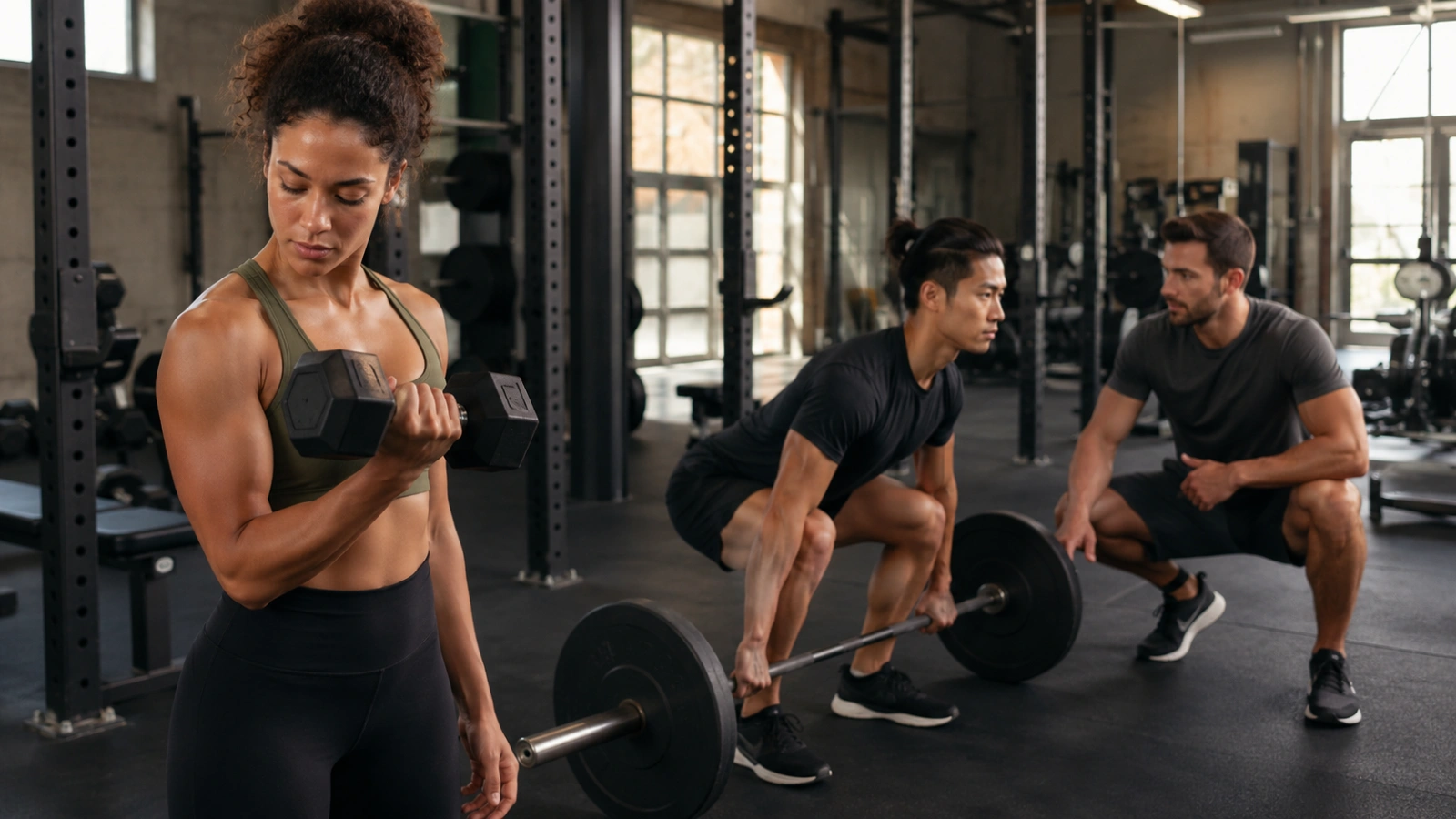
The case for regular weight training is not just about aesthetics. The research behind resistance training touches nearly every dimension of long-term health, from cardiovascular function to cognitive performance. Here are the benefits that matter most.
1. Builds Muscle and Strength
This is the obvious one, but it is worth understanding why it matters beyond the mirror. Muscle is metabolically active tissue. More of it means your body burns more energy at rest, supports your joints more effectively, and handles physical tasks with less strain. Strength gains also tend to translate directly into quality of life, making everyday movement easier and reducing fatigue.
2. Increases Metabolism
Lean muscle raises your resting metabolic rate. Unlike fat tissue, muscle requires energy to maintain itself around the clock. Studies consistently show that individuals with more muscle mass burn more calories at rest than those with less, even when body weight is similar. This is one reason weight lifting benefits extend beyond the gym session itself.
3. Helps Burn Fat
Weight lifting is not the most efficient calorie burner during the workout itself. Cardio wins that comparison. But resistance training triggers an afterburn effect, technically called excess post-exercise oxygen consumption (EPOC), where your body continues burning elevated calories for hours after you finish. Combined with the metabolism boost from added muscle, weight training creates a fat-loss environment that cardio alone cannot replicate.
4. Improves Bone Density
Bone responds to mechanical stress the same way muscle does: by growing stronger. Weight training applies that stress through load-bearing movement, which stimulates bone mineral density. This matters enormously as you age. Osteoporosis affects millions, particularly women after menopause, and regular resistance training is one of the most effective non-pharmaceutical interventions for reducing that risk.
5. Supports Heart Health
Cardiovascular benefits from weight lifting are often overlooked because cardio gets all the heart-health attention. But resistance training has been shown to lower blood pressure, improve cholesterol profiles, and reduce resting heart rate over time. The American College of Sports Medicine recommends strength training as part of a complete cardiovascular health strategy, not just an add-on.
6. Improves Mental Health and Confidence
The psychological effects of lifting are measurable and meaningful. Research links regular resistance training to reduced symptoms of anxiety, depression, and low self-esteem. Part of it is hormonal: intense exercise triggers endorphin and dopamine release. Part of it is psychological: mastering a difficult movement or hitting a personal best builds genuine confidence that carries into other areas of life.
7. Improves Posture and Balance
Most people spend large portions of the day sitting, which gradually weakens the posterior chain, the muscles running along the back of your body. Weight training, particularly compound movements like rows and deadlifts, directly targets these muscles, counteracting the slumped posture that sedentary habits create. Stronger stabilizer muscles also improve balance and proprioception, which become increasingly valuable with age.
8. Supports Healthy Aging and Longevity
Sarcopenia, the progressive loss of muscle mass with age, begins as early as your thirties and accelerates after fifty. The downstream effects include frailty, falls, metabolic decline, and loss of independence. Weight training is the single most effective countermeasure available. Studies on adults in their seventies and eighties consistently show that resistance training reverses sarcopenic decline and improves functional capacity, sometimes dramatically.
9. Reduces Risk of Injury
Stronger muscles, tendons, and connective tissue mean a more resilient body. Regular weight training exercises reinforce the joints most commonly injured in daily life and sport, particularly the knees, hips, shoulders, and lower back. Athletes who incorporate resistance training into their routines experience fewer overuse injuries and faster recovery when injuries do occur.
How Many Calories Does Weight Lifting Burn?
Calorie burn during a weight-lifting session varies more than most people expect. It is not as predictable as running, where pace and distance give you a fairly clean estimate. With resistance training, intensity, load, rest periods, and muscle mass all shift the number significantly.
As a general benchmark, a moderate-intensity lifting session burns roughly 180 to 300 calories per hour for most adults. High-intensity sessions with shorter rest periods and compound lifts can push that past 400 calories. The weight lifting calories burned figure you see on a fitness tracker is typically an approximation at best.
Calories Burned by Workout Intensity
| Intensity Level | Approx. Cal/hr (150 lb) | Approx. Cal/hr (200 lb) | Example Session |
| Light | 130-180 | 170-230 | Machine circuits, long rests |
| Moderate | 180-260 | 240-330 | Compound lifts, 90s rests |
| High | 260-360 | 330-450 | Supersets, 45s rests |
| Very High | 360-450+ | 450-550+ | Circuit training, minimal rest |
Best Weight Lifting Exercises for Beginners
Beginners should focus on compound exercises because they train multiple muscles at once and build overall strength faster. These movements improve coordination, stability, and functional fitness while creating a strong foundation for advanced training.
Squats
Squats are one of the best lower-body exercises for building strength and stability. They target the quads, hamstrings, glutes, and core while improving balance and mobility.
Deadlifts
Deadlifts are highly effective for total-body strength and posture improvement. They mainly train the back, glutes, hamstrings, and grip strength while teaching proper hip hinge mechanics.
Bench Press
The bench press is a foundational upper-body pushing exercise that strengthens the chest, shoulders, and triceps. Beginners often benefit from starting with dumbbells to improve balance and control.
Shoulder Press
Shoulder presses build upper-body strength and shoulder stability. Learning proper overhead pressing technique helps improve posture and reduce injury risk.
Rows
Rows strengthen the upper back, lats, rear shoulders, and biceps, helping improve posture and pulling strength. They also balance pushing exercises like the bench press.
Lunges
Lunges develop single-leg strength, balance, and coordination while correcting muscle imbalances. Reverse and walking lunges are beginner-friendly options that are easier on the knees.
How to Start Weight Lifting Safely

Starting weight lifting with the right approach helps you build strength safely and consistently. A proper plan, good form, and patience are more important than lifting heavy in the beginning.
Choose the Right Weight
Picking the correct weight helps you train effectively without risking injury. The goal is to feel challenged while still maintaining proper form.
Learn Proper Form
Proper form improves results and protects your joints and muscles from unnecessary strain. Beginners should focus on movement quality before increasing weight.
Start With Compound Exercises
Compound exercises train multiple muscle groups at once, making them ideal for building overall strength. They also burn more calories and improve coordination.
How Often Should Beginners Lift?
Training frequency matters because muscles need both effort and recovery to grow. Beginners usually see the best results with balanced, manageable routines.
Recovery, Sleep, and Nutrition
Recovery is where muscle growth and strength improvements actually happen. Sleep and proper nutrition are just as important as the workout itself.
Common Weight Lifting Mistakes to Avoid
Many beginners slow their progress by repeating the same avoidable mistakes. Understanding these issues early helps improve results and reduce injury risk.
Lifting Too Heavy Too Soon
Trying to lift too much weight too early often leads to poor form and injuries. Strength should be built gradually through consistent progress.
Skipping Warm-Ups
Warm-ups prepare your body for exercise by improving blood flow and mobility. Even a few minutes can improve performance and reduce injury risk.
Poor Exercise Form
Bad technique places stress on joints and connective tissues instead of muscles. Maintaining proper form should always matter more than lifting heavier weights.
Training Without Recovery
The body needs time to repair and adapt after training sessions. Without enough recovery, performance and progress can decline over time.
Ignoring Progressive Overload
Your body adapts quickly to repeated workouts, so training must gradually become more challenging. Small increases in weight, reps, or intensity drive long-term progress.
Also Read
Cardio vs. Weights: Which Burns More Calories?
Cardio for Weight Loss: Practical Steps to See Real Results Fast
Support Your Strength Goals with Smarter Nutrition Tracking

Building strength in the gym is only part of the process. Your nutrition, especially your protein intake, plays a major role in muscle recovery, performance, and long-term progress. That’s where Calorie Tracker Buddy can help.
Many people either underestimate or overestimate how much protein they actually need. Tracking your intake doesn’t mean obsessing over food; it simply helps you stay consistent and aligned with your fitness goals.
With Calorie Tracker Buddy, you can:
- Track your daily protein intake with ease.
- Monitor calories and macros in one place.
- Set nutrition goals based on your body weight and fitness targets.
- Build healthier eating habits that support muscle growth and recovery.
Whether your goal is building muscle, losing fat, or improving overall fitness, combining weight lifting with proper nutrition tracking can help you see better and more sustainable results.
Weight Lifting for Different Goals
Weight lifting can be adjusted to support fat loss, muscle growth, strength, or overall fitness. The key is aligning your training and nutrition with your specific goal.
Weight Lifting for Fat Loss
Strength training helps burn calories while preserving muscle during a calorie deficit. Compound exercises and consistent workouts are especially effective for fat loss.
Weight Lifting for Muscle Growth
Building muscle requires progressive training, proper nutrition, and enough recovery. Moderate weights with controlled reps are commonly used for hypertrophy.
Weight Lifting for Women
Strength training helps women build lean muscle, improve bone density, and boost confidence. It creates a toned physique without causing excessive bulk.
Weight Lifting After 40
Resistance training becomes more important with age because it helps maintain muscle mass and joint health. Proper recovery and smart programming are essential.
Weight Lifting at Home vs Gym
Both home and gym workouts can produce excellent results when done consistently. The best option is the one that fits your lifestyle and keeps you motivated.
Conclusion:
Weight lifting is much more than just an exercise for building muscle. It’s a powerful tool that enhances your overall health, from boosting your metabolism and strengthening your bones to improving posture, energy levels, and mental well-being. But its impact goes even further; it helps you maintain mobility and independence as you age, reduces stress, and fosters self-confidence with every workout.
Whether you’re a beginner or returning after a break, the benefits of weight lifting are within your reach. Start with small steps, focus on consistency, and watch how it transforms not just your body, but your life. Ready to lift your way to a healthier, stronger you? There’s no better time than now to start reaping the life-changing benefits of weight training.
Frequently Asked Questions
Can beginners lift weights every day?
Not optimally. Muscles need time to repair and grow after training, which typically takes 48 to 72 hours per muscle group. Beginners following a full-body program do well training three days per week on non-consecutive days. More advanced lifters can train more frequently by splitting muscle groups across sessions, but daily full-body training without rest is counterproductive for almost everyone.
What are the best weight-lifting exercises for beginners?
The most effective starting exercises are compound movements: squats, deadlifts, bench press, shoulder press, rows, and lunges. These weight-lifting exercises train multiple muscle groups simultaneously, build functional strength quickly, and provide the broadest foundation for later specialization.
Is weight lifting better than cardio?
It depends on your goal. Weight lifting builds muscle, raises long-term metabolism, and produces greater functional strength. Cardio burns more calories during the session and has excellent cardiovascular benefits. For most health and body composition goals, combining both produces better outcomes than choosing one exclusively.
How long does it take to see results from weight lifting?
Strength gains often appear within two to three weeks, primarily because the nervous system learns to recruit muscle more efficiently before actual muscle growth kicks in. Visible physical changes typically become noticeable to others around the six to twelve week mark with consistent training and adequate nutrition. Meaningful body composition changes usually take three to six months of consistent effort.
Can women lift weights without getting bulky?
Yes, definitely. Women do not have the hormonal profile required to build the kind of muscle mass that the word bulky implies. What weight lifting produces in women is a leaner, more defined physique alongside the full range of health benefits. Many women who have avoided weights for this reason report that starting resistance training was one of the most positive changes they made to their fitness routine.