



A fitness trainer can be the difference between a fitness journey that sticks and one that quietly fizzles out after a few weeks. With so many qualifications, specialities, and coaching styles available today, finding someone who genuinely understands your goals, your body, and your lifestyle isn’t always straightforward. A great fitness trainer does more than design workouts; they hold you accountable, adjust your plan as you progress, and help you build habits that actually last. Whether you’re chasing weight loss, strength gains, or simply want expert guidance, this guide walks you through exactly what to look for, what questions to ask, and how to find someone who’s the right fit for you.
Listen to the Podcast!
Why the Right Fitness Trainer Makes All the Difference
Not all trainers are created equal, and the difference between a good fit and a poor one shows up quickly. A skilled fitness trainer doesn’t just hand you a generic workout sheet; they assess your current fitness level, understand any injuries or limitations, and build a programme specifically around your goals and capabilities.
Beyond programming, the right trainer also brings accountability and motivation that’s genuinely hard to replicate alone. Research consistently shows that people who train with professional guidance are significantly more likely to stick with their fitness routine long-term compared to those going it alone. The relationship matters just as much as the expertise.
Define Your Fitness Goals Before You Start Searching
Before approaching any trainer, get clear on what you actually want to achieve. Are you training for weight loss, muscle building, athletic performance, injury recovery, or general health improvement? Each goal requires different expertise.
A trainer who specialises in bodybuilding may not be the ideal fit for someone recovering from a knee injury. Similarly, someone focused purely on weight loss programming might not have the depth needed for serious strength training goals. Write down your top one or two priorities before you start looking. This single step narrows your search dramatically and helps you ask far more targeted questions during initial consultations.
Key Qualifications to Look For
Certifications matter, but they’re not the only thing worth checking. Here’s what to verify before committing to anyone:
- Recognised certification – Look for credentials from established bodies; this confirms a baseline of safety and training knowledge.
- Specialisation relevant to your goal – Weight loss, strength training, rehabilitation, and sports performance all require different expertise.
- CPR and first aid certification – Non-negotiable for anyone supervising physical exertion.
- Experience with your specific situation – Ask directly whether they’ve worked with clients who share your goals, age group, or health considerations.
- Continuing education – Fitness science evolves; trainers who stay updated tend to deliver better, safer programming.
One-on-One Coaching vs Group Classes: Which Is Right for You?
Personal training offers individualised attention that group settings simply can’t match. Your programme is built entirely around your body, your goals, and your pace with real-time form correction and adjustments every session from your dedicated fitness trainer.
That said, working one-on-one isn’t the only path to results. Group classes offer community motivation and are typically more affordable, while semi-private sessions strike a balance between individual attention and cost. If you have specific goals, injuries, or simply prefer focused guidance, hiring a dedicated coach is usually worth the investment. If budget is tight or you thrive on group energy, structured classes can still deliver meaningful results.
Personal Training Gym vs Independent Trainers
Where your trainer operates matters more than many people realise. A personal training gym typically offers access to a full range of equipment, a structured environment, and often additional staff support if your regular trainer is unavailable.
Independent trainers, on the other hand, may offer more flexibility, meeting at your home, a local park, or a smaller studio space. They’re often slightly more affordable since they don’t carry gym overhead costs. Neither option is inherently better; it depends on whether you value variety of equipment and structure or flexibility and a more personal, one-on-one relationship outside a commercial setting.
Exploring Personal Training Online
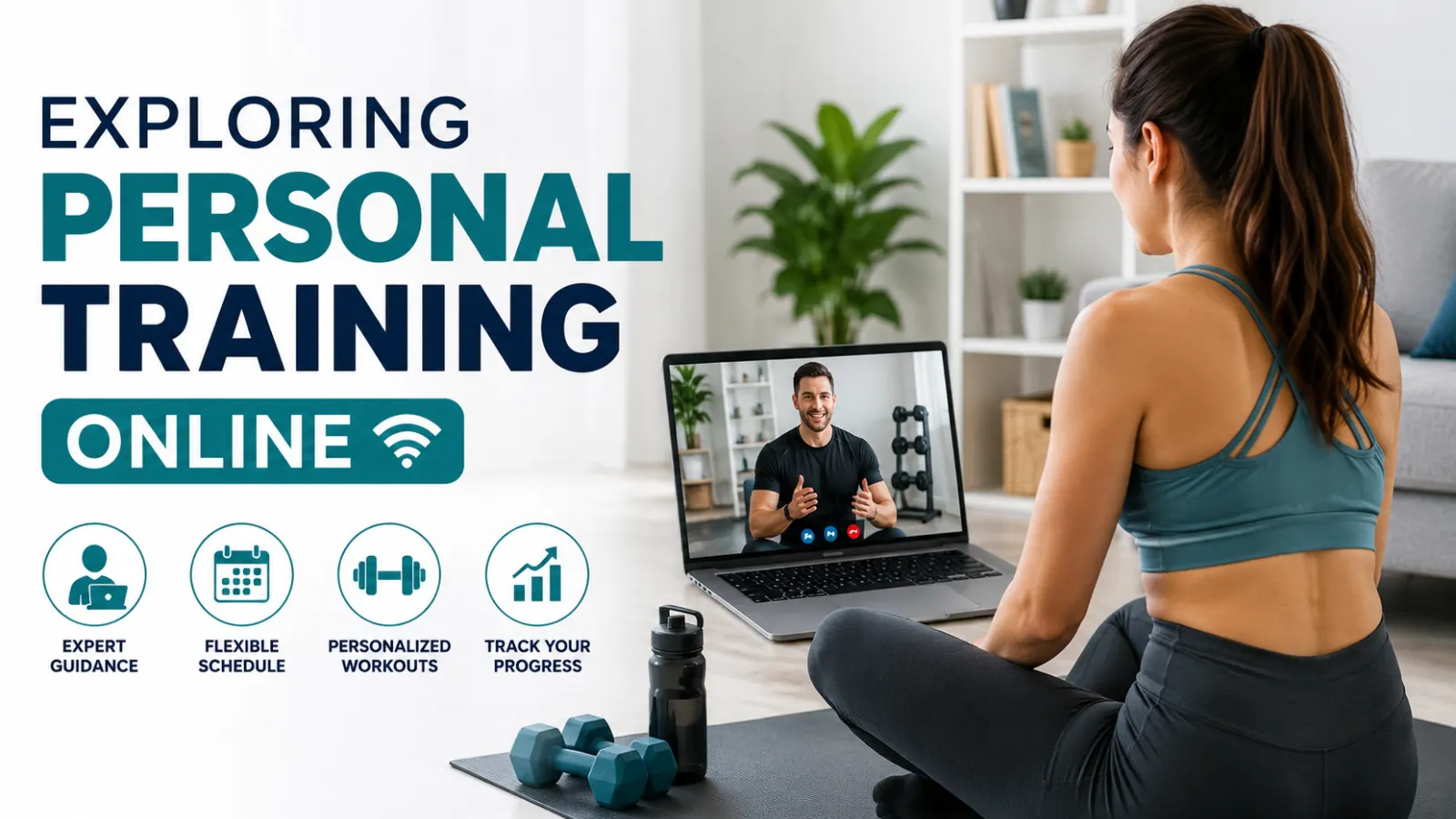
The rise of virtual coaching has made personal training online a genuinely viable option for many people, particularly those with busy schedules or limited access to local trainers. Video check-ins, app-based programming, and remote form review have made it possible to get expert guidance from almost anywhere.
This format works particularly well for self-motivated individuals who don’t need constant in-person supervision but still want expert programming, accountability check-ins, and structured progress tracking. It’s typically more affordable than in-person sessions, too, since trainers can work with more clients without travel or facility constraints, making expert-level personal fitness training more accessible than ever before.
Questions to Ask Before Hiring Any Fitness Trainer
A short consultation reveals a great deal about whether a trainer is right for you. Don’t hesitate to ask.
- Approach to programme design: A good answer reflects genuine personalisation, not a one-size-fits-all template applied to every client.
- Track progress: Look for trainers who use measurable methods, strength benchmarks, body composition, or performance metrics, not just visual estimation.
- Happens if I plateau: Strong trainers have a clear strategy for adjusting programming when progress stalls.
- Client testimonials or before-and-after results: Genuine social proof says more than any sales pitch.
- Cancellation and scheduling policy: Practical details matter for the long-term sustainability of the relationship.
Read More:
How Calorie Tracker Buddy Supports Your Training Journey
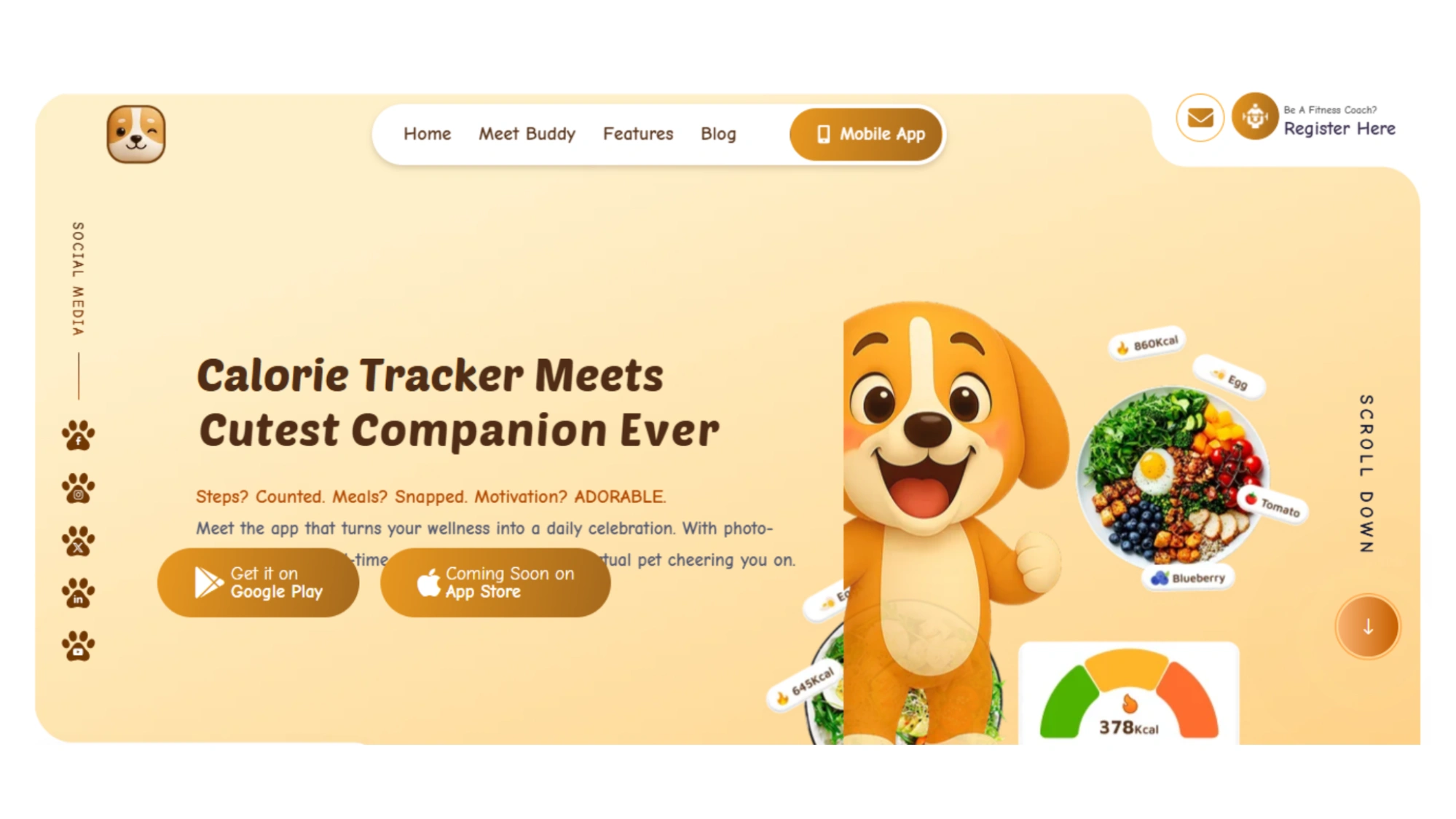
Working with a great trainer becomes even more effective when you’re tracking your nutrition and recovery alongside your workouts. Calorie Tracker Buddy is a fitness and nutrition app designed to make that part of the journey genuinely enjoyable rather than tedious.
Here’s how Calorie Tracker Buddy complements your work with a fitness professional:
- Snap the Meal – Point your camera, tap once, and your food is instantly scanned for calories, nutrients, and balance, perfect for staying accountable between sessions.
- Calorie Intake Tracker – Track what’s on your plate in seconds and see instant feedback on how it fits your daily goals.
- Calorie Burn Tracker – Every movement counts, from your workouts to daily activity, tracked automatically alongside your intake.
- Goal Predictions – See exactly how each meal and workout impacts your progress, giving your trainer clearer data to work with.
- Connect with Experts – Discover and chat directly with fitness and nutrition experts through the in-app Expert Feed, complete with profiles, real-time messaging, and secure UPI payments.
- Virtual Buddy Companion – A motivating virtual pet that grows with every healthy choice, keeping consistency fun even on tough training weeks.
- Available on iOS and Android – Download for free and start logging your fitness journey alongside your training programme today.
Whether you’re working with an in-person fitness trainer or coaching remotely, Calorie Tracker Buddy gives you the daily data and motivation to make every session count.
Red Flags to Watch For
Not every fitness trainer is the right fit, and some warning signs are worth taking seriously. Be cautious of anyone who promises unrealistic results in unrealistic timeframes, refuses to discuss qualifications, or pushes supplement sales aggressively during sessions.
A genuinely good fitness trainer prioritises your safety, listens to your concerns, and adjusts programming based on how your body actually responds not a rigid script applied to every client regardless of progress or feedback.
Conclusion
Choosing the right fitness trainer comes down to clarity on your goals, careful vetting of qualifications, and genuine compatibility in communication style and approach. Whether you choose in-person coaching at a dedicated facility or a remote arrangement, the right partnership accelerates real, lasting progress. Pairing expert guidance with consistent tracking through tools like Calorie Tracker Buddy gives you the complete picture you need to succeed.
Frequently Asked Questions (FAQs)
Q1. How much does a fitness trainer typically cost?
Costs vary widely based on location, experience, and format in-person sessions are typically priced higher than online coaching options.
Q2. Is hiring a fitness trainer worth it for beginners?
Yes. Beginners often benefit most from professional guidance, as proper form and structured progression reduce injury risk significantly.
Q3. Can I switch fitness trainers if it’s not working out?
Absolutely. A trainer-client relationship should feel productive and comfortable; switching is completely reasonable if your needs aren’t being met.
Q4. Does Calorie Tracker Buddy connect users with fitness trainers?
Yes. The app’s Expert Feed allows users to discover, chat with, and connect with verified fitness and nutrition professionals directly within the platform.