


Fitness in 2026 looks nothing like it did five years ago. Thanks to breakthroughs in artificial intelligence, wearable health technology, and a cultural pivot toward longevity over aesthetics, the way people train, recover, and think about their bodies has fundamentally transformed.
From AI-powered personal trainers that adapt in real time to your biometrics, to recovery-first routines that prioritize sleep and mobility over sweat, the biggest fitness trends of 2026 are smarter, more personalized, and more sustainable than ever before.
Whether you are a seasoned athlete or just getting started on your wellness journey, understanding these shifts can help you make better decisions about how you move, eat, and recover.
This guide covers the most impactful fitness and wellness trends shaping 2026, from cutting-edge AI tools to simple lifestyle habits that are quietly transforming millions of lives.
In a hurry? Listen to the blog instead!
Why Fitness Trends Are Changing in 2026
The fitness industry has always evolved, but the pace of change in 2026 is unprecedented. Several converging forces are driving this transformation.
The most significant shift is cultural: people are no longer training primarily for appearance.
The pursuit of longevity, disease prevention, and mental resilience has taken center stage. This is partly fueled by an aging global population and a surge in research showing that regular, moderate exercise dramatically extends both lifespan and healthspan.
Technology is the other major catalyst. AI and wearable devices have made personalized health data accessible to everyday users, not just elite athletes. Remote work has also reshaped fitness habits, with people building movement into their home environments rather than commuting to gyms. Mental health awareness has further blurred the line between physical and psychological wellness, pushing recovery, breathwork, and mindfulness into the mainstream fitness conversation.
Also Read!
The Ultimate Workout Schedule Guide for Beginners to Pros
10 Best Exercises to Include in Your Routine for Strength, Fat Loss, and Energy
AI Fitness Trends Transforming Workouts in 2026
Artificial intelligence is no longer a novelty in fitness. It is the backbone of how millions of people now plan, execute, and optimize their workouts.
Best AI Fitness Apps People Are Using in 2026
AI-powered fitness apps have evolved from simple workout loggers into sophisticated coaching platforms. Apps now analyze your movement patterns using phone cameras, adjust workout intensity based on your heart rate variability, and generate weekly training plans that shift dynamically based on your recovery scores, stress levels, and sleep quality. Leading platforms offer conversational AI coaches that answer questions, troubleshoot pain points, and celebrate milestones in real time.
How AI Wearables Improve Workout Performance
Smart wearables in 2026 go far beyond counting steps. Advanced smartwatches and fitness rings now track blood oxygen saturation, skin temperature, respiratory rate, and even early signs of illness.
This biometric data feeds into AI engines that flag overtraining risks, recommend optimal workout windows, and predict how your body will respond to different types of training. The result is a deeply personalized feedback loop that was previously available only to professional sports teams.
AI Fitness Coaches vs Traditional Trainers
AI coaches offer 24/7 availability, consistent feedback, and data-driven programming at a fraction of the cost of human trainers. However, human trainers still hold significant advantages in areas like motivation, emotional intelligence, and nuanced movement correction. The most effective approach in 2026 is a hybrid model: AI handles daily programming and tracking while human coaches provide periodic check-ins, accountability, and technique refinement.
Wellness Trends 2026 Focused on Recovery and Longevity
Why Recovery Is the Biggest Wellness Trend in 2026
Recovery has graduated from an afterthought to the centerpiece of modern fitness culture. Research continues to confirm that the body does not improve during exercise itself but during the rest periods that follow.
Overtraining syndrome, once dismissed as a problem only for elite athletes, is now recognized as widespread among recreational gym-goers who prioritize intensity over rest. As a result, wellness routines in 2026 are deliberately structured around sleep quality, active recovery days, stress management, and nervous system health.
Biohacking and Smart Recovery Devices
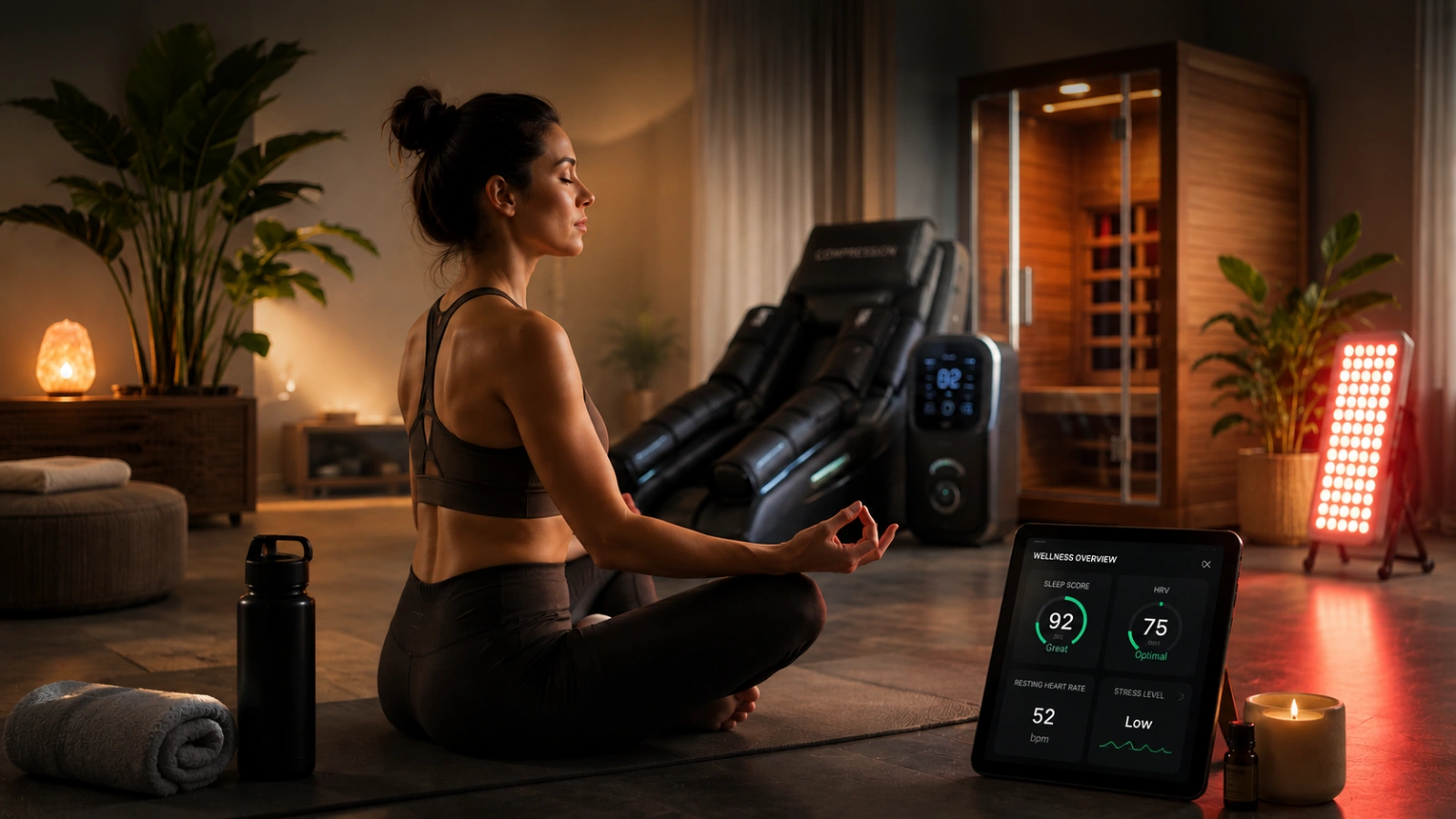
Recovery technology has exploded. Percussion massage guns, portable infrared saunas, smart compression boots, and red light therapy panels have become standard home wellness equipment for health-conscious individuals.
Cold plunge tubs saw massive mainstream adoption in the early 2020s and remain popular, now enhanced by AI-guided protocols that monitor optimal exposure times. These tools are no longer niche biohacker accessories but practical recovery investments backed by growing scientific evidence.
Mental Wellness and Fitness Integration
The psychological dimension of fitness is now inseparable from the physical. Breathwork practices like box breathing and physiological sighing are being built into pre- and post-workout routines. Mindfulness and meditation apps have integrated with fitness platforms, offering guided sessions timed around workouts. Sleep tracking has become arguably the most important fitness metric, with leading health coaches now saying that no amount of exercise compensates for chronic poor sleep.
Watch the Calorie Tracker Buddy video to see how easy AI calorie tracking can be.
Weight Loss Trends 2026 That Actually Work
The weight loss conversation has matured significantly. Crash diets and extreme cardio programs have largely lost cultural credibility, replaced by evidence-based strategies that prioritize body composition, metabolic health, and sustainability.
Why Walking Is Replacing Extreme Cardio
Walking has emerged as the most underrated fat-loss tool. Zone 2 cardio, which means steady-state exercise at a comfortable conversational pace, is now strongly favored by sports scientists for its ability to burn fat efficiently without spiking cortisol or impairing recovery.
Daily step targets of 8,000 to 10,000 steps have proven remarkably effective for weight management without the injury risk or recovery demands of high-intensity interval training.
Smart Weight Loss Wearables and Apps
Metabolism tracking technology has advanced to the point where continuous glucose monitors, once used only by diabetics, are now used by health-conscious individuals to understand how their bodies respond to different foods. This data, combined with AI-driven nutrition apps, enables genuinely personalized eating strategies rather than generic calorie counting.
Smart scales now measure body fat percentage, muscle mass, and hydration levels, providing a far more complete picture of progress than weight alone.
Muscle-Preserving Fat Loss Strategies
The fitness community has widely adopted the understanding that preserving muscle mass during fat loss is critical for long-term metabolic health. High-protein diets, progressive strength training, and strategic calorie deficits that avoid excessive restriction are the pillars of effective fat loss in 2026.
The era of cardio-dominated weight loss programs is giving way to resistance training as the foundation, supported by smart nutrition timing and recovery protocols.
Healthy Lifestyle Trends Everyone Is Adopting
Healthy Habits People Are Following in 2026
Habit stacking has become a cornerstone of wellness culture. Rather than dramatic lifestyle overhauls, people are layering small, science-backed habits into existing routines. Morning sunlight exposure, consistent sleep and wake times, hydration protocols, brief mobility sessions between work calls, and daily walks have replaced aspirational but unsustainable routines built around hour-long gym sessions five days a week.
The Rise of Holistic Wellness Routines
Wellness in 2026 is increasingly viewed as a whole-system practice. Gut health, hormonal balance, circadian rhythm optimization, and emotional regulation are all considered part of a fitness plan. Integrative approaches that combine modern sports science with traditional practices like yoga, Ayurveda, and cold exposure have gained mainstream acceptance. The goal is not peak performance in isolation but a state of consistent vitality across all domains of health.
How Remote Workers Are Staying Active
With remote and hybrid work remaining the norm, people have developed creative strategies to embed movement into their workdays. Standing desks, walking meetings, 5-minute mobility breaks every hour, and lunchtime workout blocks have become standard practices.
Many companies now actively support employee wellness programs that include fitness stipends, virtual workout classes, and wearable device subscriptions as part of their benefits packages.
AI Calorie Tracking Apps Are Changing Fitness In 2026
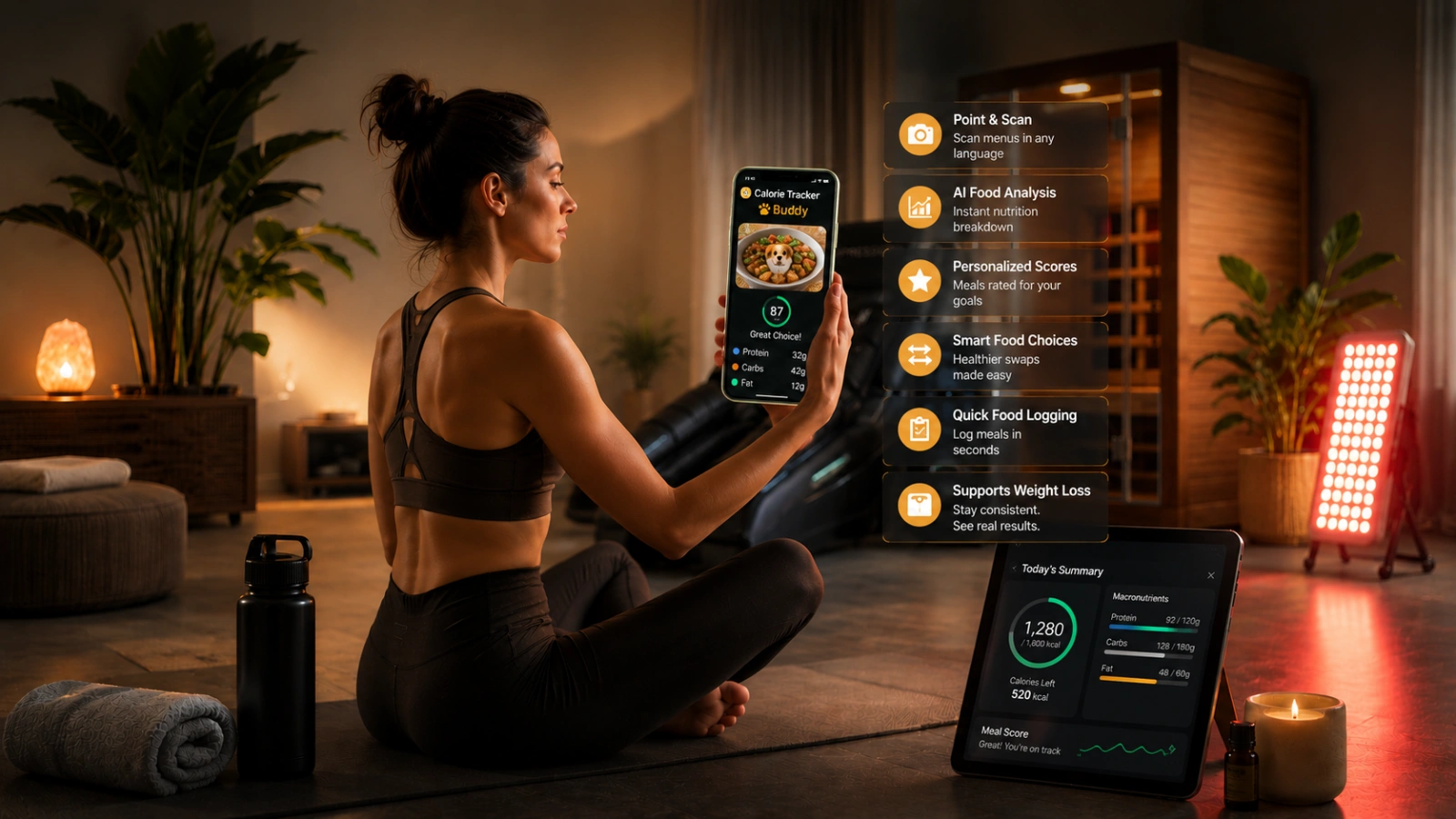
AI-powered calorie tracking apps are becoming one of the biggest new fitness trends in 2026. Instead of manually counting calories or searching through long food lists, people can now simply scan meals with their phones and get instant nutrition details. This makes healthy eating faster, easier, and much less stressful.
One tool gaining popularity in this space is Calorie Tracker Buddy. The app uses AI to analyze meals, estimate nutrition values, and help users make smarter food choices based on their personal fitness goals. It is designed for people who want a simple and practical way to stay on track with their health and weight-loss journey.
How Calorie Tracker Buddy Works
Point & Scan: Users can scan restaurant menus directly with their phone camera. The AI can read printed, handwritten, and even foreign-language menus.
AI Food Analysis: The app automatically estimates calories, protein intake, carbs, and fat for each dish.
Personalized Scores: Meals are rated based on your daily fitness or calorie goals, making it easier to choose the right option.
Smart Food Choices: The app suggests healthier swaps and helps users make balanced decisions without strict dieting.
Quick Food Logging: Meals can be logged instantly without manual searching or complicated calorie counting.
Supports Weight Loss Goals: The app helps users stay consistent with healthy eating habits and sustainable weight management.
Smart Wearables and Fitness Technology Trends
Wearable technology has become the command center of modern fitness. The latest generation of devices in 2026 is less about tracking and more about predicting and prescribing.
Advanced smartwatches now feature non-invasive blood glucose monitoring, ECG capabilities, and stress detection through heart rate variability analysis. Smart rings have gained enormous popularity for their comfort and accuracy in overnight recovery tracking. AI-integrated health dashboards aggregate data from multiple devices and apps into a single unified view, identifying patterns and flagging anomalies that warrant medical attention. The connected fitness ecosystem continues to grow more seamless, with gym equipment, home devices, apps, and wearables sharing data in real time to create comprehensive health profiles.
Hybrid Fitness and Smart Home Workout Trends
The pandemic permanently altered the relationship between people and gyms, and the hybrid fitness model that emerged has only strengthened in 2026. Consumers now expect flexibility, accessing both in-person and at-home workout options through unified memberships.
Smart home gym equipment has become sophisticated enough to rival commercial gym setups. Interactive fitness mirrors deliver live and on-demand classes with real-time form feedback powered by computer vision. Connected rowing machines, stationary bikes, and treadmills gamify endurance training through immersive virtual environments. Virtual reality fitness experiences, while still a niche category, are growing rapidly as headset technology improves and content libraries expand.
New Fitness Trends in India Growing Rapidly in 2026
India presents a unique and fast-moving fitness landscape in 2026. Affordable smartphone penetration and a young, health-aware population are driving rapid adoption of fitness technology previously considered exclusive to Western markets.
Popular Fitness Trends Among Young Indians
Urban Indian millennials and Gen Z consumers are embracing AI fitness apps, YouTube workout creators, and budget-friendly wearables at a remarkable speed. The integration of traditional wellness practices, particularly Ayurveda and yoga, with modern fitness science has created a distinctly Indian wellness identity. Home workout culture, accelerated by the pandemic, remains strong in metros like Mumbai, Bengaluru, and Delhi, where gym access can be expensive or logistically inconvenient.
Budget-Friendly Wellness Tech in India
Indian consumers have shown a strong preference for affordable wearables from domestic and Asian brands that offer competitive health tracking features at accessible price points. Fitness startups based in India are building locally relevant solutions, including vernacular-language coaching apps, culturally adapted nutrition guidance, and community-driven accountability platforms tailored to Indian lifestyles and dietary habits.
Old Fitness Habits vs New Fitness Trends in 2026
Conclusion
The fitness trends of 2026 share a common thread: intelligence. Whether it is artificial intelligence guiding your workouts, smarter recovery protocols protecting your long-term health, or a more holistic understanding of what it means to be fit, the emphasis has shifted from more to better.
The most successful approach to fitness in 2026 is not necessarily the most extreme. It is the one that is sustainable, personalized, and aligned with how your unique body and life actually work. AI tools and wearables can accelerate your progress, but the fundamentals remain unchanged: consistent movement, quality sleep, adequate recovery, balanced nutrition, and a positive relationship with your own body.
As you explore these trends, focus on adopting what genuinely fits your lifestyle and goals rather than chasing every innovation. The best fitness routine is the one you will actually maintain. In 2026, the technology and knowledge exist to make that easier than ever before.
Frequently Asked Questions (FAQ)
Q1: What are the biggest fitness trends in 2026?
The biggest fitness trends center around intelligence, longevity, and recovery. Instead of grinding through extreme, high-intensity workouts for aesthetics alone, the focus has shifted to AI-driven personalization, Zone 2 low-intensity cardio (like smart walking), hybrid fitness models (combining home and gym data), and advanced biometric monitoring through wearables like smart rings and AI fitness coaches.
Q2: How do AI fitness apps and coaches compare to human personal trainers?
AI fitness coaches excel at 24/7 data tracking, immediate plan adjustments, and affordability. They can analyze your biometric data (like heart rate variability and sleep scores) in real time to shift your daily workout intensity. However, human trainers still provide unmatched value in emotional motivation, community accountability, and complex, nuanced movement corrections. The gold standard in 2026 is a hybrid model utilizing AI for programming and a human coach for technique and support.
Q3: Why is “Zone 2 cardio” and walking replacing HIIT in weight loss trends?
Sports science has increasingly proven that high-intensity interval training (HIIT) overload can spike cortisol levels and impair metabolic recovery. Zone 2 cardio, steady-state exercise at a conversational pace, like brisk walking, allows the body to burn fat efficiently without overstressing the central nervous system. Reaching 8,000 to 10,000 steps daily has become the preferred fat-loss strategy because it is sustainable and prevents injury.
Q4: How has the hybrid fitness model changed how people exercise?
The hybrid fitness model blends the flexibility of smart home gyms with the community aspect of traditional brick-and-mortar gyms. Consumers utilize connected home equipment (like interactive fitness mirrors or VR fitness headsets) on busy workdays, while visiting physical gym locations on weekends. All data from home workouts, gym sessions, and wearables are aggregated into a single AI health dashboard for a seamless tracking experience.