


If you’ve ever walked past the weights section at the gym and felt unsure where to start, you’re not alone. Strength training is one of the most effective ways to build muscle, protect your joints, and boost your metabolism, yet many beginners never give it a real try because it feels intimidating. The good news is you don’t need fancy equipment, a personal trainer, or years of experience to begin.
This guide covers everything you need to know, from how the process works to the exact moves you should try first, so you can skip the trial and error. Whether your goal is building muscle, losing fat, or simply feeling stronger day to day, this guide will help you get started the right way and build a routine you can actually stick with.
Listen To The Podcast Now!
What Is Strength Training and Why It Matters
Strength training is any form of Exercise that uses resistance, like dumbbells, barbells, resistance bands, or your own body weight, to build muscle strength and endurance. Unlike cardio, which mainly trains your heart and lungs, this approach focuses on your muscles, tendons, and bones.
One of the biggest strength training benefits is that it raises your resting metabolic rate, meaning you burn more calories even while sitting still or sleeping. It also improves bone density, reduces the risk of injury during everyday movement, and supports better posture by strengthening the muscles that keep your spine aligned. Regular strength training has been linked to improved mental health, better sleep quality, and more stable blood sugar levels, making it valuable for far more than just aesthetics. For beginners, understanding these benefits early on can be the motivation needed to stay consistent, since visible results usually build gradually over several weeks rather than overnight. Knowing the “why” behind each workout makes it far easier to push through the early, less exciting stages.
Best Strength Training Exercises for Beginners:
You don’t need a complicated program to see results. A handful of foundational moves can work your entire body effectively:
- Squats – target your legs, glutes, and core
- Push-ups – build chest, shoulder, and arm strength
- Deadlifts (using light weights or resistance bands) – strengthen your back and hamstrings
- Rows – improve upper back and posture
- Planks – build core stability
Start with two to three strength training sessions per week, allowing at least one rest day between sessions that target the same muscle group so your body has time to recover and rebuild. Focus on mastering proper form before adding heavier weights; a controlled, slower movement is far more valuable than lifting heavy with poor technique.
Once an exercise feels comfortable, gradually increase resistance, reps, or sets to keep challenging your muscles and avoid hitting a plateau. Warming up for five to ten minutes before each session also helps prevent strain and prepares your joints for the work ahead.
Strength Training for Fat Loss:
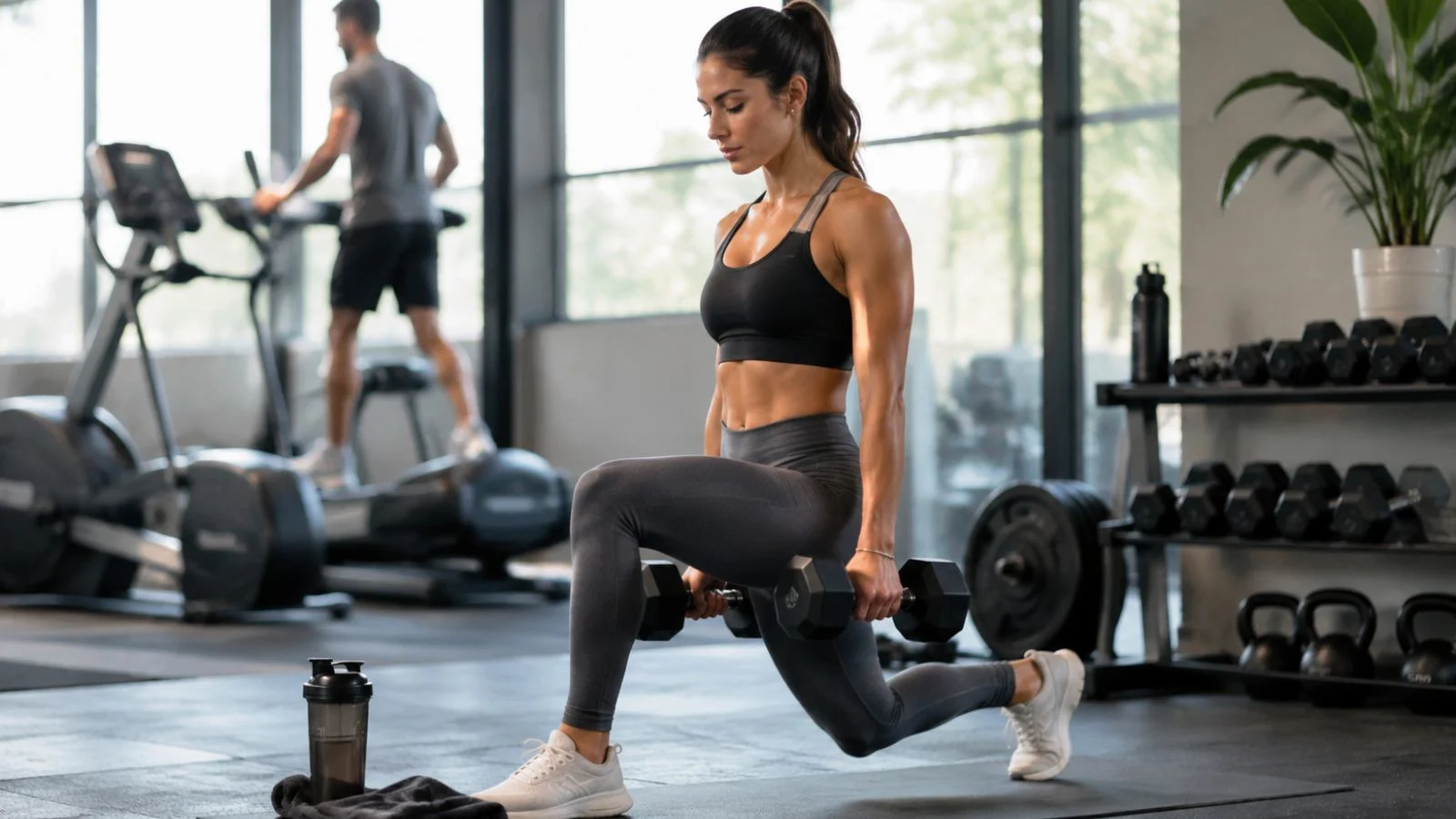
Many beginners assume cardio alone drives fat loss, but resistance work plays an equally important role, if not a bigger one. Building muscle increases the number of calories your body burns throughout the day, even during rest, because muscle tissue is more metabolically active than fat and demands more energy just to maintain itself.
Additionally, strength training helps preserve lean muscle mass while you’re in a calorie deficit, which prevents the soft, undefined “skinny fat” look that often comes from relying on cardio alone. It also shapes your body as the fat comes off, so you end up looking toned rather than just smaller. Combining resistance work with a balanced, protein-rich diet creates a sustainable strategy rather than a short-term fix, helping you maintain results and keep your metabolism strong long after you reach your goal.
Strength Training for Weight Loss:
When it comes to managing your weight long term, consistency matters far more than intensity. Two to four strength training sessions a week, combined with a slight calorie deficit and enough sleep, can produce steady, lasting results without the burnout that comes from crash dieting or excessive cardio. Unlike restrictive diets, strength training builds a stronger, more toned physique while you lose weight, rather than just making the number on the scale go down.
It also makes weight maintenance easier over time, since the more lean mass you carry from consistent training, the higher your daily calorie needs become at rest. This gives you more flexibility with your diet in the long run, without the constant fear of regaining weight the moment you relax. Pairing your workouts with realistic goals and a routine you enjoy makes it far easier to stay consistent past the first few weeks.
How to Build a Beginner-Friendly Routine:

A good routine doesn’t need to be complicated. Start by picking three non-consecutive days each week, such as Monday, Wednesday, and Friday, so your muscles get time to recover between sessions. On each day, aim to hit your major muscle groups with a mix of squats, push-ups, rows, and core work, doing two to three sets of eight to twelve reps per exercise.
Track how you feel after each workout and adjust as needed; some soreness is normal, but sharp pain is a sign to slow down. As weeks pass, note your reps, sets, and weights so you can see clear progress on paper. Small, steady increases add up to meaningful results, and a written or app-based log keeps you accountable when motivation dips.
Also Read:
Track Your Progress with Calorie Tracker Buddy:

Strength training works best when it’s paired with the right nutrition, and that’s where Calorie Tracker Buddy comes in. This AI-powered app makes it simple to track your meals, calories, and fitness progress so your workouts actually show results.
- Snap the Meal – Scan your food with your camera to instantly get calories and nutrition info
- Calorie Burn Tracker – Logs the calories you burn from workouts and daily activity
- Goal Predictions – Shows how each meal impacts your progress toward your fitness goal
- Talk to Real Coaches – Connect 24×7 with certified fitness and nutrition experts for personalized guidance
- Buddy Motivation – A virtual companion that keeps you accountable and motivated daily
Whether you’re focused on muscle gain or fat loss, Calorie Tracker Buddy helps you stay on track without the guesswork.
Conclusion:
Starting strength training doesn’t have to be overwhelming. With the right exercises, consistency, and a bit of patience, beginners can build muscle, burn fat, and improve overall health in just a few sessions a week. Pair your workouts with proper nutrition tracking, and you’ll see progress much faster.
FAQs:
Q1: How often should beginners lift weights?
Ans: Two to three sessions per week are ideal, with rest days in between so your muscles can recover and rebuild.
Q2: Can lifting weights help with weight loss?
Ans: Yes, it builds muscle, which burns more calories at rest, supporting long-term, sustainable weight loss.
Q3: Do I need a gym to get started?
Ans: No, bodyweight exercises and resistance bands work well for beginners training at home.
Q4: How soon will I see results?
Ans: Most beginners notice strength improvements within 2–4 weeks, with visible changes following soon after.