


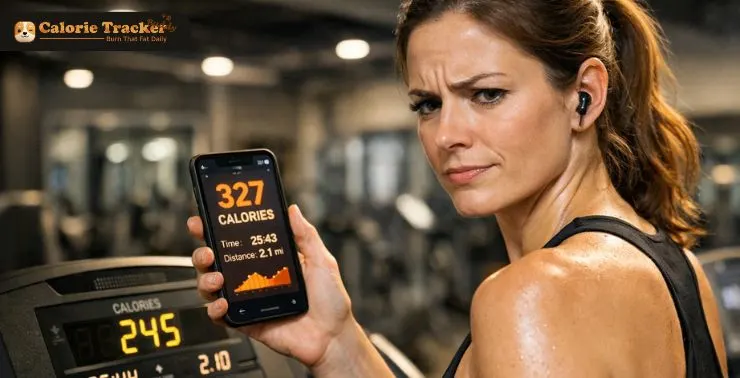
If you’ve ever checked the calories burned on a treadmill or a fitness app, you’ve probably wondered can you really trust these numbers?
Calorie counters are everywhere today, from smartwatches and mobile apps to gym equipment. They promise to simplify weight loss and fitness tracking by giving you a clear number to work with. But the truth is, not all calorie counters are created equal, and many people rely on them without understanding how they actually work.
Some people use them to lose weight, others to maintain their fitness goals, and many just out of curiosity. But whether you’re using a treadmill display or one of the many free calorie counters available online, accuracy matters more than you might think.
In this guide, we’ll break down how calorie counters work, how accurate they really are, and what you should watch out for, especially when it comes to treadmill readings. You’ll also learn how to use them more effectively so you’re not misled by inflated or underestimated numbers.
Listen to the podcast.
What Are Calorie Counters and How Do They Work?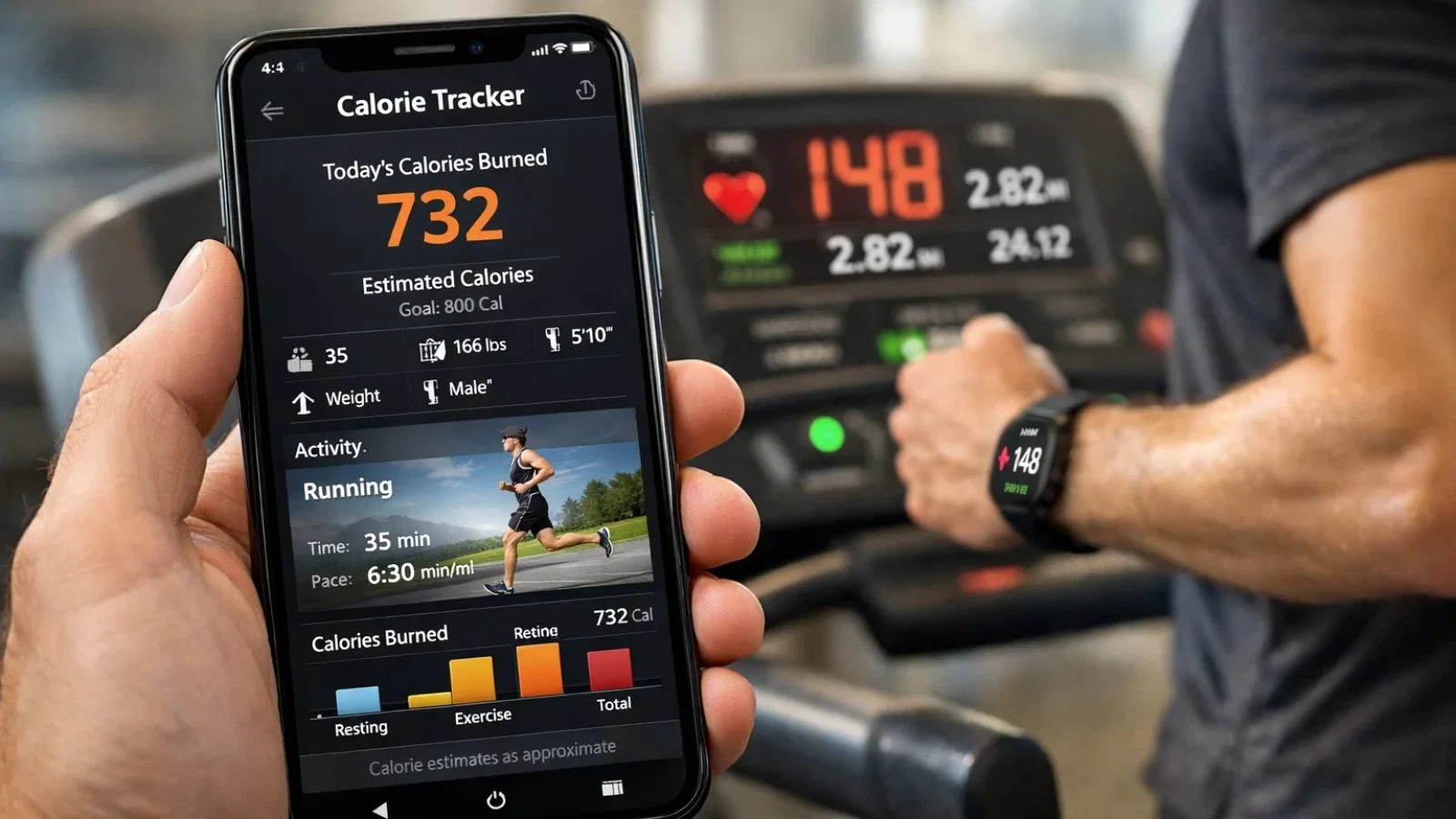
Calorie counters are tools designed to estimate how many calories your body burns during physical activity or throughout the day. These estimates are based on a mix of personal data and activity metrics.
Most calorie counters use inputs like:
- Your age
- Weight
- Height
- Gender
- Activity type and duration
From there, they apply standard formulas and metabolic equations to calculate calorie burn. For example, treadmill calorie counters often rely on speed, incline, and time to estimate energy expenditure.
Fitness apps, on the other hand, may go a step further by integrating data from wearables like heart rate monitors or step counters. This can improve accuracy, but only to a certain extent.
The biggest thing to understand is this: calorie counters don’t measure actual calories burned. Instead, they provide an estimate based on generalized assumptions. That means two people doing the same workout could see different results depending on how their bodies actually perform.
Even the best tools can’t perfectly account for factors like metabolism, muscle mass, or workout intensity variations. That’s why it’s important to treat calorie counters as a guide, not an exact science.
Are Treadmill Calorie Counters Accurate?
Treadmills are one of the most common places where people rely on calorie counters. You finish a run, glance at the screen, and see a number that feels rewarding. But how accurate is that number really?
The short answer: treadmill calorie counters are only moderately accurate and sometimes quite misleading.
Most treadmills calculate calories burned using a basic formula based on:
- Speed
- Incline
- Time
- (Sometimes) your weight
While this sounds reasonable, the issue lies in what they don’t measure.
Why Treadmill Calorie Counters Can Be Inaccurate
- They assume average body composition
Treadmills don’t know your muscle mass vs fat percentage. Since muscle burns more calories than fat, this can lead to incorrect estimates. - Heart rate is often ignored
Unless you’re using a connected heart rate monitor, the machine isn’t tracking how hard your body is actually working. - User input is often missing
Many people skip entering their weight or input incorrect details. This alone can throw off calorie counters by a large margin. - They use generalized formulas
These formulas are designed for the “average person,” which doesn’t reflect individual differences in metabolism or fitness levels.
So, Are Treadmill Calorie Counters Accurate?
They can give you a rough estimate, but they’re not precise. In many cases, treadmill calorie counters tend to overestimate calories burned, sometimes by 10–30% or more.
That means if your treadmill says you burned 300 calories, the actual number could be closer to 210–270 calories.
How Reliable Are Treadmill Readings?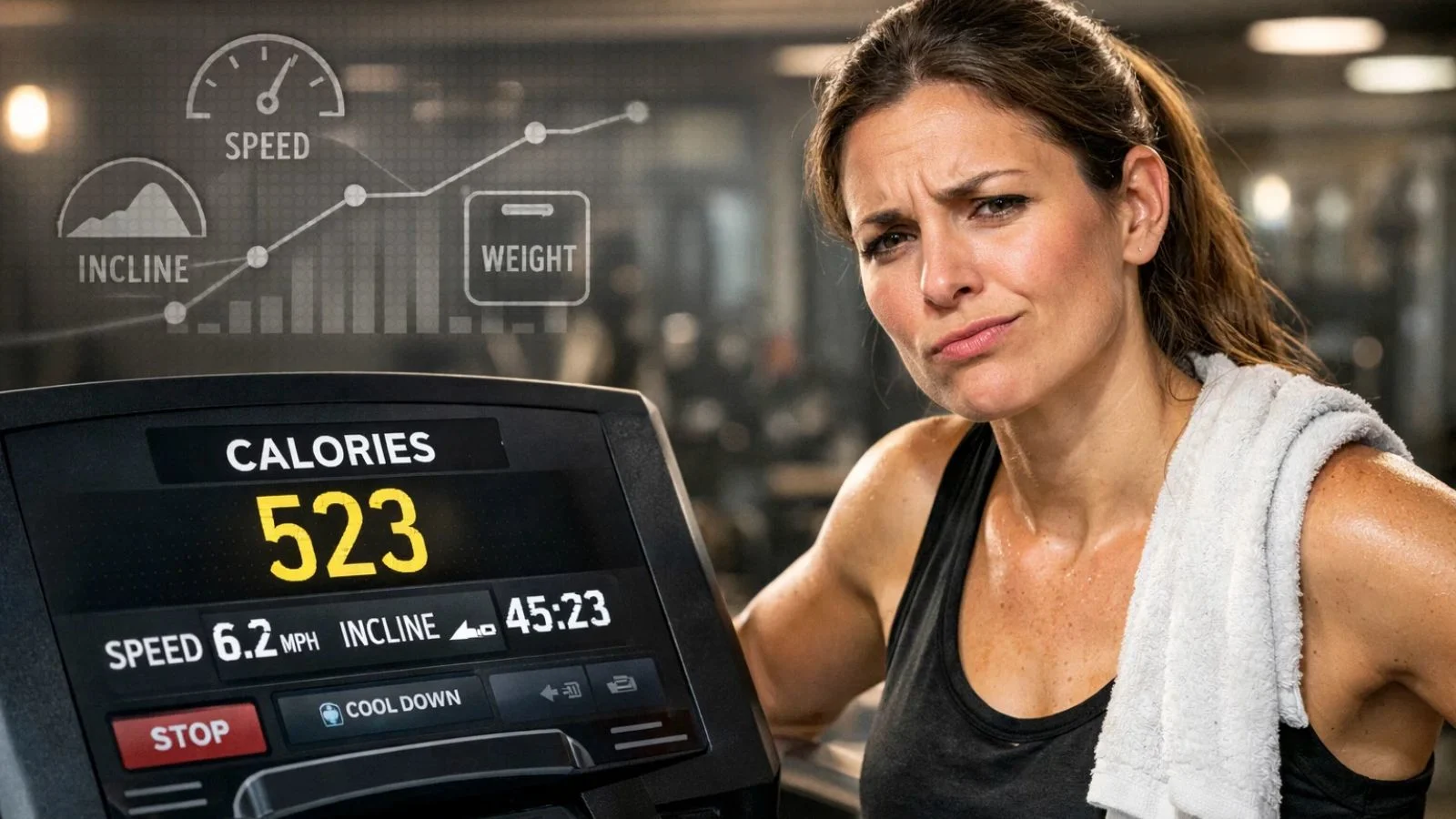
Treadmills are one of the most common places where people depend on calorie counters. You finish a workout, look at the screen, and see a calorie number that feels motivating. But that number isn’t always as accurate as it seems.
Most machines estimate calories based on:
- Speed
- Incline
- Workout duration
- Sometimes your weight
While these factors help, they don’t tell the full story of how your body burns energy.
Why the Numbers Can Be Off
There are several reasons treadmill-based calorie counters can be inaccurate:
- Standardized assumptions
Machines rely on averages, not your unique body composition. Someone with higher muscle mass burns more calories, but the treadmill doesn’t fully account for that. - No real effort tracking
Unless connected to a heart rate monitor, the machine doesn’t know how hard you’re actually working. - Missing or incorrect inputs
If you don’t enter your weight or enter it incorrectly, the estimate becomes less reliable. - Limited data points
Treadmills mainly track movement, not internal body responses like metabolism or fatigue.
What the Numbers Really Mean
Instead of seeing treadmill calorie counters as exact measurements, think of them as rough estimates.
In many cases, these machines overestimate calorie burn by 10–30%. So if you see 300 calories burned, the actual number could be significantly lower.
When They’re More Useful
Treadmill readings can still be helpful if you:
- Enter accurate personal details
- Keep your workout consistent
- Use a heart rate monitor
- Track trends over time instead of single sessions
A Smarter Way to Use Them
The best approach is to treat treadmill calorie counters as a reference point, not a final answer.
Focus more on:
- Building consistent workout habits
- Measuring progress weekly (not daily)
- Combining data from multiple tools
What Makes Apps More Advanced
Most modern calorie counters in apps use a wider range of data, such as:
- Steps taken
- Heart rate (if connected to a wearable)
- Activity type and duration
- Personal details like age, weight, and height
Because of this, apps can provide more personalized estimates compared to treadmills.
Some even adjust calorie burn based on intensity levels, which improves accuracy slightly.
Where Apps Still Fall Short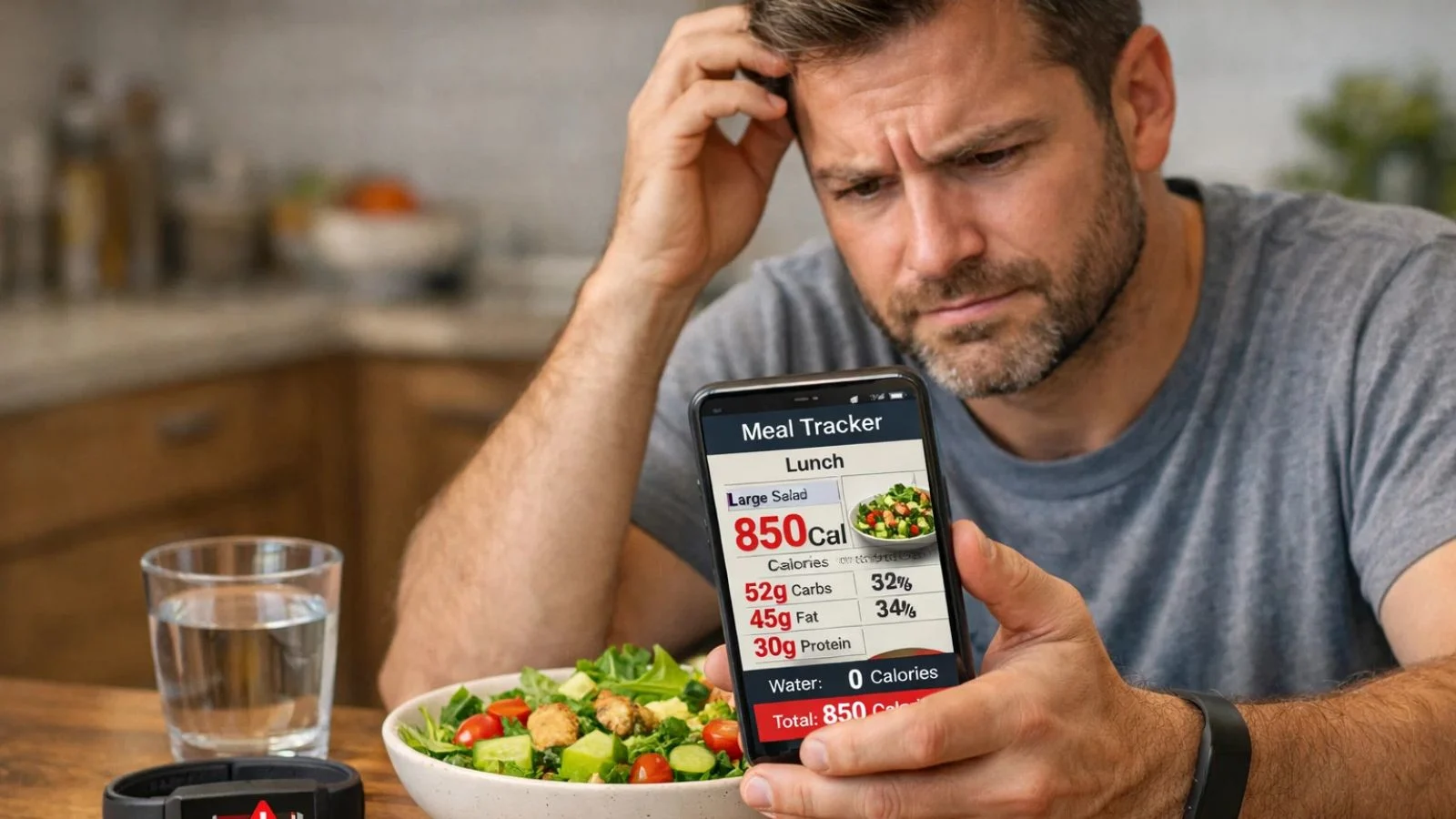
Even the best calorie counters in apps have limitations:
- Food tracking inaccuracies
Logging meals isn’t always precise. Portion sizes, cooking methods, and ingredient variations can lead to underestimating or overestimating calories. - Device dependency
If your wearable isn’t tracking correctly (like missing steps or incorrect heart rate), the app’s calculations will also be off. - Generalized formulas
Just like treadmills, apps rely on standard equations that don’t fully reflect your metabolism. - Overestimation of activity
Some apps tend to overcount steps or calories burned, especially during low-intensity movements.
How Accurate Are They Overall?
App-based calorie counters are generally more reliable than treadmill readings, especially when connected to a good fitness tracker. However, they can still have an error margin of 10–20% or more.
That means they’re useful for tracking trends but not exact numbers.
Free vs Paid Options
There are many free calorie counters available, and they can be surprisingly effective for basic tracking. Paid apps may offer:
- Better integrations with wearables
- More detailed insights
- Advanced tracking features
But even premium tools don’t guarantee perfect accuracy. The core limitations of calorie estimation still apply.
Tips to Improve Accuracy
To get the most out of app-based calorie counters:
- Log food portions as accurately as possible
- Use a reliable wearable device
- Update your personal data regularly
- Focus on consistency rather than perfection
Where a Smarter Tool Fits In
If you want a more streamlined and reliable experience, tools like Calorie Tracker Buddy can simplify tracking by combining
- food logging
- activity monitoring
- smarter estimations
in one place.
Instead of jumping between multiple apps, having everything centralized can help reduce errors and make your calorie counters more useful over time.
Key Factors That Affect Accuracy
No matter which tools you use, calorie counters are only as good as the data and assumptions behind them. Several key factors can influence how accurate or inaccurate your results are.
1. Your Body Composition
Two people can weigh the same but burn very different amounts of calories. Why? Because muscle burns more energy than fat.
Most calorie counters don’t fully account for this. They rely on total body weight rather than distinguishing between muscle and fat, which can lead to misleading estimates.
2. Metabolism Differences
Your metabolism plays a huge role in how many calories you burn daily. Some people naturally burn calories faster, while others have a slower metabolic rate.
Since calorie counters use generalized formulas, they can’t perfectly reflect your unique metabolism.
3. Workout Intensity
Not all workouts are equal, even if they look the same on paper.
For example:
- Walking slowly vs brisk walking
- Running steadily vs interval sprints
If the intensity isn’t measured properly (like without heart rate tracking), calorie counters may miscalculate your actual burn.
4. Accuracy of Input Data
One of the biggest sources of error is incorrect or incomplete information.
This includes:
- Wrong weight or age
- Skipped profile setup
- Inaccurate food portions
Even small mistakes here can lead to noticeable differences over time.
5. Type of Activity
Some activities are harder to track than others.
For example:
- Strength training
- Yoga
- HIIT workouts
These don’t always translate well into simple calorie formulas, making calorie counters less reliable for such exercises.
6. Device and Technology Limitations
Apps and machines rely on sensors and algorithms, but they’re not perfect.
- Step counters may overcount movement
- Heart rate monitors may lag or misread
- Treadmills may use outdated formulas
All of this adds up to potential inaccuracies.
7. Food Logging Errors
Tracking what you eat is just as important as tracking what you burn.
Many people:
- Underestimate portion sizes
- Forget snacks or drinks
- Use generic food entries
This can make calorie counters seem inaccurate when the issue is actually in the logging process.
Also read,
So, Can You Trust Calorie Counters?
Calorie counters have become a go-to tool for anyone trying to manage their fitness or weight—but they’re far from perfect. Whether you’re relying on treadmill readings or app-based tracking, the numbers you see are always estimates, not exact measurements.
Treadmills tend to oversimplify calorie burn, while apps offer more personalization but still depend heavily on input accuracy and generalized formulas. Add in factors like metabolism, workout intensity, and food logging errors, and it’s clear why results can vary.
That said, calorie counters are still incredibly useful when used the right way. Instead of chasing precision, focus on consistency and trends over time. If your tracking shows steady progress, you’re on the right path regardless of whether the exact numbers are slightly off.
Using a smart and simplified tool like Calorie Tracker Buddy can make the process easier by keeping everything in one place and reducing common tracking mistakes.
FAQs
- Are treadmill calorie counters accurate?
They provide a rough estimate but are often off by 10–30%. They don’t fully account for factors like metabolism, muscle mass, or workout intensity. - Are app-based calorie counters more accurate than treadmills?
Yes, generally. Apps use more data like steps and heart rate, making them more personalized. However, they still rely on estimates and can have errors. - Can I rely on free calorie counters?
Free calorie counters can be effective for basic tracking. While they may lack advanced features, they’re still useful if you log your data consistently and accurately.