


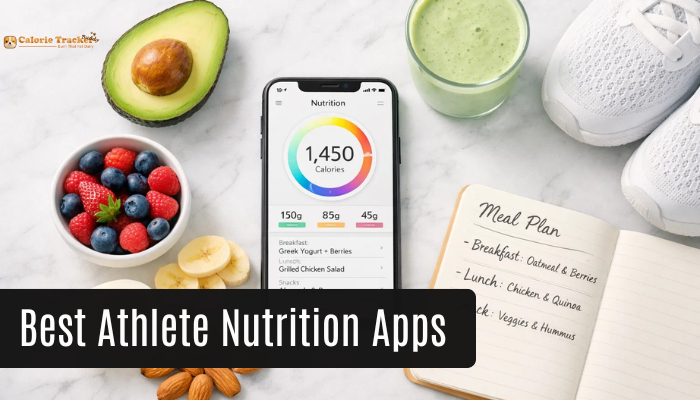
You trained hard this week. You hit every interval, pushed through the fatigue, and showed up when it would have been easier to skip. But here’s the honest truth that most athletes don’t want to hear: if your nutrition isn’t dialed in, all of that effort is leaving gains on the table.
Whether you’re a track sprinter working on explosive power, a middle-distance runner managing energy reserves, or a field athlete rebuilding muscle between sessions, what you eat and when is as critical as any training plan. The good news? A solid athlete nutrition tracker or calorie counter app has never been more accessible, more intuitive, or more personalized than it is right now.
Let’s dig into what athlete nutrition actually demands, why generic diet apps fall short, and which tools (including one surprisingly fun one) are actually worth your time.
Listen To The Podcast Now!
Why Athletes Can’t Afford to Wing It Nutritionally
 There’s a reason elite coaches treat nutrition as the “fourth discipline.” You can be genetically gifted, technically sound, and training at a high volume, but without the right fuel, you hit walls. mAyYou cramp late in races. You feel flat on the third day of a training block. Recovery drags. Sleep suffers.
For track and field athletes, especially, the nutritional demands vary wildly by event. A 100m sprinter needs rapid glycogen replenishment and high protein intake to rebuild fast-twitch muscle. A 5K or 10K runner is playing a longer game where glycogen pacing, fat adaptation, and electrolyte management matter enormously. Jumpers and throwers are managing body composition alongside power output. There is no one-size-fits-all plate.
Nutrition for track athletes isn’t about eating less or eating “clean” in some vague, Instagram-worthy sense. It’s about eating precisely: the right macros at the right times to support specific training adaptations.
And that’s where a dedicated athlete nutrition app changes everything.
What Separates an Athlete Nutrition App from a Regular Diet App
Most mainstream calorie counters or food-logging apps were built for someone trying to lose weight slowly over six months. That’s a valid goal, but it’s not your goal if you’re three weeks out from conference championships or deep in a periodization block.
Nutrition for track and field athletes requires tools that understand:
- Periodized fueling – calorie and carb targets that shift with training intensity
- Macro precision – not just total protein, but timing around sessions
- Micronutrient depth – iron, vitamin D, calcium, and magnesium matter enormously for endurance and bone health
- Recovery windows – the 30-60 minute post-session window isn’t just bro-science
- Hydration and electrolytes – especially for athletes training in heat or sweating heavily
If an app only tells you whether you’re under or over a daily calorie target, it’s leaving you with half the picture.
Top Athlete Nutrition Apps Worth Knowing
Before we get to the other options, one app has genuinely redefined what daily nutrition tracking can feel like.
Calorie Tracker Buddy
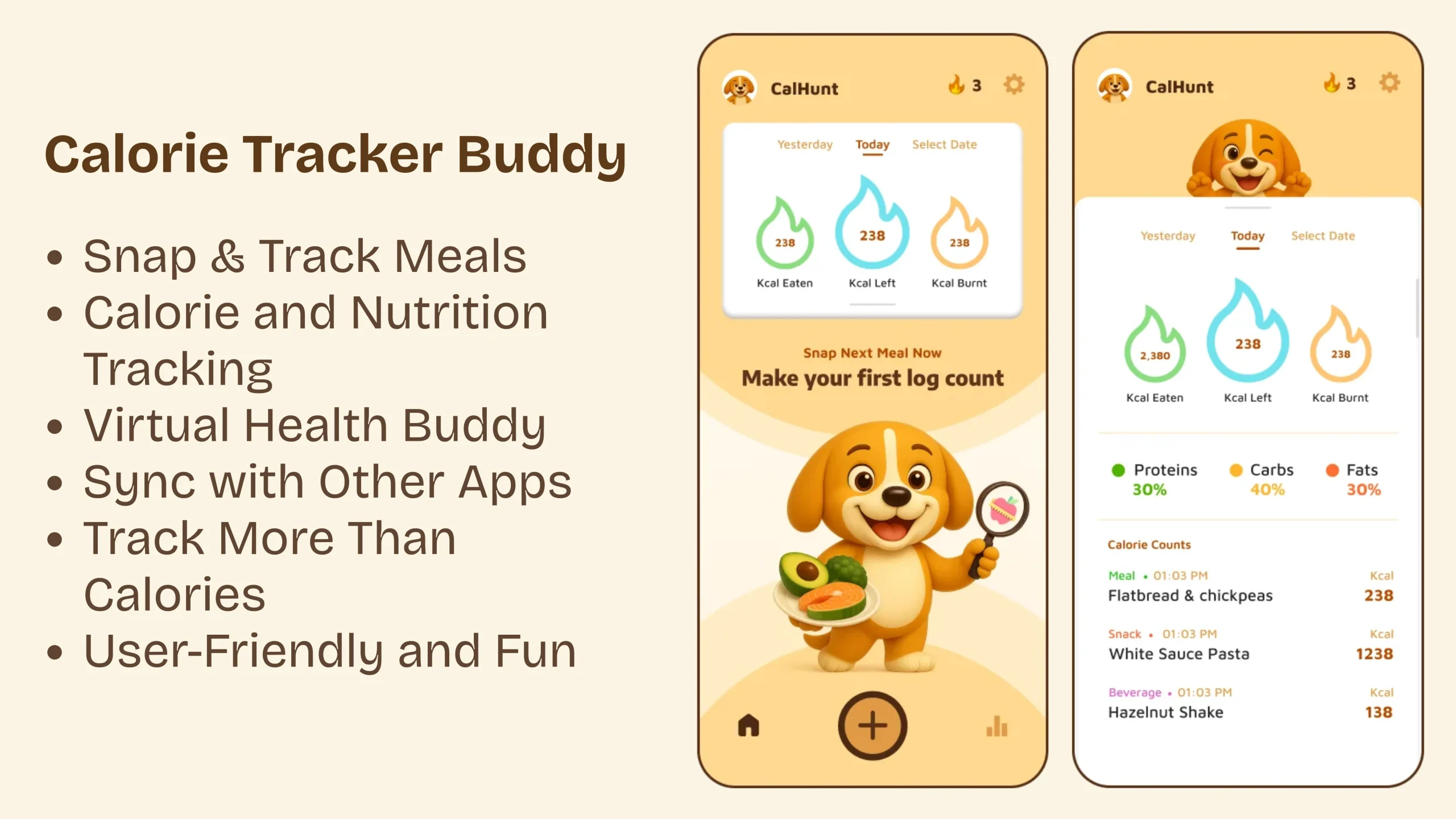 Calorie tracker buddy stands out from the crowd by solving the one problem every other app ignores: making tracking a habit you actually stick to. Here’s what it brings to the table:
- Snap the Meal – Point your camera, tap once, and your food is instantly scanned for calories, nutrients, and balance.
- Calorie Burn Tracker – Every movement you make gets counted, from workouts to daily steps, so you always know your real burn.
- Calorie Intake Tracker – Log what’s on your plate in seconds and get instant feedback on how it fits your goals.
- Goal Predictions – See in real time exactly how each meal and snack is moving you closer to your performance target.
- Buddy Motivation – Your virtual pet grows with every healthy choice you make, giving you a daily nudge to stay consistent.
- Social Sharing – Post meals, celebrate streaks, and let your squad keep you accountable every step of the way.
For athletes at any level who have struggled with consistency, this is where to start.
Cronometer
Cronometer is respected for its micronutrient depth. It tracks vitamins and minerals more comprehensively than almost anything else out there. If you suspect you have a deficiency (iron deficiency is rampant among distance runners), this one’s worth exploring.
The Athlete’s FoodCoach
Athlete’s FoodCoach was literally built in collaboration with professional cycling teams and delivers dynamic daily nutrition plans that shift with training load. It’s sophisticated, though the learning curve reflects that.
MacroFactor
MacroFactor uses AI-driven macro adjustments and is particularly well-regarded among strength-focused athletes who want their targets to evolve as their body composition changes.
MyFitnessPal
MyFitnessPal remains the OG with a massive food database, easy logging, and broad wearable integration. It lacks depth for serious athletic performance, but as a starting point for someone new to tracking, it works.
MyNetDiary
MyNetDiary tracks over 100 nutrients using a verified database and has strong hydration features, making it a good middle ground between depth and usability.
Each of these has merit. But there’s a gap in the market that most of them haven’t filled: making daily nutrition tracking genuinely enjoyable, especially for younger athletes or anyone who finds food logging tedious and stressful.
Also Read
How Accurate Are Calorie Counters on Treadmills and Apps?
Building A Nutrition Strategy Around Your Training: A Practical Framework
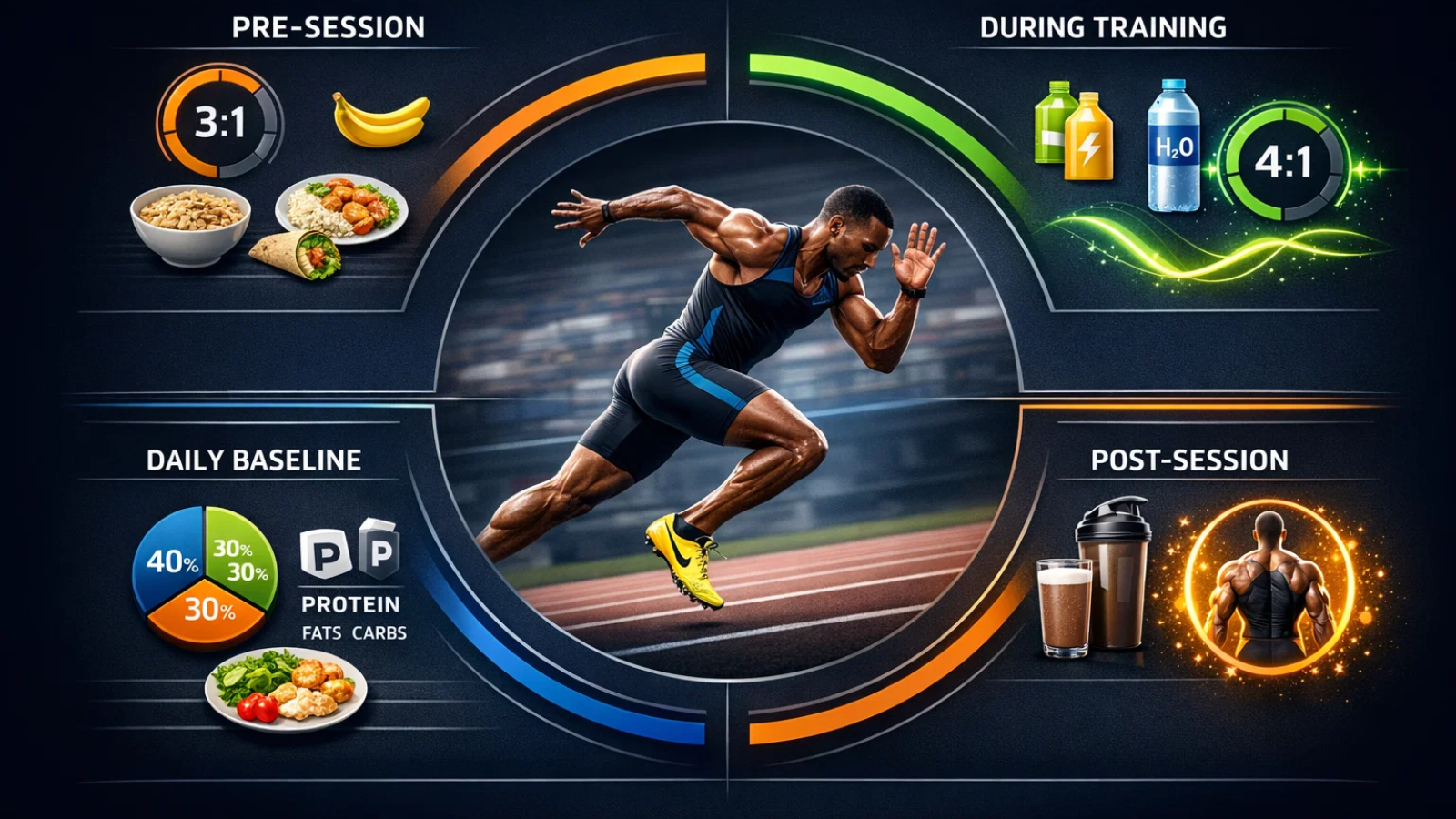 The app is only as good as the strategy behind it. Here’s a simple framework for track athlete nutrition that you can start building today, regardless of which tool you use.
Pre-session (60-90 min before): Prioritize complex carbohydrates and moderate protein. Avoid heavy fats or excessive fiber that slow digestion. Think oatmeal with banana, rice with chicken, or a whole grain wrap.
During sessions over 75 minutes: Carbohydrate intake matters. 30-60g per hour from gels, sports drinks, or easily digestible foods maintains blood glucose and delays fatigue.
Post-session (within 30-45 minutes): The recovery window is real. A 3:1 or 4:1 carb-to-protein ratio jumpstarts glycogen replenishment and muscle repair. A protein shake with fruit, chocolate milk, or a rice-and-egg meal all work well.
Daily baseline: Track your intake consistently enough to know your averages. Are you hitting 1.6-2.2g of protein per kilogram of bodyweight? Are your carb totals matching your training volume? or chronically under-eating on hard days?
A good athlete nutrition tracker makes answering these questions automatic rather than effortful.
The Micronutrient Reality for Track Athletes
Calorie and macro tracking gets most of the spotlight, but nutrition for track and field athletes has a micronutrient dimension that deserves serious attention.
Iron is the big one for endurance athletes. Low ferritin levels tank aerobic capacity and leave runners feeling inexplicably flat. Women athletes and vegetarians are at elevated risk.
Calcium and Vitamin D work together for bone health. Stress fractures are among the most common injuries in track, and chronically low calcium or Vitamin D intake is a contributing factor.
Magnesium supports muscle function and sleep quality. Athletes who sweat heavily can deplete magnesium quickly, leading to cramping and poor recovery.
B vitamins, particularly B12 and folate, are critical for energy metabolism and red blood cell production.
Most athlete nutrition apps will track these if you ask them to. The key is actually building the habit of looking.
Choosing The Right Tool For Where You Are
If you’re a data-obsessed performance athlete with the time and patience for detailed logging, Cronometer or The Athlete’s FoodCoach will give you the depth you want.
If you’re a coach or team nutritionist working with multiple athletes, MacroFactor or MyNetDiary offer the analytical infrastructure you need.
But if you’re an athlete at any level who has struggled to make nutrition tracking a consistent daily habit, who finds food logging tedious, or who wants something that rewards progress in a way that feels genuinely motivating, Calorie Tracker Buddy is worth trying. The combination of AI-powered food scanning, real-time goal feedback, gamified accountability, and social connection creates something that feels less like a health obligation and more like a tool you actually want to open.
Final Thoughts
The gap between good athletes and great athletes often isn’t training volume. It’s recovery, sleep, and nutrition: the variables that compound quietly over months and years of consistent practice.
A well-chosen athlete nutrition app gives you the visibility to make better decisions every day without turning every meal into a math problem. Whether you’re chasing a personal best, surviving a grueling season, or simply trying to show up to practice feeling strong, what you eat is always working for you or against you.
The only question is whether you’re paying attention.
FAQs
Q1. Can an athlete nutrition app really replace a sports nutritionist?
A great hook because it challenges authority and sparks debate. Athletes genuinely wonder this.
Q2. What should a track athlete eat 30 minutes before a race for peak performance?
High search intent, highly shareable, and directly actionable for track athletes.
Q3. Why am I gaining weight even though I train every day?
Emotionally charged, relatable, and one of the most searched fitness questions online.
Q4. How many calories does a track athlete actually need per day?
Data-driven curiosity. People love specific numbers tied to their identity.
Q5. Is using an athlete nutrition tracker bad for athletes mentally?
Controversial angle that touches on disordered eating concerns. Drives comments and shares.
Q6. What happens to your performance if you undereat during training?
Fear-based but factual. Triggers athletes who recognise the symptoms in themselves.