



**Download Android App Today →
To lose weight, use gamified calorie tracking with virtual pet: set a moderate calorie target, log every meal, and use the pet’s feedback to keep you consistent. A steady 500–1,000 calorie daily deficit leads to about 1–2 pounds per week per the CDC’s guidance, if you actually track what you eat every day. In short, consistent logging beats motivation.
The pet doesn’t burn calories. You do. The pet keeps you showing up.
However, tracking can feel tedious at first. You’ll forget barcodes, eyeball portions wrong, and get annoyed by missing foods. I’ve been there. In 2026, what works is any system that lowers friction and keeps you engaged long enough for logging to become automatic. That’s where a virtual buddy helps: small wins, visual growth, and nudge-by-nudge accountability.
In addition, the goal here is blunt: a calorie deficit, period. The pet is a means to that end. So we’ll pair the science with a clear setup plan, real numbers, and a one-week starter script. You’ll finish with a simple routine you can run, adjust, and trust.
Can a Virtual Pet Really Help You Lose Weight? Here's What the Science Says
Short answer: yes, because the pet keeps you logging when willpower fades. Gamified systems draw on basic behavioral science. Specifically, variable reward schedules (small, not-always-predictable rewards) increase repeat actions. That’s why streaks, surprise badges, and a “pet that grows” nudge you to open the app today, not “later.” For a primer, see the psychology of a variable-ratio schedule.
Loss aversion keeps you logging
Moreover, a virtual companion creates a light emotional tie. You don’t want your buddy to “stall” because you stopped logging. That’s loss aversion, people work harder to avoid a loss than to get a similar gain. If you’ve ever kept a streak alive on a cold day, you’ve felt it. For background, here’s a plain-English entry on loss aversion.
Why the virtual pet effect works
However, the mechanic only helps if it mirrors real behavior. A virtual pet that grows and motivates users as they make healthier choices works because it maps to the real-world cue: you logged, you stayed near target, the pet thrives. A virtual buddy feature that “grows” as users make healthier lifestyle choices builds a gentle sense of accountability without shame.
In addition, research reviews on gamification in health apps show higher adherence and better short-term engagement versus non-gamified tools. That matters because adherence, opening the app, logging meals, checking trends, is what drives results. The pet won’t make you lose weight by itself. Consistent calorie awareness will. The pet is the mechanism that keeps you tracking long enough for the habit to become routine and, over time, more intrinsic.
“I’ve been using Calorie Tracker Buddy for five weeks, and I’ve already lost 4kg! … the little buddy cheering me on kept me logging.” — Alex Sim
Also Read!
Best Calorie Tracker with Virtual Pet for Weight Loss in 2026
Step-by-Step: How to Set Up Gamified Calorie Tracking for Real Results
Here’s a 6-step framework that’s simple, honest, and works. You can run it with any app that supports photo logging, macros, and a responsive virtual pet.
1.
First, estimate your Total Daily Energy Expenditure (TDEE). Then subtract 500 calories for about 1 lb per week. For example, if your TDEE is 2,400, start near 1,900. As a cross-check on the basics, the CDC explains calorie balance clearly: calories and weight. For more context on setting targets and trade-offs, this plain-language guide on calorie tracking will help.
2.
Second, pick a tool with:
- A quality food database plus barcode and photo logging for speed.
- Macro tracking (protein, carbs, fat), water, and exercise logging.
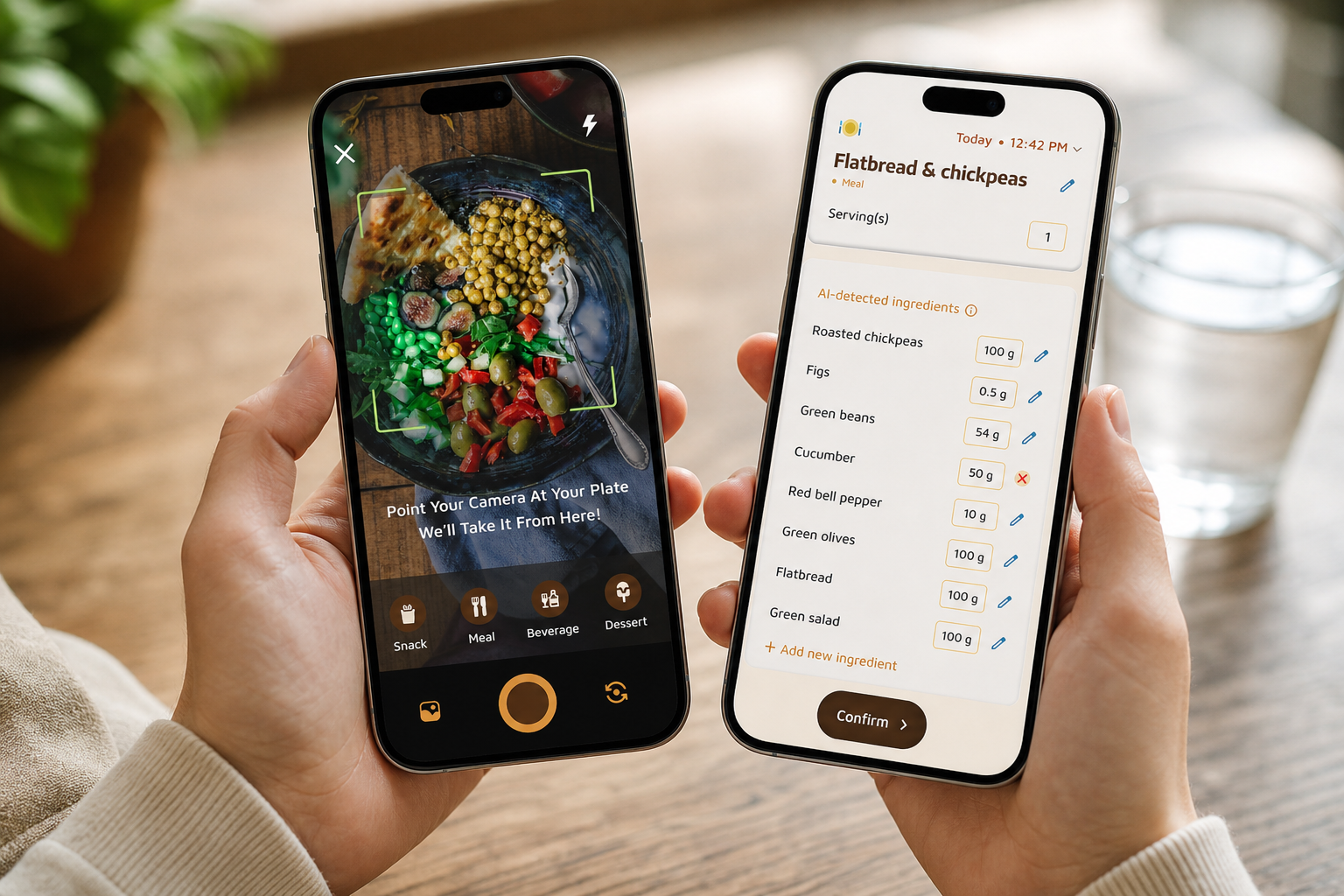
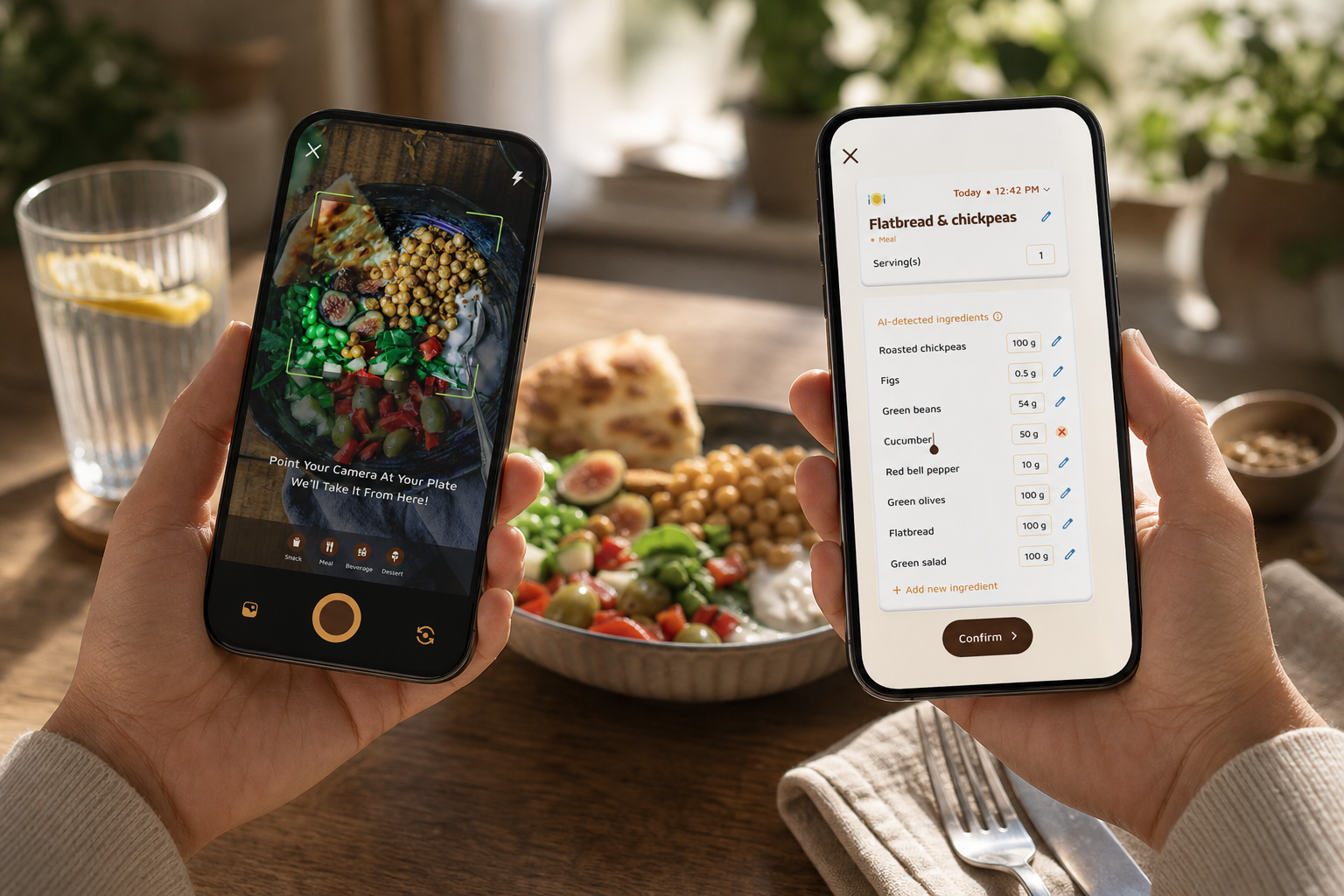
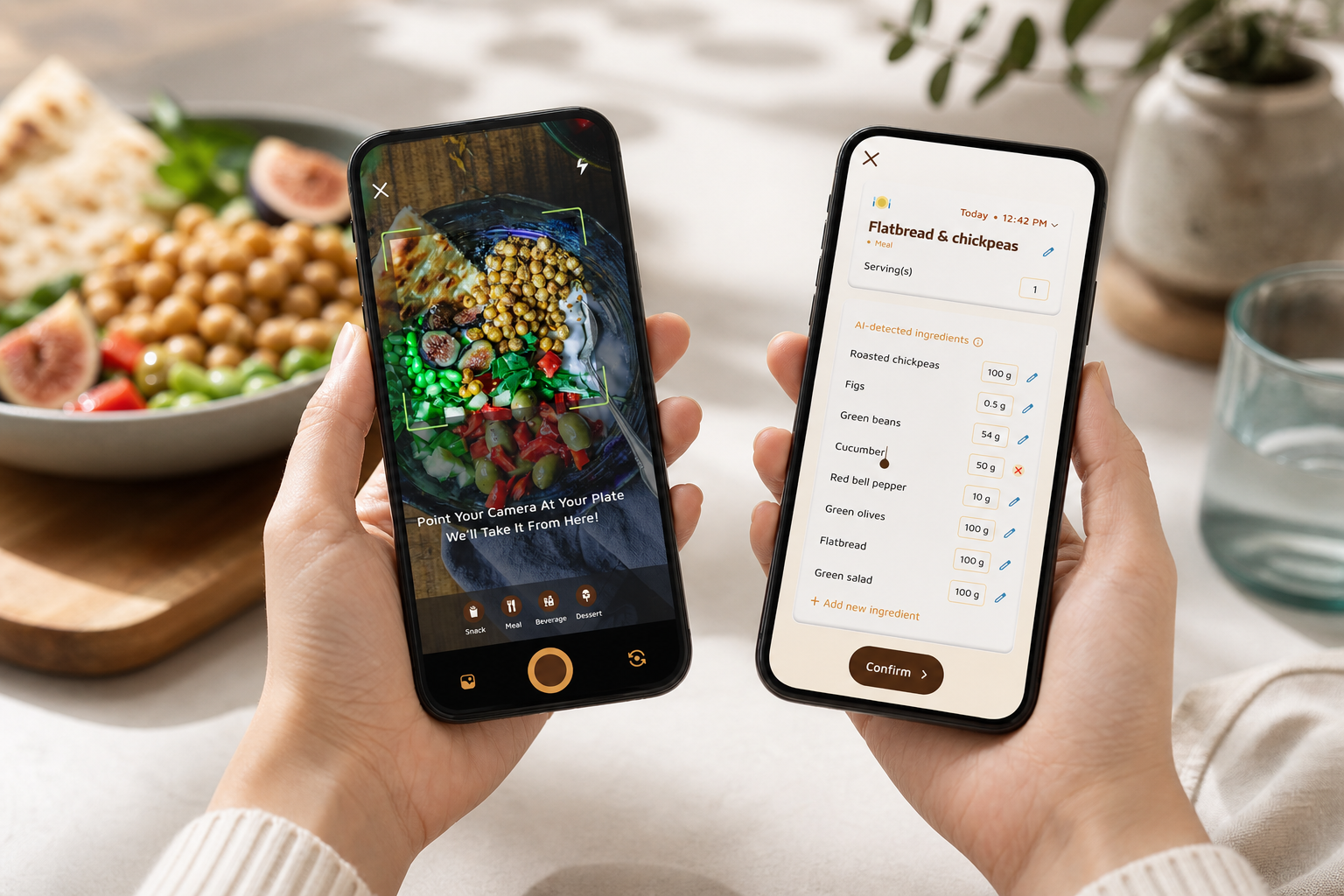
- Real-time feedback on meals and snacks, with goal predictions that show how each meal impacts progress.
- A pet that responds to real behavior (calorie targets, steps), not just app opens.
3.
Third, enter accurate weight, height, age, sex, and activity level. Pick a realistic goal weight and pace. Therefore, skip aggressive cuts. If you’re unsure, start with a 10–20% calorie reduction from TDEE and adjust after two weeks.
4.
Fourth, make a simple contract: you log every meal for 14 straight days, no exceptions. In addition, log before you eat when you can. That one move prevents dozens of “oops” moments. Photo-based tracking for meals and snacks speeds this up and reduces guesswork.
5.
Fifth, watch your buddy thrive when you stay close to target. As a result, the pet becomes a quick read on your consistency. Calorie intake and burn tracking plus real-time feedback create a closed loop: plan, act, see impact, adjust.
6.
Sixth, judge the week by your 7-day average calories and macro balance. Specifically, look for: average intake near target, protein at 1.6–2.2 g/kg of body weight, and steady steps. Adjust 50–150 calories at a time based on two weeks of data, not one rough day. For a deeper walkthrough of app choices, see this guide to calorie tracking apps.
Practical pro tips for speed and accuracy
- Pre-log your dinner at lunch. You’ll make better swaps when you can still change plans.
- Save 5–10 go-to meals with known calories to remove guesswork on busy days.
- Use photo logging when you cook at home; add oils and sauces explicitly.
- Sync steps and workouts so goal predictions reflect real activity.
**Start Tracking with Instant Feedback →
To keep this tied to our theme, remember: gamified calorie tracking with virtual pet support is not fluff. It is scaffolding for the one habit that drives fat loss, consistent logging against a clear target.
5 Mistakes People Make with Gamified Calorie Trackers (and How to Avoid Them)
You’re smart to be wary. Here are the traps I see all the time and how to dodge them.
1.
If you game the system with fake meals just to keep the pet happy, you lose the only metric that matters: your 7-day calorie average. However, the pet doesn’t need perfect days. It needs honest ones.
2.
A 1,000-calorie/day target is a fast path to binge-restrict cycles. No virtual buddy can keep you engaged if you’re starving. Therefore, use moderate deficits and adjust in small steps. If progress stalls, revisit this list of calorie tracking mistakes.
3.
Only chasing a 1,500-calorie number with mostly carbs will leave you hungry.
- Aim for higher protein (e.g., 1.6–2.2 g/kg).
- Add produce for volume.
- Include some fat for satiety. Tracking of macros (carbs, protein, fat), water intake, and exercise makes the deficit livable.
4.
The guilt spiral is worse than the burger. Log it. As a result, the dataset stays intact, and your pet keeps tracking your real trend. Real-time updates on calorie burns, meals, steps, and goal progress help you bounce back the same day.
5.
You don’t have to “earn” food. But movement helps mood, adherence, and energy balance. Daily step tracking with a goal of 10,000 steps per day is a simple, honest target. In addition, customize for dietary preferences and allergies so you can sustain the plan without friction.
“Logging meals is fun now—just snap a photo and boom, done. And the little buddy? This kept me consistent.” — Pooja Rao
Finally, treat gamified calorie tracking with virtual pet accountability as a nudge, not a crutch. You drive. The tool reminds you to stay on the road.
Also Read!
Best Calorie Tracker with Coaching for Weight Loss in 2026
Calorie Tracker Buddy vs Noom for Weight Loss: Which Is Better for Calorie Tracking with Coaching?
Tools That Combine Calorie Tracking with Virtual Pets
You have three main buckets in 2026:
-
Full virtual pet systems
These feature a buddy that grows and motivates users as they make healthier choices. The best ones tie growth to logged behavior: calorie targets hit, steps synced, water tracked. -
Streak or points-based calorie apps
These add badges, streaks, and light challenges. However, if the rewards only respond to “app opens,” they push engagement, not health. -
Social accountability features
These tools lean on friend feeds and group challenges. They can help if you like peer support, though they’re less “pet” and more “team.
What to evaluate before you commit
- Food database size and accuracy
- Photo-based tracking for meals and snacks to get nutritional info and calorie count
- Macro tracking depth and water tracking
- Ability to sync with fitness trackers like Google Fit
- Allows offline logging of meals and workouts with automatic syncing once online
- How responsive the virtual companion is to actual health behaviors (not just engagement metrics)
| Evaluation Focus | Why It Matters | What “Good” Looks Like |
|---|---|---|
| Pet responsiveness | Reinforces real choices | Pet growth tied to target hits, steps, and streak integrity |
| Photo logging | Cuts friction and errors | Fast scan, easy edits, adds oils/sauces |
| Sync & offline | Keeps data whole | Google Fit sync; logs queue offline and auto-sync later |
For a beginner-friendly roundup, check the 2026 picks here: Best Calorie Tracker with Virtual Pet for Beginners in 2026. Tools like Calorie Tracker Buddy are one option that combine a virtual buddy that grows based on healthier choices with photo-based meal logging, macro tracking, water tracking, and Google Fit sync. In addition, they offer goal predictions that show how each meal impacts progress and support offline logging with automatic syncing once you’re back online.
Therefore, choose the app that best reflects your real habits. The key test: does the buddy respond to your actual health progress, or only to how many times you tap?
Key Takeaways
- Gamified calorie tracking with virtual pet support works by boosting adherence through variable rewards, light attachment, and loss aversion.
- A moderate, data-checked deficit plus honest logging beats any “hack.” Aim for weekly averages, not perfect days.
- Photo logging, macro tracking, step sync, and goal predictions reduce friction and help you make better choices in the moment.
- Judge tools by how their pet responds to real behavior. Engagement-only rewards won’t drive fat loss.
- Use movement (e.g., 10,000 steps/day), protein-forward meals, and water tracking to make the deficit livable.
What to Do This Week to Start Losing Weight with a Gamified Tracker
Day 1–2: Set your numbers and install your app
Calculate TDEE and pick a moderate deficit (about 500 calories/day). Then download a tracker with real-time feedback on meals and snacks and a pet that reflects true progress. Keep your profile honest. If you want a quick primer on setup, this step-by-step calorie tracking app guide lays out the basics.
Day 3–4: Log everything, don’t change your diet yet
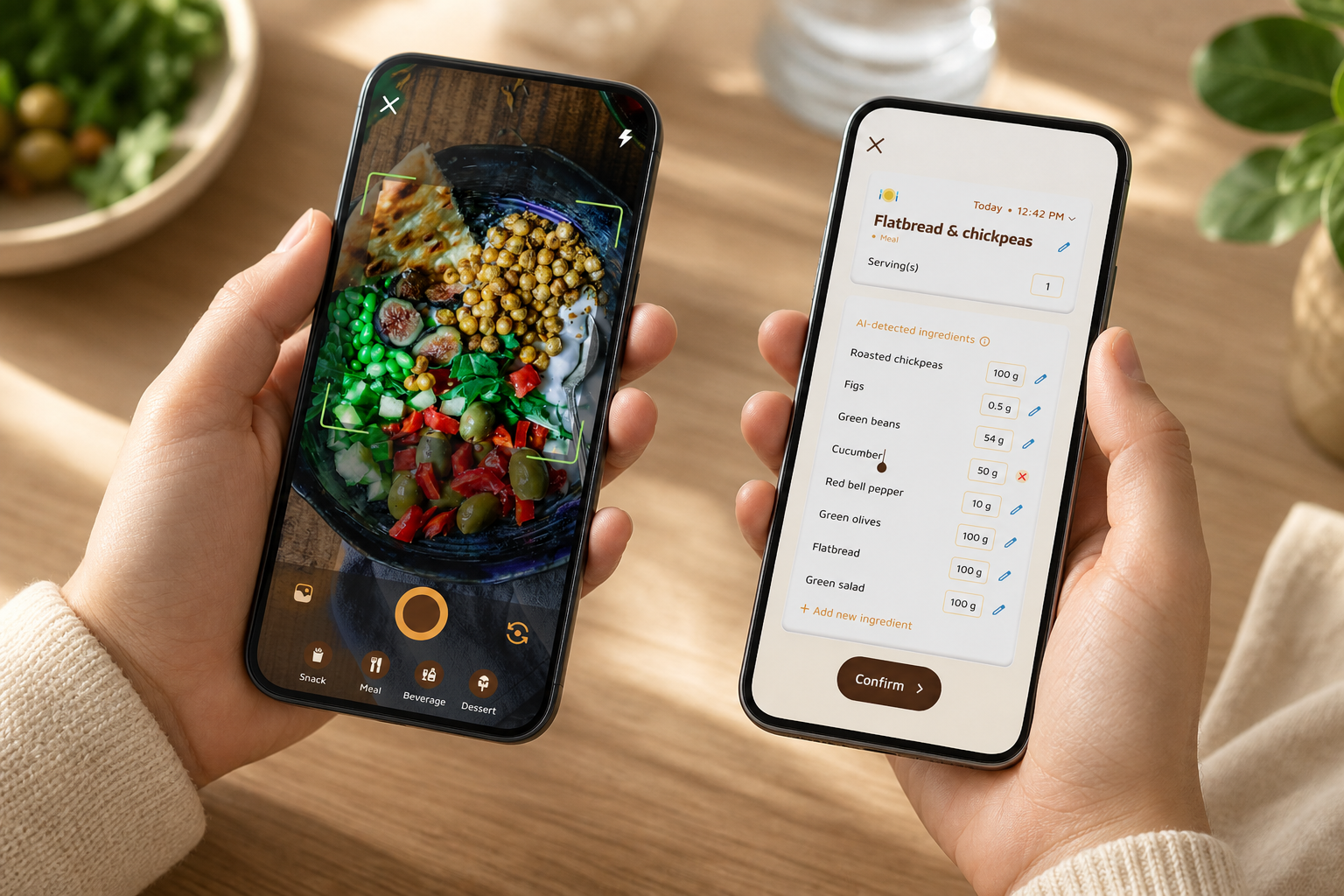
Photograph and log every bite. Therefore, don’t “perform” a perfect diet. You need baseline data. As a result, goal predictions that show how each meal impacts progress will flag the real calorie culprits.
Day 5: Review your baseline
Look at your 7-day average. Specifically, find surprise sources: liquid calories, oils while cooking, large snack portions. In addition, check protein and fiber, low numbers here drive hunger.
Day 6–7: Make two targeted swaps and watch your pet respond
Swap the 480-calorie latte for a 120-calorie version and add a 200-calorie high-protein snack to kill late-night raids. Then walk an extra 2,000 steps each day. The pet’s growth and your real-time dashboard should reflect those choices fast.
Moreover, expect this first week to feel unglamorous. You’re building a skill. The virtual buddy is your training partner, not a magic solution. Keep the streak alive, learn from the data, and you’ll start seeing the scale follow the averages.
**Download Android App Today →
As you keep going, revisit the science if motivation dips. Variable rewards exist for a reason. For reference on calorie balance, bookmark the CDC’s page on energy balance (Source: CDC). And if you like a deeper starting point, this beginner’s walkthrough is a clear read: Beginner's Guide to Gamified Calorie Tracking with a Virtual Pet.