


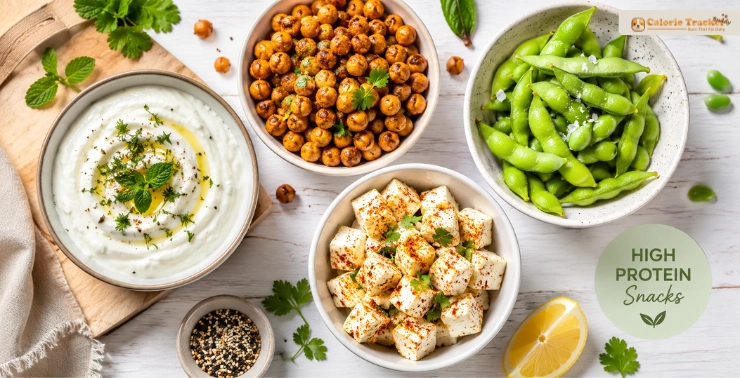
Low calorie high protein snacks sound great in theory, yet many leave you hungry again within an hour. If you constantly reach for a “healthy” snack at 3 p.m. only to crave more food before dinner, the issue usually is not your willpower. It is the snack itself.
Most packaged snacks are built around refined carbs and quick flavor instead of real satiety. Granola bars, crackers, and baked chips may seem like smart choices, but they often lack enough protein to keep hunger under control.
That is why homemade high-protein snacks work differently. Simple ingredients like Greek yogurt, chickpeas, paneer, lentils, tofu, and cottage cheese deliver far more staying power without loading your day with extra calories.
This guide focuses on high-protein snacks that weight loss readers can make quickly at home without relying on expensive packaged foods. Every option is easy, filling, and designed to support weight loss without making snacking feel restrictive.
Read Aloud!
Why Your Snacks Are Keeping You Hungry (And What to Do About It)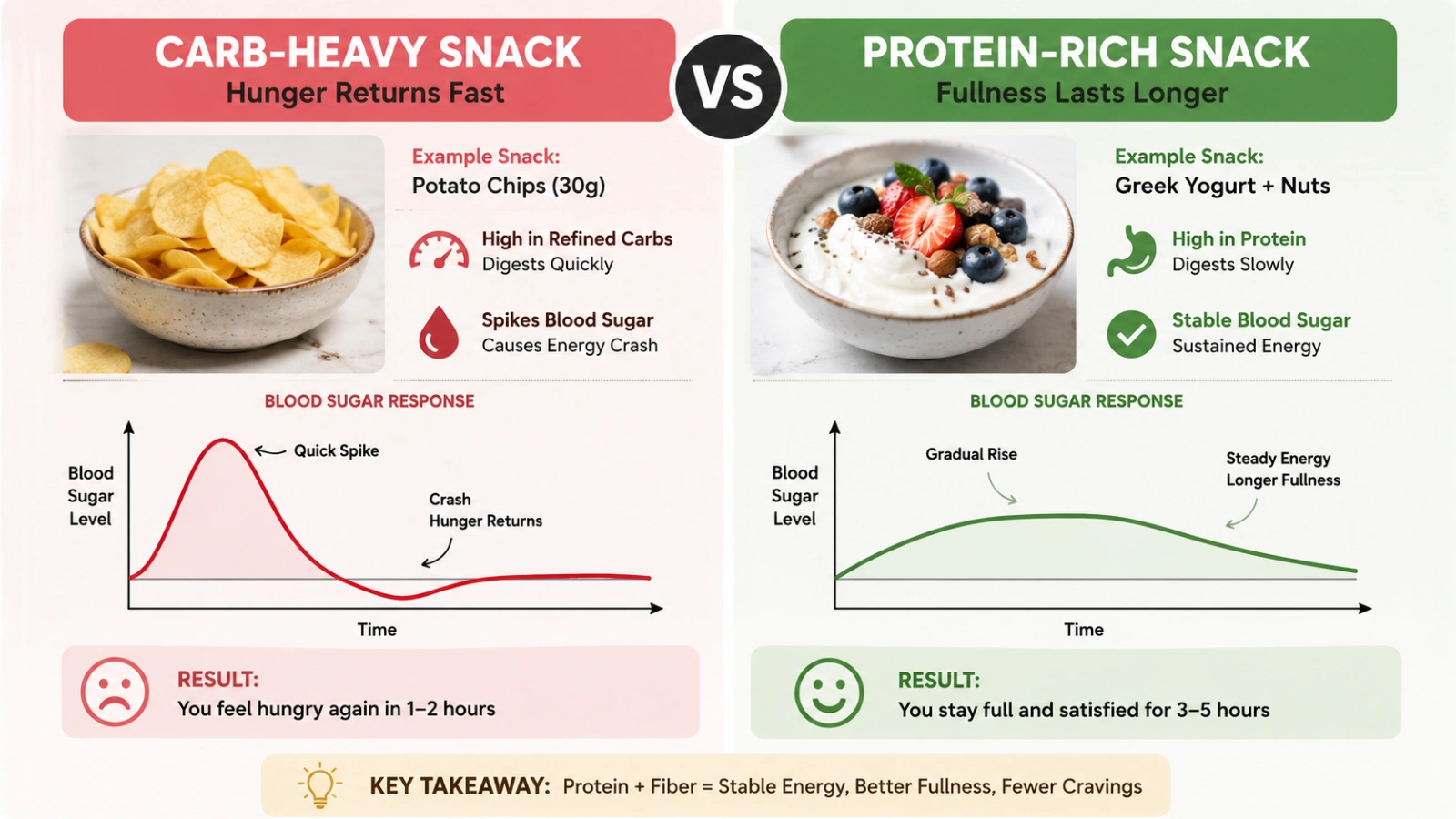
Many snacks cause a rapid rise in blood sugar, followed by an equally rapid drop. That crash is what sends you back to the pantry an hour later.
Protein behaves differently inside the body. Instead of causing sharp spikes, it slows digestion and activates hormones tied to fullness. Research shows protein reduces ghrelin, the hormone linked to hunger, while increasing peptide YY and GLP-1, both associated with satiety.
That is why high-protein snack weight-loss plans often prioritize protein over refined carbs. When your snack contains enough protein, your brain receives stronger signals that you have eaten something substantial.
What makes a snack high in protein? A high-protein snack generally contains at least 10 grams of protein per serving. That amount is usually enough to improve fullness and reduce mindless grazing between meals.
There is also a practical sweet spot. Around 10 to 20 grams of protein works well for snacks because it supports satiety without turning the snack into a full meal.
Studies have found that increasing protein intake from 15% to 30% of daily calories can reduce overall calorie consumption naturally. People often eat less later without consciously trying to restrict themselves.
That is why high protein snacks for weight loss tend to work better than low-fat, high-carb alternatives. They help reduce the constant mental battle around food.
The 60-Second Rule for Choosing the Right Snack
Calories matter, but they do not tell the full story. Two snacks can contain the same calories and produce completely different hunger responses.
That is where Protein Efficiency becomes useful.
Protein Efficiency = Protein (g) ÷ Calories × 100
A 100-calorie rice cake snack may provide 2 grams of protein. A similar calorie serving of cottage cheese delivers around 14 grams. Same calories. Completely different nutritional value.
That difference is exactly why low calorie high protein snacks work better for appetite control. Once you start looking at snacks through this lens, shopping gets easier. You stop asking, “Is this low calorie?” and start asking, “Will this actually keep me full?”
Greek yogurt is another good example. A flavored yogurt cup may look healthy from the front label, but many contain more sugar than protein. Plain nonfat Greek yogurt, meanwhile, offers one of the strongest protein-to-calorie ratios available.
You can usually evaluate a snack in under a minute:
- Check protein first
- Aim for at least 10g when possible
- Keep calories near 100 to 150
- Scan ingredients for hidden sugars
- Avoid products where sugar appears before protein-rich ingredients
Watch for names like dextrose, agave syrup, corn syrup, and cane juice. Many so-called protein snacks rely more on sweeteners than actual protein.
15 High Protein Snacks Under 100 Calories You Can Make at Home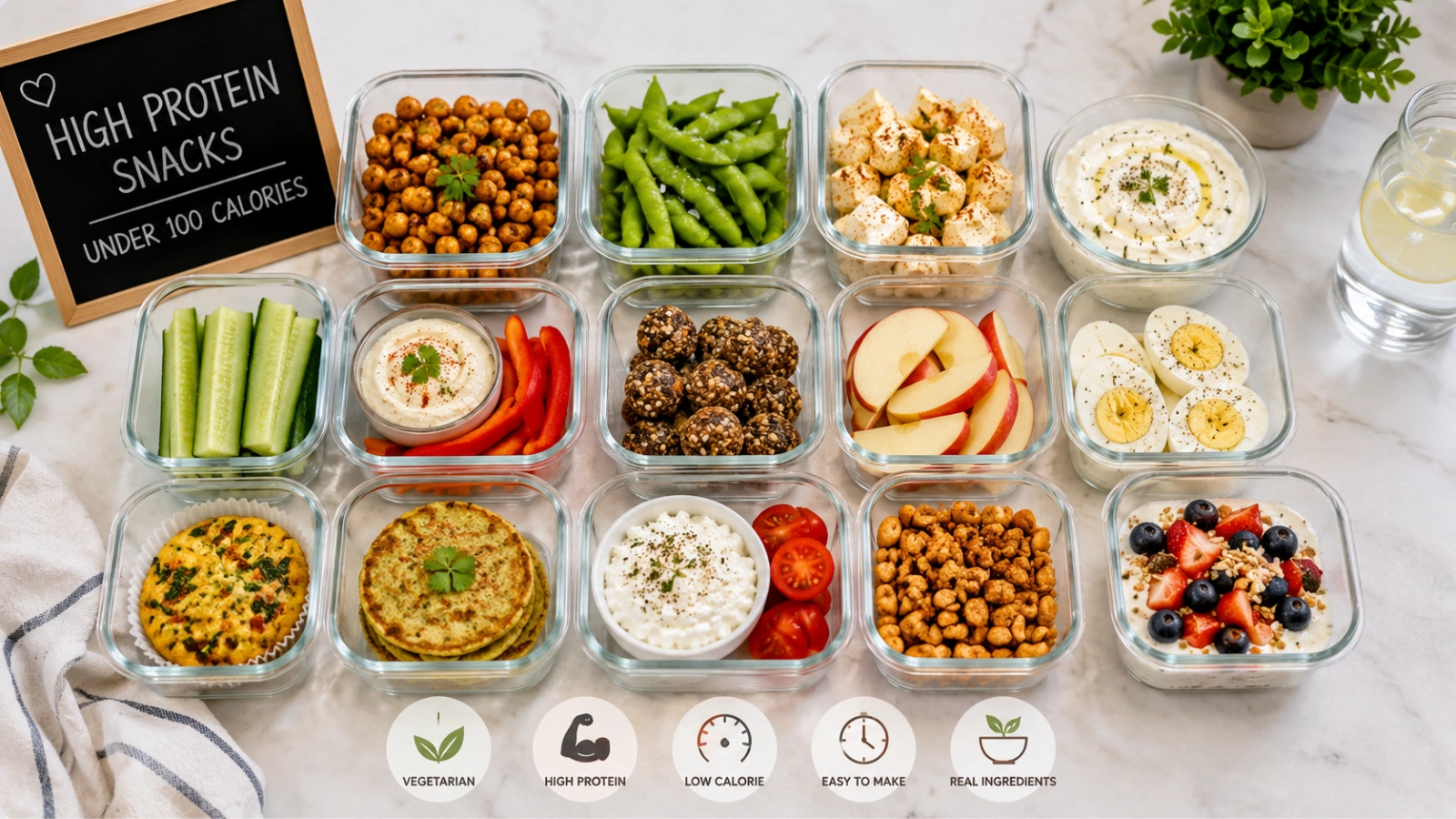
1. Spiced Roasted Chickpeas
Protein: ~7g | Calories: ~90 | Prep Time: 25 minutes (3 minutes hands-on)
Roasted chickpeas work so well because they combine fiber and protein in one crunchy snack. That mix slows digestion and helps you stay full longer than typical chips or crackers.
They also rank surprisingly high among low calorie high protein snacks, especially for vegetarians trying to manage hunger between meals.
Try smoky paprika and garlic for a savory version, or cinnamon with a drizzle of honey if you prefer something sweeter.
2. Greek Yogurt Dip with Cucumber Sticks
Protein: ~10g | Calories: ~85 | Prep Time: 2 minutes
Plain fat-free Greek yogurt is one of the most efficient low calorie high protein snacks you can eat. It delivers serious protein without much fat or sugar.
Add lemon juice, cumin, and chopped dill for extra flavor. Cucumber sticks add crunch without pushing calories higher.
3. Cottage Cheese with Everything Seasoning
Protein: ~14g | Calories: ~80 | Prep Time: 1 minute
Half a cup of low-fat cottage cheese delivers more protein than many commercial protein bars.
The casein protein digests slowly, which makes this especially useful before long meetings, road trips, or late-night cravings.
4. Edamame with Sea Salt
Protein: ~9g | Calories: ~95 | Prep Time: 5 minutes
Edamame contains all nine essential amino acids, making it one of the best high protein snacks vegetarian eaters can keep on hand for quick hunger fixes.
Microwave frozen shelled edamame, sprinkle sea salt, and finish with chili flakes or garlic powder for extra flavor.
5. Egg White Mini Scramble
Protein: ~13g | Calories: ~70 | Prep Time: 5 minutes
Egg whites are one of the cleanest protein sources available. They deliver substantial protein with very few calories, which makes them ideal for low calorie high protein snacks focused on weight loss.
Cook them with spinach, mushrooms, or diced tomatoes for extra volume without significantly increasing calories.
6. Tofu Bites with Soy-Ginger Glaze
Protein: ~10g | Calories: ~90 | Prep Time: 15 minutes
Firm tofu becomes surprisingly satisfying when crisped in an air fryer or skillet. It is also one of the most versatile high-protein snacks you can make at home.
A quick glaze made with soy sauce, ginger, and garlic gives these bites restaurant-level flavor without much effort.
7. Peanut Butter Celery Boats
Protein: ~7g | Calories: ~95 | Prep Time: 2 minutes
This classic snack still works because the fiber from celery slows down digestion while peanut butter adds protein and healthy fat.
Portion size matters here. Stick to one tablespoon of natural peanut butter so the snack stays balanced and fits comfortably into a low calorie high protein snacks plan.
8. Lentil Chaat (Mini Portion)
Protein: ~9g | Calories: ~100 | Prep Time: 10 minutes
Boiled masoor dal tossed with onion, lemon, cumin, and coriander creates a snack that feels fresh and substantial.
Among high protein snacks that vegetarian eaters often overlook, lentils deserve far more attention.
9. Roasted Makhana (Fox Nuts)
Protein: ~4g | Calories: ~85 | Prep Time: 5 minutes
Makhana offers a light, crunchy texture that feels more indulgent than it actually is.
Dry-roast with olive oil spray, turmeric, black pepper, or chaat masala for extra flavor.
10. Paneer Cubes with Chaat Masala
Protein: ~7g | Calories: ~80 | Prep Time: 2 minutes
Paneer delivers impressive protein density for such a small serving.
You can eat it cold, warm it slightly, or pair it with cucumber slices for more volume.
11. Chia Pudding (Small Portion)
Protein: ~6g | Calories: ~95 | Prep Time: 5 minutes active + overnight set
Chia seeds absorb liquid and expand, which creates a surprisingly filling texture.
Use soy milk instead of almond milk if your goal is to maximize protein.
12. Homemade Protein Balls (Mini, 1 Ball)
Protein: ~6g | Calories: ~90 | Prep Time: 15 minutes
These are ideal for meal prep because you can make a full batch once and portion it throughout the week.
Rolled oats, protein powder, nut butter, and a little honey create a balanced snack without needing baking.
13. Black Bean Dip with Bell Pepper Strips
Protein: ~7g | Calories: ~90 | Prep Time: 5 minutes
Black beans create a creamy dip with more protein and fiber than most packaged spreads, making this one of the more filling low calorie high protein snacks you can prepare quickly at home.
Bell pepper strips keep the snack crisp and refreshing without adding many calories.
14. Roasted Watermelon Seeds
Protein: ~8g | Calories: ~90 | Prep Time: 10 minutes
Watermelon seeds remain one of the most underrated high-protein snacks under 100 calories, especially for people looking beyond typical protein bars and shakes.
They also contain zinc and iron, which makes them nutritionally stronger than many processed snack options.
15. Tempeh Fingers with Mustard Dip
Protein: ~11g | Calories: ~100 | Prep Time: 10 minutes
Tempeh has a firmer texture and nuttier flavor than tofu, which many people find more satisfying.
Because it is fermented, it may also feel easier to digest.
Read More!
Snack Smarter by Time of Day – A Simple Matching Guide
Not every snack works equally well at every hour. Some are better for sustained energy, while others shine after workouts or late at night.
This small adjustment makes a bigger difference than most people expect. Matching the snack to the moment helps reduce impulsive eating later.
The 5 Mistakes That Turn a “Healthy” Snack Into a Calorie Trap
A snack can sound healthy and still quietly sabotage your goals.
The biggest mistake is trusting the front label. Many products marketed as “high protein” contain more sugar than actual protein, which defeats the purpose of choosing low-calorie, high-protein snacks in the first place.
Another common issue is portion size. Nuts are nutritious, but handful after handful quickly turns a 100-calorie snack into a 400-calorie meal.
Flavored Greek yogurt creates similar problems. Some varieties contain 15 to 20 grams of added sugar per serving. Plain yogurt with fruit gives you far more control.
People also confuse plant-based foods with low-calorie foods. Avocados, trail mixes, nut bars, and granola can absolutely fit a healthy diet, but they are not always ideal for weight loss.
Skipping protein entirely during snack time is another hidden problem. If your snack is mostly refined carbs, dinner cravings usually hit harder later, which is why high-protein snacks tend to support better appetite control throughout the day.
How a Calorie Tracker Buddy Helps You Snack With Intention (Not Guesswork)

Most people underestimate how much protein they actually eat during the day.
Breakfast may contain a little protein. Lunch may be inconsistent. Then, by late afternoon, hunger spikes because protein intake never reached a meaningful level.
That is where a calorie and macro tracker becomes genuinely useful, especially for people trying to balance low-calorie, high-protein snacks with weight-loss goals.
A tool like Calorie Tracker Buddy helps you see your protein intake in real time instead of relying on rough guesses. That changes the way people snack.
Instead of asking, “Can I eat this?” you start asking, “Does this move me closer to my protein goal?”
Useful features include:
- Fast snack logging with portion tracking
- Real-time protein progress updates
- Visual macro breakdowns for protein, carbs, and fats
- Vegetarian-friendly macro tracking templates
That level of awareness removes a surprising amount of food anxiety and makes choosing high-protein snacks feel far more intentional.
The Psychology Behind Why High-Protein Snacking Actually Works Long-Term
Most diets fail because people spend too much time feeling hungry.
Protein changes that experience. It increases fullness while also requiring more energy for digestion. Your body burns roughly 25% to 30% of protein calories during digestion itself, compared to far less for carbohydrates.
That is one reason low calorie high protein snacks tend to feel far more satisfying than carb-heavy snack foods with similar calorie counts.
There is also a behavioral side that people rarely discuss.
Consistent high-protein snacks create predictable eating rhythms. Over time, hunger hormones begin adapting to those patterns. That means fewer random cravings and less emotional snacking.
This helps explain why protein has expanded far beyond fitness culture. More people now use low calorie high protein snacks as a practical tool for appetite control, energy stability, and long-term weight management.
Even the popularity of GLP-1 medications has shifted conversations around fullness and appetite control. Protein-rich snacks naturally stimulate some of the same satiety pathways, though through food rather than medication.
That does not mean every snack needs to become ultra-high protein. It simply means choosing smarter high-protein snacks can make healthy eating feel far more sustainable over time.
The Takeaway – Snack With Purpose, Not Panic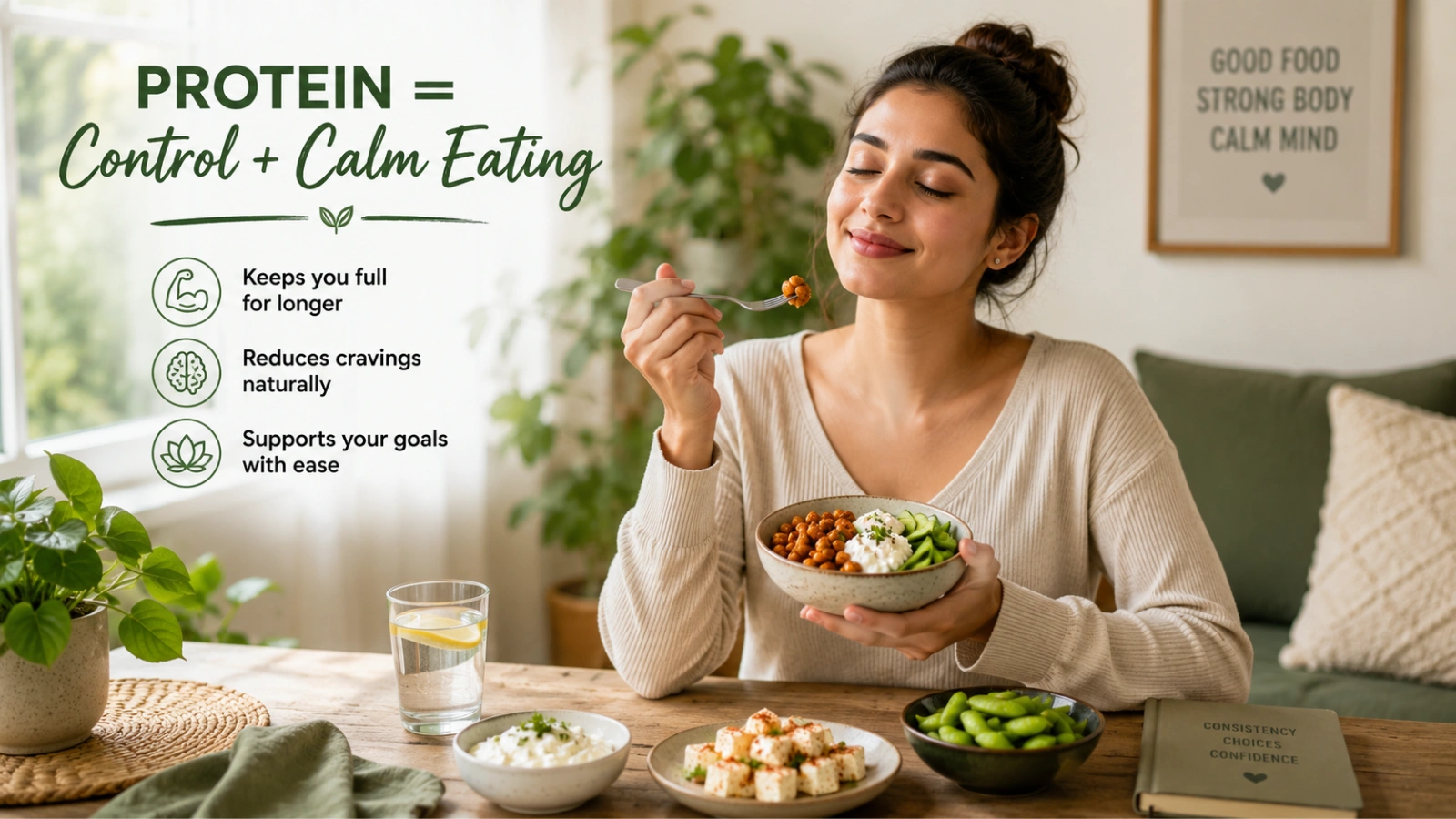
You do not need to rebuild your entire diet overnight.
For most people, improving just two snack moments per day creates noticeable changes in hunger, energy, and calorie control.
That is the real value of low calorie high protein snacks. They work with your body instead of against it, helping you stay full without constantly thinking about food.
Start small. Pick two high-protein snacks from this list and rotate them throughout your week. Learn which ones genuinely keep you full and fit naturally into your routine.
Then build from there.
A good snack should reduce stress around eating, not create more of it. When protein becomes part of the equation, staying on track starts feeling far more natural.
People Also Ask – Your Real Questions, Answered Directly
How many grams of protein make a snack “high protein”?
A snack qualifies as high protein when it contains at least 10 grams of protein per serving. Most low calorie high protein snacks fall within the 10 to 20 gram range, which is where the strongest satiety benefits tend to appear.
Can vegetarians get enough protein from snacks alone?
Yes. Edamame, tofu, lentils, chickpeas, paneer, tempeh, Greek yogurt, and cottage cheese make it very realistic to hit meaningful protein targets without meat. Many high protein snacks that vegetarian eaters rely on can easily support daily protein goals.
What’s the best high-protein snack under 100 calories?
Cottage cheese, egg whites, and edamame consistently deliver some of the best protein-to-calorie ratios available, which is why they are often recommended as low calorie high protein snacks for weight loss.
Do high-protein snacks help with weight loss?
Yes. Protein supports fullness hormones and reduces overall calorie intake naturally, which can make weight loss feel more manageable. That is one reason high-protein snacks are often more effective than carb-heavy snack foods.
Is it better to eat protein snacks before or after a workout?
Both can help. Pre-workout snacks support energy levels, while post-workout protein supports muscle repair and recovery. Choosing high-protein snacks around workouts can also help improve satiety throughout the day.