


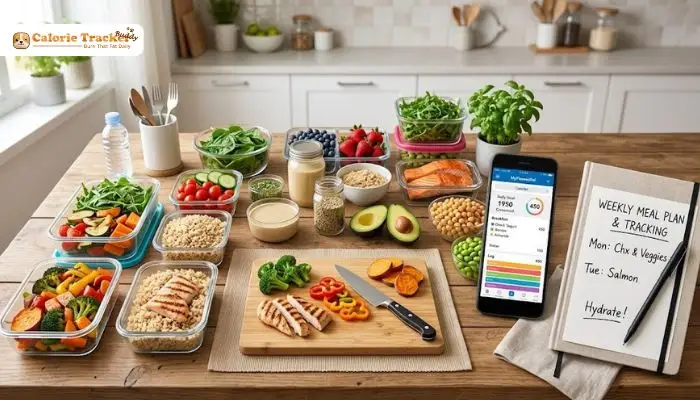
Building a healthy eating plan sounds simple in theory, but most people struggle to make it last beyond a few weeks. You start strong on Monday with fresh produce, balanced meals, and good intentions, only to find yourself ordering takeout by Friday. The truth is, sticking to a healthy eating plan isn’t about willpower; it’s about strategy, structure, and small, sustainable shifts that fit your real life.
A plan that works isn’t extreme or restrictive. It’s flexible, realistic, and built around foods you actually enjoy. In this guide, you’ll learn how to Create A Balanced Diet Plan that aligns with your goals, fits your schedule, and keeps you consistent without burnout. From smart meal prep to tracking your progress with technology, we’ll cover everything you need to finally build a routine that lasts for the long haul.
Listen To The Podcast Now!
Why Most Eating Plans Don’t Stick?

Before you begin, it helps to understand why so many attempts fail. Most people abandon their healthy eating plan because it’s too rigid, too complicated, or simply doesn’t match their lifestyle. They aim for perfection on day one and feel defeated by day three.
Common reasons plans collapse include:
- Cutting out entire food groups too quickly
- Setting unrealistic calorie targets
- Relying on willpower instead of systems
- Ignoring personal preferences and cultural foods
- Not preparing for busy days or social events
A successful healthy eating plan accounts for real-life challenges. It allows occasional treats, includes foods you genuinely love, and adapts when your schedule shifts. The goal isn’t perfection; it’s consistency.
When you understand the pitfalls, you can sidestep them. Instead of chasing rapid results, focus on building habits that compound over time. That mindset shift alone can transform how you approach nutrition forever.
How to Start a Healthy Eating Plan the Right Way?
Knowing how to start a healthy eating plan is often the hardest part. The trick is to begin small rather than overhaul your entire kitchen overnight. Pick one or two changes you can commit to this week, like adding vegetables to lunch or swapping sugary drinks for water.
Begin by assessing your current habits. Track what you eat for three days without judgment to spot patterns. Then set clear, realistic goals tied to how you want to feel, not just a number on the scale.
Next, plan your meals around whole foods: lean proteins, complex carbs, healthy fats, fruits, and vegetables. Stock your pantry with staples so you’re never caught off guard. A well-stocked kitchen makes a healthy eating plan feel effortless rather than restrictive.
Finally, schedule grocery runs and prep time into your week. Treating your plan like an important appointment increases follow-through dramatically and removes the daily mental load of deciding what to eat.
Crafting a Simple 7-Day Healthy Eating Plan:
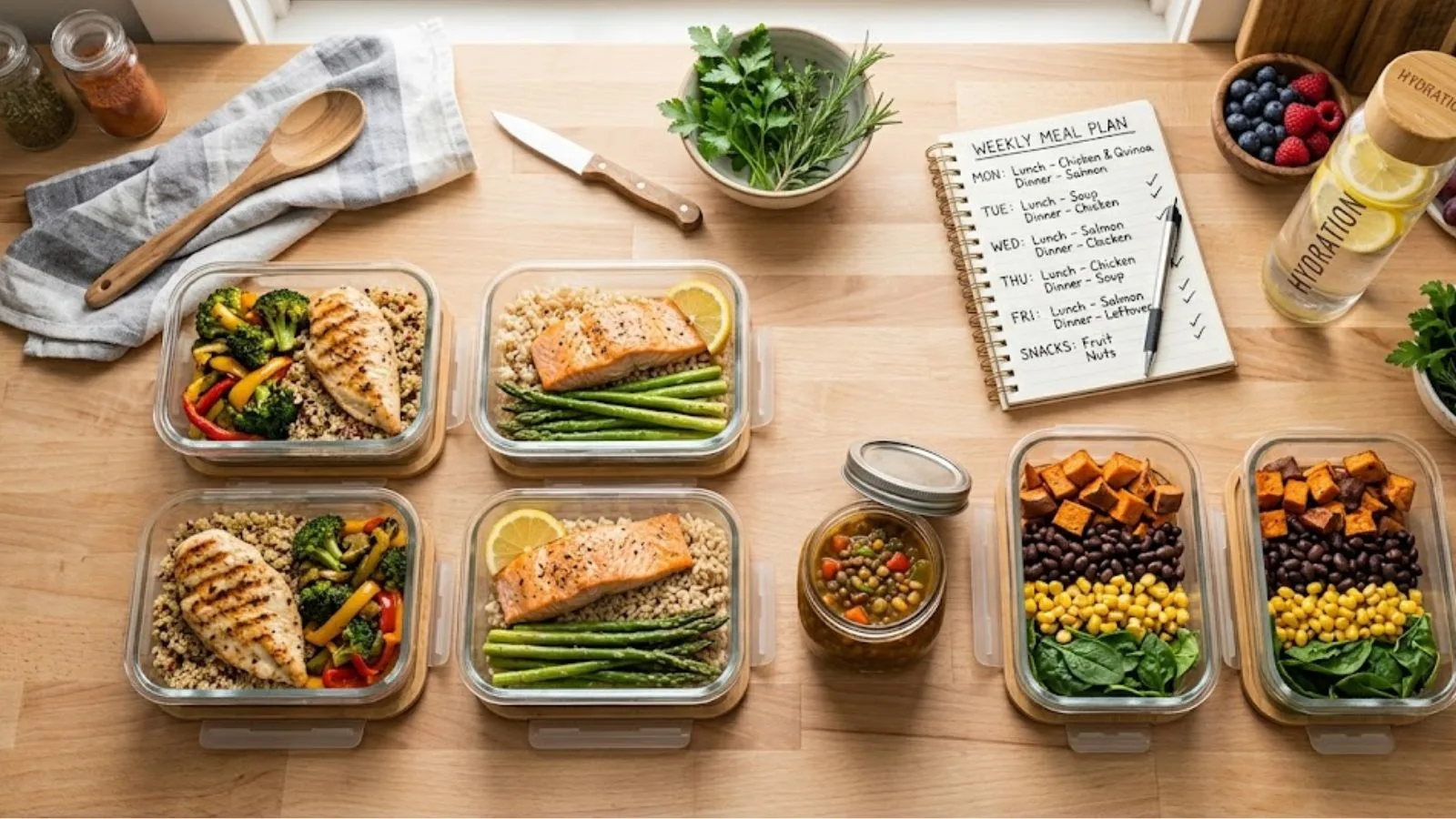
A structured 7-day healthy eating plan gives you a clear roadmap for the week ahead. Instead of deciding what to eat in the moment, you’ve already done the thinking, which removes decision fatigue and reduces the temptation to grab fast food when hunger strikes.
Start by mapping out three balanced meals and one or two snacks for each day. Aim for variety across the week:
- Monday: Grilled chicken, quinoa, roasted vegetables
- Wednesday: Lentil soup, whole grain bread, mixed salad
- Friday: Baked salmon, brown rice, steamed greens
Repeat similar templates with small swaps to keep things interesting. Batch-cooking proteins and grains on Sunday saves hours during the week and ensures your healthy eating plan stays on track even on chaotic days.
Don’t forget hydration and portion sizes. A weekly outline also helps you shop smart, since you’ll know exactly what to buy. Over time, this rhythm becomes second nature, making nutritious choices feel automatic rather than effortful.
Designing a Healthy Eating Plan for Weight Loss:
If your goal is fat loss, a healthy eating plan for weight loss should focus on a moderate calorie deficit, not extreme restriction. Cutting too many calories backfires; it slows metabolism, increases cravings, and leads to rebound eating that wipes out your progress.
Prioritize protein at every meal to preserve muscle and stay full longer. Fill half your plate with vegetables for fiber and volume without excess calories. Choose whole grains over refined carbs and include healthy fats like avocado, nuts, and olive oil in measured portions.
Track portions mindfully rather than obsessively. A balanced, healthy eating plan typically creates a deficit of 300 to 500 calories below maintenance, which supports steady, sustainable progress of around half a kilo per week.
Avoid liquid calories, limit ultra-processed snacks, and prioritize sleep, which directly impacts hunger hormones. Remember, the best approach is one you can follow for months, not just a few stressful days. Consistency beats intensity every single time.
Also Read:
Track Your Progress With Calorie Tracker Buddy:

Even the best healthy eating plan needs a smart tracking system to keep you accountable. That’s where Calorie Tracker Buddy comes in. Available on both iOS and Android, this AI-powered wellness app makes logging meals fun, fast, and visual instead of feeling like a tedious chore.
Here’s what makes it stand out:
- Snap & Track Meals: Just photograph your food, and the app instantly estimates calories, nutrients, and overall balance
- Virtual Buddy Companion: A cute pet that grows and thrives as you stick to healthy choices
- Macro & Water Tracking: Monitor protein, carbs, fats, and hydration in one streamlined place
- Calorie Burn Tracking: Logs everyday movement and structured workouts automatically
- Personalized Suggestions: Tailored tips based on your dietary preferences and goals
- Real-Time Feedback: Instant insights help you make smarter choices in the moment
Visit calorietrackerbuddy.com to start tracking smarter and turn your healthy eating plan into a lasting lifestyle habit.
Smart Habits That Make Your Plan Stick:
A solid, healthy eating meal plan only works if you support it with the right daily habits. Start by prepping ingredients in advance: chop vegetables, portion proteins, and pre-cook grains so nutritious choices are always within easy reach.
Other habits that build long-term consistency include:
- Eating slowly and mindfully to recognize fullness cues
- Drinking a glass of water before each meal
- Keeping a food journal or using an app to spot patterns
- Allowing flexibility for social events and occasional treats
Don’t let one off day derail your entire week. Progress isn’t linear, and one indulgent meal won’t undo your effort. The strongest predictor of success is bouncing back quickly after slip-ups, not avoiding them entirely.
Build a support system, too. Share your goals with a friend or family member, or use community features in tracking apps. Accountability turns a private healthy eating plan into a shared journey, which makes it far more enjoyable and sustainable over time.
Conclusion:
A healthy eating plan that sticks isn’t built in a day. It’s the product of small, consistent choices, smart preparation, and the right tools to keep you accountable. Start where you are, focus on progress over perfection, and don’t be afraid to adjust as you learn what works for your body and lifestyle. With realistic goals, balanced meals, and reliable tracking support, you can finally turn healthy eating into a lifelong habit rather than just another temporary phase.
FAQs:
Q1. How long does it take to see results from a healthy eating plan?
Ans: Most people notice better energy and digestion within two weeks, while visible body changes typically appear after four to six weeks of consistency.
Q2. Can I have cheat meals while eating healthy?
Ans: Yes. Allowing flexibility prevents burnout and keeps your approach sustainable. Aim for the 80/20 rule: nutritious choices most of the time, indulgences occasionally.
Q3. Do I need to count calories every day?
Ans: Not strictly, but tracking helps you understand portion sizes and patterns, especially during the first few weeks when you’re building awareness.
Q4. What’s the easiest way to start?
Ans: Begin with one meal at a time. Improve breakfast first, then lunch, then dinner. Small wins build momentum and lasting confidence.