


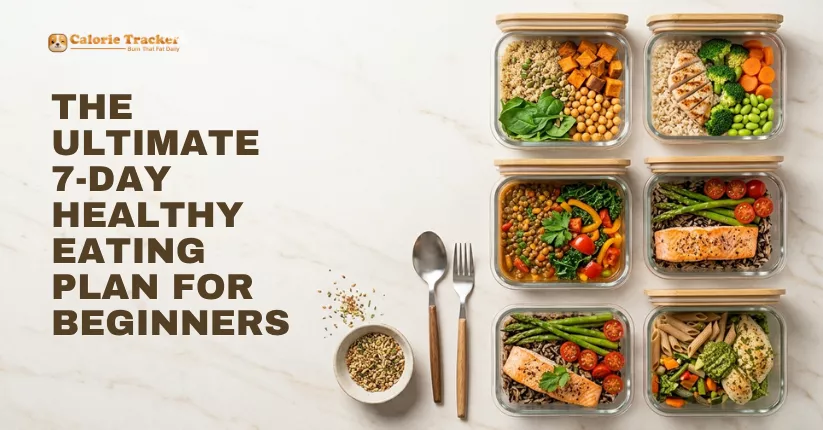
Ever feel like “eating healthy” sounds simple… but gets confusing the moment you try to start?
One article says cut carbs. Another says eat more fats. And somewhere in between, you’re just trying to figure out what to eat for dinner.
Here’s the truth: a healthy eating plan isn’t about restriction, it’s about balance, consistency, and making smarter choices that actually fit your lifestyle.
This guide breaks it all down for you – no overwhelm, no extreme diets. Just a practical, beginner-friendly approach along with a 7-day healthy eating plan you can actually follow.
Listen To The Podcast Now!
What Is a Healthy Eating Plan?
A healthy eating plan is simply a structured way of eating that gives your body all the nutrients it needs, without cutting out entire food groups or making your life miserable.
Think of your body like a machine. It needs:
- Fuel (carbohydrates)
- Repair materials (proteins)
- Support systems (fats, vitamins, minerals, and water)
Instead of focusing on “good vs bad” foods, a smart plan focuses on:
- Variety
- Portion control
- Nutrient balance
It’s not about perfection. It’s about building habits that work long-term.
Why Following Healthy Eating Habits Matter
When you follow a consistent healthy eating meal plan, you’ll notice changes that go beyond just weight.
1. Stable Energy Throughout the Day
No more mid-day crashes. Balanced meals keep your energy steady.
2. Easier Weight Management
A healthy eating plan for weight loss works because it naturally reduces overeating and improves metabolism.
3. Better Digestion
Fiber-rich foods support gut health and reduce bloating.
4. Improved Mental Clarity
What you eat directly impacts focus, mood, and productivity.
5. Reduced Health Risks
Balanced nutrition lowers the risk of lifestyle diseases like diabetes and heart issues.
Key Components of a Healthy Eating Plan
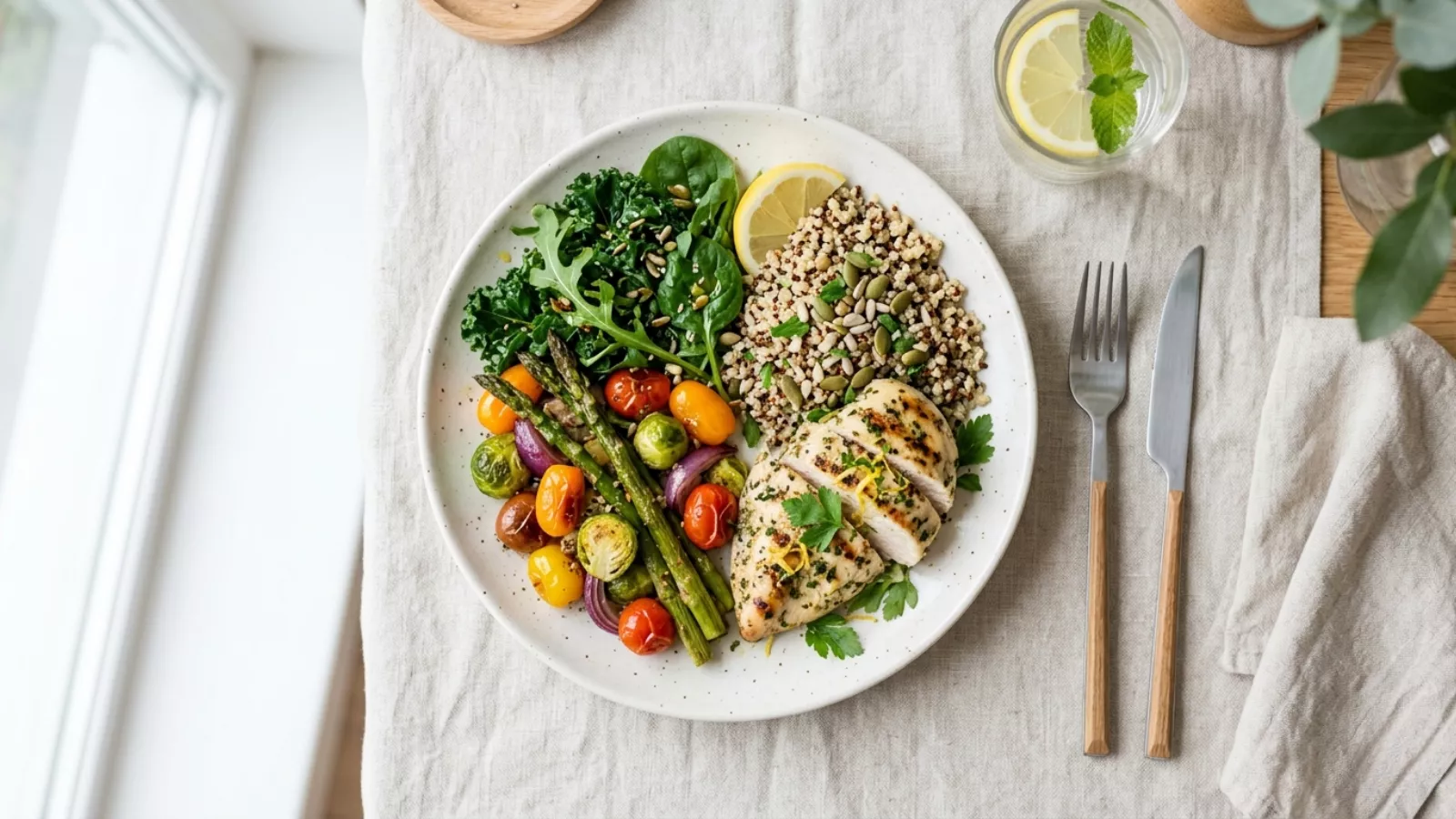
Before jumping into the weekly plan, let’s understand what your plate should actually look like.
Macronutrients (Your Daily Essentials)
Carbohydrates (45–55%)
- Whole grains (brown rice, oats, quinoa)
- Fruits and vegetables
👉 These provide sustained energy.
Proteins (20–30%)
- Eggs, chicken, fish
- Dal, paneer, tofu
👉 Helps in muscle repair and keeps you full.
Fats (20–30%)
- Nuts, seeds, ghee, olive oil
👉 Supports hormones and brain health.
Micronutrients (Small but Powerful)
- Vitamins (A, C, D, B-complex)
- Minerals (iron, calcium, magnesium)
These support immunity, bones, and overall body functions.
The Simple Plate Rule
An easy way to follow healthy eating :
- ½ plate: Vegetables & fruits
- ¼ plate: Protein
- ¼ plate: Whole grains
Add healthy fats in moderation and stay hydrated.
How to Start a Healthy Eating Plan
If you’re wondering how to start a healthy eating plan, don’t overcomplicate it. Start small.
Step 1: Set a Clear Goal
Weight loss? Better energy? Muscle gain?
Your goal defines your approach.
Step 2: Clean Up Your Basics
- Reduce packaged foods
- Cut down sugary drinks
- Add more whole foods
Step 3: Plan Your Meals
Even a rough structure prevents impulsive eating.
To make things even easier, you can use tools like Calorie Tracker Buddy that simplify the process. Instead of manually tracking everything, you can just snap your meals, monitor your calories, and stay consistent with your healthy eating plan, without overthinking it.
Meet Calorie Tracker Buddy: Your Smart & Fun Way to Stay on Track

Sticking to a healthy eating plan sounds great, until real life gets busy.
That’s where Calorie Tracker Buddy changes the game.
Instead of complicated tracking or boring logs, this app turns your health journey into something simple, interactive, and surprisingly fun. With a mix of smart tracking and a virtual companion that keeps you motivated, staying consistent no longer feels like a task.
Key Features That Make It Stand Out
- Snap & Track Meals
Just click a photo of your food, your calories and nutrients are tracked instantly. No manual entry needed.
- Calorie Intake & Burn Tracking
Monitor both what you eat and what you burn throughout the day for a complete picture.
- Goal-Based Insights
See how each meal impacts your progress toward weight loss or fitness goals.
- Your Virtual Health Buddy
A unique feature that keeps you motivated—your buddy grows as you make healthier choices.
- Hydration & Activity Tracking
Track daily water intake and steps to stay aligned with your overall wellness.
- Real-Time Feedback
Get instant suggestions and insights to improve your eating habits.
A healthy eating plan works best when you can actually stick to it.
And sometimes, the right tool makes all the difference.
If you want to stay consistent, track smarter, and actually enjoy the process
Calorie Tracker Buddy is worth trying.
👉 Start small. Stay consistent. And let your buddy keep you on track.
Step 4: Focus on Consistency, Not Perfection
Missing one meal doesn’t ruin your progress, quitting does.
7-Day Healthy Eating Plan for Beginners
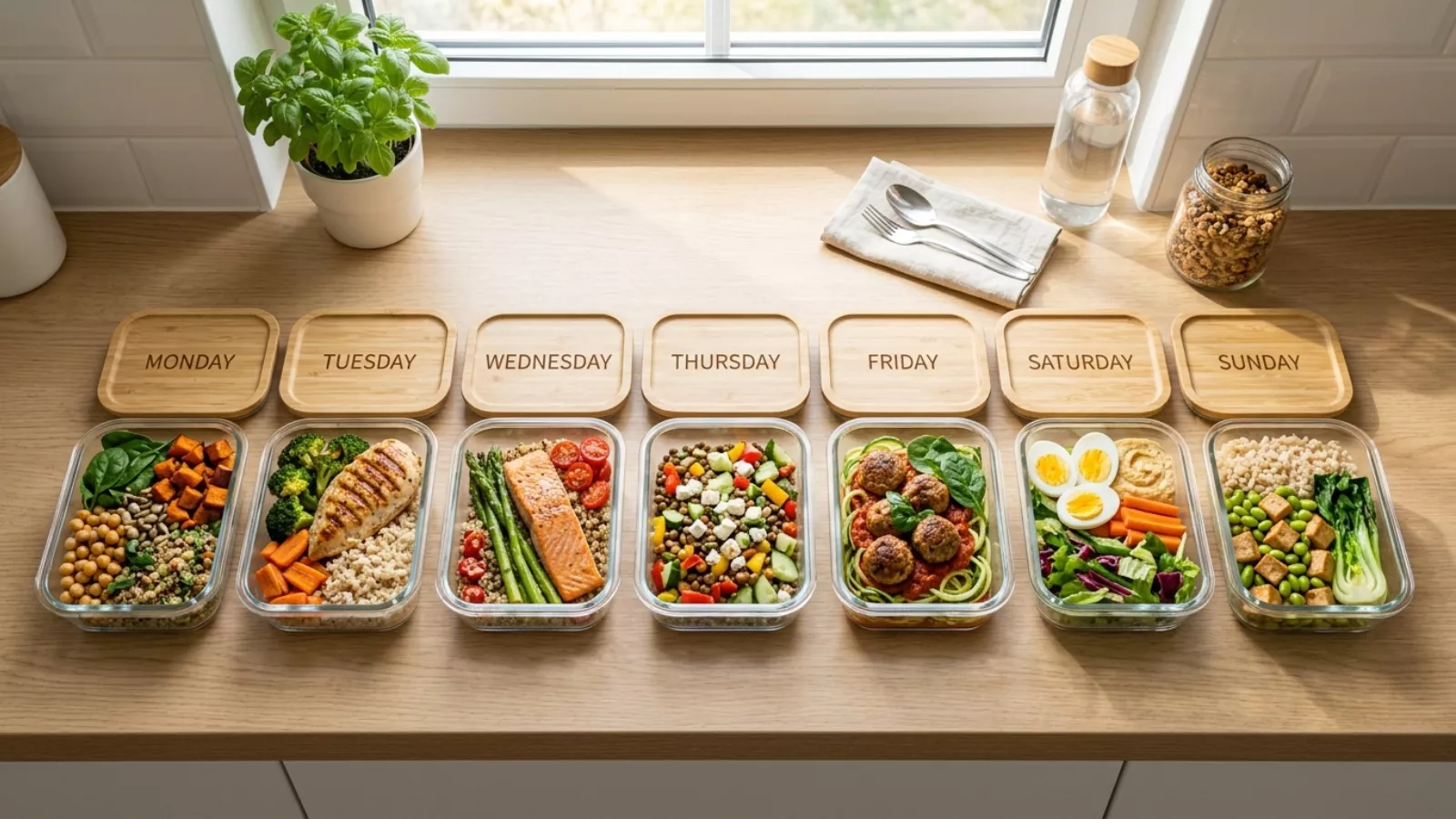
Here’s a practical and balanced 7-day healthy eating plan you can follow or customize based on your needs.
| Day | Breakfast | Mid-Morning Snack | Lunch | Evening Snack | Dinner |
| Day 1 | Oatmeal with fruits & nuts | Apple or banana | Grilled chicken salad + whole grain bread | Green tea + almonds | Grilled fish + sautéed veggies + quinoa |
| Day 2 | Vegetable omelette + toast | Mixed nuts | Brown rice + dal + cucumber salad | Yogurt + berries | Stir-fried tofu + broccoli + brown rice |
| Day 3 | Smoothie (banana, spinach, almond milk, chia seeds) | Walnuts | Whole wheat pasta + salad | Roasted chickpeas | Baked salmon + sweet potato + spinach |
| Day 4 | Multigrain paratha + curd | Orange | Grilled chicken + brown rice + veggies | Buttermilk + peanuts | Vegetable soup + whole grain bread |
| Day 5 | Greek yogurt + granola + berries | Trail mix | Roti + paneer curry + salad | Coconut water + boiled egg | Grilled chicken + quinoa + green beans |
| Day 6 | Poha with vegetables | Pear or guava | Dal + mixed vegetable curry + brown rice | Green tea + seeds | Baked fish/tofu + stir-fried vegetables |
| Day 7 | Scrambled eggs + avocado toast | Watermelon | Lemon rice + lentil soup + vegetables | Fruit smoothie | Light chicken stew or vegetable soup |
Day 1
Breakfast: Oatmeal with fruits & nuts
Snack: Apple or banana
Lunch: Grilled chicken salad + whole grain bread
Snack: Green tea + almonds
Dinner: Grilled fish + sautéed veggies + quinoa
Day 2
Breakfast: Vegetable omelette + toast
Snack: Mixed nuts
Lunch: Brown rice + dal + cucumber salad
Snack: Yogurt + berries
Dinner: Stir-fried tofu + broccoli + brown rice
Day 3
Breakfast: Smoothie (banana, spinach, almond milk, chia seeds)
Snack: Walnuts
Lunch: Whole wheat pasta + salad
Snack: Roasted chickpeas
Dinner: Baked salmon + sweet potato + spinach
Day 4
Breakfast: Multigrain paratha + curd
Snack: Orange
Lunch: Grilled chicken + brown rice + veggies
Snack: Buttermilk + peanuts
Dinner: Vegetable soup + whole grain bread
Day 5
Breakfast: Greek yogurt + granola + berries
Snack: Trail mix
Lunch: Roti + paneer curry + salad
Snack: Coconut water + boiled egg
Dinner: Grilled chicken + quinoa + green beans
Day 6
Breakfast: Poha with vegetables
Snack: Pear or guava
Lunch: Dal + mixed vegetable curry + brown rice
Snack: Green tea + seeds
Dinner: Baked fish/tofu + stir-fried vegetables
Day 7
Breakfast: Scrambled eggs + avocado toast
Snack: Watermelon
Lunch: Lemon rice + lentil soup + vegetables
Snack: Fruit smoothie
Dinner: Light chicken stew or vegetable soup
This healthy eating meal plan ensures variety, balanced nutrition, and sustainability, key for long-term success.
Healthy Eating Plan for Weight Loss
If your goal is weight loss, you don’t need extreme diets. You need smart adjustments.
A healthy eating plan for weight loss focuses on:
-
Portion Control
Eat until satisfied, not stuffed.
Small, mindful portions help prevent overeating without making you feel restricted. -
High-Fiber Foods
Vegetables, fruits, and whole grains keep you full longer.
They slow digestion and reduce unnecessary snacking throughout the day. -
Protein in Every Meal
Reduces cravings and supports fat loss.
It also helps maintain muscle mass while your body burns fat. -
Cutting Empty Calories
Avoid sugary drinks, processed snacks, and deep-fried foods.
These add calories without nutrition and often lead to energy crashes. -
Staying Active
Even 30 minutes of daily movement makes a difference.
Regular activity boosts metabolism and supports long-term weight management.
Dont Stop, Read More Here:
Foods to Include in Your Healthy Eating Plan
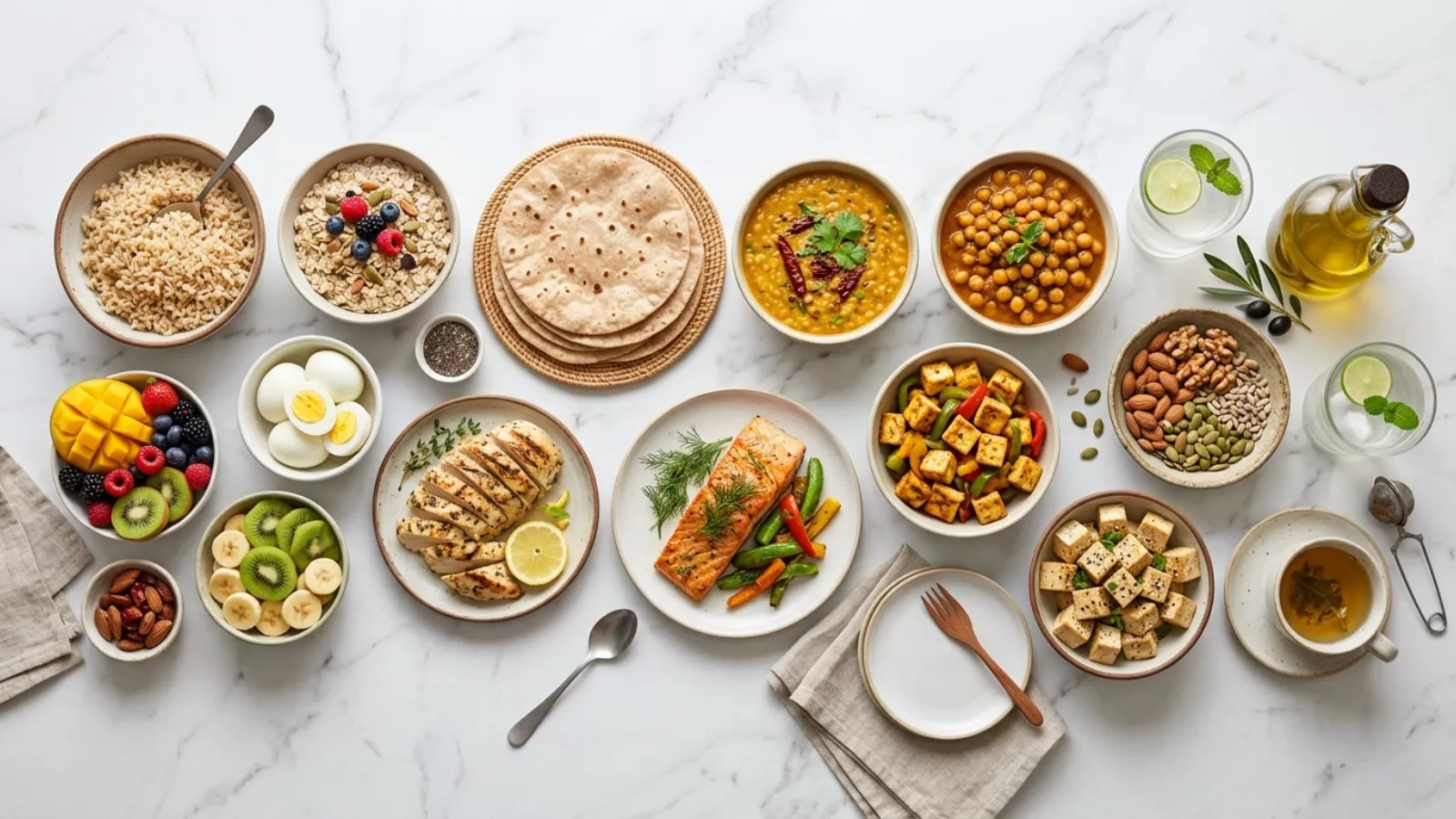
To make your healthy eating plan effective, focus on nutrient-dense foods:
Healthy Carbs
- Brown rice
- Oats
- Whole wheat roti
- Fruits
Proteins
- Eggs, chicken, fish
- Dal, rajma, chana
- Paneer, tofu
Healthy Fats
- Almonds, walnuts
- Seeds
- Ghee and olive oil
Hydration
- Water
- Coconut water
- Herbal teas
Foods to Limit
You don’t need to eliminate these, but control them:
- Sugary snacks and drinks
- Processed and packaged foods
- Deep-fried items
- Excess salt
Balance is the key, not restriction.
Common Mistakes Beginners Make
Starting a healthy eating plan is great, but these mistakes can slow you down:
-
Skipping Meals
Leads to overeating later.
When your body stays hungry too long, it craves quick, unhealthy fixes.
-
Eating Too Clean, Too Fast
Extreme restriction leads to burnout.
Trying to change everything overnight often makes the plan hard to sustain.
-
Ignoring Protein
Causes hunger and muscle loss.
Without enough protein, you feel less full and lose strength over time.
-
Not Drinking Enough Water
Affects digestion and energy.
Even mild dehydration can make you feel tired and increase false hunger signals.
-
Following Trends Blindly
What works for others may not work for you.
Your body, lifestyle, and goals need a plan that’s personalized, not copied.
Tips to Stick to Your Healthy Eating Plan
Consistency beats motivation. Here’s how to stay on track:
-
Plan Ahead
Meal prep reduces last-minute unhealthy choices.
-
Keep It Simple
You don’t need fancy recipes, just balanced meals.
-
Eat Mindfully
Avoid distractions while eating.
-
Stay Flexible
Occasional treats are okay.
-
Track Progress, Not Perfection
Focus on long-term habits.
Who Should Follow a Healthy Eating Plan?
A healthy eating plan benefits everyone:
- Beginners trying to build better habits
- Working professionals needing sustained energy
- Students wanting better focus
- Fitness enthusiasts aiming for performance
- People managing weight or health conditions
It’s not a diet, it’s a lifestyle upgrade.
Conclusion
Starting a healthy eating plan doesn’t require drastic changes, it requires the right ones.
By focusing on balance, portion control, and consistency, you create a system that supports your health without overwhelming your routine.
This 7-day healthy eating plan is your starting point, not a strict rulebook. Adjust it, personalize it, and most importantly, stick with it.
Because real results don’t come from perfection.
They come from showing up every day and making better choices.
Frequently Asked Questions
1. What is a healthy eating plan?
It is a structured way of eating that includes balanced portions of carbs, proteins, fats, and essential nutrients.
2. How do I start a healthy eating plan?
Start small, clean up your diet, plan meals, and focus on consistency rather than perfection.
3. Can a healthy eating plan help with weight loss?
Yes, a healthy eating plan for weight loss helps manage calories while keeping you full and energized.
4. What should I avoid in a healthy eating plan?
Limit processed foods, sugary drinks, and excessive fried items.
5. Is a 7-day healthy eating plan enough?
It’s a great starting point. Long-term success comes from maintaining these habits consistently.