



Building a healthy eating plan that you can actually stick to is one of the smartest things you can do for your long-term well-being. Yet most people quit within weeks because their plan ignores their schedule, budget, and food preferences.
The truth is, there’s no single perfect diet for everyone. A plan that works for a busy parent will look nothing like one designed for a college student or an athlete. The goal isn’t to copy someone else’s routine but to design something realistic for your own life. In this guide, you’ll learn how to create a flexible, sustainable approach to eating that fits your day, supports your goals, and still leaves room for the foods you love. Let’s break it down step by step.
Listen To The Pocast Now!
What Is a Healthy Eating Plan?
So, what is a Healthy Eating Plan exactly? At its core, it’s a flexible framework that guides what, when, and how much you eat to meet your nutritional needs. A good, healthy eating plan balances proteins, carbohydrates, healthy fats, fibre, vitamins, and minerals while matching your calorie requirements. It isn’t a rigid set of rules or a list of “forbidden” foods. Instead, it focuses on consistency and variety.
Vegetables, fruits, whole grains, lean proteins, and healthy fats form the foundation, while treats fit in occasionally without guilt. The best plans are sustainable, meaning you can follow them for months and years, not just days. When eating well becomes a habit rather than a punishment, results follow naturally and stay with you for the long haul.
Why Your Plan Must Fit Your Life?
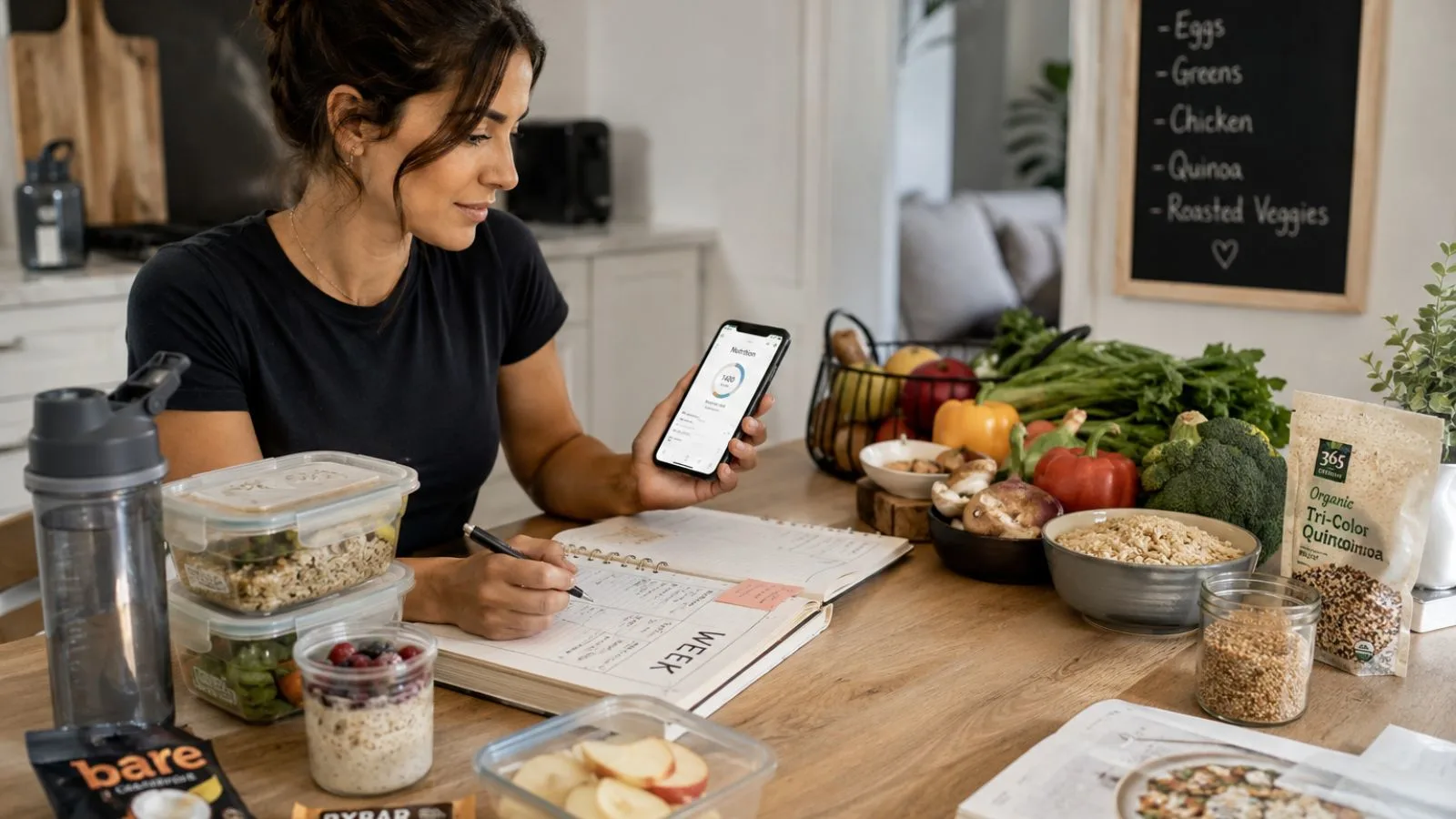
The biggest reason diets fail is that they ignore the person following them. A healthy eating plan only works if it fits your routine, culture, and tastes. Ask yourself a few honest questions before you begin: How much time do you have to cook?
What foods do you genuinely enjoy? What’s your budget? Do you eat out often? Your answers shape everything. Someone with a packed schedule might lean on simple, batch-cooked meals, while a home cook may enjoy preparing fresh dishes daily.
A practical healthy eating plan also accounts for your goals, whether that’s weight loss, more energy, or better digestion. When your plan reflects real life instead of an ideal version of it, you remove the friction that usually leads to giving up. Flexibility is what turns a short-term effort into a lasting lifestyle.
Steps to Build Your Plan:
Ready to build your own healthy eating plan? Start by setting a clear, realistic goal so every food choice has a purpose. Next, work out your daily calorie and nutrient needs based on your age, activity level, and target. Then, fill your plate using a simple rule: half vegetables and fruits, a quarter lean protein, and a quarter whole grains.
Plan your meals around foods you actually like so the routine feels enjoyable rather than restrictive. Prepping ahead, like washing produce or cooking grains in advance, removes daily decision fatigue.
Stay hydrated and watch portion sizes, since even healthy foods add up. Finally, track your progress and adjust as you go. A strong, healthy eating plan is never set in stone; it evolves with your body, schedule, and preferences over time.
Designing a Healthy Eating Meal Plan:
A structured, healthy eating meal plan takes the guesswork out of your week. Begin by mapping three balanced meals and one or two snacks per day. For breakfast, combine protein and fibre, such as eggs with whole-grain toast or yoghurt with fruit and oats.
Lunches and dinners should pair a lean protein with vegetables and a complex carbohydrate. Snacks like nuts, fruit, or hummus keep energy steady between meals. Batch-cooking on weekends makes weekdays effortless, and rotating a handful of go-to recipes prevents boredom.
The beauty of a well-built, healthy eating plan is that it gives structure without removing freedom. You can swap ingredients, adjust portions, and enjoy occasional treats while still hitting your nutritional targets. Consistency, not perfection, is what makes your plan deliver real, lasting results.
A Simple 7-Day Healthy Eating Plan:
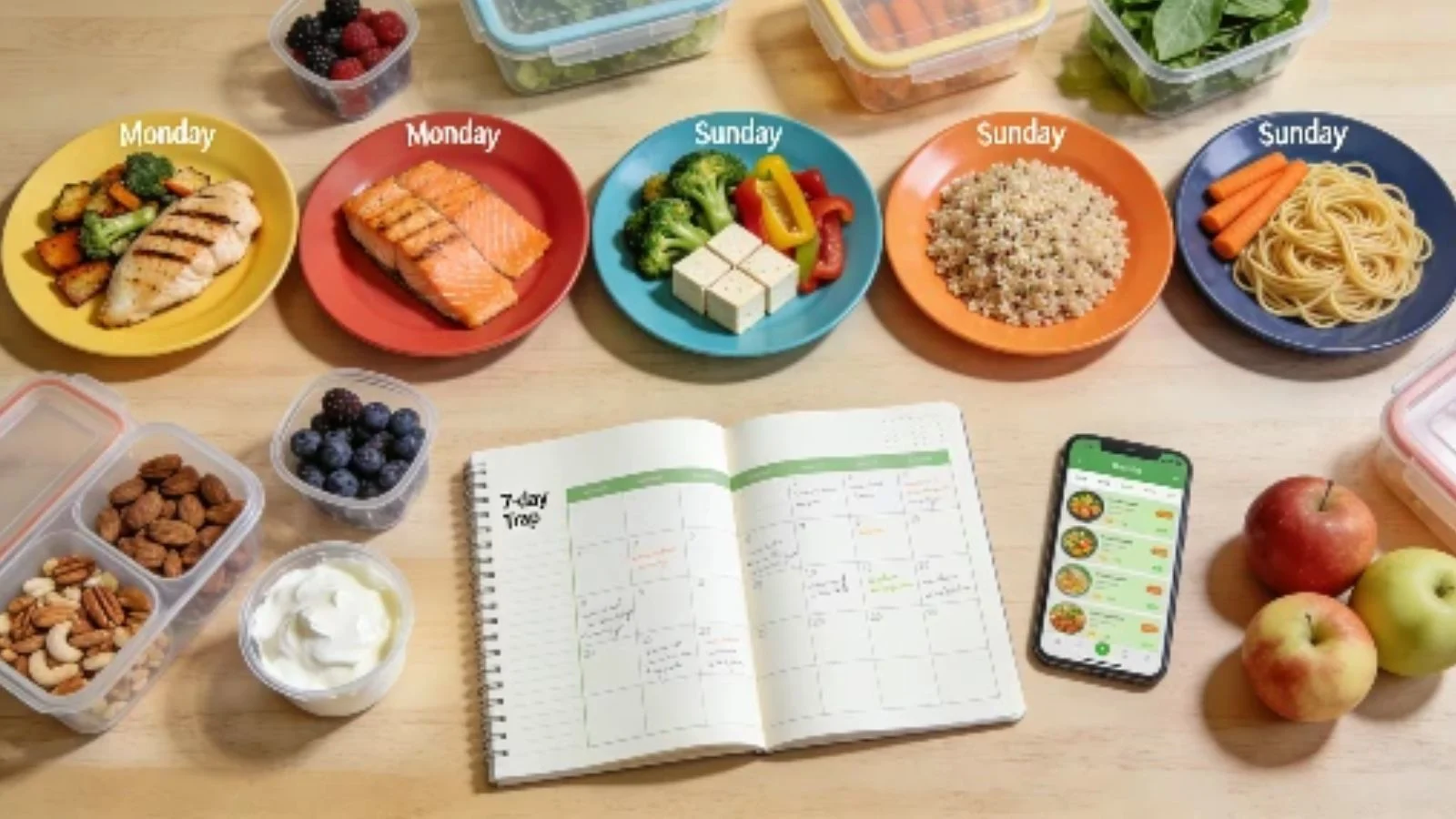
If you’re not sure where to begin, a 7-day healthy eating plan gives you a clear, low-pressure starting point. The idea is simple: plan one week at a time, repeating meals you enjoy and experimenting with one or two new recipes.
Aim for variety across the week, different proteins, colourful vegetables, and a mix of whole grains, so you cover a broad range of nutrients. Keep breakfasts quick, prep lunches in advance, and reserve more involved cooking for evenings or weekends.
Build in one flexible day for eating out or trying something new, which keeps the routine sustainable. After a week, review what worked and what didn’t, then refine your healthy eating plan for the following week. This short cycle helps you build momentum and confidence without feeling overwhelmed by long-term commitments.
Common Mistakes to Avoid:
Even a good, healthy eating plan can fall apart if you make a few common mistakes. The first is being too strict; cutting out entire food groups usually leads to cravings and burnout. The second is comparing your plan to someone else’s, when your needs are unique.
Skipping meals to “save” calories often backfires, causing overeating later. Many people also forget to plan for real-life moments like parties, travel, or busy days, which leaves them unprepared.
Another trap is expecting instant results and quitting when progress feels slow. Remember, a healthy eating plan is a marathon, not a sprint. Allow room for mistakes, treat slip-ups as data rather than failure, and keep adjusting. The people who succeed aren’t the most disciplined; they’re the ones who build a routine flexible enough to survive a normal, imperfect week.
Also Read:
Make It Effortless With Calorie Tracker Buddy:

Sticking to a healthy eating plan becomes far easier when you have the right tools and a little motivation. That’s exactly where Calorie Tracker Buddy comes in, a fun, AI-powered app that turns tracking into a daily celebration. Instead of tedious logging, you simply snap a photo of your meal and let the app do the work, all while a cute virtual pet grows happier with every healthy choice you make. Standout features include:
- Snap the Meal: Point your camera and instantly scan calories, nutrients, and balance.
- Calorie Intake & Burn Trackers: Log what you eat and count every step you take.
- Goal Predictions: See how each meal and snack affects your progress.
- Menu Scanner: Scan any restaurant menu for smart, goal-friendly swaps.
- Buddy Motivation: Your virtual pet keeps you accountable and motivated daily.
It’s a simple, joyful way to keep your healthy eating plan on track.
Conclusion:
Building a healthy eating plan that fits your life isn’t about following the strictest diet or copying a trend; it’s about creating a flexible, realistic routine you can maintain for years. Start with clear goals, balance your plate, plan around the foods you love, and adjust as your needs change.
Small, consistent choices always beat short bursts of perfection. The best healthy eating plan is one that feels natural, supports your goals, and still leaves space for enjoyment. With the right mindset and helpful tools to keep you motivated, eating well can become second nature rather than a constant struggle. Begin today, stay patient, and let your healthy eating plan grow alongside you.
Frequently Asked Questions:
Q1. How long does it take to see results from a healthy eating plan?
Ans: Most people notice better energy within a week or two, while visible physical changes usually appear after four to eight weeks of consistency.
Q2. Can I still eat my favourite foods?
Ans: Yes. A balanced approach includes occasional treats, so you never feel deprived. Moderation is what keeps your routine sustainable.
Q3. Do I need to count calories?
Ans: Not necessarily, but tracking can help you understand portions and stay aware, especially when you’re just getting started.
Q4. What if I slip up?
Ans: One off day won’t ruin your progress. Simply return to your routine at the next meal and keep moving forward.