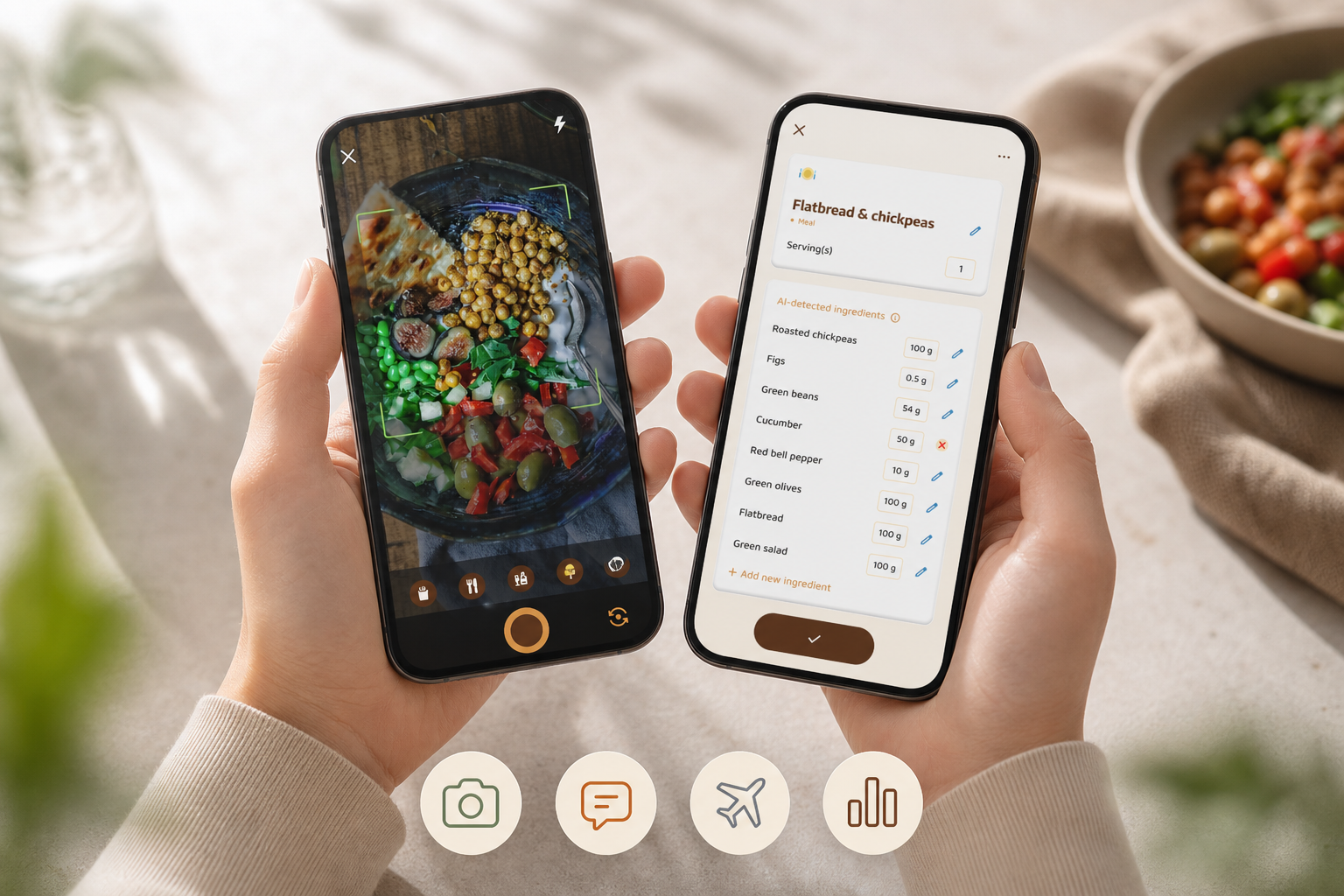


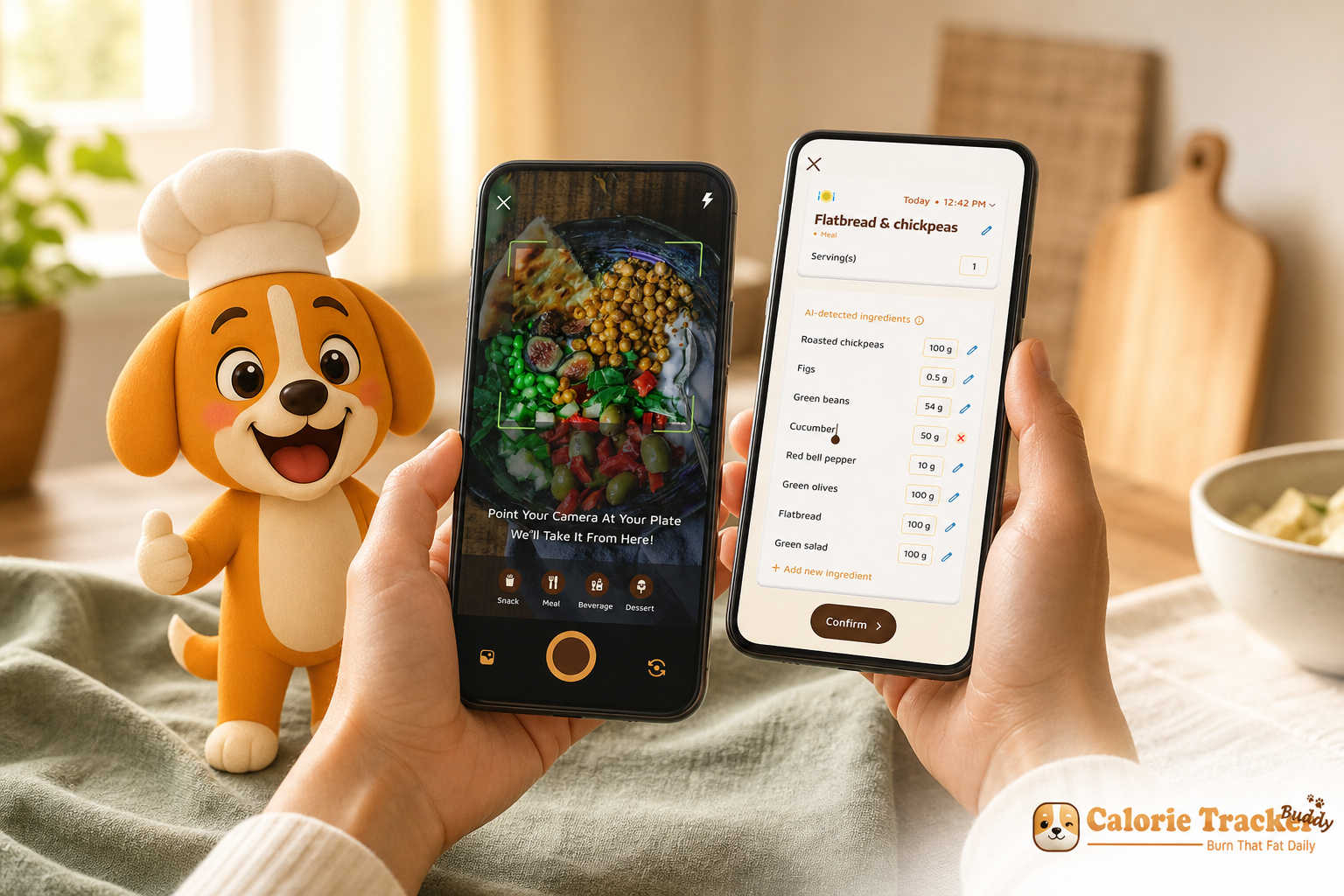
If you’re short on time, Calorie Tracker Buddy is faster for daily logging, while Noom offers deeper psychology and human coaches. If you want fast capture and low-friction nudges, choose the former; if you need structured behavior change and a person to message, choose the latter. For this 2026 review, I tested both all week during a packed work schedule. I’m judging them as a calorie tracker with coaching and challenges, not as general wellness apps. You’ll see where each one wins, with specifics you can act on today.
What Busy People Actually Need from a Calorie Tracker with Coaching
Your biggest problem isn’t motivation. It’s time. You need an app that fits between meetings, flights, school runs, and late-night takeout. In my tests, I judged options as a calorie tracker with coaching and challenges by five criteria that map to real weekday chaos. No brand names yet, just the framework.
First, speed of meal logging. Can you track a meal in under 30 seconds, with no typing or database hunt? If you can’t log fast, you will stop logging. I timed each lunch for a week. Anything that felt like “a task” failed this test.
Second, coaching quality. Is the guidance AI-driven, human, or community-based? The “right” answer depends on your needs. If you want therapy-informed lessons and a person to nudge you, human wins. If you want instant, bite-size prompts tied to your plate, smart in-app feedback can be enough.
Accountability, connectivity, and quick wins
Third, accountability features. Streaks, micro-challenges, and reminders can help when your schedule goes sideways. The key is “lightweight, but present.” You don’t have time for long check-ins. You do have time for a one-tap prompt or a clear streak counter that makes you think twice before skipping dinner logging.
Fourth, offline capability. If you commute underground or fly, can you still log meals and workouts, then sync later? Offline support sounds niche until you’re mid-flight with a snack and no way to keep your streak alive.
Fifth, time-to-value. How fast do you get actionable feedback, without a long setup? For example, can you take a photo of your meal and get a macro snapshot and a simple next-step tip within seconds? Or do you have to read a 10-minute lesson before anything useful happens?
The Rubric (5 Things That Actually Matter)
In practice, five things determine whether a calorie tracker with coaching and challenges fits a hectic week. You should be able to log a full meal in under 30 seconds, ideally with no typing. Coaching needs to meet you where you are with instant AI tips rather than demanding long sit-downs. Accountability should stay lightweight with streaks, tiny challenges, and clear reminders that don’t interrupt your day. Finally, offline logging with auto-sync and fast, actionable feedback must kick in within minutes, not after a lengthy setup.
Calorie Tracker Buddy Overview: Strengths and Weaknesses
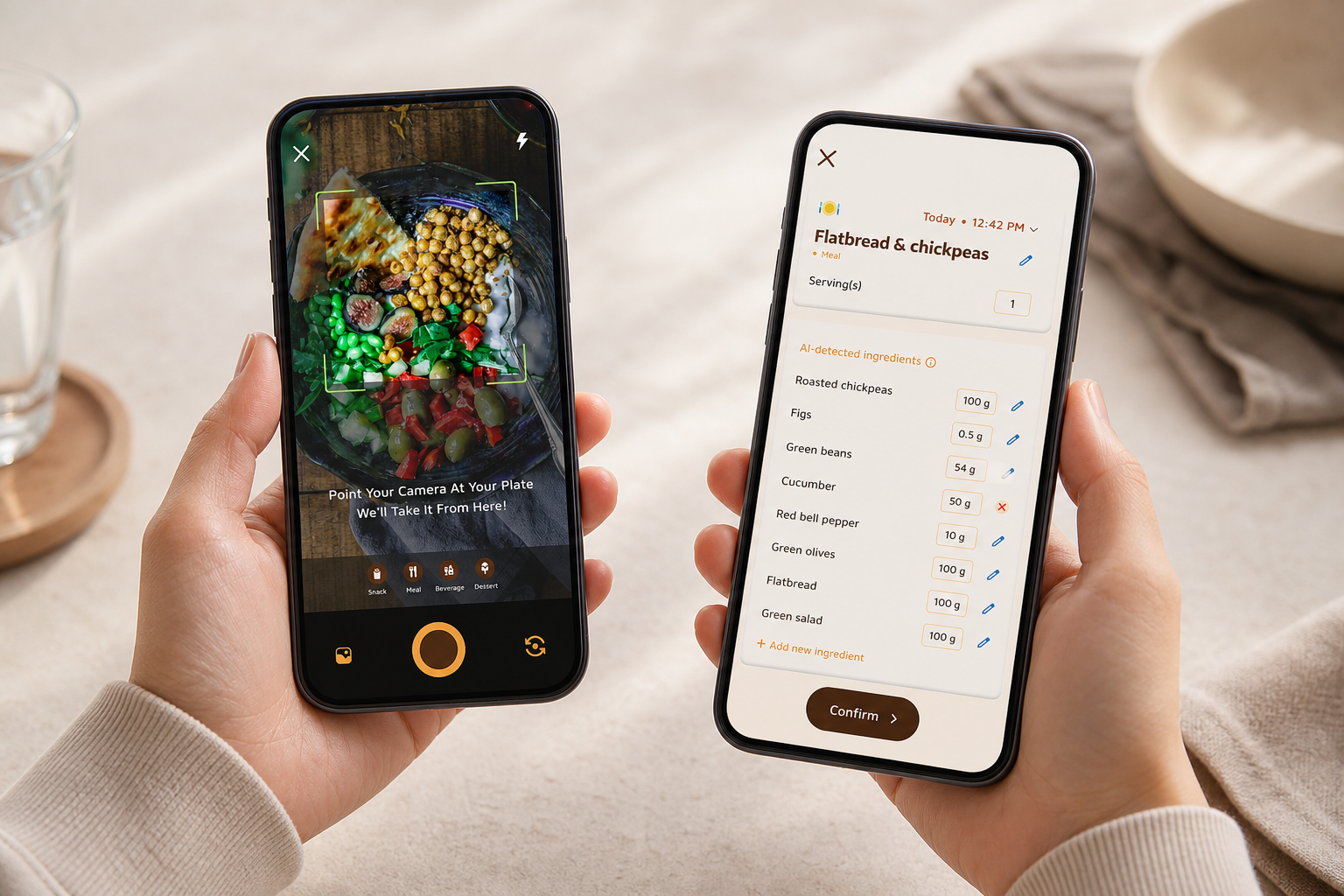
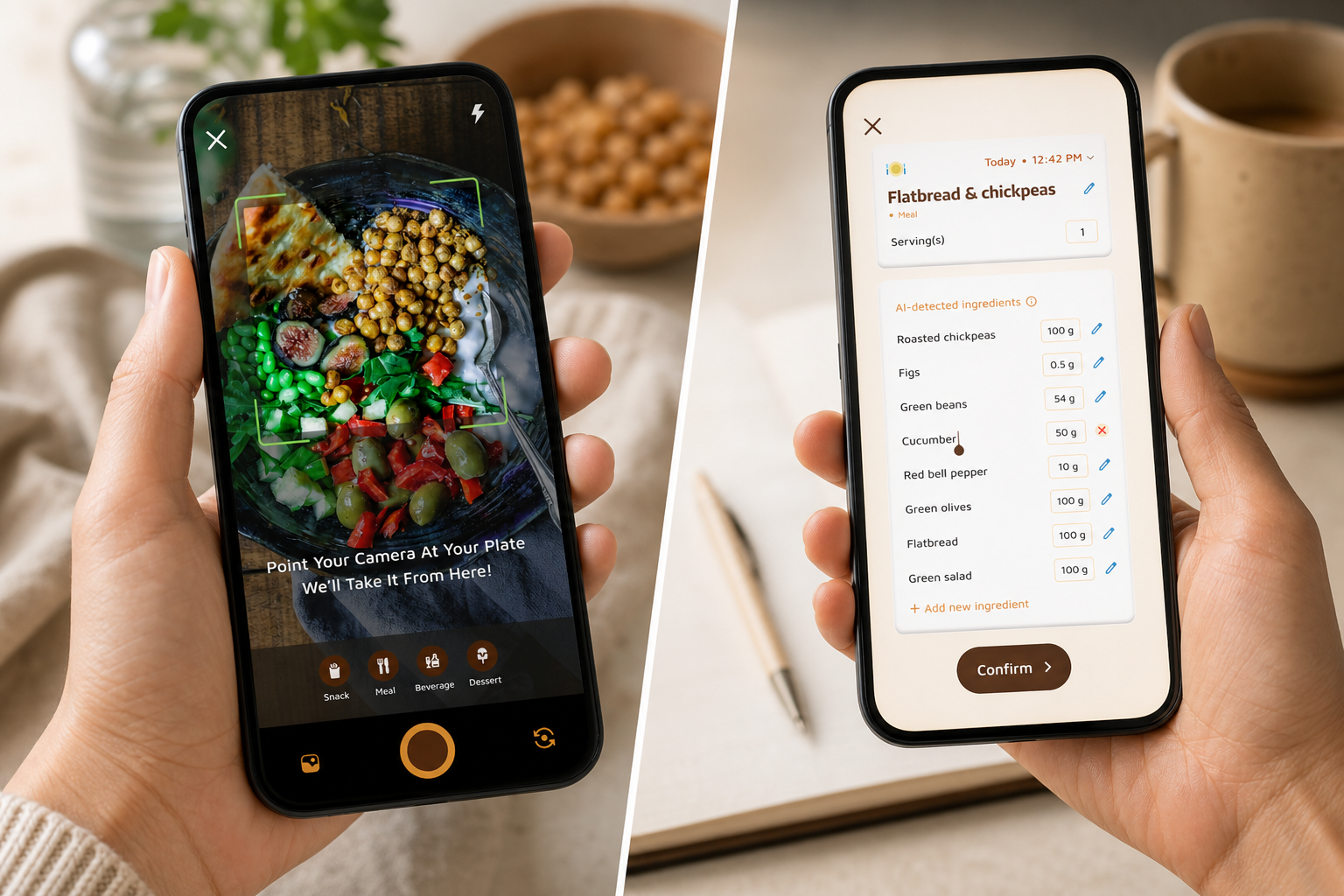
I started with speed. I snapped a photo of a chicken rice bowl and had calories and macros on-screen in about 8–10 seconds. That’s the core Calorie Tracker Buddy advantage: photo-based tracking that turns a picture into nutrition details, then adds real-time feedback.
During a sprint between calls, I logged lunch, got a “you’re light on protein” tip, and moved on.
No search terms. No barcode dance.
Beyond the camera, the app tracks macros (carbs, protein, fat), water, and exercise. The defaults matter: 10,000 steps/day and 2.5 liters/day hydration targets are built-in, so you don’t have to fiddle with goals. It also syncs with Google Fit, so my steps and workouts appeared without manual entry. That alone saved me a few minutes each night.
Fitness Coach mode is where structure lives. You can get tailored advice, custom challenges, and motivational support tied to your goals. In practice, this looked like a three-day “add 20g protein at lunch” challenge that popped up right after the app saw two low-protein days.
The “virtual buddy” adds a bit of fun: the pet grows and reacts as you stay on track. On day five, the app flagged that late-night snacks were pushing me over. The nudge wasn’t judgmental, it suggested earlier protein and a short walk.
Offline logging worked well. I logged a sandwich on airplane mode and saw it sync when I landed. That is a quiet superpower if you travel. I also liked the AI Menu Scanner for restaurant nights. I scanned a bistro menu, got calories, macros, and a “swap fries for a side salad to hit your goal” suggestion in seconds.
Strengths I Noticed
Calorie Tracker Buddy’s strengths start with photo-based logging that produces instant calorie and macro estimates, then layers on real-time feedback and goal predictions to show how each choice shapes your day. Fitness Coach mode adds custom challenges and timely tips that stay aligned with your stated goals. The app’s offline meal and workout logging auto-syncs once you’re connected again, and it tracks macros, water, exercise, and steps against clear daily targets so there’s no guesswork. Dietary preferences and allergy settings refine recommendations, while Google Fit integration keeps step and workout data flowing without manual entry.
Trade-Offs to Consider
Guidance leans toward structured challenges and in-app tips rather than deep psychology, and there’s no human coach if you want a person to message. The virtual buddy’s gamified style may feel juvenile if you prefer a plain, clinical interface. Social posting is available but takes time you might not want to spend, and overall brand recognition is smaller than Noom’s.
“Before using the app, I didn’t know where to start with calorie tracking… The meal snap feature is a big improvement.” — Aanya Rastogi
For a deeper look at how challenges and coaching blend in practice, see the 2026 explainer: calorie tracker with fitness coaching and challenges 2026 guide.
Also Read!
Noom Overview: Strengths and Weaknesses
Noom built its name on psychology. If you want lessons rooted in cognitive behavioral therapy, it delivers a daily curriculum with habit loops, thought patterns, and food decisions explained in plain language. It also assigns human coaches and adds small group support. In tests, my coach replied with thoughtful notes, but not in real time. Messages landed hours later, which is fine for reflection, less ideal for in-the-moment choices.
Its color-coded food system, green, yellow, red, makes choices simple at a glance. On a rushed morning, I scanned my usual breakfast list and saw how to nudge the plate more “green.” If you’re just starting out, that clarity helps. The app also has strong brand recognition and research roots. For a primer on the therapy side, read the background on Cognitive behavioral therapy.
Time Trade-Offs for Noom
However, daily lessons take time. I clocked 10–15 minutes per day to read and quiz. That’s a real lift if you only have five spare minutes.
Food logging is also manual and database-driven. I spent 25–40 seconds per meal to search and adjust portions, which added up across a day. There’s no offline logging, so tunnels and flights mean you’ll backfill later.
Pricing is on the high side, plans are commonly quoted at $60+/month or around $199/year with auto-renew and an onboarding quiz. That’s not “bad” value if you use the coach and lessons every day. But cost includes time, not just money. If your schedule is erratic, you may not extract the full value.
Where Noom Stands Out
Noom stands out by pairing a human coach with group support for steady accountability. Its CBT-informed curriculum teaches the psychology of eating and practical habit change, while the color-coded green/yellow/red system reduces decision fatigue for beginners. A large community and strong brand recognition reinforce trust if you prefer proven, widely known programs.
Where It Struggles for Busy Schedules
For time-pressed users, manual database logging is slower than photo capture, and the 10–15 minutes of daily reading raises pressure on crowded days. Coach responses are thoughtful but not instant, limiting just-in-time nudges. Subscriptions run higher with longer commitments and there’s no offline logging to cover flights or dead zones. Taken together, those constraints make Noom harder to keep up with when time and connectivity are tight.
If you want a longer, weight-loss–first angle on this matchup, I also wrote a separate piece: Calorie Tracker Buddy vs Noom for Weight Loss.
**Get instant photo logging today →
Also Read!
Feature-by-Feature Comparison: Calorie Tracker Buddy vs Noom
I tested each app across seven dimensions for a calorie tracker with coaching and challenges. Here’s how they stack up and why each win matters on a slammed calendar.
- Meal logging speed: Calorie Tracker Buddy wins. I snapped a meal and got calories in under 10 seconds. By contrast, Noom’s manual search and portion edit took me 25–40 seconds. If you eat between meetings, speed is the deciding factor.
- Coaching approach: Noom wins. Human coaches plus a CBT curriculum go deeper than Calorie Tracker Buddy’s in-app tips and Fitness Coach challenges. Just note: that depth asks for more time. If you won’t read or chat, you won’t benefit.
- Accountability and motivation: Calorie Tracker Buddy wins. The virtual buddy, streaks, and custom challenges created micro-motivation all day with no heavy lift. Noom’s group check-ins and lesson prompts help, but they need more attention per touch.
- Offline capability: Calorie Tracker Buddy wins. I logged on airplane mode and synced later. Noom needs a connection, which breaks streaks during flights and subways unless you remember to backfill.
- Behavioral education: Noom wins. Structured lessons on psychology and habits are its core strength. Calorie Tracker Buddy gives real-time tips and predictions, but it’s not a course.
- Macro and nutrition depth: Calorie Tracker Buddy wins. Detailed macros, water tracking with a 2.5 L/day target, exercise and step tracking provide granular control. Noom’s green/yellow/red system is great for clarity but loses detail.
- Integration and ecosystem: Tie. Both connect with fitness trackers. Calorie Tracker Buddy explicitly supports Google Fit, which made my step data plug-and-play.
Winner by Category (One-Line Justifications)
- Meal Logging Speed — Calorie Tracker Buddy: Photo snap beats manual search.
- Coaching Approach — Noom: Human coach + CBT goes deeper.
- Accountability & Motivation — Calorie Tracker Buddy: Lightweight streaks and challenges keep you moving.
- Offline Capability — Calorie Tracker Buddy: Logs offline and auto-syncs.
- Behavioral Education — Noom: Daily lessons teach the “why.
- Macro & Nutrition Depth — Calorie Tracker Buddy: Full macros, water, exercise, steps.
- Integration & Ecosystem — Tie: Both sync; CTB names Google Fit support.
| Category | Winner | Why it matters for busy people |
|---|---|---|
| Meal Logging Speed | Calorie Tracker Buddy | Capture a meal in seconds, not half a minute |
| Coaching Approach | Noom | Deeper behavior change if you’ll invest the time |
| Accountability & Motivation | Calorie Tracker Buddy | Streaks and pet gamification nudge you in real time |
| Offline Capability | Calorie Tracker Buddy | Keep logging on flights and in dead zones |
| Behavioral Education | Noom | Lessons explain choices for long-term change |
| Macro & Nutrition Depth | Calorie Tracker Buddy | Precise macros, water (2.5 L), exercise, steps (10k) |
| Integration & Ecosystem | Tie | Tracker sync keeps data flowing without manual steps |
For more context on free options and what you actually give up on paid plans, I recommend this breakdown: free vs paid calorie tracker.
Pricing Comparison: Value for Money on a Busy Schedule
Pricing has two parts: dollars and minutes. Noom is a paid subscription, usually in the $60+/month range or about $199/year with auto-renew and an initial assessment quiz. If you use the human coach and read lessons daily, that cost can be worth it. If you don’t, you’re paying for features you won’t touch.
Calorie Tracker Buddy is free to download on Android, and core tracking worked with no credit card required in testing. Some advanced modes may sit behind a premium tier; the exact pricing isn’t publicly confirmed on the site. However, the time cost is low: photo logging, auto-sync with Google Fit, and instant tips gave me value within minutes, not days.
- For a budget-conscious, busy pro, the “free tier viability” matters. Here, you can try Calorie Tracker Buddy’s fast logging, macro tracking, water targets, and even the virtual buddy on day one. You’ll know fast if it fits your routine.
- With Noom, the trial window is short and locks into a subscription. That’s fine if you’re set on human coaching and a curriculum. But if you need a grab-and-go tracker that still nudges you toward better choices, the free route lowers both risk and friction.
- If you’re comparing across several no-cost options before you commit, skim this list of contenders: best free calorie tracker app.
Verdict: Which Calorie Tracker with Coaching Is Best for Busy People?
Here’s the bottom line for a calorie tracker with coaching and challenges. If your week is a blur and you want fast capture, real-time prompts, and offline support, pick Calorie Tracker Buddy. The photo-based logging, Fitness Coach mode with custom challenges, and light gamification kept me on track with almost no extra time. I logged, got instant feedback, and moved on.
If your main struggle is psychological, emotional eating, thought spirals, habit loops, or you know you’ll benefit from a real person checking in, pick Noom. Its CBT-based lessons and human coaching are stronger for behavior change education. You will need to set aside 10–15 minutes per day and accept slower logging. But that time can pay off if you want to work on mindset, not just macros.
“I’ve been using Calorie Tracker Buddy for five weeks, and I’ve already lost 4kg… I didn’t have to cut out my favorite foods.” — Alex Sim
As an extra trust note, the behavior-change ideas Noom teaches are grounded in established therapy models like Cognitive behavioral therapy. On the other hand, Calorie Tracker Buddy’s real-time updates on calorie burns, meals, steps, and goal progress made it easy to act in the moment, which is where most busy days are won.
- Choose Calorie Tracker Buddy if you need fast photo logging, offline capture, detailed macros, and micro-challenges that fit five-minute breaks.
- Choose Noom if you need human accountability and a CBT-based curriculum to tackle habits and emotions behind your plate.
- Consider a mix if you want speed plus depth: use CTB for daily logging and Noom for a focused 8–12 week mindset block, then reassess.