



Macro and water tracking turns “eat less, move more” into a plan you can actually follow in 2026. Download free macro tracker → lays the base, and if you’re unsure how much to drink for your size and climate, this short water intake guide can anchor your daily target.
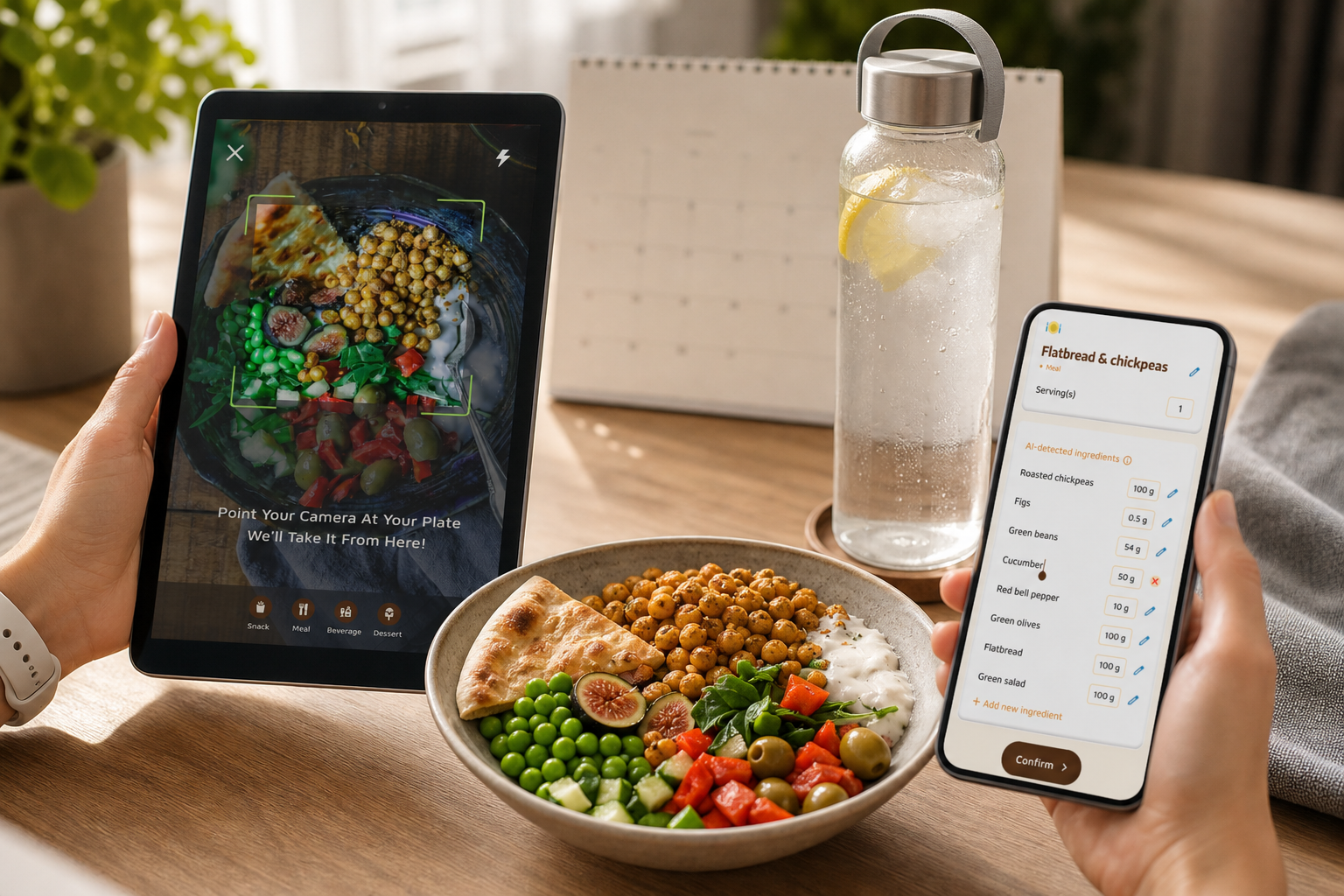
Why Tracking Macros and Water Together Accelerates Weight Loss
People often say “a calorie is a calorie.” That’s true, but it leaves out why the same calories can feel easy one week and brutal the next. Macros change the experience. For satiety, protein is the heavy hitter.
At 0.7–1.0 grams per pound of body weight, protein blunts hunger, maintains lean mass, and raises diet-induced thermogenesis a bit more than carbs or fat. Carbs and fats then fill the fuel and hormone roles. The mix of these three shifts how you feel day to day.
The simple science, in plain words
Here’s the simple science in plain words. In a deficit, higher protein reduces muscle loss and keeps your resting metabolic rate steadier. Carbs refill muscle glycogen, which drives better workouts and fewer “give me sugar now” cravings later. Fats slow gastric emptying and support hormone balance, which calms appetite spikes. So, a smart macro split turns the same calorie target into a plan you can actually follow.
Now add water. Your brain confuses mild dehydration with hunger; you snack when a glass of water would have solved it. Hydration also supports fat transport and oxidation because cellular processes, including lipolysis, depend on fluid balance. And exercise?
Even around a 2% body-weight water loss can impair endurance and cognition, which is one reason a lift or run feels “off” without fluids (NIH. Hydration and Health). In the gym, coaches regularly see output drop sharply without fluids, think: pace slows, reps fade, and form slips.
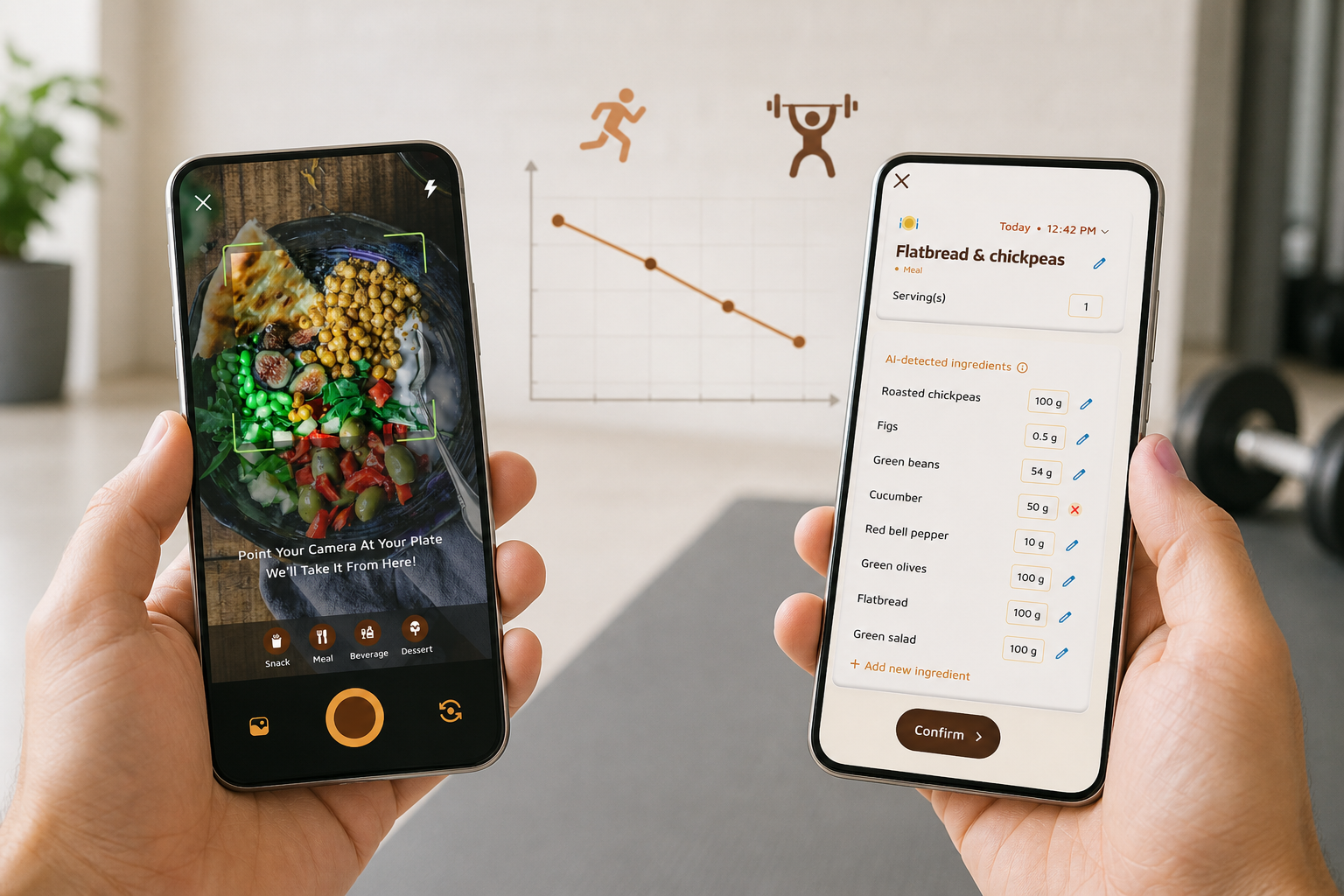
Consider a concrete example. A person eating 1,600 calories of mostly carbs will feel hungrier and lose more muscle than someone eating 1,600 calories with 30% protein, 35% carbs, and 35% fat. And if the first person drinks little water, expect more cravings and worse workouts. That’s why macro and water tracking beats “calories only.” You’re not just counting; you’re directing.
- Protein boosts fullness and preserves muscle in a deficit.
- Carbs and fats steer energy, cravings, and hormones.
- Hydration curbs “fake hunger” and keeps training sharp.
Bonus: small details that influence daily scale swings
- Fiber and sodium affect water retention. A high-sodium dinner or a jump in fiber can temporarily raise scale weight even if fat loss is happening. Track trends by week, not day.
- Caffeine counts toward fluid intake for most people. It’s mildly diuretic at high doses but still contributes to hydration overall.
- Cold environments can suppress thirst. If you train indoors with AC or outdoors in winter, schedule sips anyway.
Also Read!
Best Macro and Water Tracker for Weight Loss in 2026
Calorie Tracker Buddy vs MyFitnessPal for Weight Loss: Which Is Better for Macro and Water Tracking?
How to Set Up Your Macro and Water Targets: A Step-by-Step System
You don’t need perfect math to start. You need a clear first draft, consistent logging, and calm tweaks. Use this 7-step framework and track for two weeks before judging results.
Yes, it can feel tedious at first. That’s normal. It gets easier.
Step 1: Estimate your calorie needs (TDEE) with Mifflin–St Jeor
- Step 1: Estimate your TDEE (total daily energy expenditure). First calculate BMR with Mifflin–St Jeor, then multiply by an activity factor.
- BMR (men): 10 × weight(kg) + 6.
- BMR (women): 10 × weight(kg) + 6.
- Activity factors: 1.2 (sedentary), 1.375 (lightly active), 1.55 (moderately active), 1.725 (very active), 1.
- Multiply BMR × activity factor to estimate TDEE.
25 × height(cm) − 5 × age(years) + 5. 25 × height(cm) − 5 × age(years) − 161. 9 extra active) to estimate TDEE.
If you want a quick refresher on the formula’s background, see the Mifflin–St Jeor equation.
-
Step 2: Choose a modest deficit
Subtract 300–500 calories from TDEE. Smaller bodies and those with tough training weeks do better with a 300-calorie cut. Larger bodies or rest weeks can try 500. -
Step 3: Set protein
Aim for 0.7–1.0 grams per pound of body weight. If you’re brand new to meal prep, start at 0.8 g/lb to keep it doable. If you’re very lean and lifting hard, lean toward the higher end. -
Step 4: Set fat
Allocate 25–35% of the remaining calories (after protein calories) to fat. If you love nuts, eggs, and olive oil, use the higher end. If you prefer rice and fruit, choose the lower end. As a floor, keep fat at least ~0.25 g/lb to support hormones. -
Step 5: Fill the rest with carbs
Whatever calories remain go to carbs. This fuels training and supports mood and sleep. Around workouts, many feel best putting a bigger slice of carbs in the pre/post-workout window.
Step 6: Set a daily water target you’ll actually follow
5 ounces per pound of body weight. Then add 16 ounces for every 30 minutes of exercise. If you live in a hot climate or sweat a lot, add another 8–16 ounces. 5 Liter/Day as a simple floor on lighter days.
Clarified:
-
Baseline: 0.5 ounces per pound of body weight (about 30–35 ml/kg).
-
Exercise: add 16 ounces (≈ 500 ml) for every 30 minutes of exercise.
-
Heat/sweat: add another 8–16 ounces (250–500 ml) in hot climates or if you sweat heavily.
-
Floor: if you prefer metric, 2.5 L/day is a simple floor on lighter days.
-
If you train over 60–90 minutes, consider adding electrolytes (sodium 300–600 mg/hr; more if you’re a heavy sweater).
-
Pale-straw urine generally signals adequate hydration; consistently dark yellow means you’re behind.
-
Certain conditions (kidney issues, heart failure) or medications can change water needs—ask your clinician if unsure.
-
Caffeinated coffee/tea and most zero-calorie beverages count toward your fluid total for most people; alcohol does not.
Quick rule of thumb: 0.5 oz/lb baseline + 16 oz per 30 min of exercise + 8–16 oz for heat or heavy sweat covers most active people.
Example hydration schedule (plug in your numbers)
- Morning: 16–24 oz upon waking.
- Mid-morning: 12–16 oz (especially if you had coffee).
- Pre-workout: 8–12 oz 30–45 minutes before training.
- During training: 8–16 oz per 30 minutes (more if very hot).
- Afternoon/evening: the remaining ounces split between meals.
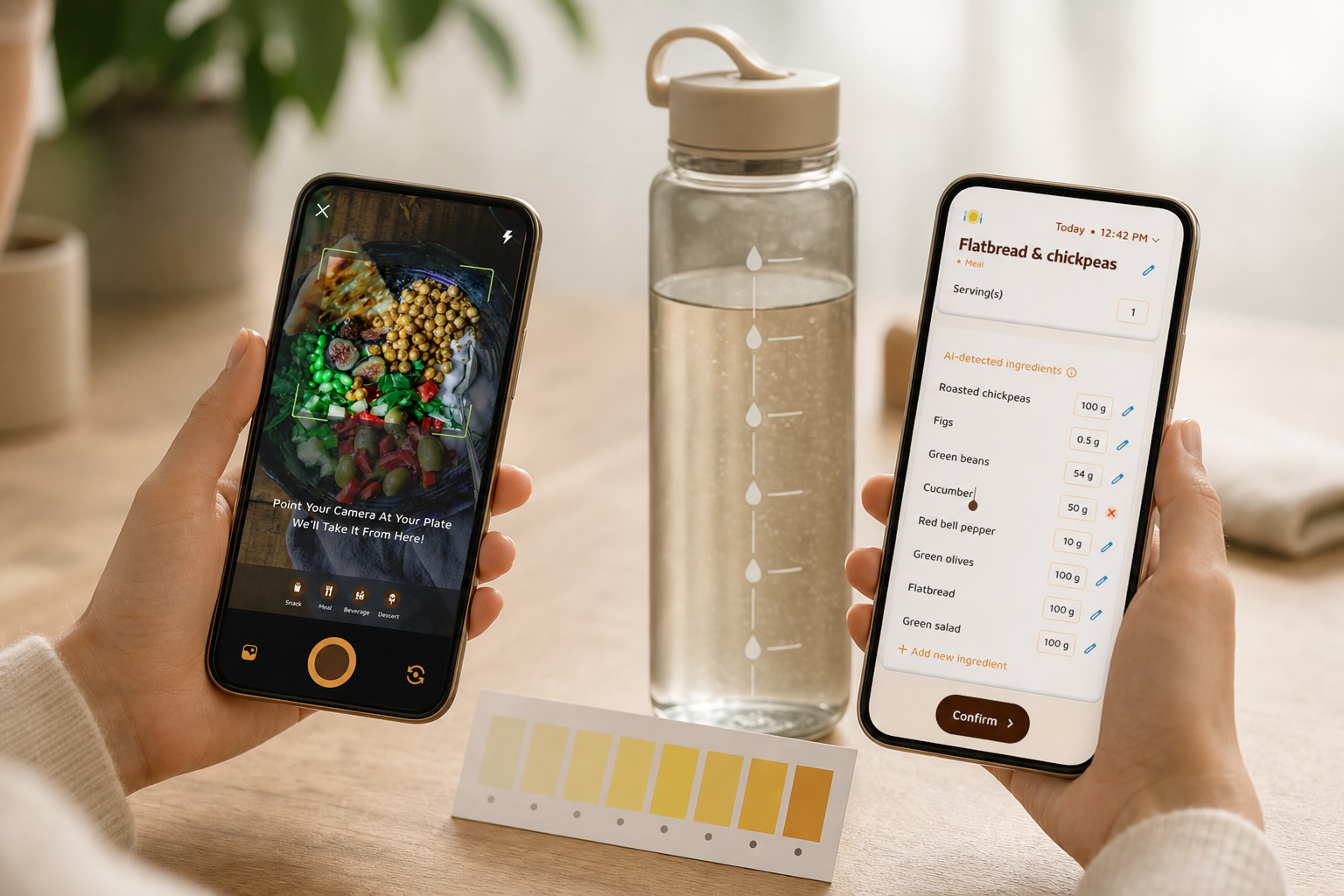
- Step 7: Pick a logging method and track for 3 days before adjusting
Use an app, a simple spreadsheet, or a paper journal. Log everything for three days without judgment, then make your first tweak. This is a process, not a pass/fail test. For a quick primer on setup, try this guide to tracking nutrition.
Example: 180-lb fat-loss setup (worked numbers)
- Profile: 180 lb (81.6 kg), 5'10" (178 cm), 35 years old, “moderately active” (factor ≈ 1.55).
- BMR (men): 10 × 81.6 + 6.25 × 178 − 5 × 35 + 5 = 816 + 1,112.5 − 175 + 5 ≈ 1,759 kcal/day.
- TDEE: 1,759 × 1.55 ≈ 2,727 kcal/day.
- Deficit: 2,727 − 500 = 2,227 kcal start point
Protein: 0.
Remaining calories: 2,227 − 576 = 1,651 kcal
Fat: 30% of the remaining 1,651 kcal = 495 kcal → 55 g fat
Carbs: Leftover calories: 1,651 − 495 = 1,156 kcal → 289 g carbs
Water: 0.5 oz/lb × 180 = 90 oz baseline. If you exercise 60 minutes, add 32 oz → 122 oz total (about 3.6 liters).
Specifically, these are starting points. Track for two weeks. If hunger is high and energy drags, raise protein to 0.9–1.0 g/lb or move 30–50 grams of carbs toward earlier in the day. If weight loss exceeds 1.5 lb per week, consider adding 100–200 kcal back for sustainability. This is macro and water tracking as a living plan, not handcuffs.
Sample meals to hit the example target (144 g protein, 289 g carbs, 55 g fat)
- Breakfast (35–40 g protein): 3 eggs + 250 g Greek yogurt + berries + honey; coffee or tea.
- Lunch (35–40 g protein): 6 oz chicken breast, 1.5 cups cooked rice, mixed veggies, olive-oil drizzle.
- Snack (20–25 g protein): whey shake with banana, or cottage cheese with pineapple.
- Dinner (40 g protein): 6–7 oz salmon, 8 oz potatoes, asparagus; optional side salad.
- Training-day tweak: shift 60–80 g of your carbs to pre/post-workout for performance.
5 Common Mistakes That Stall Weight Loss When Tracking Macros and Water
Perfection is not the goal. Progress is. Here are the errors that trip beginners in the first month, plus easy fixes. Read them like a coach checking your form, no judgment, just small tweaks that add up.
Mistake 1: Tracking calories but ignoring macro ratios
Eating 1,500 calories of refined carbs leads to hunger swings, poor training, and muscle loss risk.
Fix: Set protein first (0.7–1.0 g/lb), give fat a lane (25–35% of remaining calories), and let carbs fill the rest. Then look at each meal: include a protein anchor the size of your palm.
Mistake 2: Not weighing or measuring in the first 2 weeks
Eye-balling is off by 30–50% for most people. Two tablespoons of peanut butter can “become” four when you’re hungry.
Fix: Use a $10 digital scale and measuring spoons for 14 days. After that, you’ll have a better eye and can relax a bit.
Mistake 3: Drinking water only when thirsty
By the time you feel thirst, you’re already behind. That gap looks like “random” cravings and lower output in the gym.
Fix: Front-load 16–24 oz in the morning, sip 8–12 oz before meals, and add 16 oz per 30 minutes of exercise. Set phone reminders or use a bottle with time marks. A dedicated water tracker can reduce guesswork.
"Before using the app, I didn’t know where to start with calorie tracking. But now, it’s second nature! The meal snap feature is a big improvement." — Aanya Rastogi
Mistake 4: Setting protein too low
Default eating patterns skew carb-heavy because protein needs planning. Low protein means more hunger and slower body recomposition.
Fix: Add 25–35 g protein at breakfast (eggs, Greek yogurt, cottage cheese, whey), 30–40 g at lunch and dinner, and a 20–25 g snack if needed.
Mistake 5: Going all-or-nothing
One unlogged meal turns into a skipped day, then a skipped week.
Fix: Log what you can, even if it’s a rough entry. Imperfect tracking still beats no tracking for weight-loss results. If you miss a meal, resume at the next one without guilt.
Remember, even mild dehydration can sink training by a large margin on hot or long days. Treat water as part of your macro plan, not an afterthought. That’s the spirit of macro and water tracking done right.
Also Read!
Beginner’s Guide to Gamified Calorie Tracking with a Virtual Pet
Tools and Apps That Make Macro and Water Tracking Easier
You have choices. Pick the one you’ll actually use. An app is great if it speeds you up. A notebook is fine if it keeps you honest. The right tool is the one that lowers friction.
What to look for in a tracker
- Dedicated macro trackers have big food databases and barcode scanners. They shine when you eat packaged foods or repeat meals.
- Apps that combine macro and water tracking in one place help you see the full picture. Tools like Calorie Tracker Buddy let you log protein, carbs, fat, and water on the same screen and provide real-time feedback on how each meal shifts your daily progress. Goal predictions show if lunch pushed you over on fat or if dinner needs more protein. Daily Hydration Target defaults, such as 2.5 L/day, give you an easy floor on lighter training days. Many also sync with fitness trackers like Google Fit so steps and activity feed in without manual entry.
- Simple methods like a notes app or spreadsheet work if you hate apps. Snap a photo, write “chicken 6 oz, rice 1 cup,” and total macros at night.
- Smart water bottles with sensors nudge steady sipping. If you forget to drink until noon, this can be a quiet win.
What truly matters for weight loss is speed and clarity. Look for a barcode or photo scanner to log in seconds, a clear macro breakdown (not just total calories), water reminders, and progress charts that show weekly trends. If a tool doesn’t make logging easier by day three, try a different one. For a broader look at drink choices, this short read on coconut water can help you decide when it fits into your day.
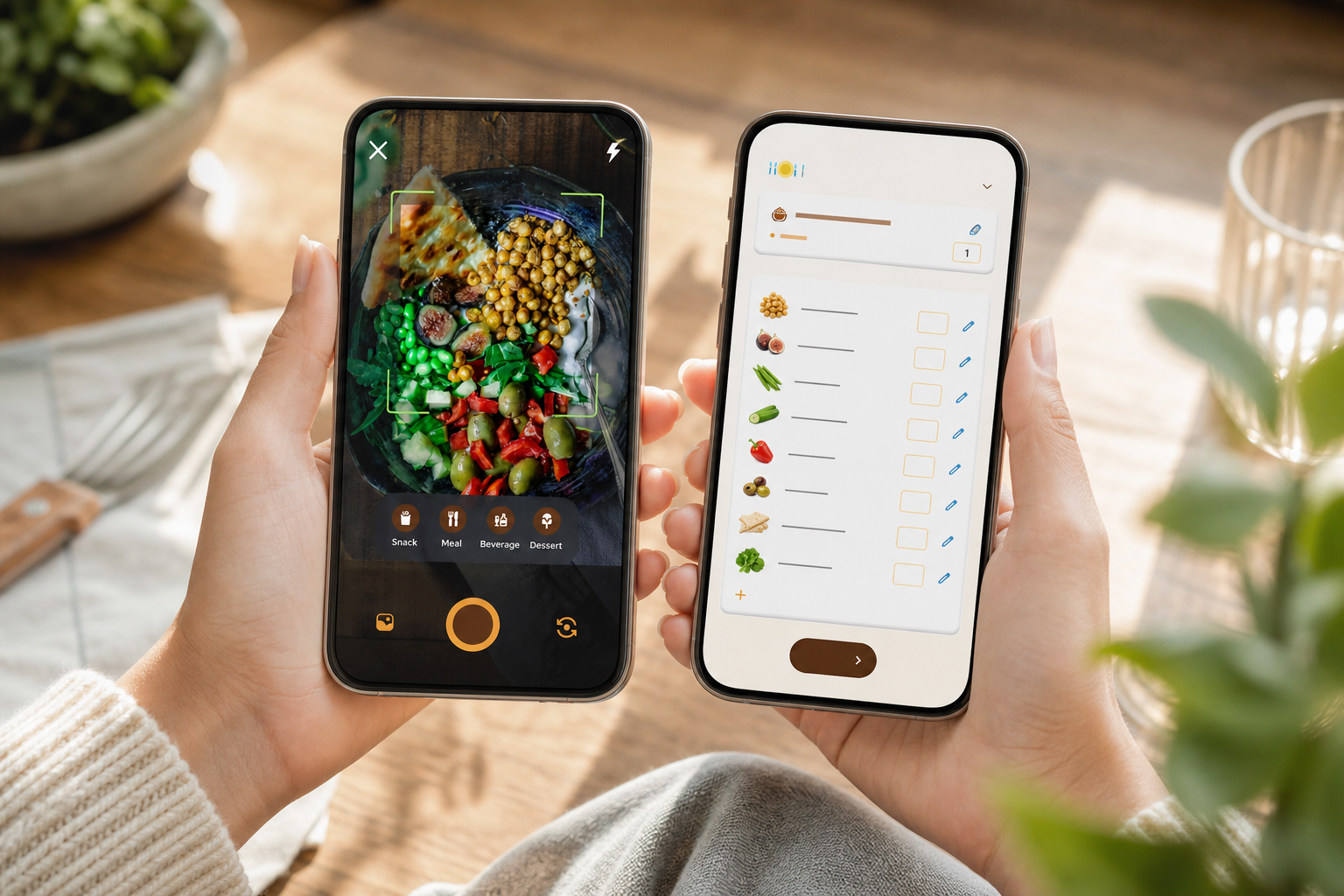
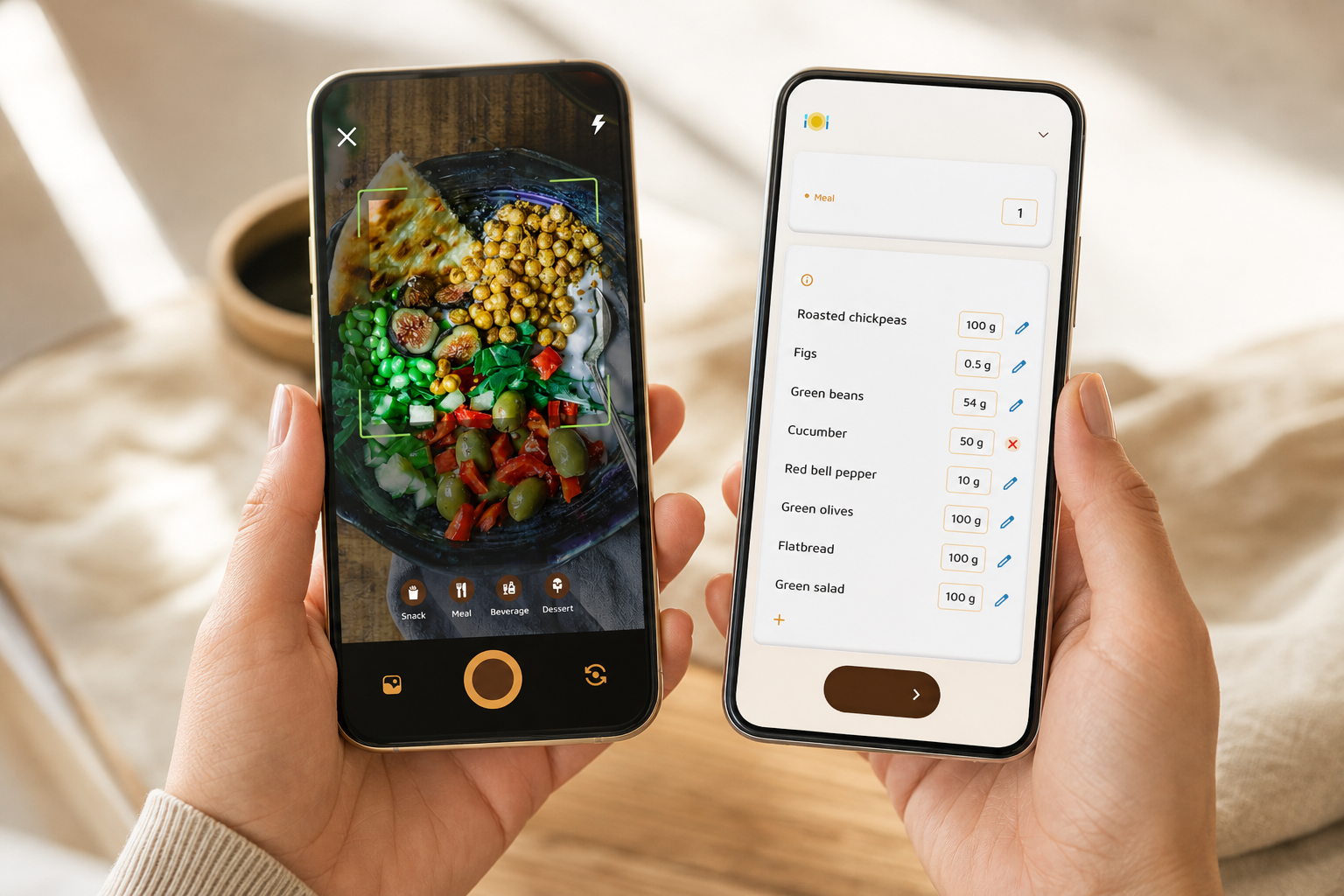
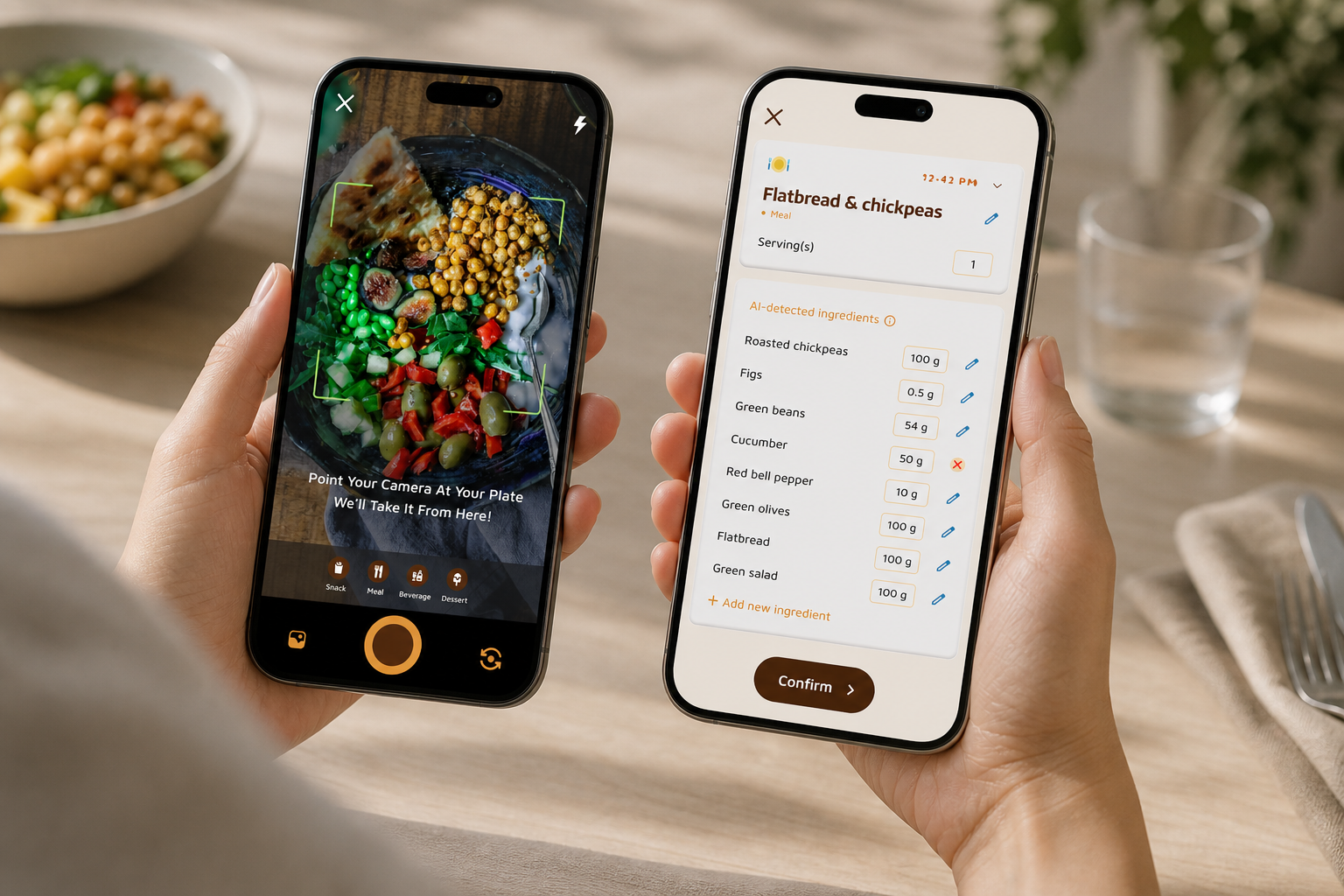
- Photo-based meal logging saves minutes at lunch.
- Macro breakdowns prevent “calories-only” traps.
- Water reminders turn sips into a steady habit.
- Syncing with Google Fit removes manual activity entry.
Download free today → as a solid test.
- Consistency beats precision. Fourteen days of honest logging tells you more than any single “perfect” day.
- Tools matter only if you use them. Choose the fastest logging method for your life, and automate where possible.
Moreover, avoid the five classic traps: “calories only,” no measurements, thirst-led drinking, low protein, and all-or-nothing thinking. Instead, think anchors: set protein first, add a water plan, and let the rest flex around your schedule. If you need a refresher on hydration math or want a quick baseline, revisit the water intake guide and keep your bottle nearby. As a result, the same 2026 goals that felt fuzzy last month will feel specific, doable, and, honestly, routine.
What to Do This Week: Your First 7 Days of Tracking
This mini-plan builds the habit without the pressure to be perfect. It works because it starts with observation, then adds one change at a time. That’s how you create a routine you’ll still follow in three months.
- Day 1–2: Observe and log. Eat like you usually do. Log every bite and sip, plus water. No changes yet. This removes pressure and shows your baseline.
- Day 3: Review. Look at your three-day average. Where do your macros land? Most people see protein low and carbs high. That’s not “bad”; it’s a map.
- Day 4–5: Make one upgrade. Add 25–35 g protein to the meal that’s lowest (breakfast is common). Set three water reminders on your phone—morning, mid-day, mid-afternoon.
- Day 6–7: Try to hit your targets for two full days. Protein at your chosen gram target, fat in range, carbs filling the rest, and water at your calculated goal.
If you want fewer steps to manage, an app with macro and water tracking in one screen is handy because it reduces taps and shows what still needs attention. But a sticky note works if you use it. The real win is consistent logging for two weeks, then making one small change based on what you see. Most people who track for three weeks say it becomes second nature, and even imperfect tracking beats not tracking at all for weight loss results in 2026.
For steady momentum, set a 10-minute “close the loop” block each night to log dinner, check tomorrow’s protein sources, and fill your bottle for the morning. That tiny ritual keeps you on track when life gets busy.
Optional: weekend strategy to stay on track
- Pre-log one restaurant meal to see how it fits your macros.
- Double-protein at your first meal of the day to blunt later cravings.
- Keep a 24–32 oz bottle within reach during travel or errands.