


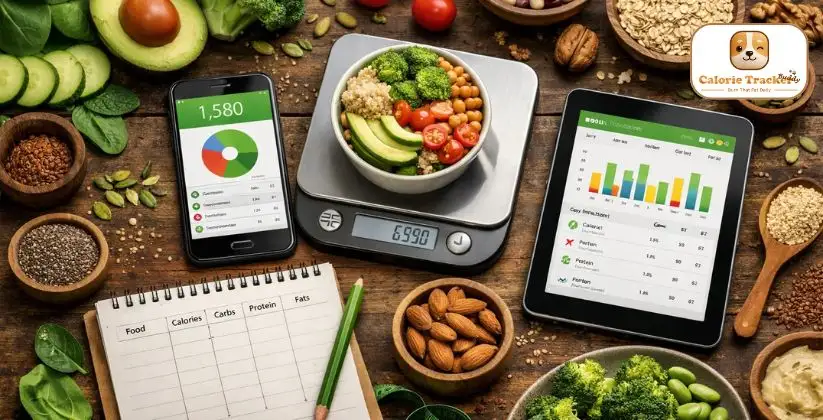
Tracking calories on a plant-based diet isn’t as straightforward as it seems. A lot of people switch to vegan eating, assuming it will naturally keep calories in check. But that’s not always how it plays out. Foods like nut butters, seeds, oils, and even healthy plant-based snacks can be surprisingly calorie-dense.
At the same time, meals built around whole foods can look large but still be relatively low in calories. That mix makes it easy to either underestimate or overdo your intake without realizing it.
This is where a good vegan calorie counter actually helps. It gives you a clearer picture of what you’re eating, not just in terms of calories but also the nutrients that matter on a plant-based diet.
In this blog, we’ll look at how calorie tracking works differently for vegans and which vegan calorie counter apps are actually worth using if you want something accurate and easy to stick with.
Listen to The Blog Post
Why Calorie Tracking Looks Different on a Plant-Based Diet?
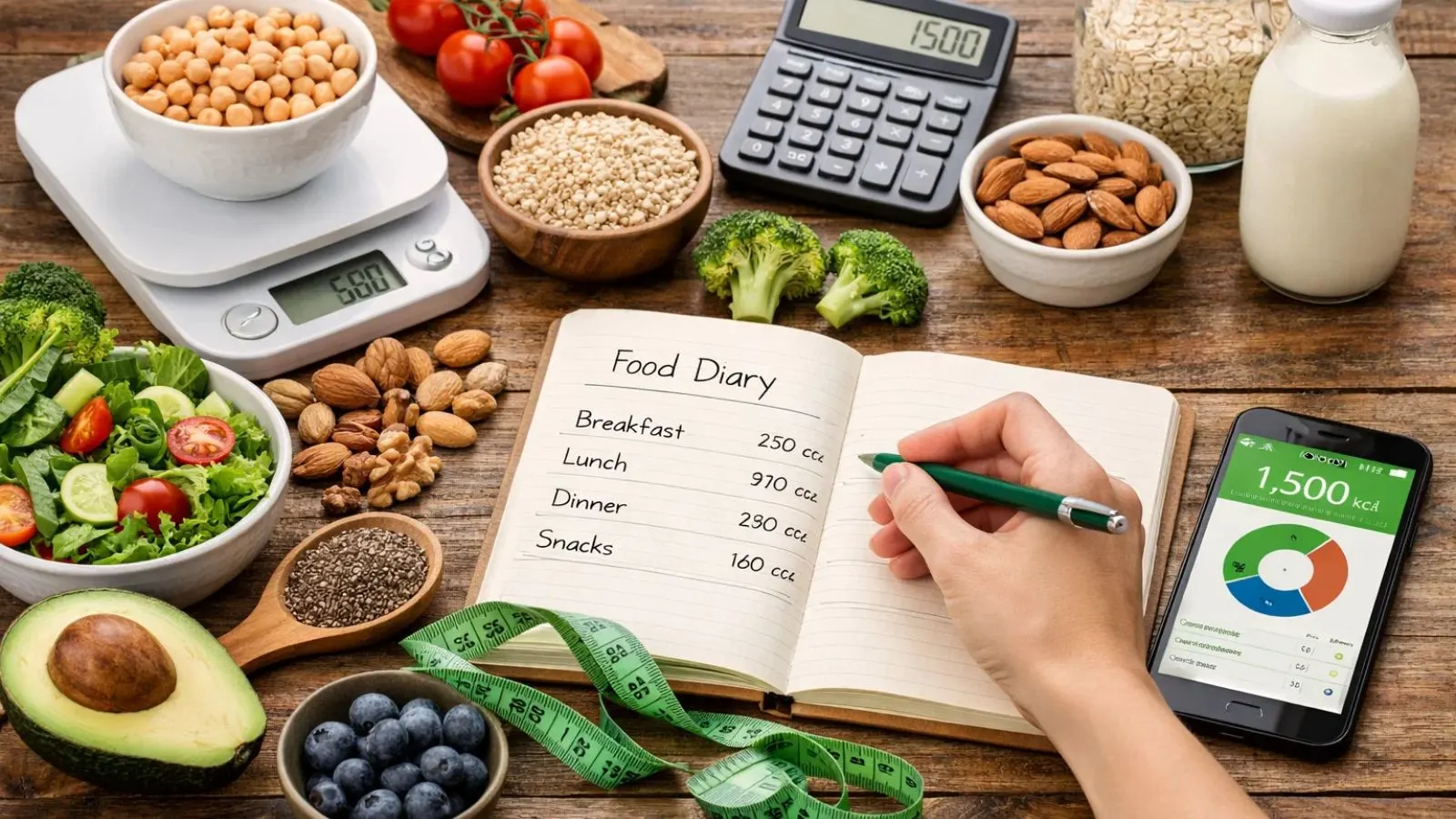
Many people assume a vegan diet is automatically low in calories. That’s not always true.
While plant-based diets are rich in whole, nutrient-dense foods, calorie density can vary widely. Foods like vegetables and fruits are low in calories but high in volume, which can make portion sizes feel larger than they actually are in terms of energy intake.
At the same time, common vegan staples such as nuts, seeds, oils, coconut products, and avocado are highly calorie-dense and often underestimated.
Another factor is fiber. High-fiber foods can influence how calories are absorbed and digested, making tracking slightly different compared to refined or animal-based diets.
This is why using a reliable vegan calorie counter becomes important. It helps you avoid both under-eating and unknowingly consuming excess calories.
Key Nutrients to Track Alongside Calories
Calories alone don’t tell the full story on a plant-based diet. What those calories are made of matters just as much.
Protein is a good example. Hitting a number isn’t enough. On a vegan diet, protein quality depends on amino acid balance. Legumes are rich in lysine, while grains provide methionine. You don’t need to combine them in every meal, but over the course of a day, your intake should cover both.
Micronutrients are where things get more serious:
- Iron from plant foods is harder for the body to absorb.
- Vitamin B12 is almost entirely missing unless you rely on fortified foods or supplements.
- Calcium, zinc, and omega-3s can fall short if your food choices aren’t intentional.
This is why a basic calorie tracker isn’t always enough. A good vegan calorie counter should help you see beyond macros and spot these gaps early.
Another metric that often gets overlooked is the calorie-to-protein ratio. If you’re trying to lose fat or maintain muscle, this becomes critical. You need enough protein without letting total calories climb too high.
In short, it’s not just about how much you eat. It’s about whether your intake actually supports your goals.
What Makes a Good Vegan Calorie Counter App?
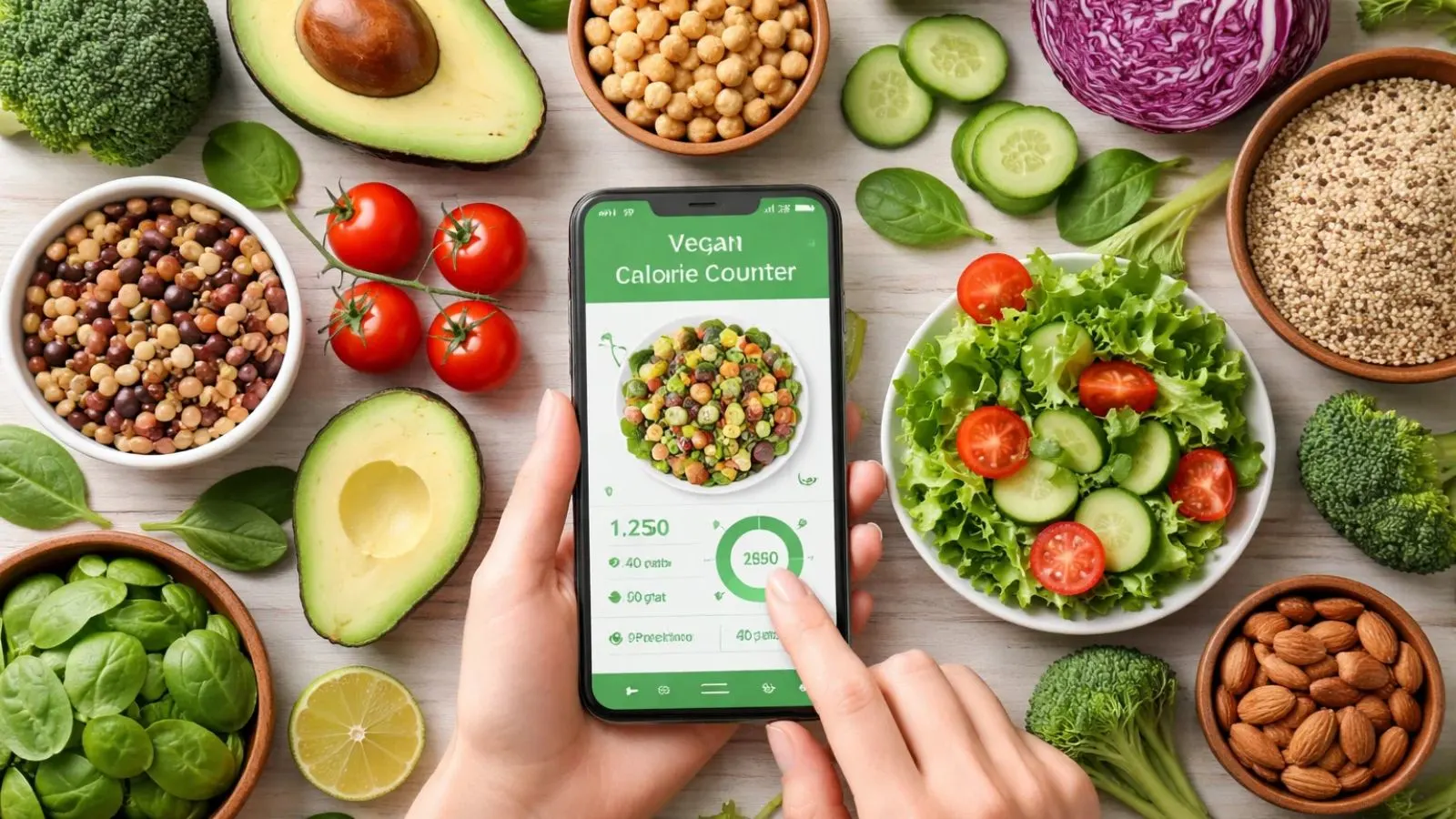
Before choosing an app, it helps to know what actually matters for plant-based tracking. A good vegan calorie counter should have a strong plant-based food database. And that should include items like tofu, tempeh, seitan, legumes, and mock meats, so you’re not constantly guessing or substituting entries.
It should also allow you to create and save custom recipes, since a lot of vegan meals are home-cooked and ingredient-based. Beyond calories and macros, detailed micronutrient tracking is important, especially for nutrients like B12, iron, zinc, and omega-3s that need closer attention on a plant-based diet.
Reliable food scanning is another useful feature, particularly for packaged vegan foods where accuracy matters. Most calorie apps are built with omnivores in mind and only later adapt to vegan needs, which is why having these features can make a noticeable difference in how accurate and practical your tracking feels.
Also Read
Top Vegan Calorie Counter Apps Compared
Not all calorie counters are built with plant-based users in mind. Some prioritize accuracy, while others focus on ease of use.
Here’s how the top options compare:
Calorie Tracker Buddy: Best for everyday convenience
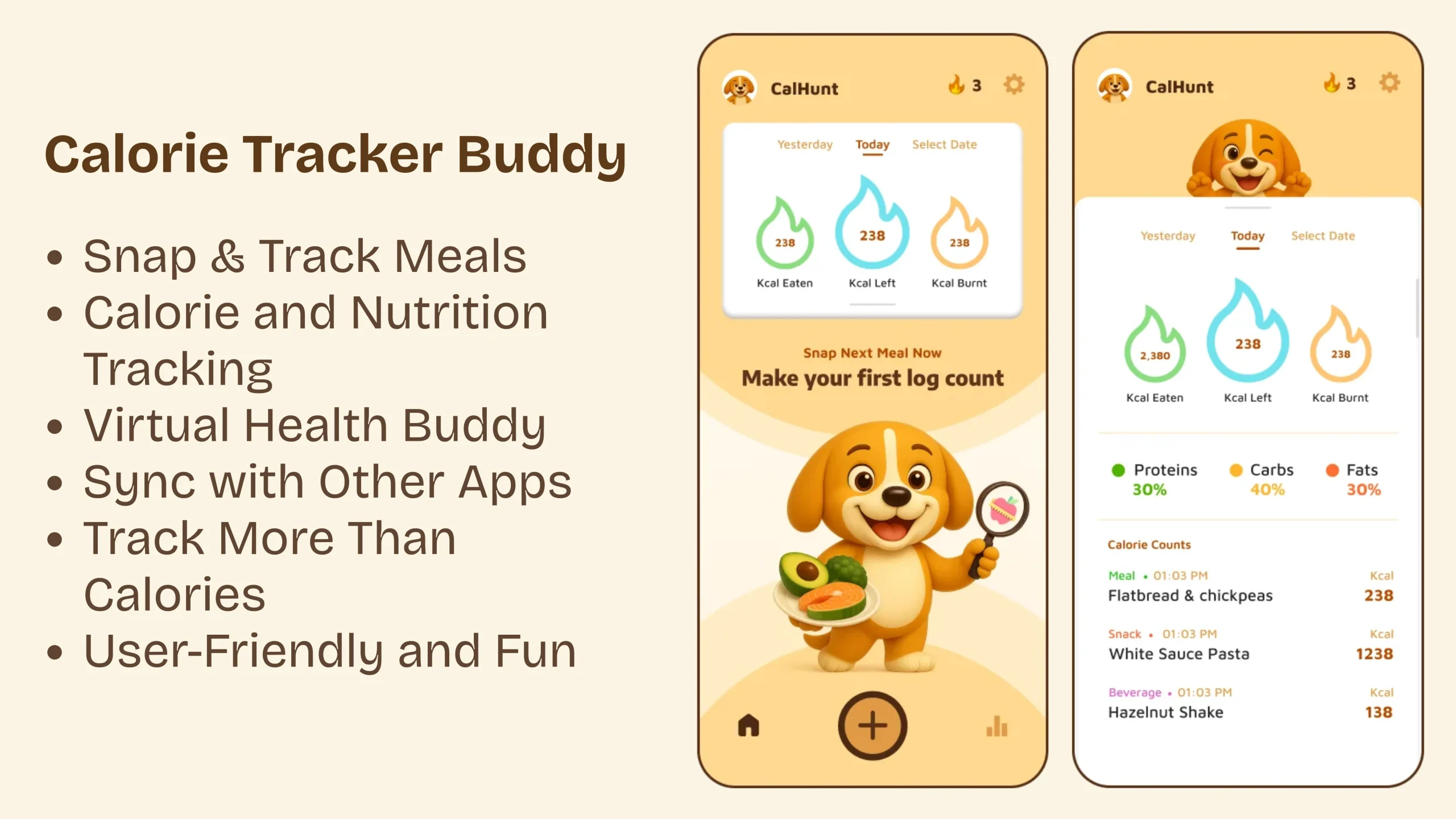
Calorie Tracker Buddy stands out as a practical vegan calorie counter because it focuses on making tracking easy enough to stick with daily. Instead of manually logging every ingredient, you can simply snap a photo of your meal, and the app quickly identifies foods while estimating calories and macros. This is especially useful for plant-based meals, which are often mixed or home-cooked and can be time-consuming to break down.
What makes it a strong choice for vegans:
- Handles mixed meals like bowls, curries, and stir-fries without requiring detailed manual entry.
- Reduces the effort needed to track, making consistency easier to maintain.
- Helps build awareness of vegan portions and macros without needing deep nutrition knowledge.
- Works well for busy routines where detailed logging isn’t practical.
While it may need small adjustments for accuracy, the ease of use is what sets it apart. For most people, being able to track consistently matters more than tracking perfectly. That’s where Calorie Tracker Buddy becomes a reliable everyday option.
Cronometer: Best for nutritional accuracy
This is the go-to choice for detailed micronutrient tracking. It excels at monitoring nutrients like B12, iron, and zinc, which are especially important for vegans.
However, it requires manual input and has a steeper learning curve. It’s powerful, but not the fastest option.
MyFitnessPal: Best for familiarity
A widely used app with a massive database. It’s useful if you’re already familiar with it.
That said, many vegan entries are user-generated and not always verified. Micronutrient tracking is limited, which can be a drawback for plant-based diets.
Other Plant-based niche apps (VegHealth, PlantNicks)
These apps are designed specifically for vegans and offer a more aligned food database.
However, they often lack advanced features, speed, or usability compared to larger platforms.
Practical Tips for Accurate Vegan Calorie Tracking
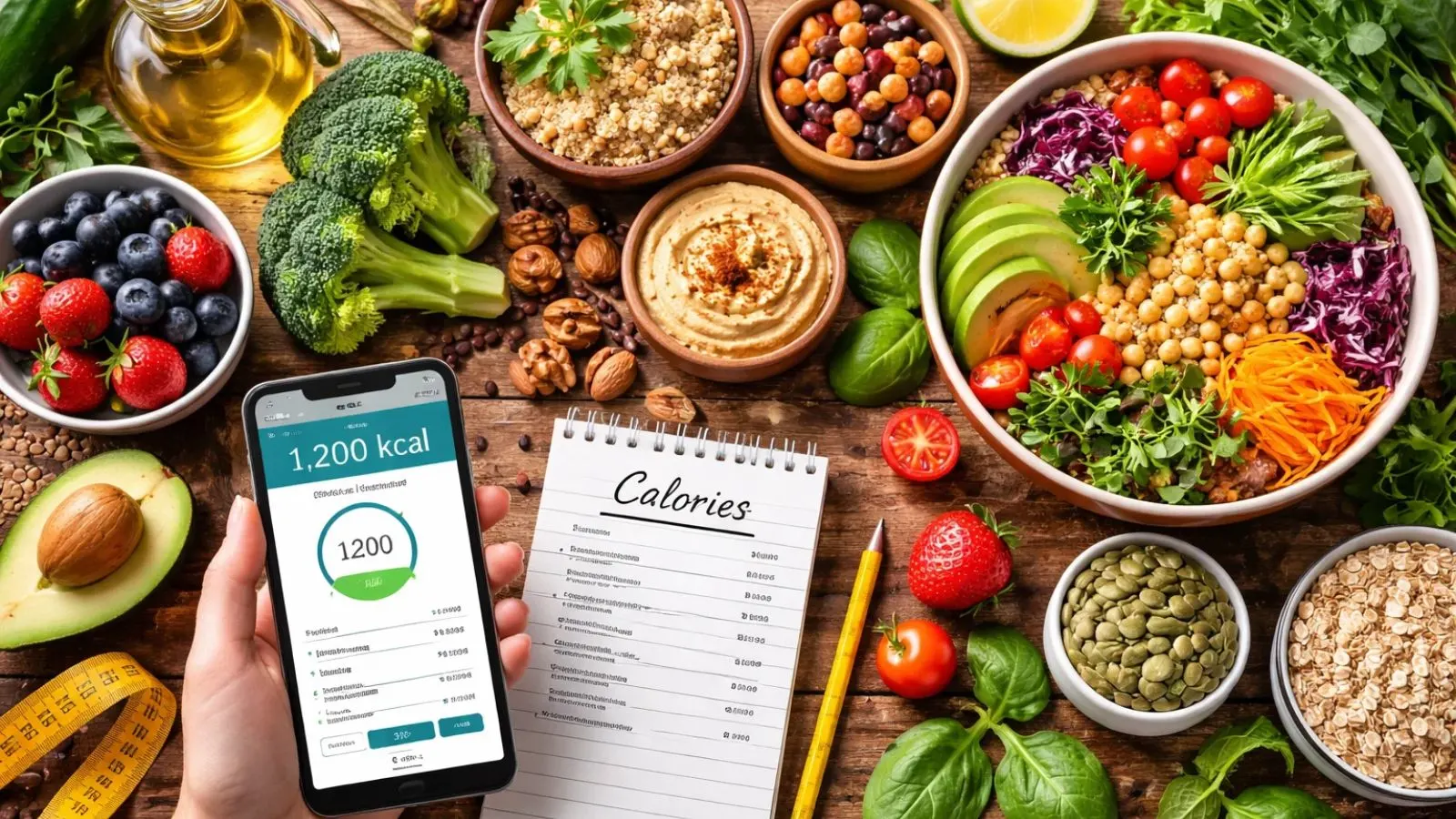
Even with the best vegan calorie counter, small tracking mistakes can add up and affect your results. A few simple habits can make a big difference in accuracy. Weighing your food is more reliable than using volume measurements, especially for dense items like nut butter, where portions are easy to underestimate.
It’s also important to log cooking oils separately, since even a single tablespoon can add a significant number of calories without being obvious. Paying attention to whether plant milks are fortified or unfortified matters too, as their nutritional profiles can vary widely.
Finally, double-checking portion sizes for high-calorie foods like nuts, seeds, and dressings helps prevent unintentional overconsumption while tracking.
Bonus: Align Tracking with Your Goal
Your tracking approach should always match your goal. For weight loss, the focus should be on controlling calories while keeping your protein intake high enough to maintain muscle.
For maintenance, consistency matters more than precision, along with ensuring your diet stays balanced over time. For muscle gain, the priority shifts to maintaining a calorie surplus while getting enough protein to support growth.
The right vegan calorie counter should make it easier to follow your specific goa, not add extra complexity to the process.
FAQs
1. Can you build muscle on a vegan diet while tracking calories?
Yes, you can build muscle on a vegan diet as long as you maintain a calorie surplus and get enough protein. The key is combining different plant protein sources like legumes, grains, tofu, and seitan to meet your daily needs. A vegan calorie counter can help ensure you’re hitting both calorie and protein targets consistently.
2. Do vegans need to track calories every day?
Not necessarily. Daily tracking is helpful in the beginning to understand portion sizes and nutrient intake. Over time, many people develop a sense of their eating patterns and may not need to track as strictly. However, if you have specific goals like weight loss or muscle gain, regular tracking can still be useful.
3. Is it harder to hit protein goals on a plant-based diet?
It can be slightly more challenging compared to omnivorous diets, but it’s completely achievable. Plant-based protein sources are often lower in protein density, so you may need to eat larger portions or be more intentional with food choices. Tracking helps ensure you’re consistently meeting your requirements.
4. How do you track calories when eating out as a vegan?
Tracking restaurant meals can be tricky since exact ingredients and quantities aren’t always known. A practical approach is to estimate using similar dishes in your vegan calorie counter, then adjust portions conservatively. Some apps with photo recognition can also help simplify this process.
5. Do I need supplements if I’m tracking my vegan diet properly?
Even with accurate tracking, some nutrients like vitamin B12 are difficult to obtain from plant foods alone, so supplementation is usually recommended. Omega-3 and vitamin D may also need attention depending on your diet and lifestyle. Tracking helps identify gaps, but it doesn’t always replace the need for supplements.