



Pregnancy has a way of making even the simplest things feel uncertain. Eating is one of them.
You already know that food matters more now. Your body is supporting not just you, but your baby. But the moment you start wondering whether you are eating enough or too much, that clarity disappears, and conversations around things like B start to come up more often.
Both experiences are real. The issue is not tracking itself. The issue is that most tracking methods were never designed for pregnancy. That is why Pregnancy-Safe Calorie Trackers focus on support rather than control.
This guide will help you decide whether tracking is right for you and how to approach it in a way that actually makes your life easier.
Listen To The Podcast Now!
Should You Track Calories at All During Pregnancy?

Before downloading anything, pause and ask yourself whether tracking will actually help you.
Tracking can be useful if:
- You often feel unsure about whether you are eating enough.
- You skip meals or eat irregularly without noticing.
- You prefer structure and feel calmer when you can see patterns.
- You need to monitor your intake more closely for medical reasons.
Tracking may not be the right choice if:
- You already eat regularly and feel satisfied.
- Numbers make you anxious or overwhelmed.
There is no single correct approach. Some women use pregnancy-safe calorie trackers consistently, others use them occasionally, and many do not track at all.
The goal is awareness, not control.
What Actually Changes in Your Body and Why It Matters for Eating
Pregnancy is not a time when your body needs to be managed more strictly. It is a time when your body is doing more than it ever has before.
You are supporting your baby’s development at every level, from organs to brain function. Your blood volume is increasing, your hormones are shifting, and your digestion and appetite are constantly adjusting. Some days you will feel hungrier than usual. On other days, you may struggle to eat enough. Both are part of the process.
Because of this, your needs are not fixed. They change over time, sometimes even within the same week. This is why rigid calorie limits often do not work well during pregnancy. Even when using Pregnancy-Safe Calorie Trackers, the goal should not be to follow a strict number but to stay in tune with how your body feels.
Your body is not working against you. It is communicating with you. The more you learn to respond to those signals, the easier this phase becomes.
Why Most Food Tracking Apps Do Not Work During Pregnancy
Many women try tracking at some point and quickly feel that something is off. That feeling is valid.
Most tracking apps are built around weight loss. Their structure encourages you to stay within limits, track deficits, and monitor progress in a way that prioritizes eating less. Even when you adjust the goal to maintain weight, the underlying system still leans toward restriction.
During pregnancy, this creates a mismatch. You may start logging meals and suddenly notice that you are thinking more about numbers than about hunger. You may hesitate before eating more food, even when your body clearly needs it. Over time, this can shift your relationship with food from natural to controlled.
Pregnancy-safe calorie trackers are designed to move away from restriction and focus on nourishment. Instead of asking whether you stayed within a limit, they help you understand whether your body is being supported.
Tracking should reduce confusion, not create it.
What Healthy Tracking Looks Like During Pregnancy

Tracking becomes reasonable when it is simple and flexible.
Instead of focusing on numbers, pay attention to patterns like:
- Are you eating regularly throughout the day?
- Do your meals include a source of protein?
- Are you getting foods rich in iron and calcium?
- Do you feel satisfied after meals or still low on energy?
With Pregnancy-Safe Calorie Trackers, the goal is not perfection. It is awareness.
You are not trying to fix everything. You are just noticing what is working and what needs a small adjustment.
How Your Food Needs Change During Pregnancy
Your calorie needs increase gradually, not suddenly.
In the first trimester, most women do not need a significant increase in calories. As you move into the second trimester, your body starts requiring more energy, and this continues into the third trimester. These increases are moderate, not extreme, and they vary depending on your body and activity level.
Even with pregnancy-safe calorie trackers, it is important not to treat these numbers as strict targets. What matters more is how you feel on a daily basis. If you feel constantly tired, hungry soon after meals, or low on energy, your body may be asking for more. If you feel steady and satisfied, you are likely meeting your needs.
Numbers can guide you, but your body gives you real feedback.
If You Choose to Track, Keep It Simple
If you decide to track your food, the goal is to keep the process as simple as possible.
Start by putting more emphasis on consistency than perfection. Make sure you are eating regular meals instead of going long periods without food. Pay attention to whether your meals include a source of protein and whether you are including foods that provide iron and calcium. These small checks matter far more than tracking exact calorie totals.
It is also important to avoid turning tracking into a daily judgment. A single day of lighter eating, especially if you are not feeling well, does not mean anything. What matters is the overall pattern across several days.
Even when using Pregnancy-Safe Calorie Trackers, tracking should support your routine, not control it.
Choosing a Tool That Actually Helps
The tool you use can make a significant difference in how tracking feels.
A helpful tracker should adjust based on your stage of pregnancy, highlight important nutrients instead of focusing only on calories, and avoid creating pressure through strict limits. It should help you notice patterns without making you feel like you are being evaluated.
If a tool makes you feel tense, guilty, or overly focused on numbers, it is not serving you well. The purpose of pregnancy-safe calorie trackers is to reduce stress, not add to it.
The right tool should feel like support in the background, not something that demands your attention all day.
A Simpler Way to Track Without Overthinking with Calorie Tracker Buddy
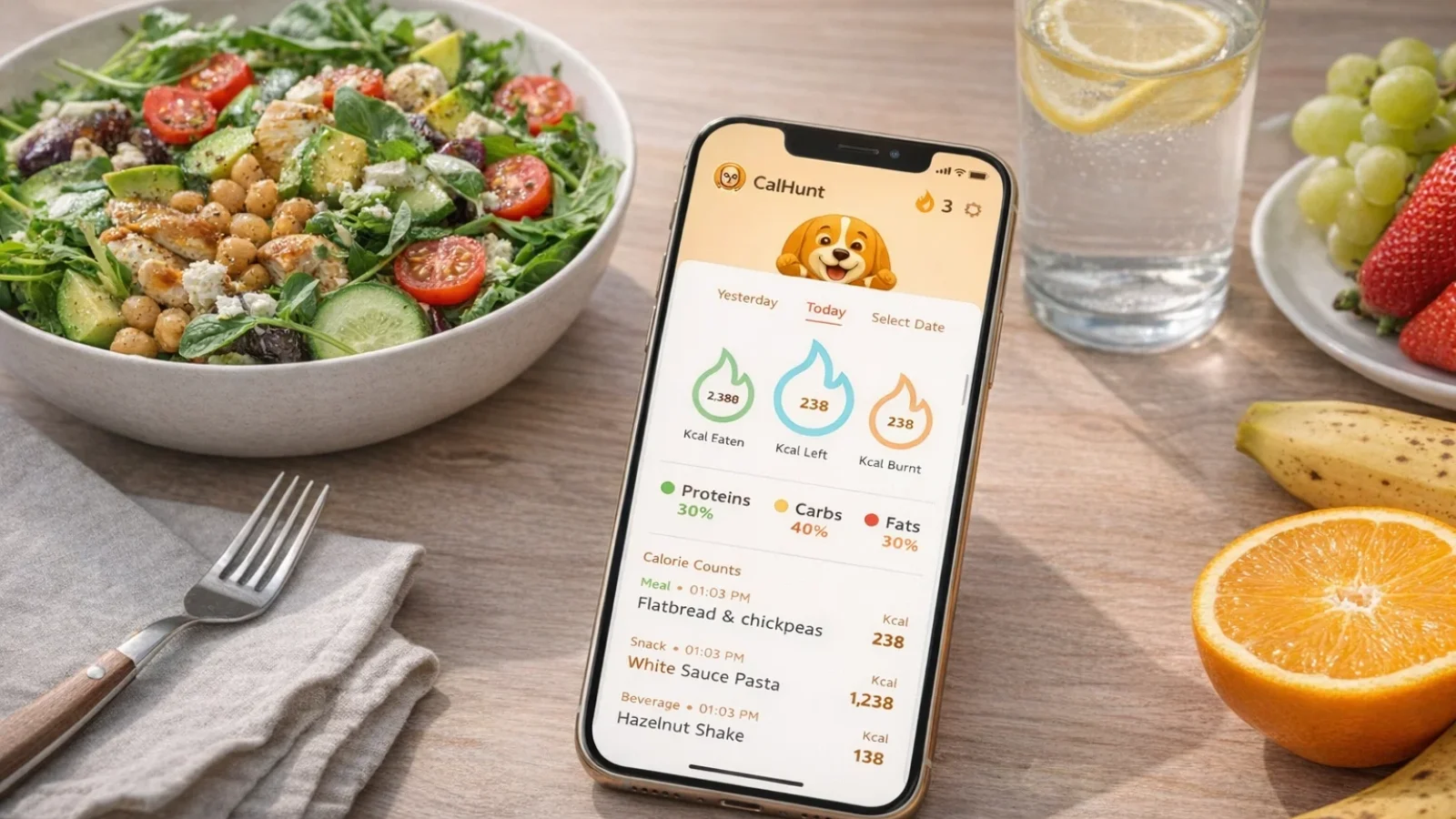
If you do decide to track, the experience should feel easy and supportive, not like something you have to manage all day.
This is where Calorie Tracker Buddy can make things simpler. Instead of manually logging everything or second-guessing your meals, it helps you stay aware without adding pressure.
Here’s how it fits into your routine:
Quick meal tracking without effort
Instead of typing out every ingredient, you can simply snap a photo of your meal. The app scans it and gives you a quick breakdown of calories and nutrients. This makes tracking feel less like a task and more like a quick check-in.
Gentle awareness of what you’re eating
You don’t need to calculate anything yourself. The app shows how your meals contribute to your daily intake, helping you notice patterns like low protein or missed meals without overthinking numbers.
Understanding patterns, not chasing numbers.
Rather than focusing on a single meal, you can see how your overall intake is shaping up. This helps you make small adjustments, like adding an iron-rich food the next day, instead of trying to fix everything at once.
Light movement tracking in the background
Daily activities, even simple ones, are counted so you get a general sense of your movement without actively tracking every step.
Motivation that doesn’t feel forced
The built-in buddy grows and responds to your consistency, which adds a small sense of encouragement without pressure. It keeps the process engaging, especially on days when you feel low on energy.
Also Read,
Mistakes That Can Make Tracking Feel Stressful
Tracking becomes stressful when it turns into a rigid system instead of a flexible tool.
Common patterns that create pressure include:
- Treating tracking like a diet and trying to stay under a number
- Focusing too much on daily totals instead of overall patterns
- Ignoring hunger just to stay “on track.”
- Expecting every day to be perfect
Even with Pregnancy-Safe Calorie Trackers, these habits can make the experience overwhelming.
Tracking only works when it stays flexible and supportive. The moment it feels heavy, it is okay to step back.
Final Thoughts
Pregnancy does not need to become a numbers game.
If tracking helps you feel more aware and steady, it can be a useful tool, especially when approached through pregnancy-safe calorie trackers that focus on support rather than pressure. If it starts to feel stressful or overwhelming, you can let it go.
Your body is already doing something complex and important. Supporting it does not require perfection. It requires consistency, awareness, and a willingness to listen to what your body needs.
That is more than enough.

Frequently Asked Questions
Is it safe to track calories during pregnancy?
Yes, as long as the goal is to ensure you are eating enough and not restricting your intake. Tools like pregnancy-safe calorie trackers can help when used correctly.
How many extra calories do I need?
Needs increase gradually, especially in the second and third trimesters, but exact numbers vary. Your body’s signals are just as important as any estimate.
What matters more, calories or nutrients?
Nutrients matter more. Protein, iron, calcium, and folate play a key role in supporting your pregnancy.