


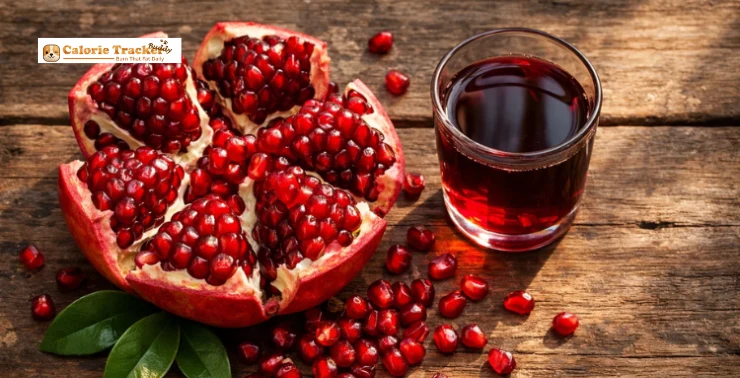
Bright, jewel-like seeds and a sweet-tart flavor make pomegranates instantly recognizable. But the benefits of pomegranate go far beyond appearance or taste. This fruit is rich in antioxidants, vitamins, and fiber, making it one of the most nutrient-dense fruits you can easily add to your daily meals.
For centuries, pomegranates have been part of traditional diets across India, the Middle East, and the Mediterranean. They appear in festive dishes, home remedies, and everyday snacks. Modern nutrition research now supports much of that long-standing reputation, showing that pomegranate benefits may include support for heart health, digestion, immunity, and cellular protection from oxidative stress.
Whether eaten fresh, added to salads, or blended into juice, pomegranate brings both flavor and nutrition to the table.
In A Hurry? Listen To The Blog Instead
Nutritional Profile of Pomegranate
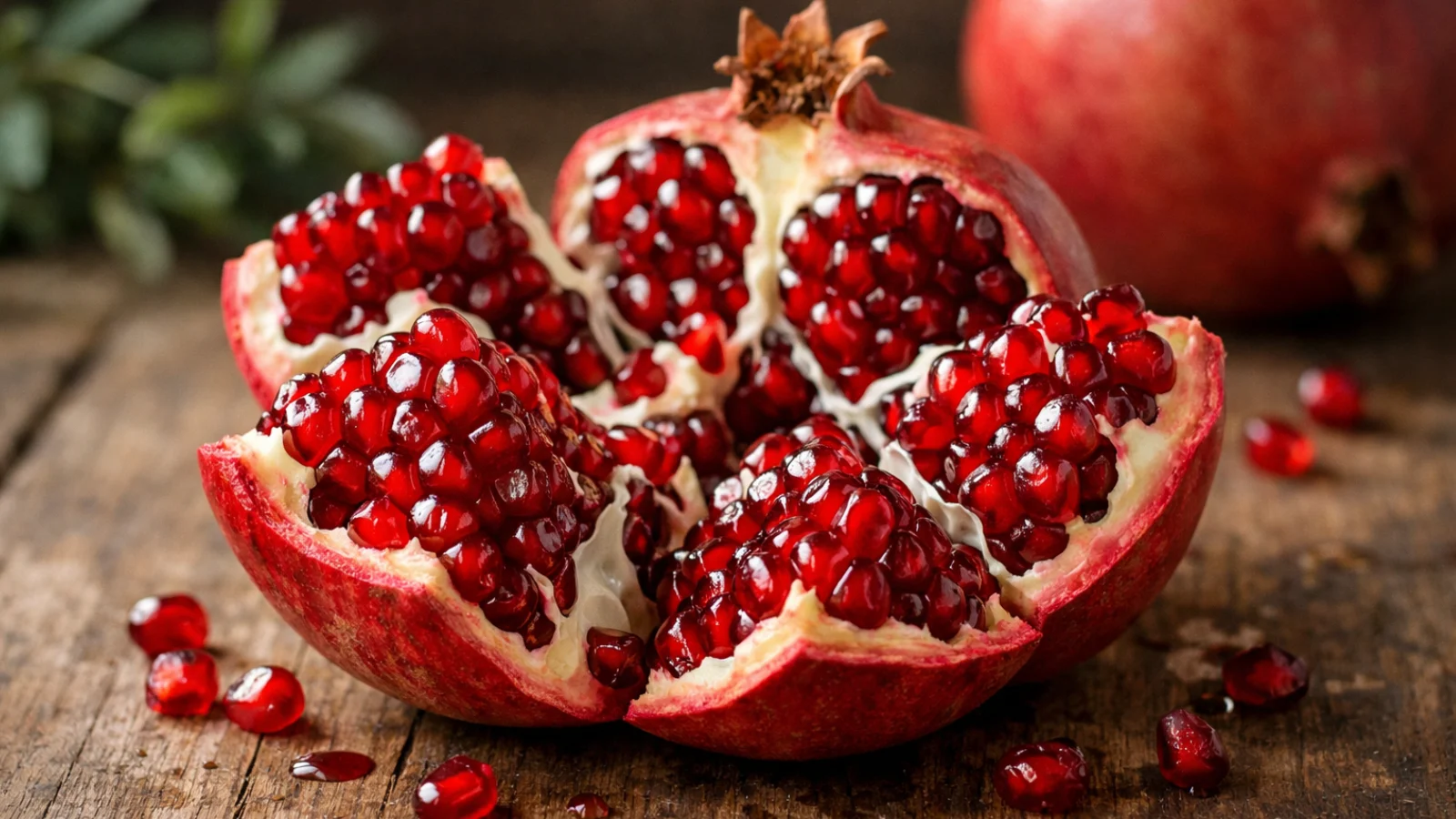
The edible portion of the fruit is made up of arils, the small, juicy seeds inside the thick rind. These seeds are nutrient-dense for their size.
A 100-gram serving of pomegranate arils typically provides:
- Calories: 80–85
- Dietary fiber: about 4 grams
- Vitamin C: roughly 10% of the daily recommended intake
- Other nutrients: Vitamin K, potassium, and folate
Pomegranates also contain powerful plant compounds known as polyphenols. Among the most studied are punicalagins, ellagic acid, and anthocyanins, the antioxidants responsible for the fruit’s deep red color.
Together, these nutrients help explain why pomegranates are often included in whole-food and plant-focused diets. Even a small serving can add meaningful nutrition to a meal.
Why the Benefits of Pomegranate Deserve Attention

Few fruits combine color, flavor, and nutrition quite like pomegranate. The ruby-red seeds may look delicate, but they deliver a strong mix of fiber, vitamins, minerals, and antioxidants.
Because of this unique nutritional profile, pomegranate is often described as a “superfruit.” Its compounds work together to support multiple systems in the body, including digestion, cardiovascular health, immunity, and skin health.
From topping a yogurt bowl to adding a bright pop to a salad, pomegranate is an easy ingredient to include in everyday meals. Below are some of the most widely discussed benefits of pomegranate supported by current research.
1. Pomegranate Benefits for Digestive Health
One of the most practical pomegranate benefits relates to digestion.
Pomegranate arils provide a good amount of dietary fiber, which helps keep the digestive system running smoothly. Fiber adds bulk to stool and supports regular bowel movements, making it helpful for maintaining overall gut comfort.
Researchers are also exploring how pomegranate’s polyphenols interact with gut bacteria. Early studies suggest these compounds may act like prebiotics, encouraging the growth of beneficial microbes that assist with digestion and nutrient absorption.
While this area of research is still developing, including fiber-rich fruits like pomegranate in daily meals is a simple step toward better digestive health.
2. Pomegranate Benefits as a Source of Antioxidants
Among the most widely discussed benefits of pomegranate is its exceptionally high antioxidant content.
Antioxidants help protect cells from damage caused by free radicals, unstable molecules produced during normal metabolism or through exposure to pollution, sunlight, and other environmental factors.
Pomegranates are particularly rich in punicalagins and anthocyanins. These compounds give the fruit its vibrant color and contribute to its powerful antioxidant activity. Some studies suggest that pomegranate has a very high antioxidant capacity, comparable to or in some cases higher than beverages like green tea or red wine, though results can vary depending on the source and method of comparison.
Both fresh pomegranate and its juice have shown strong antioxidant potential in laboratory studies. Including antioxidant-rich foods like pomegranate in your diet helps support long-term cellular health.
3. Pomegranate Benefits for Heart Health
Heart health is one of the most studied areas of pomegranate benefits, and the findings are promising.
One factor linked to cardiovascular disease is the oxidation of LDL (often called “bad”) cholesterol. When LDL oxidizes, it can contribute to plaque buildup inside arteries. Antioxidants in pomegranate may help slow this process, supporting healthier blood vessels.
Several small clinical studies have also observed modest reductions in blood pressure among people who regularly consumed pomegranate juice. The benefits of pomegranate juice may also include improved blood vessel function and reduced markers associated with heart disease risk.
Results vary across studies, and larger long-term trials are still needed. Still, pomegranate remains a heart-supportive food when included as part of a balanced diet.
4. Pomegranate Benefits for Immune Support
A strong immune system depends on consistent nutrition, and pomegranate contributes several important nutrients.
Vitamin C plays a direct role in immune function by supporting the production and activity of immune cells. Pomegranates also supply antioxidants that help protect these cells from oxidative stress.
While no single food can prevent illness, diets rich in fruits and vegetables are consistently linked with better immune resilience. Adding pomegranate to meals is a simple way to increase your intake of protective plant compounds.
5. Pomegranate Benefits for Skin Health
Healthy skin reflects both external care and internal nutrition. Pomegranate supports skin health through its antioxidants and plant compounds.
These antioxidants help protect skin cells from damage caused by sun exposure and environmental pollution. This protective effect is one reason pomegranate extracts appear in many skincare products.
Some placebo-controlled studies have reported improvements in wrinkle appearance, skin microbiome balance, and oil production after consistent consumption of pomegranate extract, although more large-scale research is still needed.
Although more large-scale studies are needed, the existing evidence points to pomegranate as a supportive food for skin wellness.
6. Pomegranate Benefits for Healthy Aging
Healthy aging involves many lifestyle factors, including diet, sleep, activity, and stress management. Nutrition plays an important role, and pomegranate contributes a strong mix of protective compounds.
Its high polyphenol content may help reduce oxidative stress, a process closely linked to aging and long-term cellular damage. Over time, this damage accumulates in the body.
Regularly consuming antioxidant-rich foods helps support the body’s natural defense systems. While no single food can slow aging on its own, pomegranate fits well into dietary patterns associated with long-term health.
7. Pomegranate Benefits for Female Health
The pomegranate benefits for female health are especially noteworthy because several of the fruit’s nutrients support areas particularly important for women.
Pomegranate contains polyphenols that may have mild estrogen-like activity, which researchers believe helps support hormonal balance during certain life stages. Its Vitamin K content also contributes to bone health, an important consideration for women as they age.
Cardiovascular health is another factor. Heart disease is a leading health concern for women, and antioxidant-rich foods like pomegranate may support long-term heart wellness.
The benefits of pomegranate juice can also play a role here. Juice provides a convenient source of the fruit’s antioxidants and anti-inflammatory compounds, which may contribute to skin health, cellular protection, and overall vitality.
Pomegranate Juice Benefits: Whole Fruit vs Juice

The pomegranate juice benefits are similar to those of the whole fruit, but there are a few differences worth noting.
Juice retains most of the fruit’s polyphenols and antioxidant compounds. However, it contains far less fiber than whole pomegranate seeds. Fiber is lost during the juicing process.
Still, the benefits of pomegranate juice make it a convenient option for people who don’t want to peel the fruit. When buying juice, look for 100% pure pomegranate juice without added sugar to get the most nutritional value.
Consumed in moderation, pomegranate juice can still deliver strong antioxidant support.
Simple Ways to Include Pomegranate in Your Diet
Adding pomegranate to your meals is easy, and its sweet-tart flavor works well in many dishes.
Some simple ways to enjoy it include:
- Sprinkling arils over yogurt, oatmeal, or smoothie bowls
- Adding them to leafy green salads for color and crunch
- Blending them into smoothies for a bright, tangy flavor
- Using them as a garnish for grain bowls or desserts
- Drinking a small glass of fresh pomegranate juice
Because the flavor balances sweetness with a slight tartness, pomegranate pairs well with both sweet and savory foods.
A Note on Portion Size
Even though the benefits of pomegranates are impressive, moderation still matters.
Like all fruits, pomegranate contains natural sugars. For most people, a serving of about half a cup to one cup of arils is a reasonable portion.
A balanced diet works best when it includes a variety of fruits, vegetables, whole grains, and healthy fats. Pomegranate fits nicely into that mix rather than acting as a standalone solution.
What Current Research Suggests
Scientific interest in pomegranate has grown significantly over the past two decades. Researchers continue studying how its polyphenols affect different systems in the body, including cardiovascular, digestive, metabolic, and cognitive health.
Many studies so far involve small sample groups or short timelines, so larger clinical trials are still needed. Even so, current research consistently shows that pomegranate is a nutrient-rich fruit with multiple potential health benefits.
When included alongside whole foods such as vegetables, whole grains, lean proteins, and healthy fats, it can contribute meaningfully to a balanced diet.
Read More:
Unlock Your Health Potential with Calories Tracker Buddy

Pomegranates show how small, healthy choices can make a big difference. But staying on top of your diet and activity doesn’t have to feel overwhelming. Calories Tracker Buddy makes it simple, helping you track meals, monitor activity, and stay consistent with your goals.
Snap the Meal
Quickly scan your meals like pomegranate salads or smoothies and get instant insights into calories and nutrients.
Calorie Burn Tracker
Track your daily activity, from walks to workouts, and stay balanced by monitoring calories burned.
Calorie Intake Tracker
Log meals in seconds and understand how your food fits into your daily goals.
Buddy Motivation
Stay encouraged with a virtual companion that celebrates your healthy choices and progress.
Social Sharing
Share your meals, streaks, and milestones to stay motivated and inspire others.
Conclusion
Frequently Asked Questions
What are the main pomegranate benefits for health?
The primary benefits of pomegranate come from its fiber, vitamins, and antioxidant compounds such as punicalagins and anthocyanins. These nutrients support digestion, heart health, immune function, and cellular protection.
What are the benefits of pomegranate juice specifically?
The benefits of pomegranate juice include antioxidant protection, support for heart health, improved hydration, and potential blood pressure benefits. It offers a convenient alternative to whole fruit, although it contains less fiber.
How many calories are in pomegranate seeds?
A 100-gram serving of pomegranate arils contains about 80 to 85 calories, along with fiber, Vitamin C, potassium, and polyphenols.
Is it safe to eat pomegranates every day?
For most healthy people, yes. Regular consumption has been associated with improved cardiovascular markers, skin health, and reduced inflammation. Individuals taking certain medications should consult a healthcare professional first.
What are the pomegranate benefits for female health?
The pomegranate benefits for female health include support for hormonal balance, bone health, cardiovascular wellness, and antioxidant protection. These benefits come from its rich content of polyphenols, vitamins, and minerals, making it a valuable addition to a balanced diet for women at different life stages.