


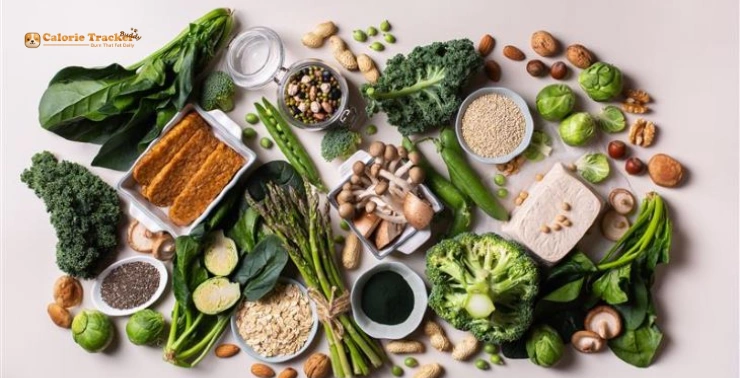
If you have been scrolling through fitness feeds lately, you have probably noticed one phrase popping up everywhere, plant based protein. And honestly, the hype is real.
Whether you are trying to build muscle, lose weight, or simply eat cleaner, it has become a go-to solution for millions of people around the world. But what exactly makes it so powerful, and how do you make it work for your lifestyle?
Let’s break it all down.
Hit ‘Play’ Button & Tune Into The Blog!
What Is Plant Based Protein And Why Should You Care?
It refers to protein sourced from plants, think lentils, chickpeas, quinoa, tofu, hemp seeds, and more. Unlike animal protein, it comes packed with fiber, antioxidants, and phytonutrients that support overall health beyond just muscle repair.
The shift toward plant based protein is not just a trend. It is backed by growing research showing that plant-forward diets reduce the risk of heart disease, type 2 diabetes, and certain cancers. That is a pretty strong case for swapping your whey shake for something greener.
The Nutritional Power Behind Plants
Many people assume that plant protein cannot match the quality of animal protein. That assumption is outdated.
Foods like edamame, tempeh, and seitan are complete or near-complete proteins. When you combine different plant sources say, rice and beans, you cover all essential amino acids your body needs. It is not complicated. It just takes a little awareness.
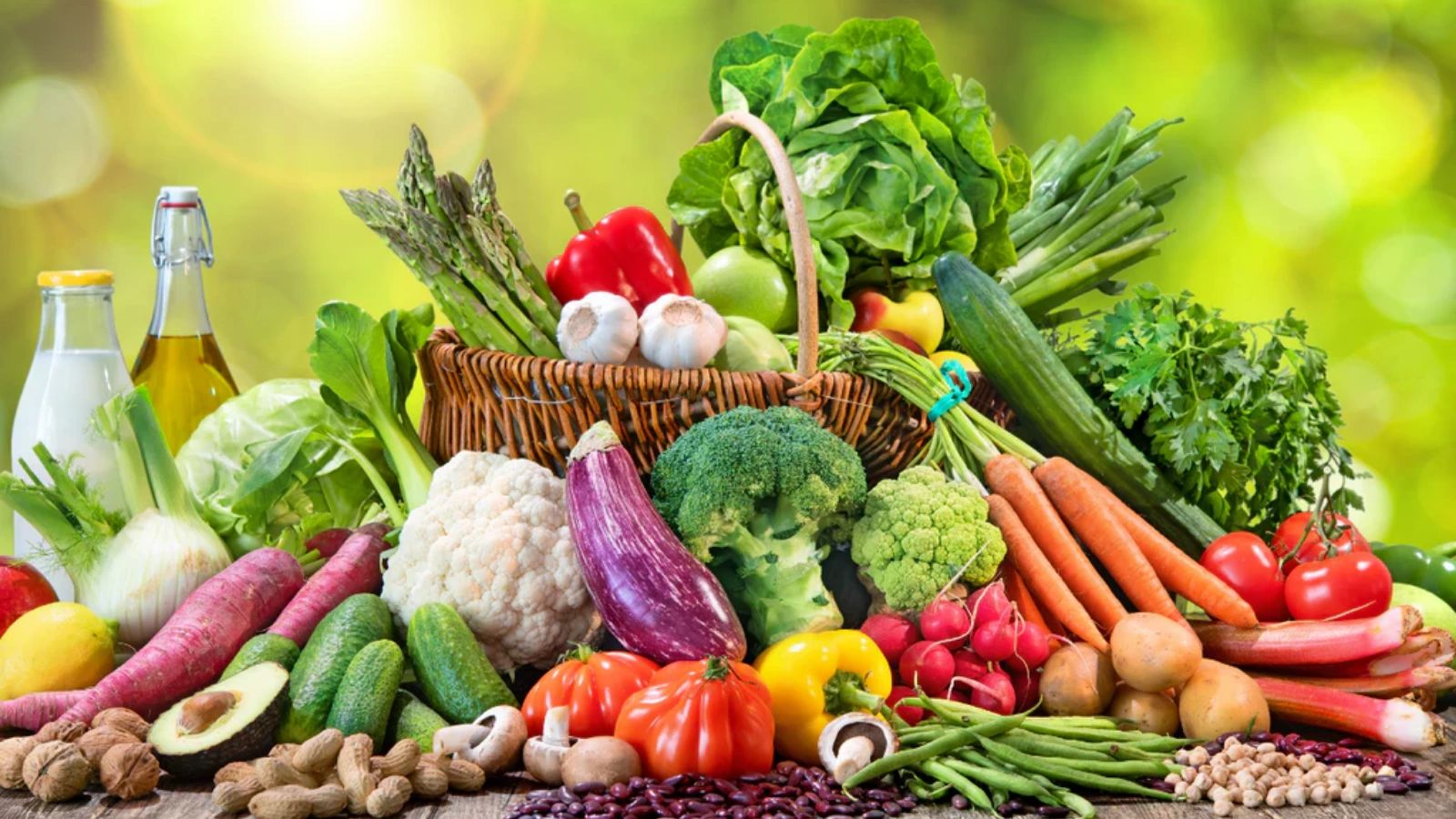
Here is a quick look at some top plant-based protein sources, including options often considered a high protein vegetable or plant food:
- Lentils – 18g of protein per cooked cup
- Edamame – 17g per cup
- Tofu – 10g per half cup
- Hemp seeds – 10g per 3 tablespoons
- Quinoa – 8g per cooked cup
- Black beans – 15g per cup
The variety is incredible. And every one of these foods brings something extra to the table beyond just protein.
Who Can Benefit From Plant Based Protein?
Plant based protein can benefit almost everyone. From fitness enthusiasts to older adults and people focused on healthier eating, it offers a simple way to support strength, energy, and overall wellness.
Athletes and Active Individuals:
Plant based protein can support muscle recovery and performance while containing fewer inflammatory compounds than some animal-based protein sources.
People Managing Weight:
Many plant proteins are naturally lower in saturated fat and higher in fiber, which can help keep you fuller for longer and support calorie control.
Older Adults:
Plant based protein may help preserve muscle mass, strength, and mobility without the digestive heaviness some people experience with meat.
Busy Professionals:
Easy options like protein shakes, tofu meals, or legumes can provide convenient nutrition for people with hectic schedules.
People Focused on Heart Health:
Plant proteins are often linked to better cholesterol levels and improved cardiovascular wellness when included in a balanced diet.
Anyone Seeking Better Digestion:
Many people notice improvements in digestion and overall comfort when increasing plant protein intake.
Flexible Eaters:
You do not need to go fully vegan. Simply adding more plant protein to your current diet can improve energy, body composition, and overall health.
Also Read:
Is Plant Based Protein Powder A Convenient Option For Busy Lives?
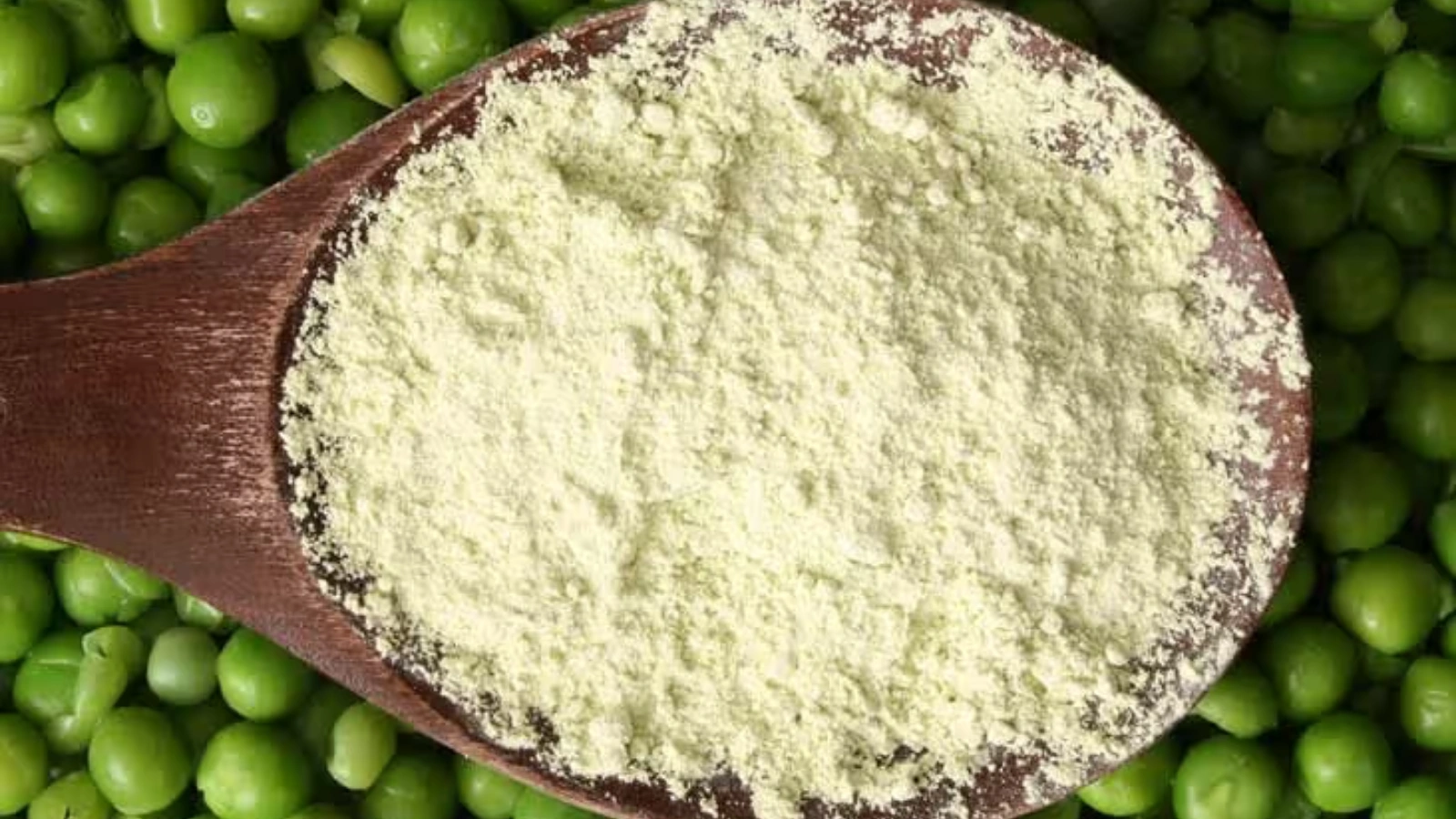
Sometimes whole foods are not enough, or just not convenient. That is where protein powder steps in. It is a quick, easy way to hit your daily protein targets, especially post-workout or during a hectic morning.
When shopping for the best plant based protein powder, there are a few things to keep in mind:
- Protein content per serving – Look for at least 20g
- Amino acid profile – Blended powders (pea + rice) are more complete
- Sweeteners – Go for minimal or natural options
- Digestibility – Plant powders are generally easier on the gut than whey
So what is the best plant based protein powder? The truth is, it depends on your goals. Pea protein is excellent for muscle building. Brown rice protein is gentle and hypoallergenic. Hemp protein brings omega-3s to the party. A blend of all three gives you the best of every world.
How Can You Read Plant Based Protein Labels Without Losing Your Mind?
Walk into any supplement store and you will be overwhelmed by options. Here is a simple rule, if you cannot pronounce more than three ingredients, put it back.
Good plant based protein powders have short, clean ingredient lists. Look for certifications like USDA Organic, Non-GMO Project Verified, or third-party tested labels. These signals tell you the product has been held to a higher standard.
Also check the sugar content. Some powders sneak in large amounts of added sugar to improve taste. Natural sweeteners like stevia or monk fruit are fine. Cane sugar in high amounts, not ideal.
How Can You Cook And Bake With Plant Protein?
One underrated benefit of plant based protein sources is their versatility in the kitchen.
Lentils work beautifully in soups, curries, and patties. Chickpeas become crispy snacks when roasted or creamy sauces when blended. Tofu absorbs whatever flavor you throw at it. And protein powders can be mixed into smoothies, pancakes, energy balls, and even pasta sauces.
The key is experimentation. Once you get comfortable with a few plant proteins, building meals around them becomes second nature.
Why Is Tracking Your Nutrition Important On A Plant Based Protein Diet?
Here is the thing, even the best plant based protein diet can fall short if you are not tracking what you actually eat. You might think you are hitting your protein goals, but the numbers often tell a different story.
That is where Calorie Tracker Buddy becomes a game-changer. It is not just another calorie app. It is a smart, interactive nutrition companion designed to make healthy eating feel effortless and even fun.
With Calorie Tracker Buddy, you can scan your meals using your phone camera, track every gram of plant based protein you consume throughout the day, and see exactly how your food choices align with your health goals, all in real time.
Why Is Calorie Tracker Buddy Your Smartest Health Companion?
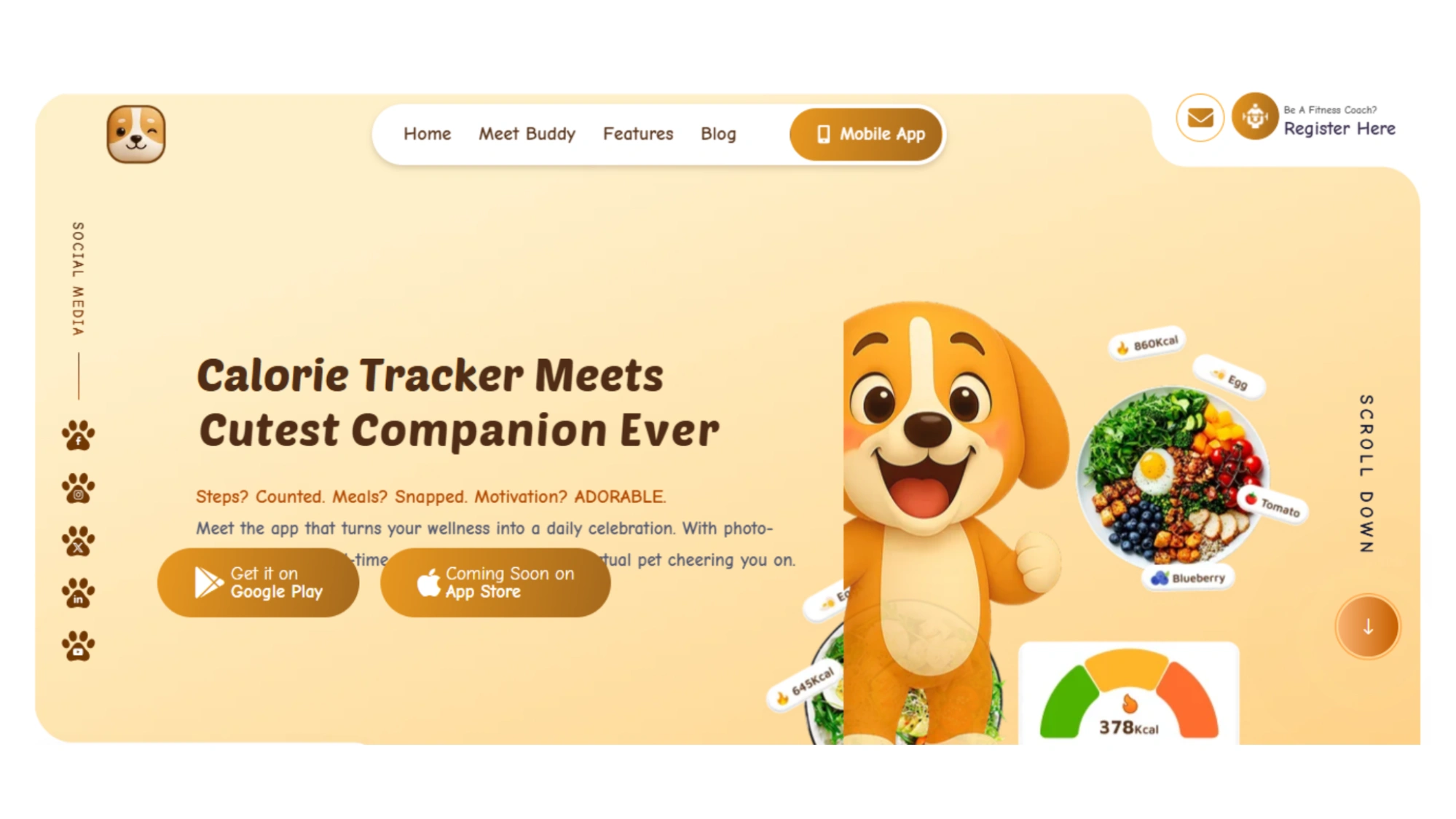
If you are serious about optimizing your plant based protein intake, Calorie Tracker Buddy gives you the tools to actually make it happen.
Here is what makes it stand out:
Snap the Meal:
Point your camera, tap once, and boom. Your food gets scanned for calories, nutrients, and nutritional balance instantly. No manual logging, no guesswork.
Calorie Burn Tracker:
From your morning yoga session to washing the dishes after dinner, every movement counts. The app tracks your daily calorie burn and shows your progress in a way that keeps you motivated.
Calorie Intake Tracker:
You eat, it calculates. Every meal gets logged in seconds with instant feedback on how it fits your daily targets. Tracking your protein intake has never been this seamless.
Goal Predictions:
Curious how close you are to your goal? Calorie Tracker Buddy shows you exactly how each meal, snack, and sip impacts your journey, so you can make smarter decisions without obsessing over numbers.
Buddy Motivation:
This is the feature people absolutely love. You have a virtual pet that grows and thrives as you make healthier choices. It sounds simple, but that little creature adds a surprisingly powerful layer of daily motivation.
Social Sharing:
Proud of a gorgeous plant-based bowl you built? Share it. Post your meals, celebrate your streaks, and let your community cheer you on. Accountability becomes enjoyable when there is a squad behind you.
Calorie Tracker Buddy turns the often tedious task of nutrition tracking into something you actually look forward to. If your goal is to get the most out of your plant based protein lifestyle, this tool belongs in your daily routine.
Are Common Myths About Plant Based Protein Actually True?
Myth 1: You cannot build muscle on plant protein. False. Plenty of elite athletes thrive on plant based protein. With the right sources and enough total protein, muscle growth happens just as effectively.
Myth 2: Plant protein is always incomplete. Not true either. Soy, quinoa, and hemp are complete proteins. And combining foods throughout the day fills in any gaps naturally.
Myth 3: It tastes bad. This one might have been true a decade ago. Today, plant based protein powders and food products have come a long way in flavor and texture. You would be surprised.

Building A Daily Plant Protein Routine
Consistency is what separates results from intentions. Here is a simple structure to build around plant based protein:
- Breakfast – Smoothie with plant protein powder, banana, and almond milk
- Lunch – Quinoa bowl with roasted chickpeas and greens
- Snack – Hummus with veggies or a handful of hemp seeds
- Dinner – Lentil dal or tofu stir-fry with brown rice
- Post-workout – Plant protein shake or edamame
Pair this routine with Calorie Tracker Buddy to stay on top of your numbers without it feeling like a chore.
Final Thoughts
The world of plant based protein is rich, diverse, and more accessible than ever. Whether you are loading up on lentils, blending a post-workout shake, or exploring the best options at your local store, the shift toward plant-powered nutrition is one of the best decisions you can make for your body and your long-term health.
Track it smart, eat intentionally, and let tools like Calorie Tracker Buddy handle the math while you focus on feeling your best.
Your healthiest chapter starts with a single plant-based bite.
FAQs
1. How much plant based protein should I eat each day?
Your daily protein needs depend on your age, activity level, and fitness goals. Most adults need around 0.8 grams of protein per kilogram of body weight, while active individuals may need more. Spreading protein intake across meals can help support better absorption and muscle recovery.
2. Is it safe for everyday use?
Yes, it is generally safe for daily consumption when taken as part of a balanced diet. Whole food sources like beans, lentils, tofu, and seeds offer additional nutrients, while quality protein powders can be a convenient supplement when needed.
3. Can it help with weight management?
It can support weight goals because many sources are rich in fiber and help keep you full longer. This may reduce unnecessary snacking and improve portion control when combined with regular exercise and mindful eating habits.
4. Are protein powders suitable for beginners?
Absolutely. Plant based protein powders are an easy starting point for people who struggle to meet their protein needs through meals alone. Choosing a clean product with simple ingredients and balanced amino acids is often the best option for beginners.