


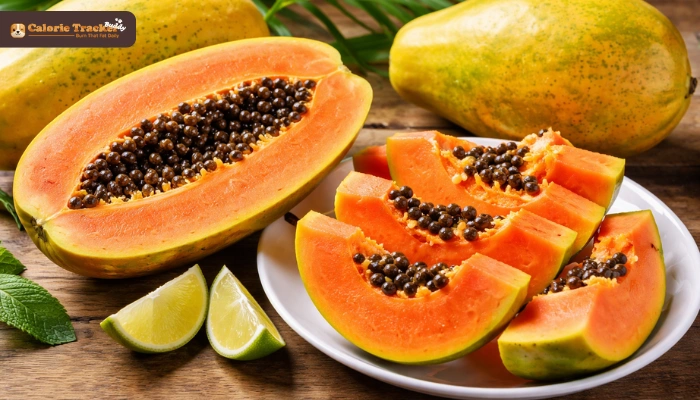
Papaya is one of those fruits that people either love immediately or feel unsure about at first. If you’ve ever cut one open, you’ll recognize the bright orange flesh and the cluster of black seeds sitting in the center. The texture is soft, the flavor is mildly sweet, and when it’s perfectly ripe, it almost melts in your mouth.
Despite being widely available in grocery stores, papaya doesn’t always get the same attention as fruits like apples, berries, or bananas. That’s a bit surprising, considering how much nutrition it offers.
The papaya fruit contains a combination of vitamins, fiber, antioxidants, and a natural digestive enzyme called papain. Together, these nutrients support digestion, immune health, and several other important functions in the body.
People often ask a simple question before adding a new food to their routine: Is papaya good for you?
The short answer is yes. But understanding why can make the fruit even more appealing. In this guide, we’ll explore the top 10 health benefits of papaya, look at its nutritional profile, and explain how you can easily include it in everyday meals.
Listen Aloud!
Quick Answer
Many of the commonly discussed papaya benefits come from its rich nutrient profile. Papaya provides vitamin C, antioxidants, fiber, and the enzyme papain, which helps break down proteins during digestion. Because the fruit is also relatively low in calories, it can be a healthy addition to a balanced diet.
What Is Papaya?
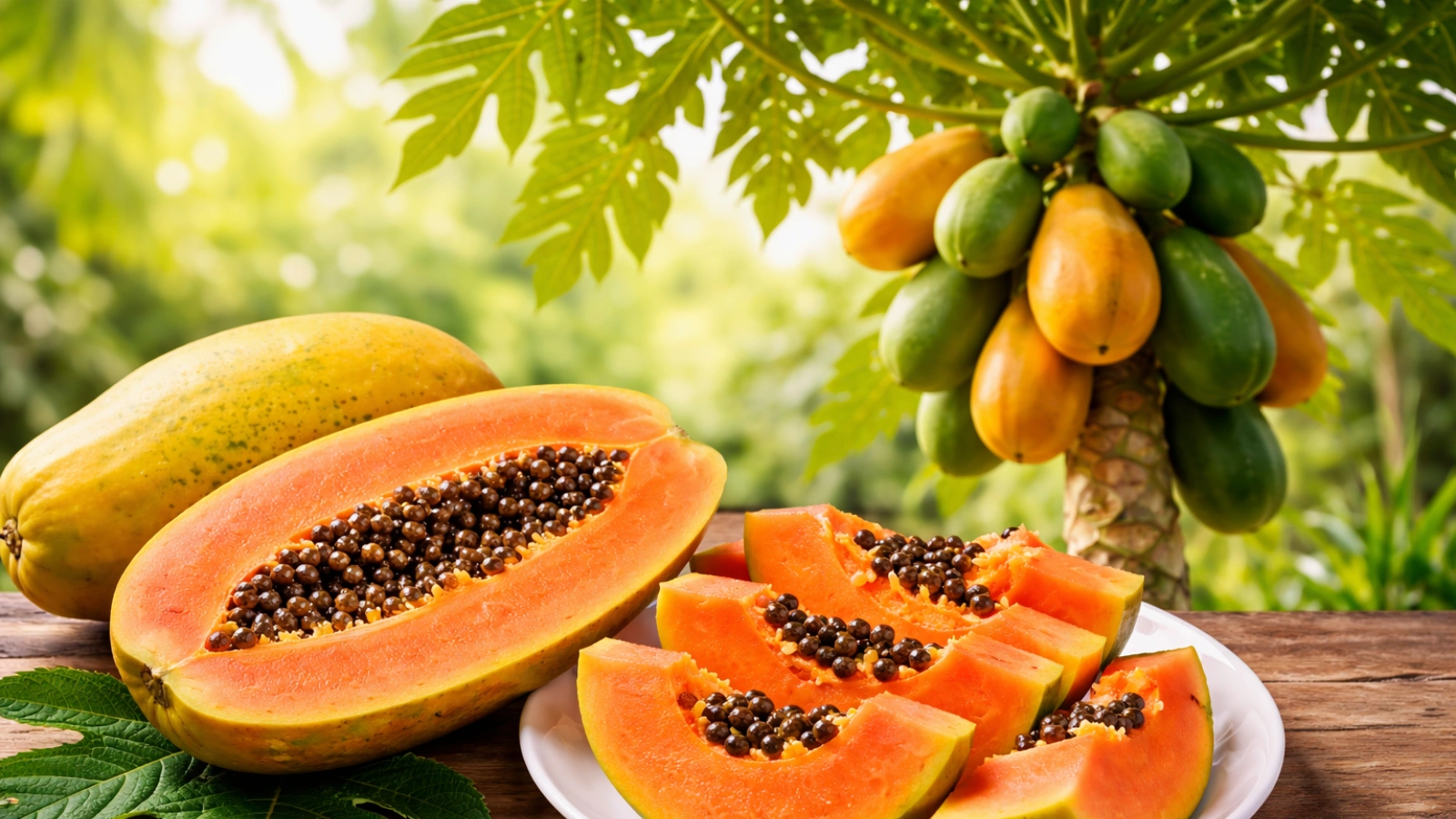
Papaya is a tropical fruit that grows on the Carica papaya tree, a plant native to Central America and southern Mexico. Today it’s cultivated in many warm regions around the world, including Southeast Asia, India, and parts of Africa.
When the fruit ripens, its skin turns yellow or orange, and the inside becomes soft and juicy. The flavor is often compared to a mix between melon and mango, though it’s milder than either.
Inside the fruit are dozens of small black seeds. Most people remove them before eating the fruit, but they’re technically edible and sometimes used in small amounts for their strong, peppery flavor.
What makes papaya particularly interesting nutritionally is the range of nutrients it contains in a relatively small serving.
A typical cup of fresh papaya provides:
| Nutrient | Approximate Amount | Why It Matters |
| Vitamin C | ~90 mg | Supports immune function |
| Fiber | ~2–3 g | Helps digestion |
| Vitamin A | High | Supports vision and skin health |
| Potassium | Moderate | Helps regulate blood pressure |
This combination helps explain why papaya has been valued in traditional diets for centuries.
Nutritional Profile of Papaya
Before looking at specific health benefits, it’s useful to understand the nutrients that make papaya such a healthy fruit.
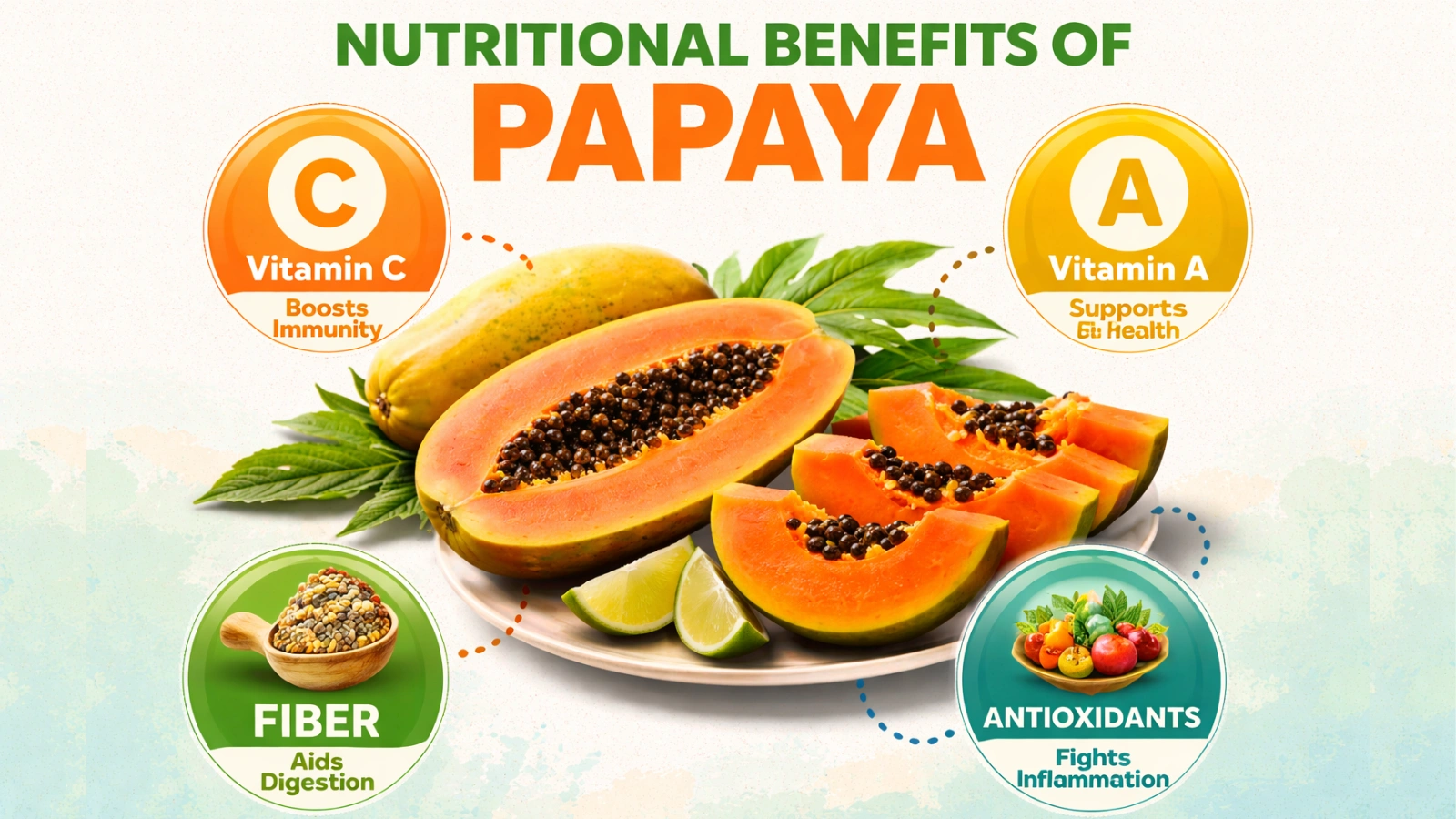
Vitamin C
Papaya is especially rich in vitamin C. One serving can provide more than half of the recommended daily intake.
Vitamin C supports immune health and also helps the body produce collagen, which is important for skin, joints, and connective tissue.
Carotenoids
The orange color of papaya comes from compounds called carotenoids. These antioxidants help protect cells from damage caused by oxidative stress.
Some carotenoids can also be converted into vitamin A inside the body, which supports healthy vision.
Papain Enzyme
Papaya contains a natural enzyme called papain, which helps break down proteins during digestion. This is one reason papaya has long been associated with digestive support.
Fiber
Although papaya isn’t as high in fiber as some fruits, it still contributes a helpful amount. Fiber supports digestion, helps maintain gut health, and can promote feelings of fullness after meals.
Top 10 Health Benefits of Papaya
1. Supports Digestive Health

One of the most widely known papaya benefits is its ability to support digestion.
The enzyme papain helps break down proteins into smaller components, making them easier for the body to process. For some people, this can reduce feelings of heaviness or discomfort after large meals.
Papaya also contains fiber, which supports regular digestion and helps keep the digestive system functioning smoothly.
2. Strengthens the Immune System
Vitamin C plays an important role in immune defense. It helps the body produce white blood cells, which fight infections and support the immune response.
Because papaya is rich in vitamin C, including it in your diet can contribute to maintaining a healthy immune system.
3. Supports Heart Health
Papaya contains potassium and antioxidants, both of which are associated with heart health.
Potassium helps regulate blood pressure by balancing sodium levels in the body. Antioxidants help reduce oxidative stress that can affect blood vessels over time.
4. Helps Maintain Healthy Skin

The skin relies on collagen to maintain its structure and elasticity. Vitamin C is essential for collagen production.
Since papaya provides a generous amount of vitamin C, eating it regularly may help support healthy skin.
Antioxidants in the fruit may also help protect skin cells from environmental stress.
5. Supports Eye Health
Papaya contains carotenoids such as beta-carotene, which the body can convert into vitamin A.
Vitamin A is essential for maintaining healthy vision and supporting the surface tissues of the eyes.
6. May Help Reduce Inflammation
Papaya contains several plant compounds that may help regulate inflammatory processes in the body.
While inflammation is a natural immune response, long-term inflammation has been linked to various health concerns. Diets rich in fruits and vegetables may help maintain balance.
7. Supports Weight Management
Papaya is naturally sweet but relatively low in calories.
Because it also contains fiber and water, it can help create a feeling of fullness. This makes it a good option for people looking to satisfy a sweet craving while maintaining a balanced diet.
-
Promotes Gut Health
Gut health depends on both digestion and microbial balance.
Papaya contributes fiber, which helps feed beneficial gut bacteria, and papain, which supports the digestion of protein-rich foods.
Together, these factors help maintain a healthy digestive environment.
9. Provides Antioxidant Protection
Antioxidants help neutralize free radicals- unstable molecules that can damage cells.
Papaya contains several antioxidant compounds, including vitamin C and carotenoids. These nutrients help protect the body from oxidative stress.
10. Papaya Benefits for Female Health
When people search for papaya benefits for female, they’re often looking for foods that support overall wellness.
Papaya contains nutrients that help with digestion, immune support, and skin health. Vitamin C in papaya also helps improve the absorption of iron from plant-based foods, which can be especially beneficial in diets where iron intake is a concern.
Papaya Seeds Benefits
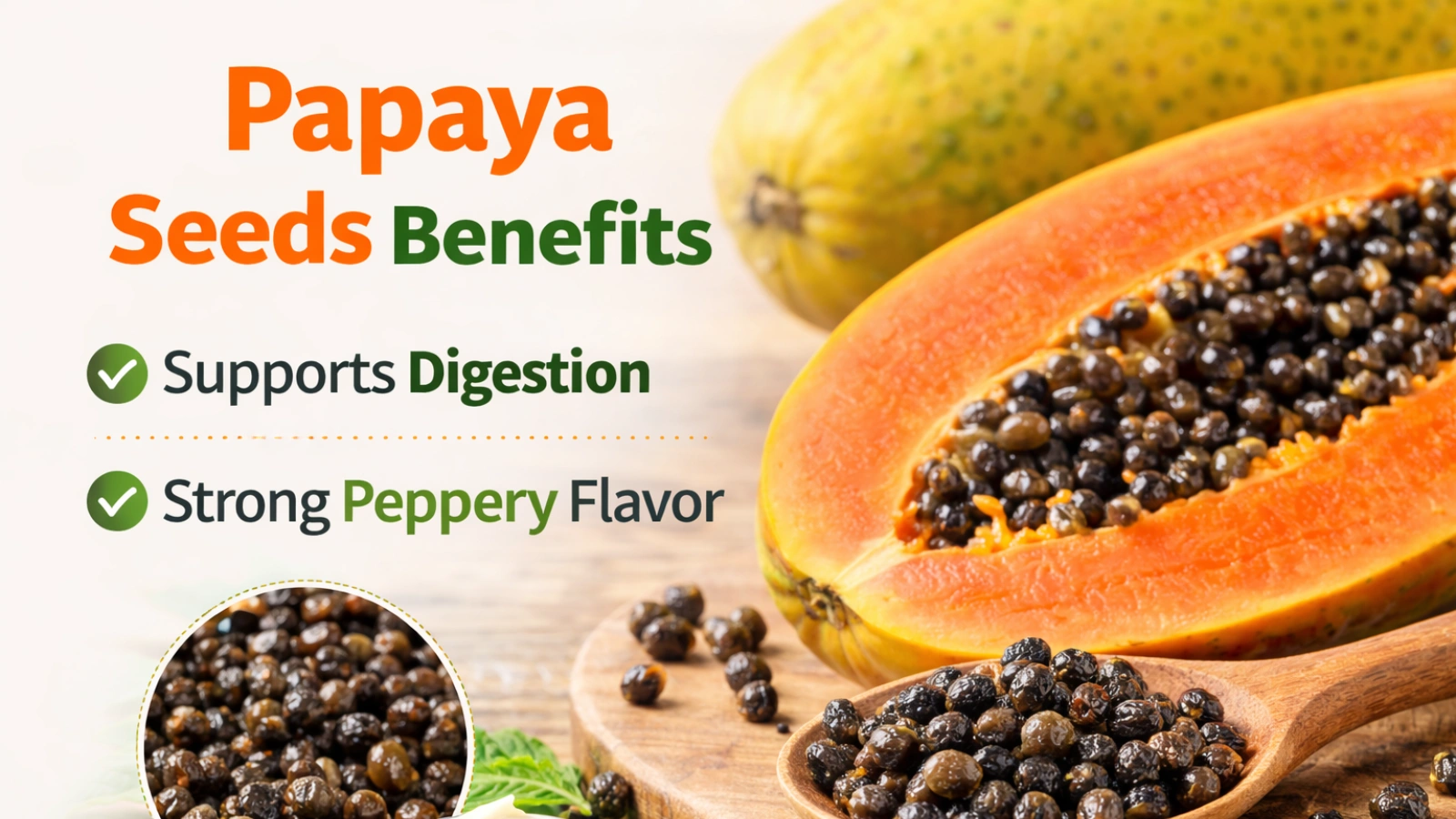
Most people remove papaya seeds before eating the fruit, but they do have some interesting characteristics.
Papaya seeds contain small amounts of fiber and certain plant compounds that may support digestive health. They also have a distinctive peppery taste, which is why some people use them as a seasoning.
Because the flavor is strong, they’re typically consumed in small amounts.
Some people dry and grind the seeds, using them as a spice similar to black pepper.
Ways to Enjoy Papaya in Your Diet
Papaya is easy to add to meals because its soft texture blends well with other foods.
Fresh Papaya
The simplest option is to slice the fruit and eat it fresh. A squeeze of lime can enhance the flavor.
Smoothies
Papaya blends easily and pairs well with fruits like banana, mango, or pineapple.
Papaya Salad
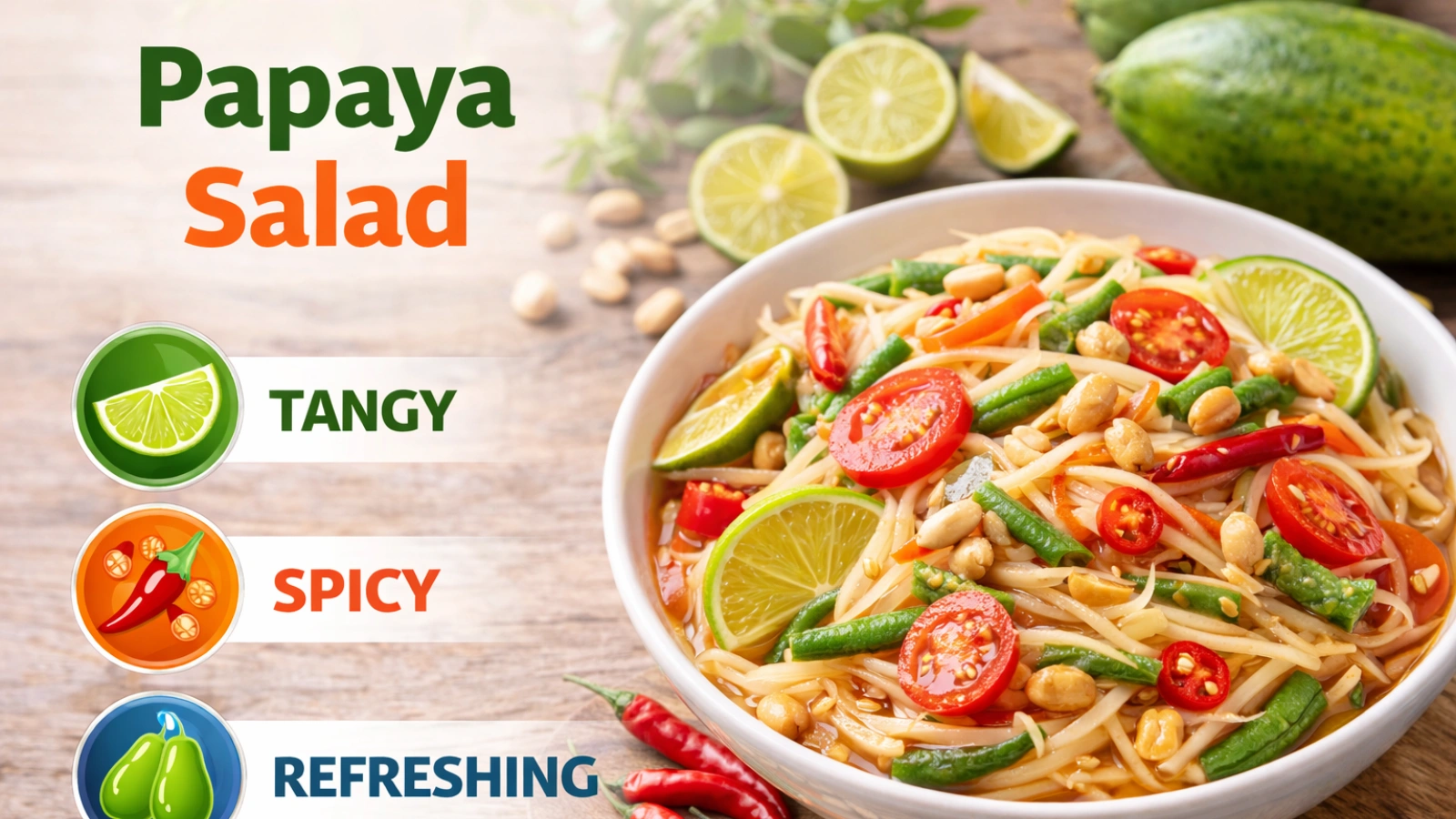
A popular dish in Southeast Asia is papaya salad, which typically uses shredded green papaya combined with lime juice, herbs, and chili. The mix of sweet, sour, and spicy flavors makes it a refreshing dish.
How to Add Papaya to Your Routine

If you’re new to papaya, adding it to your diet doesn’t require complicated recipes.
Step 1: Choose a ripe fruit
Look for papayas that have yellow or orange skin and feel slightly soft when pressed.
Step 2: Prepare it properly
Cut the fruit in half, scoop out the seeds, and slice or cube the flesh.
Step 3: Start with simple meals
One of the easiest ways to include papaya in your routine is by adding it to meals you already eat. For breakfast, papaya works well in a smoothie blended with fruits like banana or mango. As a quick snack, fresh papaya slices can be eaten on their own or paired with a squeeze of lime.
It can also be added to lunch in dishes like papaya salad, which combines shredded papaya with fresh herbs and a tangy dressing for a refreshing meal.
Calorie Tracker Buddy: A Simple Way to Track Your Nutrition

Understanding how foods fit into your overall diet becomes much easier when you track what you eat regularly.
A calorie tracker buddy can help you keep a clear record of daily meals, making it easier to understand calorie intake and nutritional balance.
Key features include:
- Daily calorie tracking
Log meals and snacks to monitor total calorie intake throughout the day. - Food search and logging
Quickly record foods such as fresh papaya, smoothies, or homemade meals using a searchable food database. - Macronutrient breakdown
Each entry shows how much protein, carbohydrates, and fat you consume. - Meal history tracking
Review past entries to identify patterns in your eating habits.
Using a calorie tracker consistently can help turn general nutrition awareness into practical daily habits.
Read Also!
Common Mistakes When Eating Papaya
Even healthy foods can be misunderstood.
One common mistake is eating papaya before it’s fully ripe. Unripe papaya has a different texture and can taste bitter.
Another mistake is assuming papaya alone can provide all necessary nutrients. Like any fruit, it works best as part of a varied diet that includes other fruits, vegetables, proteins, and whole grains.
Portion size can also matter. While papaya is healthy, eating extremely large amounts of any fruit can add excess sugar to the diet.
Conclusion
Papaya may not always be the most popular fruit in the grocery store, but its nutritional value makes it worth including in your diet.
The fruit offers vitamin C, antioxidants, fiber, and a unique digestive enzyme that supports several aspects of health. From digestion to immune function, the benefits of papaya come from the way these nutrients work together.
Adding papaya to meals doesn’t require major changes. Fresh slices, smoothies, or dishes like papaya salad are simple ways to enjoy it.
Over time, small dietary choices can add up. Including nutrient-rich fruits like papaya is an easy step toward a healthier eating routine.
Frequently Asked Questions
Is papaya good for you?
Yes, papaya is considered a nutritious fruit. It provides vitamin C, antioxidants, fiber, and digestive enzymes that support overall health.
Can you eat papaya every day?
Most people can safely enjoy papaya daily in moderate portions. A serving of fresh papaya can contribute useful vitamins and fiber to a balanced diet.
What are papaya seeds benefits?
Papaya seeds contain fiber and plant compounds that may support digestion. Because they have a strong flavor, they’re usually consumed in small quantities.
Does papaya help digestion?
Papaya contains papain, an enzyme that helps break down proteins during digestion. This may help the body process certain foods more easily.
Is papaya high in calories?
Papaya is relatively low in calories compared with many snacks and desserts. This makes it a good option for people trying to maintain a balanced diet.