

High cholesterol rarely announces itself. There are no warning signs, no obvious symptoms, and for many people, the first clue comes during a routine blood test. By then, cholesterol may have already begun building up inside the arteries, silently increasing the risk of heart disease and stroke.
The good news? What you put on your plate every day can have a meaningful impact on your heart health.
While there’s no single “miracle food” that can erase high cholesterol overnight, following a low cholesterol diet filled with fiber-rich, heart-friendly, and nutrient-dense foods can help improve your cholesterol profile over time. Even small dietary changes—like swapping refined grains for oats or replacing butter with olive oil—can support healthier LDL (“bad”) cholesterol levels while promoting better overall cardiovascular health.
In this guide, we’ll explore 11 powerful foods backed by nutrition science that deserve a place in your low cholesterol diet, along with practical tips to include them in everyday meals.
Listen To The Podcast Now!
Let’s start with understanding why cholesterol matters in the first place.
What Is Cholesterol?
Cholesterol is a waxy, fat-like substance your body needs to build cells, produce hormones, and make vitamin D. Although your liver naturally produces all the cholesterol your body requires, certain foods and lifestyle habits can increase cholesterol levels beyond what’s healthy.
There are two primary types:
LDL (Low-Density Lipoprotein) – The “Bad” Cholesterol
LDL carries cholesterol through your bloodstream. When too much LDL circulates in the blood, it can stick to artery walls, gradually forming plaque. This narrows the arteries and raises the risk of heart attacks and strokes.
HDL (High-Density Lipoprotein) – The “Good” Cholesterol
HDL acts like your body’s cleanup crew. It collects excess cholesterol from the bloodstream and transports it back to the liver, where it’s broken down and removed.
The goal isn’t to eliminate cholesterol entirely—it’s to maintain a healthy balance by lowering LDL while supporting HDL through smarter lifestyle choices.
Can a Low Cholesterol Diet Really Help?

Absolutely.
Research consistently shows that dietary changes can significantly improve cholesterol levels, especially when combined with regular physical activity and weight management.
A well-planned low cholesterol diet focuses on:
- Increasing soluble fiber
- Choosing healthy unsaturated fats
- Eating more plant-based foods
- Limiting saturated and trans fats
- Reducing refined carbohydrates
- Including omega-3-rich foods
Over time, these habits can help lower LDL cholesterol, reduce inflammation, and improve overall heart health.
Now, let’s look at the foods that make the biggest difference.
11 Powerful Foods That Make a Low Cholesterol Diet Effective
1. Oats
When people think of a diet to lower cholesterol having oats deserve to be at the top of the list.
Oats contain beta-glucan, a type of soluble fiber that forms a gel-like substance in your digestive system. This gel binds with cholesterol-rich bile acids, helping your body eliminate them naturally instead of reabsorbing them.
Why they’re effective
- Rich in soluble fiber
- Helps lower LDL cholesterol
- Keeps you full longer
- Supports healthy digestion
Easy ways to eat more oats
- Overnight oats
- Oatmeal with berries
- Homemade granola
- Oat smoothies
2. Beans and Lentils
Beans are nutritional powerhouses packed with soluble fiber and plant protein.
Unlike fatty cuts of meat, legumes provide satisfying protein without large amounts of saturated fat, making them an ideal addition to any lower cholesterol diet.
Some excellent choices include:
- Kidney beans
- Chickpeas
- Black beans
- Lentils
- Navy beans
Benefits
- Reduce LDL cholesterol
- Improve satiety
- Support gut health
- Help maintain healthy blood sugar levels
3. Avocados
Creamy, delicious, and incredibly nutritious, avocados are loaded with monounsaturated fats—the kind your heart loves.
Replacing saturated fats like butter or mayonnaise with avocado can improve cholesterol levels while adding fiber and potassium to your meals.
Try avocado in:
- Sandwiches
- Salads
- Smoothies
- Whole-grain toast
4. Fatty Fish
Eating Fish such as salmon, sardines, trout, and mackerel provide omega-3 fatty acids that support cardiovascular health.
Although omega-3s don’t directly lower LDL dramatically, they help reduce triglycerides, lower inflammation, and promote healthier arteries.
Aim for two servings per week.
Choose:
- Grilled
- Baked
- Steamed
- Air-fried
Avoid deep-frying, which can offset many of the health benefits.
5. Nuts and Seeds
Almonds, walnuts, pistachios, flaxseeds, chia seeds, and sunflower seeds provide an impressive combination of healthy fats, fiber, antioxidants, and plant protein.
Regular nut consumption has been associated with improved cholesterol levels and reduced heart disease risk.
Best options
- Almonds
- Walnuts
- Pistachios
- Chia seeds
- Flaxseeds
Keep portions moderate, about one handful daily.
6. Fruits Rich in Soluble Fiber
Fruits do much more than satisfy a sweet craving.
Many fruits contain soluble fiber, antioxidants, vitamins, and natural compounds that help reduce cholesterol absorption.
Excellent choices include:
- Apples
- Pears
- Berries
- Citrus fruits
- Kiwis
Berries are especially rich in antioxidants that help combat inflammation linked to heart disease.
7. Colorful Vegetables
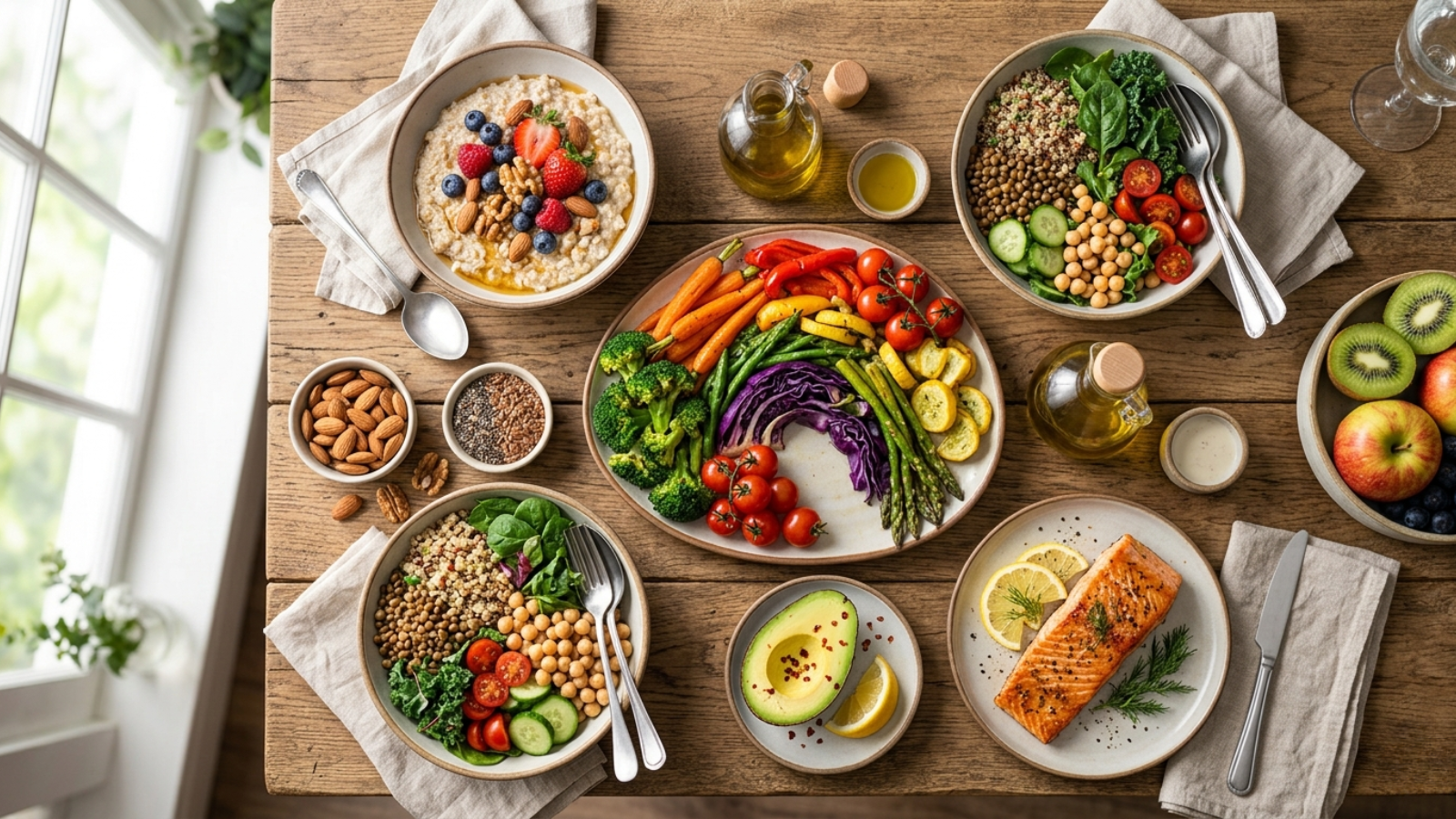
A rainbow of vegetables delivers fiber, antioxidants, vitamins, and minerals your heart depends on.
Some standout vegetables include:
- Broccoli
- Carrots
- Eggplant
- Cauliflower
- Spinach
- Brussels sprouts
Vegetables also naturally replace calorie-dense processed foods, making weight management easier.
The more colors on your plate, the greater the variety of nutrients you’ll consume.
8. Soy Foods
Soy has been studied extensively for its role in heart health.
Although its cholesterol-lowering effect is modest, soy foods become especially beneficial when they replace red meat or processed meats.
Healthy soy options include:
- Tofu
- Edamame
- Tempeh
- Unsweetened soy milk
They’re high in protein while remaining naturally low in saturated fat.
Learn More:
9. Olive Oil
Extra virgin olive oil is one of the cornerstones of the Mediterranean eating pattern.
Instead of adding cholesterol, it supplies heart-friendly monounsaturated fats and powerful antioxidants called polyphenols.
Replace:
1. Butter
2. Ghee
3. Cream-based dressings
with
✅ Olive oil
This simple swap supports healthier cholesterol levels without sacrificing flavor.
10. Whole Grains
Whole grains provide far more fiber than refined carbohydrates.
Good choices include:
- Barley
- Brown rice
- Quinoa
- Whole wheat
- Whole grain bread
Unlike refined grains, whole grains help you stay full longer while supporting better cholesterol management.
If you’re wondering how to lower cholesterol with diet, replacing white bread, white rice, and refined pasta with whole grains is one of the easiest places to start.
11. Foods Fortified With Plant Sterols
Plant sterols are naturally occurring compounds that resemble cholesterol.
Because of this similarity, they compete with cholesterol during digestion, reducing the amount your body absorbs.
You’ll find added plant sterols in products like:
- Fortified spreads
- Certain yogurts
- Functional dairy drinks
While these products can be helpful, they’re most effective when combined with an overall healthy eating pattern—not as a substitute for one.
Foods to Limit on a Low Cholesterol Diet
Knowing what to avoid is just as important as knowing what to eat.
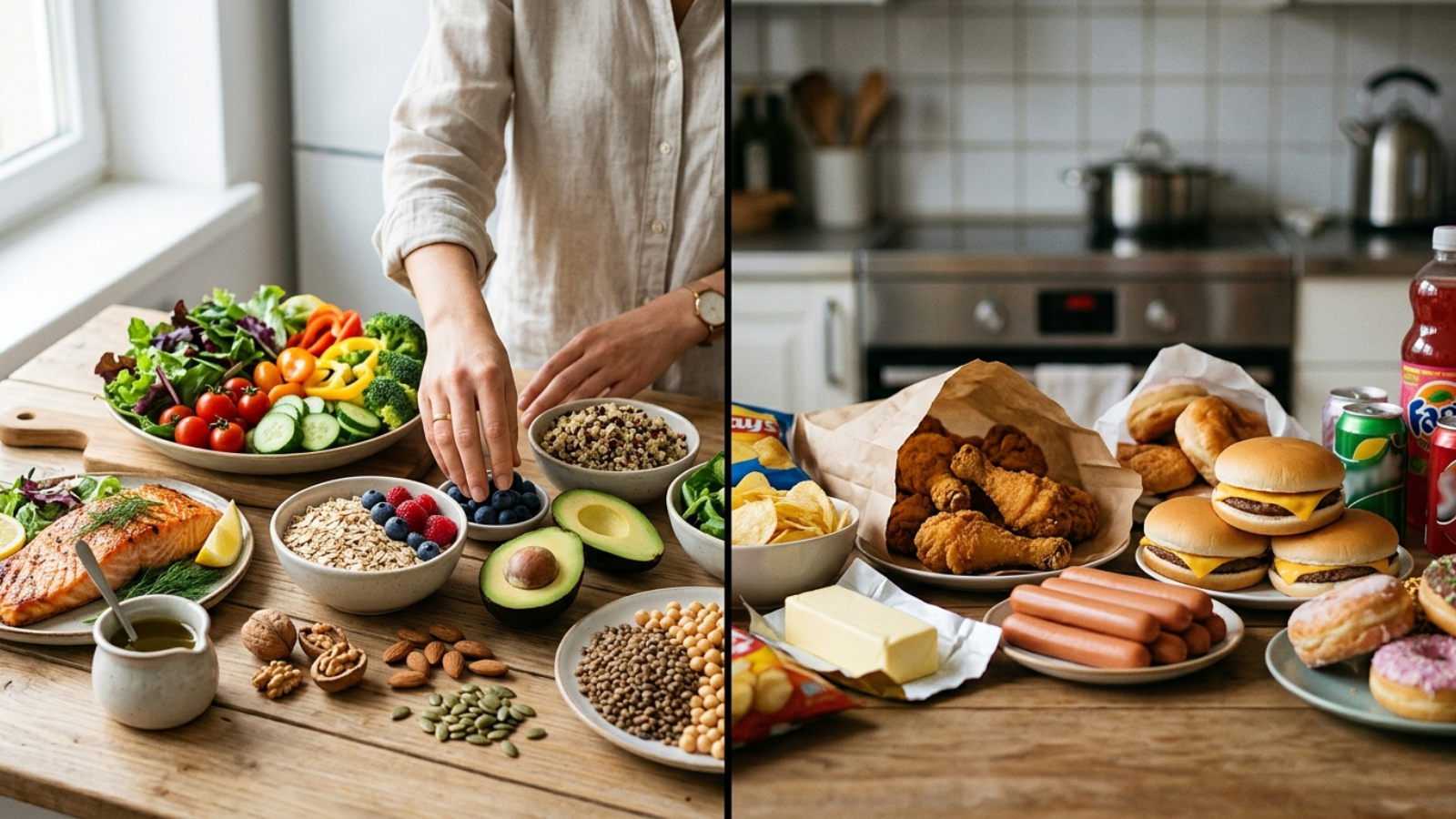
Try to reduce:
- Processed meats
- Fatty cuts of red meat
- Butter
- Full-fat cheese
- Cream
- Fried foods
- Pastries
- Packaged snacks
- Sugary drinks
- Foods containing trans fats
Instead, focus on minimally processed, whole foods that nourish your heart.
Lifestyle Habits That Improve Cholesterol Naturally
Food is only one part of the equation.
Here are additional habits that strengthen a low cholesterol diet.
1. Stay Physically Active
Aim for at least 150 minutes of moderate exercise every week.
Walking, cycling, swimming, and strength training all contribute to healthier cholesterol levels.
2. Maintain a Healthy Weight
Even modest weight loss can improve LDL, HDL, and triglyceride levels.
3. Quit Smoking
Smoking lowers HDL cholesterol while damaging blood vessels.
Stopping smoking quickly improves cardiovascular health.
4. Manage Stress
Chronic stress often encourages unhealthy eating patterns and poor lifestyle habits.
Meditation, yoga, deep breathing, and quality sleep all support better heart health.
5. Read Food Labels
Choose foods that are:
- Low in saturated fat
- High in fiber
- Low in added sugar
- Made with whole ingredients
Small shopping decisions add up over time.
Track What You Eat to Stay Consistent
One of the biggest challenges with following a low cholesterol diet isn’t knowing what to eat—it’s staying consistent with your choices day after day. Many people underestimate portion sizes, overlook hidden fats, or lose track of their daily calorie intake, making it harder to reach their health goals.
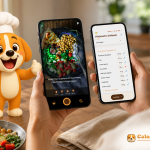
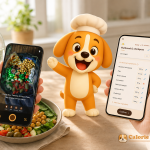
This is where Calorie Tracker Buddy can make a real difference. Instead of manually logging every meal, the app helps you easily track your calorie intake, monitor your nutrition, and better understand your eating habits. With features like AI-powered meal tracking, calorie insights, and daily progress monitoring, it becomes much easier to make informed food choices. When paired with heart-healthy foods and regular exercise, Calorie Tracker Buddy can help make your diet to lower cholesterol more consistent, sustainable, and easier to follow.
Make Every Meal Count with Calorie Tracker Buddy
Changing your eating habits is easier when you have the right tools. Calorie Tracker Buddy (CTB) is designed to simplify healthy eating by helping you track meals, calories, activity, and progress—all while keeping you motivated through an interactive virtual companion.
Why You’ll Love Calorie Tracker Buddy
📸 AI Meal Scanner
Simply snap a photo of your meal, and CTB automatically estimates calories, nutrients, and nutritional balance in seconds—no manual logging required.
🍽️ Smart Menu Scanner
Eating at a restaurant? Scan the menu, and CTB analyzes each dish, estimates calories and macros, and even suggests healthier alternatives that better fit your goals.
🔥 Track Calories In & Calories Out
Monitor both your daily calorie intake and the calories you burn through walking, workouts, or everyday activities to better understand your progress.
🎯 Personalized Goal Predictions
See how every meal, snack, and drink impacts your daily calorie target, making it easier to stay on track with your health goals.
🐾 Stay Motivated with Your Virtual Buddy
Healthy habits become more enjoyable when your adorable virtual pet celebrates every smart food choice, workout, and milestone with you.
💧 Complete Wellness Tracking
Beyond meals, CTB also helps you monitor your daily water intake, step count, and overall activity—supporting a healthier lifestyle from every angle.
Take the Guesswork Out of Healthy Eating
Following a low cholesterol diet doesn’t have to mean counting every calorie by hand or wondering whether you’re making the right choices. With Calorie Tracker Buddy, you can quickly track meals, understand your nutrition, stay motivated, and build healthier habits that last.
👉 Ready to make your heart-healthy journey easier? Download Calorie Tracker Buddy today and start tracking your meals, calories, and progress with your own AI-powered wellness companion.
Sample One-Day Low Cholesterol Diet
Need inspiration?
Breakfast
Oatmeal topped with blueberries, walnuts, and chia seeds.
Morning Snack
Apple with almond butter.
Lunch
Grilled salmon with quinoa and roasted vegetables.
Afternoon Snack
Carrot sticks with hummus.
Dinner
Lentil curry served with brown rice and sautéed spinach.
Dessert
Fresh berries with unsweetened yogurt.
Simple meals like these naturally combine fiber, healthy fats, and lean protein.
Final Thoughts
Improving your cholesterol isn’t about following a restrictive eating plan or chasing trendy superfoods.
The real secret lies in consistency.
A well-balanced low cholesterol diet built around oats, legumes, fruits, vegetables, nuts, healthy fats, whole grains, and omega-3-rich fish can gradually improve your cholesterol profile while supporting long-term heart health.
If you’re wondering how to lower cholesterol with diet, remember that every healthier choice matters. Swapping butter for olive oil, choosing oatmeal over sugary cereal, or adding beans instead of processed meat may seem like small changes, but together they create lasting results.
The best diet to lower cholesterol isn’t about perfection—it’s about building sustainable habits that protect your heart for years to come.
When combined with regular exercise, quality sleep, stress management, and routine medical checkups, a thoughtful lower cholesterol diet becomes one of the most effective tools for reducing cardiovascular risk and living a healthier life.
After all, your heart works for you every second of every day. Giving it the right fuel is one of the smartest investments you can make.
FAQs: –
1. What is the best low cholesterol diet?
The best low cholesterol diet focuses on whole grains, fruits, vegetables, legumes, nuts, seeds, fatty fish, and healthy oils like olive oil. It also limits saturated fats, trans fats, processed foods, and excess sugar to support healthy cholesterol levels and heart health.
2. Which foods lower cholesterol the fastest?
Foods rich in soluble fiber and healthy fats are among the most effective. Oats, beans, lentils, salmon, avocados, almonds, walnuts, berries, and foods fortified with plant sterols can all support lower LDL cholesterol when eaten regularly as part of a balanced diet.
3. How can I lower cholesterol with diet naturally?
If you’re wondering how to lower cholesterol with diet, start by replacing saturated fats with unsaturated fats, eating more fiber-rich foods, choosing whole grains over refined carbohydrates, and including omega-3-rich fish twice a week. Combining these dietary changes with regular exercise delivers the best results.
4. What foods should I avoid on a lower cholesterol diet?
A lower cholesterol diet should limit processed meats, fatty cuts of red meat, butter, full-fat dairy, fried foods, pastries, sugary beverages, and foods containing trans fats. Choosing minimally processed, nutrient-rich foods is a healthier alternative.
5. How long does a diet to lower cholesterol take to work?
A diet to lower cholesterol can begin improving cholesterol levels within 4 to 12 weeks, although results vary based on your starting cholesterol levels, overall lifestyle, and consistency. Your healthcare provider can monitor your progress through regular blood tests.