


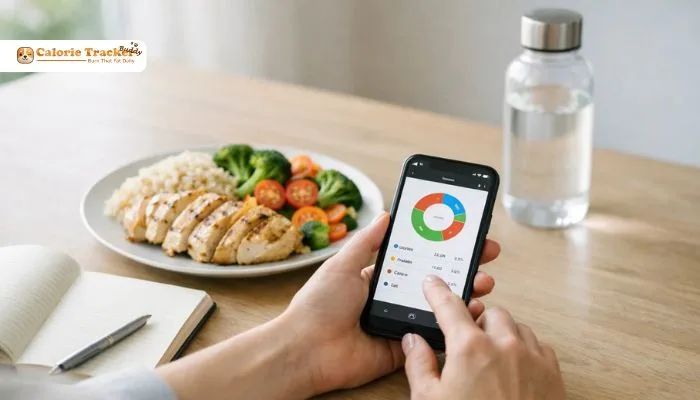
If you have ever searched for how to track macros for beginners, you already know that nutrition can feel overwhelming at first. But here is the truth: macro tracking is one of the most powerful tools you can use to take full control of your health.
Whether you want to lose fat, build muscle, or simply eat better, understanding your Macros is the first step. It does not have to be complicated. With the right guidance and a beginner-friendly approach, tracking macros for beginners becomes a skill you can master within days. This guide will walk you through everything you need to know, clearly, simply, and practically.
Listen To The Podcast Now!
What Are Macros and Why Do They Matter?
Before you start learning how to track macros for beginners, you need to understand what macros actually are.
Macros, short for macronutrients, are the three main nutrients your body uses for energy:
Protein builds and repairs muscles. Essential for anyone who works out regularly. Found in chicken, eggs, fish, paneer, and lentils.
Carbohydrates are your body’s primary energy source. Found in rice, oats, fruits, and bread.
Fats support hormones, brain function, and vitamin absorption. Found in nuts, avocado, oils, and dairy.
Every food you eat contains some combination of these three. Tracking them gives you a complete picture of not just how much you are eating, but what you are actually fueling your body with. Calories alone do not tell the full story; macros do.
Step 1: Calculate Your Macro Goals:
The first real step in how to track macros for beginners is figuring out your personal macro targets. This depends on three things: your body weight, your activity level, and your goal.
Here is a simple starting point:
- For weight loss: Higher protein, moderate fat, lower carbs, roughly 40% protein, 30% fat, 30% carbs
- For muscle gain: Higher protein and carbs, moderate fat, roughly 35% protein, 45% carbs, 20% fat
- For maintenance: A balanced split of around 30% protein, 40% carbs, 30% fat
You can use an online macro calculator to get more precise numbers based on your height, weight, age, and activity level. Once you have your targets, you have a clear, daily goal to work toward. This is what makes macro tracking so much more effective than guessing or restricting randomly.
Step 2: Learn to Read Nutrition Labels:
One of the most underrated parts of understanding how to track macros for beginners is getting comfortable with nutrition labels.
Every packaged food has a label showing calories, protein, carbohydrates, and fat per serving. Pay attention to:
- Serving size: All the numbers listed are based on this. Ignore it, nd your tracking will be off.
- Total carbohydrates. This includes fiber and sugar. Subtract fiber from total carbs to get net carbs if needed.
- Protein grams. This is your most important macro if muscle or fat loss is your goal.
- Total fat: Not all fat is bad. Check the type of fat when possible.
For whole foods like fruits, vegetables, or cooked meals without labels, a quick search or a tracking app will give you reliable macro data. The more you read labels, the faster and more instinctive it becomes.
Step 3: Start Tracking Your Food Daily:
Now that you know your targets and how to read labels, it is time to actually start. When you learn how to track macros for beginners, consistency matters more than perfection.
Here is a simple daily habit to build:
- Log before or right after eating- Do not wait until the end of the day when you have forgotten portions.
- Weigh your food– A kitchen scale gives you accuracy that eyeballing simply cannot. Even experienced trackers use one.
- Track everything– Oils, sauces, drinks, and snacks all count. Small things add up fast.
- Aim for 80% accuracy– You do not need to be perfect. Getting close to your targets consistently is what drives results.
Within a week or two of doing this, patterns emerge. You start to see which meals keep you full, which foods are protein-rich, and where you are unintentionally going over on carbs or fat.
How Do I Track My Macros to Lose Weight?
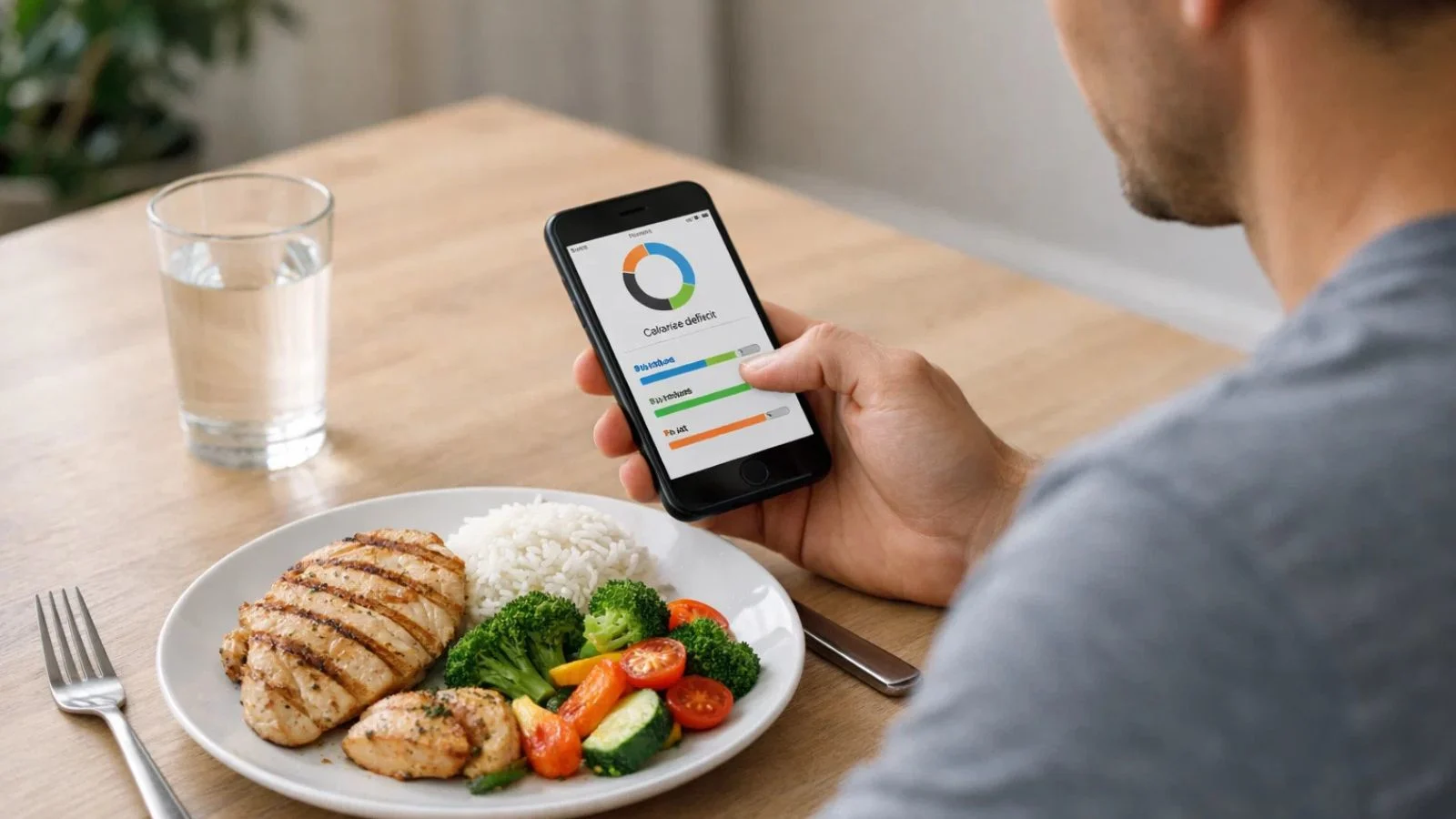
If weight loss is your goal, tracking macros is far more effective than just cutting calories blindly. When you know how to track your macros to lose weight, you eat in a calorie deficit while keeping protein high enough to protect your muscle mass.
The key principles are:
- Keep protein high, aim for at least 1.6–2g of protein per kg of body weight. This keeps you full and preserves muscle.
- Reduce carbs moderately. You do not need to go zero-carb. Just reduce portions and choose complex carbs like oats, quinoa, and sweet potato.
- Do not cut fat too low. Fat supports hormones and keeps you satiated. A minimum of 0.5–1g per kg of body weight is recommended.
- Create a calorie deficiency. Eat 300–500 calories below your maintenance level. Tracking macros makes this automatic.
The biggest advantage of macro tracking for fat loss is that you stop fearing food. You make informed choices instead of emotional ones.
Track Macros to Gain Muscle:
Macro tracking is equally powerful for building muscle. To track macros to gain muscle, you need to eat in a slight calorie surplus with enough protein and carbs to support training and recovery.
Key adjustments:
- Increase total calories by 200–300 above maintenance
- Prioritize protein at around 2g per kg of body weight daily
- Eat more carbs around your workouts for energy and recovery
- Do not fear fats; they support testosterone and recovery hormones
Many beginners make the mistake of eating in a huge surplus and gaining too much fat. Macro tracking allows you to gain lean muscle methodically, without unnecessary fat gain.
Also Read:
Meet Calorie Tracker Buddy, The Smarter Way to Track:

Once you understand how to track macros for beginners, the right app makes all the difference. Calorie Tracker Buddy is built for exactly this, making macro and calorie tracking simple, accurate, and actually enjoyable.
Here is what it offers:
1. 📸 AI Meal Snap, Point your camera, tap once, and your food is scanned for calories, protein, carbs, and fat instantly
2. 📊 Full Macro Tracking, Track carbs, protein, fat, and water intake in one place with real-time feedback
3. 🔥 Calorie Burn Tracking Every step, workout, and daily movement is counted toward your energy balance
4. 🎯 Personalized Goal Setting, Whether you want to lose weight, gain muscle, or maintain, the app customizes your targets
5. 🐾 Virtual Buddy Motivation: A unique gamified pet that grows with your healthy choices, keeping you accountable daily
6. 📱 Offline Logging, Log meals without internet; the app syncs when you are back online
7. 🤝 Social Sharing Share meals, streaks, and wins with your community for extra motivation
Calorie Tracker Buddy removes every excuse beginners have for not tracking. It is available on both the App Store and Google Play.
Common Mistakes Beginners Make When Tracking Macros:
Even with the best intentions, beginners often fall into the same traps when starting with how to track macros for beginners.
- Not tracking consistently, skipping weekends or “cheat days” without logging creates blind spots in your data and stalls results.
- Underestimating portions, Most people underestimate how much they eat by 20–40%. Use a food scale until you can judge portions accurately by eye.
- Ignoring liquid calories, Juice, chai with milk, smoothies, and soft drinks all carry macros that add up significantly.
- Changing targets too often. Give your current macro targets at least three to four weeks before adjusting. The body needs time to respond.
- Focusing only on calories, two people can eat the same calories and look and feel completely different based on their macro split. Protein, carbs, and fat all matter.
Avoiding these mistakes accelerates your progress and makes tracking macros for beginners much less stressful.
How to Track Your Macros on a Budget?
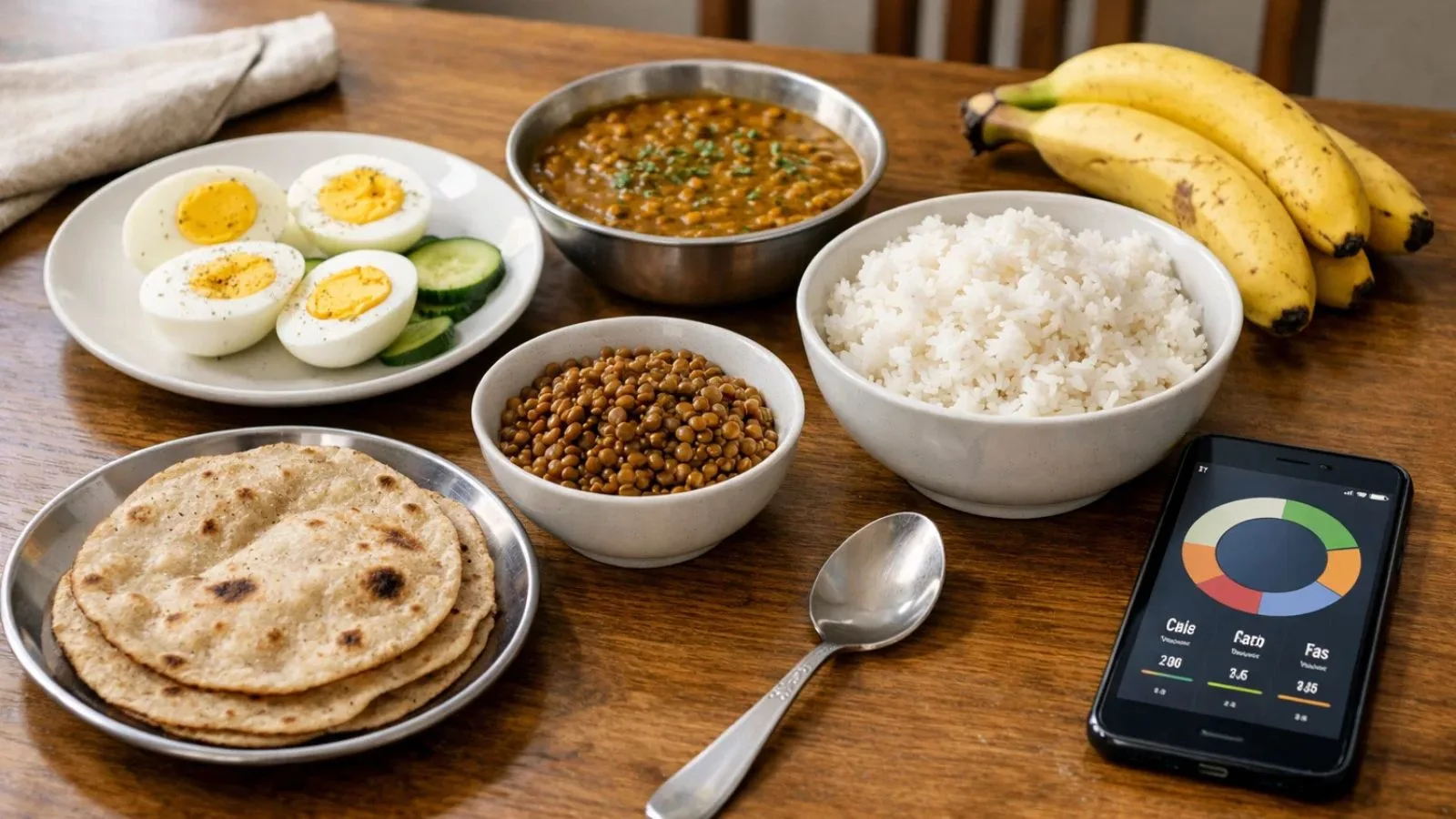
A common concern is that healthy eating is expensive. But when you know how to track your macros, you will find that smart food choices are often the most affordable ones.
Budget-friendly high-protein foods: eggs, lentils, chickpeas, canned tuna, low-fat paneer, and Greek yogurt.
Budget-friendly carb sources: oats, rice, roti, sweet potatoes, and bananas.
Budget-friendly fats: peanut butter, sunflower oil, and whole eggs.
Meal prepping two or three days at a time saves money and removes the need to make daily decisions about food. When you know the macros of your go-to meals, logging them takes under sixty seconds per day.
Conclusion:
Learning how to track macros for beginners is one of the most rewarding investments you can make in your health. It replaces guesswork with clarity and confusion with control. Whether you want to lose fat, gain muscle, or simply understand your body better, macro tracking is the foundation. Start with your targets, read your labels, log consistently, and use a smart tool like Calorie Tracker Buddy to make the process effortless and enjoyable.
FAQ’s:
Q1. How long does it take to learn how to track macros for beginners?
Ans: Most beginners feel confident within two to three weeks of daily logging. The more consistently you track, the faster it becomes second nature.
Q2. Do I need to hit my macros exactly every day?
Ans: No. Aim for 80–90% accuracy. Getting close consistently over time is what drives results, not perfection on any single day.
Q3. Can I track macros without a food scale?
Ans: You can use visual portion estimates, but a scale is significantly more accurate, especially for the first few months. Most entry-level kitchen scales cost very little.
Q4. Is Calorie Tracker Buddy free to use?
Ans: Yes, Calorie Tracker Buddy offers a free plan that includes AI photo logging, macro tracking, and core gamification features. A premium tier is available for deeper insights.