


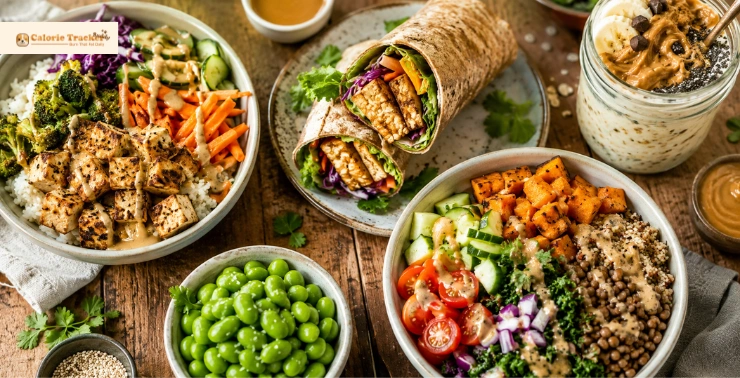
The “Not Enough Protein” Myth Needs to End
High protein vegan meals are often treated like a contradiction. People assume plant-based eating means constant hunger, weak salads, or endless smoothies that barely last until lunch.
The truth is more nuanced. Protein on a vegan diet takes intention, but it is absolutely possible to build satisfying meals that keep you full for hours. The key is choosing the right protein sources and structuring meals properly. This guide breaks down realistic, filling options with actual protein counts, practical tips, and strategies that work in everyday life.
Read Aloud!
Quick Answer – How Much Protein Can Vegan Meals Actually Deliver?
Well-built, high protein vegan meals can easily provide 20 to 40 grams of protein per serving. The biggest mistake people make is relying on vegetables alone instead of using concentrated plant proteins as the foundation of the meal.
Some of the best plant-based protein sources include:
- Seitan: ~25g protein per 100g
- Tempeh: ~19g protein per 100g
- Edamame: ~11g protein per 100g
- Lentils: ~9g protein per 100g cooked
- Black beans: ~8.9g protein per 100g
Most vegan high protein meals below are built around these ingredients because they deliver both protein and real satiety.
The Power Proteins – Build Every Meal Around These
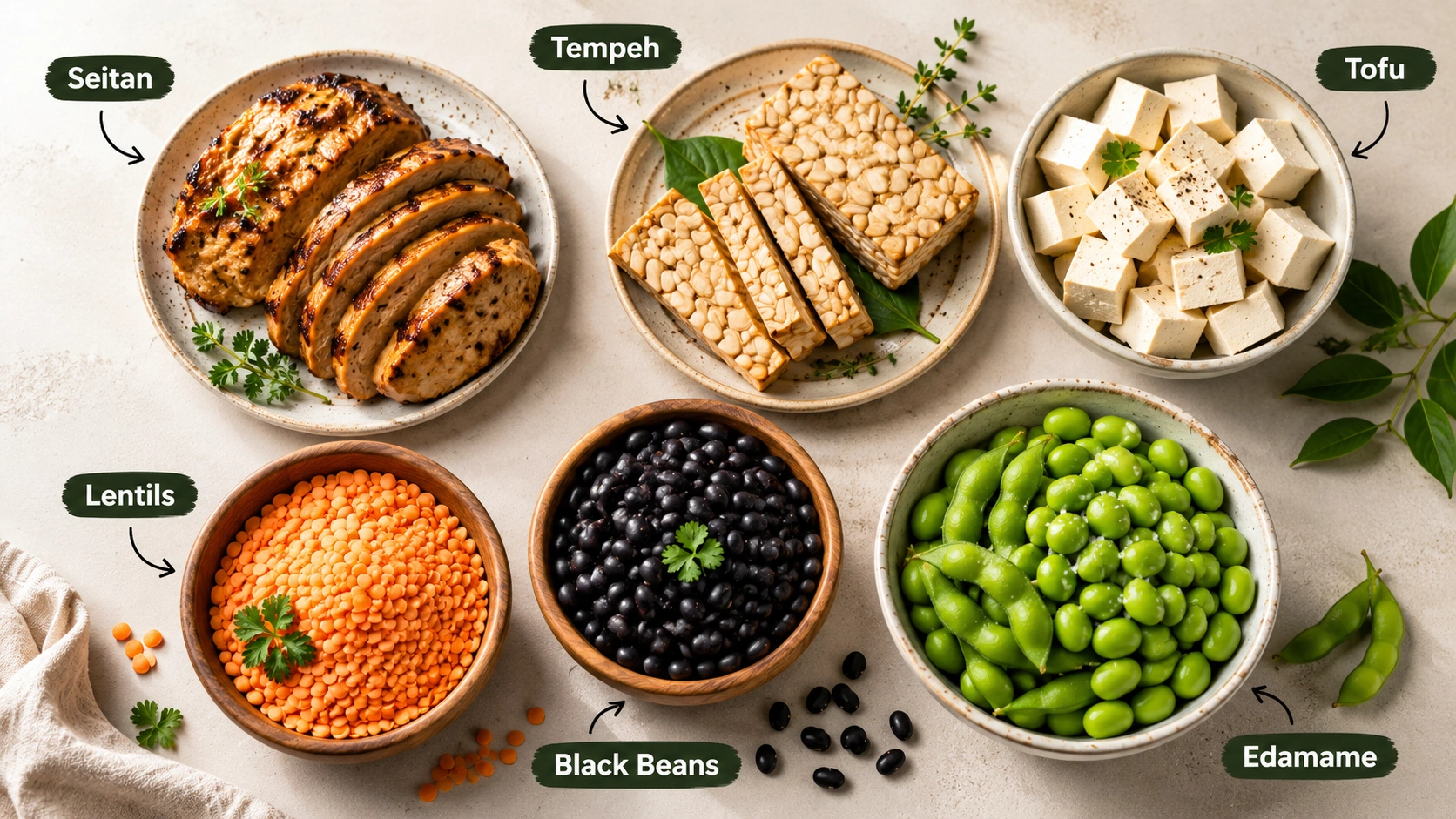
Many people treat protein like an extra topping. That approach usually backfires. Instead, think of protein as the center of the plate.
Tofu is one of the easiest places to start. It absorbs flavor well, works in almost any cuisine, and provides steady protein without feeling heavy.
Tempeh offers a firmer texture and a slightly nutty flavor. It tends to feel more filling because it contains both protein and fiber.
Seitan is incredibly protein-dense and works especially well for people trying to increase intake without eating huge portions. Its texture is closer to meat than most plant proteins.
Lentils and beans still matter, even though they contain more carbohydrates. They bring fiber, minerals, and long-lasting fullness that isolated protein products often lack.
Protein quality matters too. Some plant proteins are incomplete on their own, meaning they are lower in certain amino acids. That sounds complicated, but in practice it is simple. Eating a variety of protein sources throughout the day usually covers your needs naturally.
Complete Protein Combos Worth Memorizing
- Rice + lentils
- Hummus + whole wheat pita
- Tofu + edamame
- Quinoa on its own
- Peanut butter + whole grain bread
These combinations help create more balanced amino acid profiles while keeping meals practical and affordable.
High Protein Vegan Meals for Every Part of Your Day
The easiest way to stay consistent is building meals that fit into real routines. Not every meal needs to be elaborate.
Breakfast – High Protein
Moong dal chilla with mint chutney (~20g)
Crispy, savory, and much more satisfying than toast or cereal. Adding tofu stuffing increases protein even further.
Tofu bhurji with multigrain roti (~22g)
This gives the same comfort as traditional egg bhurji while keeping the meal fully plant-based and protein-rich.
Besan cheela with spinach and peanuts (~18g)
Besan naturally contains decent protein, and peanuts add texture plus healthy fat that improves fullness.
Soya upma with vegetables (~21g)
Regular upma digests quickly for many people. Adding soya granules changes the meal completely and makes it more balanced.
Peanut butter overnight oats with soy milk and chia seeds (~20g)
Still convenient for busy mornings, but far more filling than standard oats because of the protein and fiber combination.
Many high protein vegan meals fail at breakfast because they rely too heavily on fruit or refined carbs. A protein-focused breakfast usually improves hunger levels for the rest of the day.
Lunch – Easy Meals That Actually Meal Prep Well
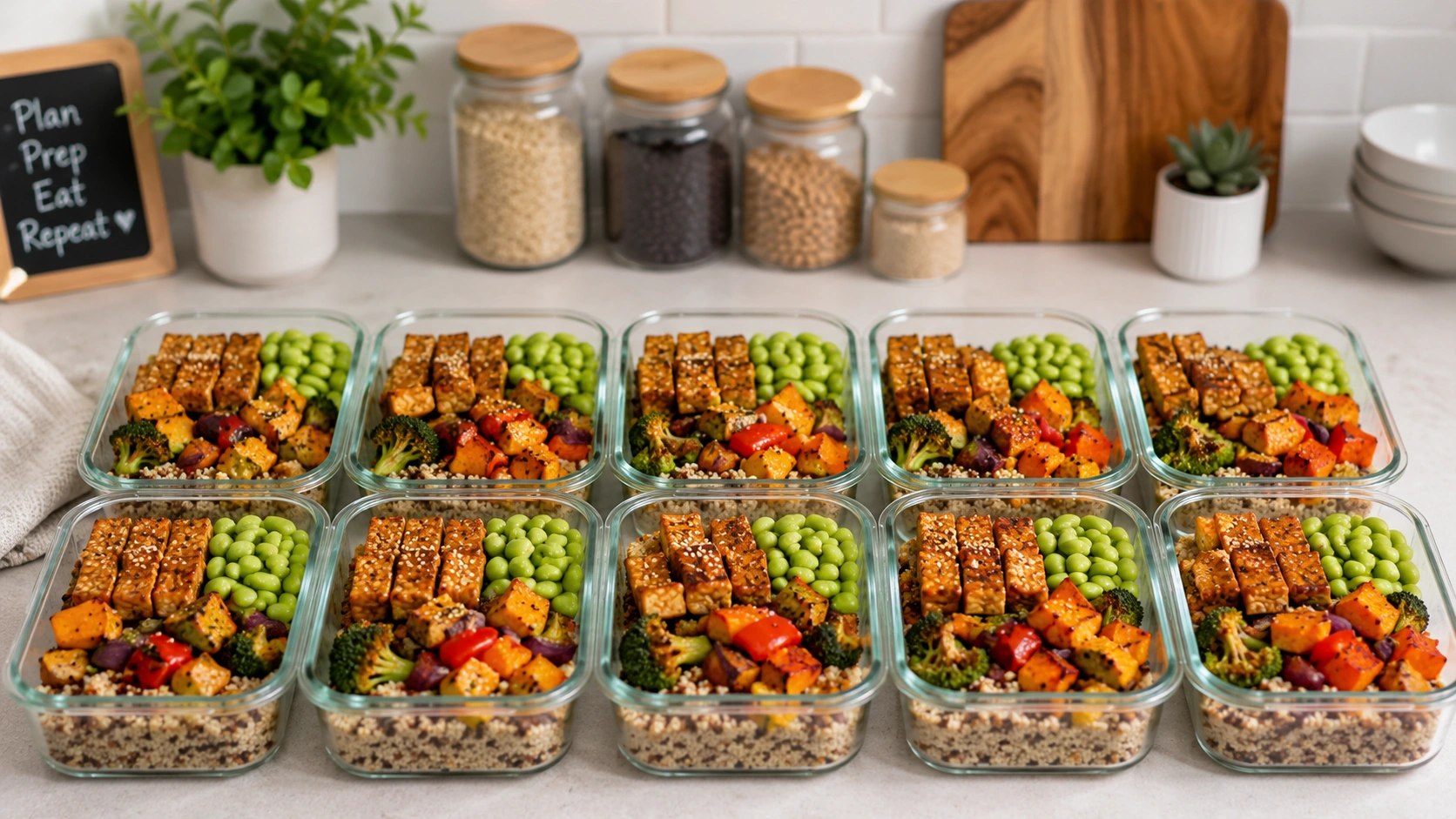
Easy high protein vegan meals work best when they reheat well and stay satisfying for hours.
Lentil and quinoa power bowl with roasted vegetables (~24g)
This combination works because it balances protein, fiber, and texture. Roasted vegetables make it feel substantial instead of overly “healthy.”
Tempeh wrap with hummus and greens (~26g)
The tempeh provides chewiness and staying power. Pickled onions or spicy sauce help prevent flavor fatigue.
Black bean and brown rice burrito bowl (~22g)
Simple does not mean ineffective. Beans and rice remain one of the most practical protein combinations available.
Edamame soba noodle salad with sesame dressing (~20g)
Cold meals can still feel satisfying when enough protein is included. Edamame makes a huge difference here.
Dinner – Satisfying Meals That Feel Like Real Dinner
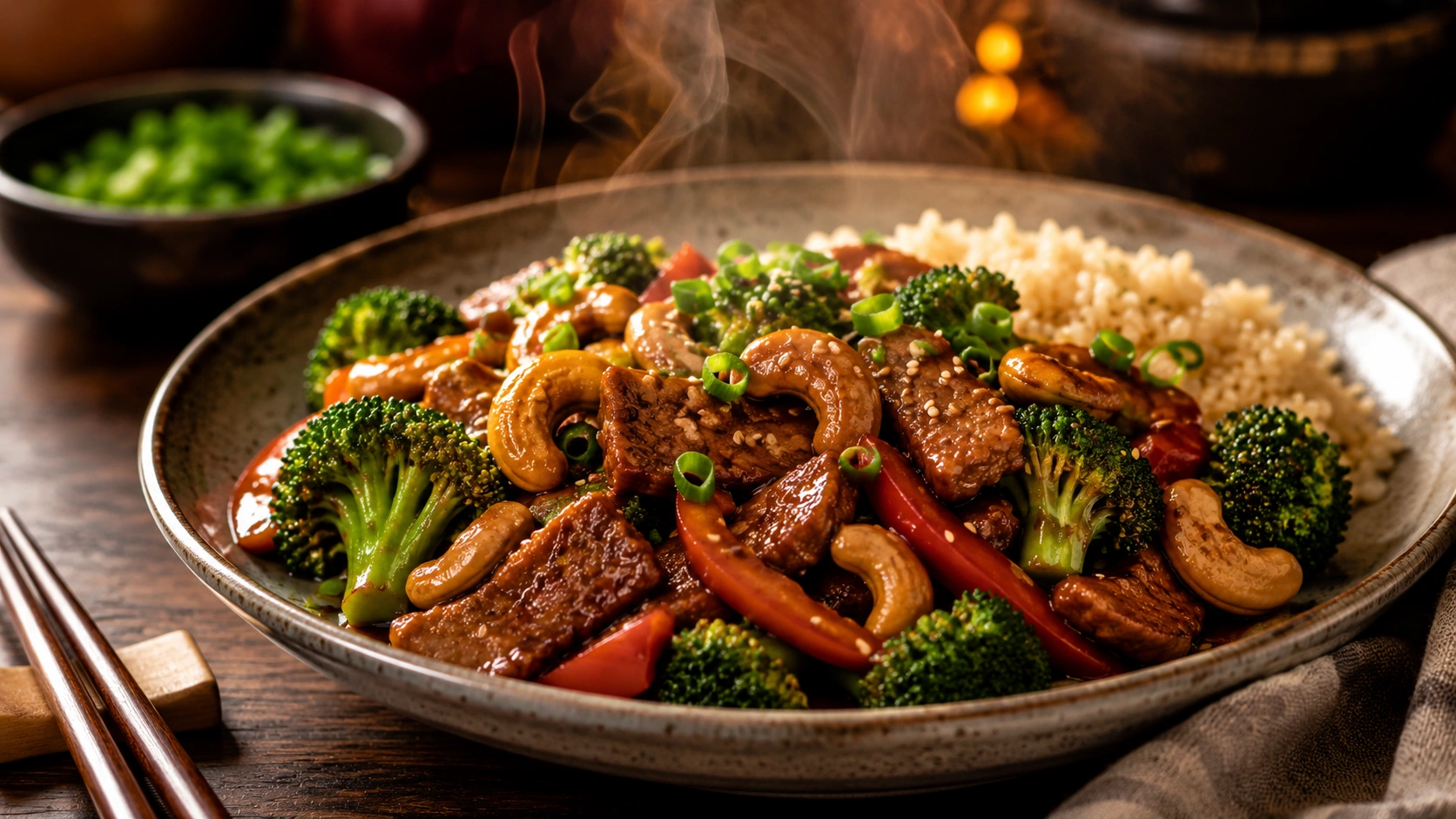
Dinner is where many people start doubting plant-based eating. They want comfort, fullness, and something that feels complete.
High protein vegan meals succeed when they deliver that experience instead of feeling restrictive.
Seitan stir-fry with broccoli and cashews (~35g)
This is one of the highest-protein options on the list. The combination of seitan and cashews creates a rich, satisfying texture.
Red lentil dal with whole grain naan (~23g)
Comfort food matters. Warm, heavily spiced meals often feel more emotionally satisfying than cold salads.
Baked tofu with peanut sauce over quinoa (~28g)
Peanut sauce solves a common vegan problem: dry meals. Texture and richness play a major role in satiety.
Chickpea tikka masala with brown rice (~21g)
This works particularly well for meal prep because the flavors deepen over time.
Snacks + Mini Meals – Hit Protein Gaps Without Thinking
Small additions throughout the day often matter more than one giant protein-heavy dinner.
- Edamame with sea salt (~11g per cup)
- Roasted chickpeas (~7g per serving)
- Whole grain toast with peanut butter and hemp seeds (~14g)
- Vegan yogurt with chia seeds (~15g)
These options help high protein vegan meals feel sustainable instead of exhausting to plan.
High Protein Low Carb Vegan Meals – Is It Actually Possible?
High protein low carb vegan meals are harder to build because many plant proteins naturally contain carbohydrates. Still, it is completely possible with the right ingredients.
Tofu, tempeh, seitan, hemp seeds, and edamame are usually the easiest lower-carb choices.
Lower-Carb Vegan Protein Swaps
- Replace rice with cauliflower rice and add extra tofu
- Use zucchini noodles with tempeh crumbles
- Make lettuce wraps with spiced tofu and edamame
- Swap beans for seitan in stir-fries when possible
The goal is not eliminating carbs entirely. It is creating a protein-first structure while keeping meals balanced.
Read More!
Why You’re Still Hungry After “High Protein” Meals
Some people technically eat enough protein but still feel unsatisfied. Usually, the issue is meal structure rather than veganism itself.
Protein works best alongside fiber and healthy fats. A plain protein shake often disappears quickly because it lacks volume and texture.
Another issue is protein timing. Skipping protein at breakfast and trying to “catch up” at dinner rarely feels good physically.
Common Mistakes That Sabotage Your Protein Goals
- Forgetting protein early in the day
- Treating legumes like side dishes instead of the main event
- Relying on only one protein source repeatedly
- Ignoring calorie intake overall
- Missing easy add-ons like hemp seeds or nutritional yeast
Easy high protein vegan meals become much more effective when protein appears consistently throughout the day.
Track What You Eat – Meet Calorie Tracker Buddy
Knowing which foods contain protein is useful. Knowing whether you are actually hitting your target is even more valuable.
Calorie Tracker Buddy helps remove the guesswork that often comes with plant-based eating.
It can help you:
- Track protein, carbs, and fat per meal
- Log your meals quickly
- View daily protein totals at a glance
- Set goals for muscle gain, weight loss, or maintenance
For many people, tracking for even one week completely changes how they approach high protein vegan meals.
The Bigger Picture – Why Protein Quality Matters
Protein quantity matters, but quality matters too.
One reason animal protein gets praised is leucine, an amino acid strongly connected to muscle protein synthesis. Some plant proteins contain less leucine, which is why vegans often benefit from slightly higher overall protein intake.
That does not mean plant protein is ineffective. Research continues showing strong muscle-building potential when total protein intake is sufficient and meals include varied sources.
The difference is planning. High protein vegan meals work best when they are intentional rather than random combinations of vegetables and grains.
You Don’t Need Meat to Feel Full – You Need a Better Strategy
Most people struggling with plant-based eating are not failing because vegan food lacks protein. They are struggling because the meals are poorly structured.
Start simple. Pick two or three high protein vegan meals from this list and repeat them consistently for a week. Pay attention to how your energy, fullness, and cravings change.
This is not about restriction. It is about learning how to build meals that actually work for your body. Once that clicks, plant-based eating stops feeling limiting and starts feeling sustainable.
FAQ – Real Questions Vegan Eaters Actually Ask
How much protein do I need on a vegan diet?
Most adults need around 0.8 to 1.2 grams of protein per kilogram of body weight. Active individuals often benefit from aiming higher.
What vegan food has the most protein per serving?
Seitan is one of the highest-protein plant foods, followed by tempeh and tofu.
Can you build muscle on plant-based meals?
Yes. Muscle growth depends on total protein intake, calorie intake, and resistance training consistency.
Are high protein vegan meals good for weight loss?
They can be extremely effective because protein and fiber improve fullness, which may reduce overeating naturally.
What are beginner-friendly options?
Lentil soups, tofu scrambles, burrito bowls, and overnight oats are simple starting points that require minimal cooking skills.