


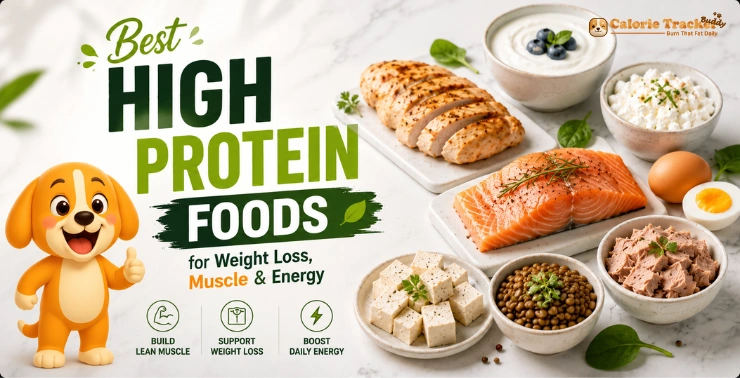
Most people can name a few high protein foods without thinking twice. Chicken breast, eggs, maybe a protein shake. Yet many still struggle with constant hunger, low energy, or diets that never seem sustainable.
The problem usually is not the protein itself. It is choosing the right sources for the right goal.
Some high protein foods help you stay full while keeping calories low. Others support muscle growth better because of their amino acid profile. A few look healthy on the surface but quietly add far more calories than expected.
That is why understanding protein quality matters just as much as hitting a daily number.
Read Aloud!
Why Protein Is Having a Moment
Protein has moved far beyond gym culture. People focused on weight loss, blood sugar control, healthy aging, and appetite management are paying closer attention to it than ever.
There is a good reason for that.
Protein helps repair tissue, preserve muscle mass, and support hormone production. It also slows digestion, which helps you stay satisfied longer after meals. Compared to carbs or fats alone, meals built around high protein foods tend to reduce unnecessary snacking later in the day.
Research also shows that many adults fall short of optimal intake. The baseline recommendation is roughly 0.8 grams per kilogram of body weight. Active adults often benefit from closer to 1.2 to 1.6 grams.
That gap explains why foods high in protein are becoming central to modern nutrition conversations.
Still, not every source works equally well. Some offer more protein per calorie, while others provide better nutrient balance or digestion.
The Quick Answer: Best High Protein Foods at a Glance
Here are some of the best high protein foods ranked by protein density and practical everyday use:
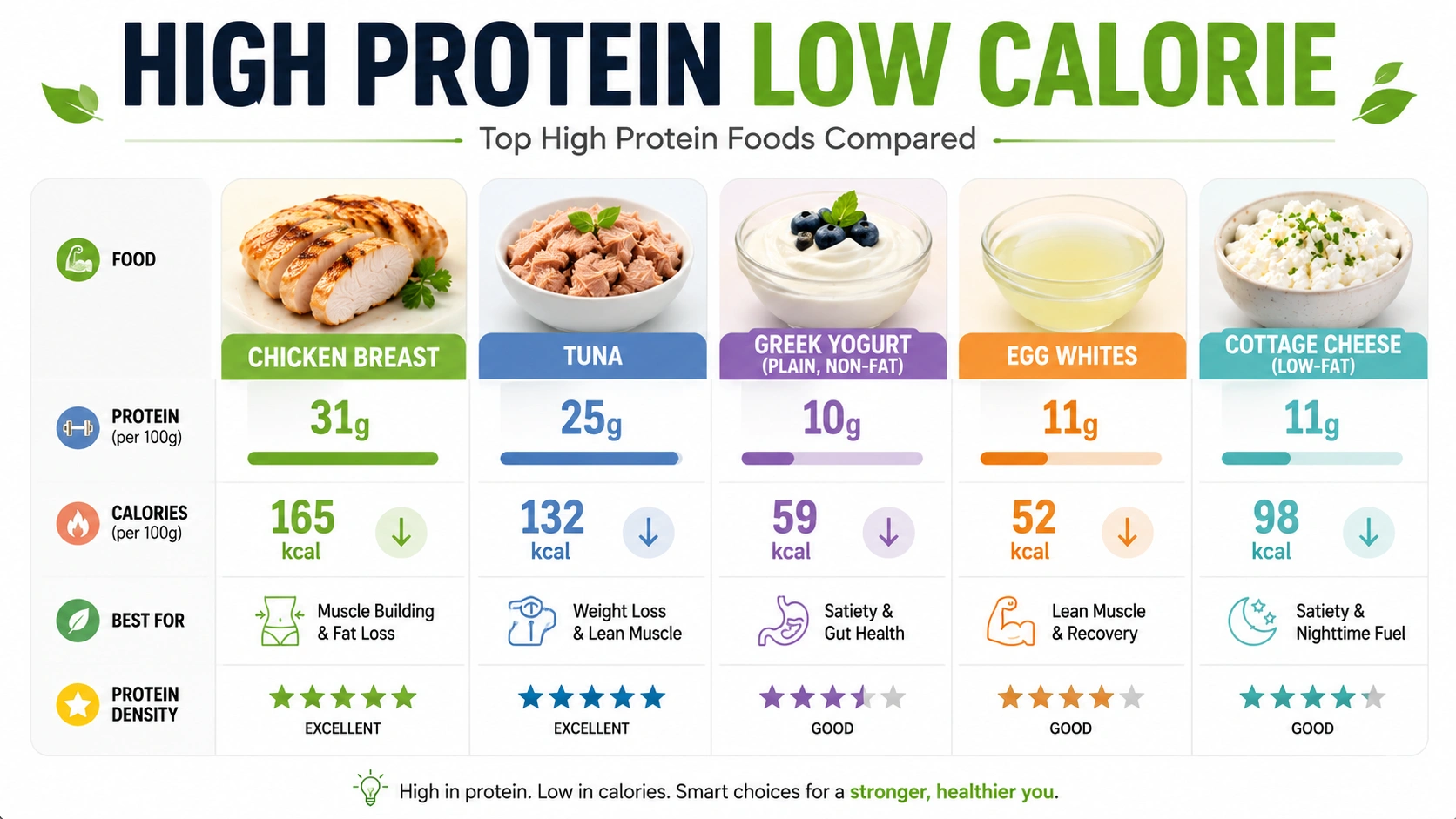
If your goal is weight control, low calorie high protein foods like tuna, egg whites, and nonfat Greek yogurt usually offer the best protein-to-calorie ratio.
Animal-Based Protein: The Heavy Hitters
Chicken and Turkey Breast
Few high protein foods match the efficiency of skinless chicken or turkey breast.
A cooked serving delivers around 26 to 31 grams of protein with relatively little fat. That balance makes it especially useful for people trying to lose weight without sacrificing muscle.
Preparation matters, though. Grilled or baked chicken keeps calories manageable. Cream-heavy sauces and deep frying can completely change the nutritional profile.
Simple seasoning often works best. Garlic, herbs, citrus, and yogurt marinades add flavor without turning lean protein into a calorie bomb.
Eggs and Egg Whites
Eggs remain one of the most practical protein sources available.
They are inexpensive, portable, and highly digestible. Whole eggs provide protein alongside healthy fats and nutrients like choline, while egg whites offer nearly pure protein with minimal calories.
That flexibility explains why high protein foods built around eggs work for both muscle gain and fat loss.
A vegetable omelet at breakfast can also improve satiety for hours afterward. Many people underestimate how much protein timing affects cravings later in the day.
Greek Yogurt and Cottage Cheese
Greek yogurt quietly became one of the easiest ways to increase protein intake without much effort.
A single serving often contains around 15 to 20 grams of protein, depending on the brand. Cottage cheese offers similar benefits while digesting more slowly, which can help reduce late-night hunger.
Fat-free versions rank among the best high protein low calorie foods because they deliver substantial protein without excess calories.
They are also easy to pair with fruit, nuts, oats, or seeds for balanced meals.
Tuna, Salmon, and Seafood
Seafood deserves more attention in protein discussions.
Canned tuna provides excellent protein efficiency, often delivering around 25 grams per 100 grams with very little fat. Shrimp is similarly impressive.
Salmon contains slightly fewer protein grams per calorie, but its omega-3 fats support heart health and recovery.
Balance matters here. Tuna works well regularly, though consuming large amounts daily may raise mercury concerns over time.
Plant-Based Protein: Better Than Most People Think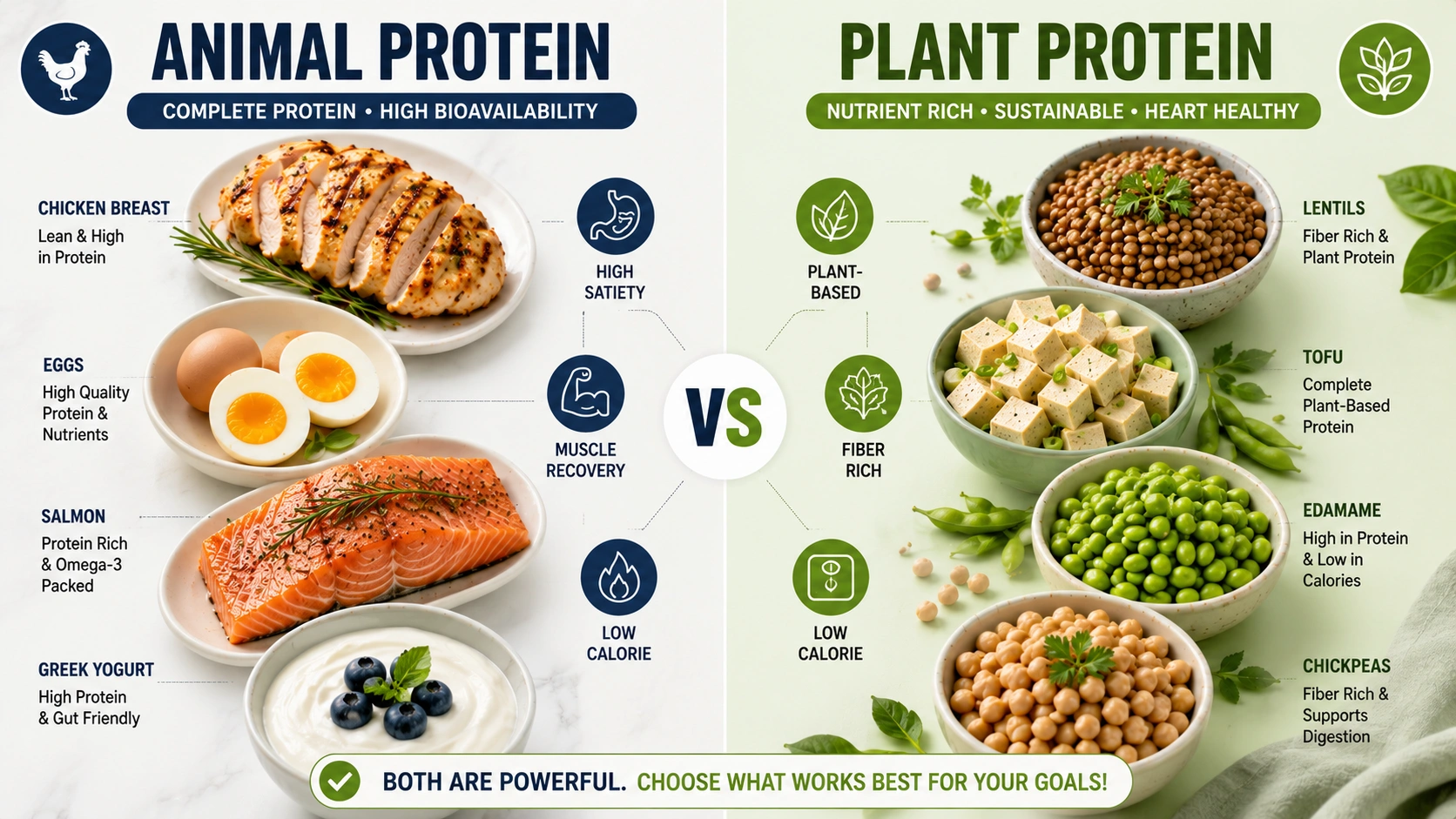
Plant-based eating has improved dramatically over the last decade. The biggest misconception is that vegetarian diets automatically lack sufficient protein.
That is not true.
Well-planned plant-focused diets can absolutely support muscle maintenance, satiety, and overall health.
Lentils and Chickpeas
Lentils combine protein with fiber, which creates a different kind of fullness compared to animal protein alone.
That combination slows digestion and helps stabilize energy levels throughout the day.
Cooked lentils contain roughly 9 grams of protein per 100 grams. Chickpeas provide similar benefits while working well in soups, salads, and grain bowls.
Among foods high in protein, legumes are especially useful for people trying to eat larger meal volumes without dramatically increasing calories.
Edamame and Tofu
Soy-based protein stands out because it contains all essential amino acids.
Edamame delivers impressive protein density for a plant food, while tofu adapts easily to almost any cuisine.
Tofu often gets criticized for being bland. In reality, its neutral flavor is what makes it useful. It absorbs marinades well and works in stir-fries, tacos, curries, and even breakfast scrambles.
These high protein foods also help diversify protein intake instead of relying entirely on meat.
Seeds and Legumes Worth Rotating In
Hemp seeds contain surprisingly high protein levels alongside healthy fats. Black beans, peas, and kidney beans also contribute meaningful amounts.
One important nuance often gets ignored.
Many plant proteins are slightly less digestible than animal proteins. That does not make them inferior. It simply means variety matters more.
Combining different plant sources across the day helps cover amino acid gaps naturally.
High Protein, Low Calorie: The Smarter Filter
People often assume any protein-rich food automatically supports weight loss.
Not necessarily.
Peanut butter contains protein, but it is also calorie-dense. Cheese can fit into a healthy diet, yet portions add up quickly.
A better strategy is to evaluate protein per calorie.
That approach shifts attention toward low calorie high protein foods that maximize fullness without quietly increasing energy intake.
Some of the most efficient options include:
- Egg whites
- Tuna
- Shrimp
- Nonfat Greek yogurt
- Chicken breast
- Cottage cheese
Small swaps can make a noticeable difference.
Replacing chips with Greek yogurt or choosing cottage cheese instead of sugary snacks usually improves satiety while supporting protein goals at the same time.
Matching Protein to Your Actual Goal
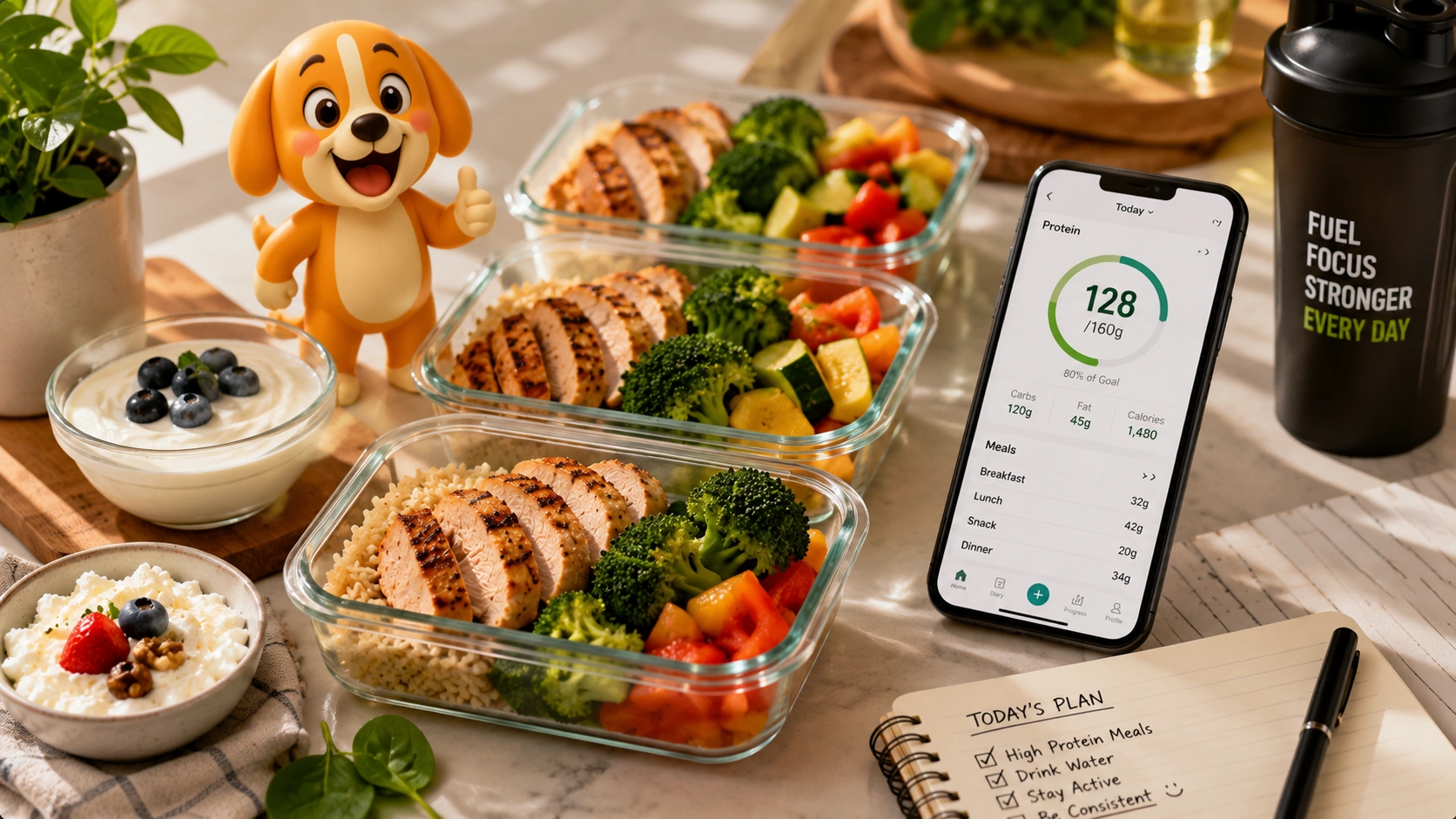
Not all high protein foods serve the same purpose.
If your goal is weight loss, leaner options usually work best. Egg whites, tuna, and chicken breast deliver substantial protein while keeping calories relatively low.
Muscle-building diets often benefit from slightly higher-calorie foods like salmon, eggs, and lean beef because recovery requires additional energy.
For appetite control, protein paired with fiber tends to work especially well. Lentils, edamame, and cottage cheese help many people stay satisfied longer between meals.
Plant-based eaters usually do best with a mix of tofu, legumes, hemp seeds, and soy products rather than relying on a single source.
Budget also matters.
Eggs, canned tuna, lentils, and chickpeas remain some of the most cost-effective high protein foods available.
The Most Common High Protein Mistakes
One mistake appears constantly.
People eat very little protein all day, then overload dinner with a massive serving at night.
Protein distribution matters more than many realize. Spreading intake across meals supports muscle maintenance and satiety more effectively.
Another issue involves misunderstanding calorie density.
Nuts, cheese, and protein bars can absolutely fit into a healthy routine. Still, they are not always ideal if weight loss is the primary goal.
Skipping protein at breakfast also creates problems. A carb-heavy breakfast often leads to stronger cravings later in the day.
Even snack choices matter. Most snack foods are low in protein and easy to overeat.
That is why high protein foods work best when integrated consistently rather than treated as a single large dinner priority.
Read More!
How Calorie Tracker Buddy Makes High Protein Eating Easier

Knowing protein targets is one thing. Hitting them consistently is something else entirely.
Most people do not struggle because they lack nutrition information. They struggle because tracking becomes exhausting after a few days.
That is where Calorie Tracker Buddy becomes genuinely useful.
The platform helps users monitor protein intake without manually calculating every meal.
Key features include:
- Logs calories and macronutrients, including protein, carbs, and fats, for individual meals
- Lets users set custom daily protein and calorie targets based on body weight or fitness goals
- Tracks meals, snacks, and beverages throughout the day in one dashboard
- Stores frequently eaten foods and saved meals for faster logging
- Displays daily and weekly nutrition summaries to help monitor eating patterns
You do not need to memorize nutrition charts forever. Systems that simplify consistency usually outperform extreme diets people abandon within weeks.
The Protein Timing Insight Most People Ignore
Protein timing is often oversimplified online.
The old idea that you must drink a shake within 30 minutes after exercise is mostly exaggerated. Total daily intake matters far more.
Still, distribution across the day does appear important.
Research suggests spreading protein across three or four meals may support muscle protein synthesis more effectively than consuming most of it at dinner.
Breakfast deserves particular attention because it is where many diets fall short.
Evening protein can also help with recovery. Cottage cheese and Greek yogurt digest more slowly, making them practical nighttime options.
These details may seem small, but consistent habits around high protein foods often determine whether a nutrition plan actually feels sustainable.
The Bottom Line
The best nutrition plans usually are not the most restrictive ones.
They are the ones people can repeat consistently.
Instead of chasing perfection, focus on adding a few reliable high protein foods you genuinely enjoy eating. Small upgrades matter more than dramatic overhauls.
Start with the meal that currently lacks protein the most. Build from there.
Over time, those small decisions improve satiety, recovery, energy levels, and long-term eating habits far more effectively than short-lived diet trends ever will.
Frequently Asked Questions
How much protein do I need daily?
Most adults need around 0.8 grams per kilogram of body weight at a minimum. Active individuals usually benefit from 1.2 to 1.6 grams.
What foods are high in protein with fewer calories?
Egg whites, tuna, shrimp, chicken breast, and nonfat Greek yogurt rank among the most efficient high protein low calorie foods.
Can plant-based diets provide enough protein?
Yes. Combining legumes, tofu, edamame, and seeds can support healthy protein intake without animal products.
Are protein shakes necessary?
Not at all. Whole-food, high protein foods can easily cover daily needs for most people. Shakes simply offer convenience.
Do high-protein diets damage kidneys?
Current research does not support this concern for healthy individuals. People with existing kidney disease should still speak with a healthcare professional.