



For gym-goers, Calorie Tracker Buddy wins on built-in coaching and accountability, while MyFitnessPal Premium wins on database depth and device integrations. If you want a calorie tracker with coaching and challenges that keeps you consistent through bulk, cut, or recomp, you’ll value those differences in 2026.
You train hard. You chase PRs with progressive overload, and you care about macros, not just calories. You also need to log meals fast between sets, check if your post-workout carb-to-protein ratio supports recovery, and adjust intake on rest days. That’s why a plain counter falls short. You need an app that shows how each bite lines up with your plan in real time, not just a daily number.
This review is honest. MyFitnessPal remains the market leader for good reasons, and I use it. Calorie Tracker Buddy has clear wins for coaching and motivation, but it also has limits you should know about. I tested both with real gym days: heavy push-pull-legs blocks, cardio finishers, and weekend meal prep.
What Gym-Goers Actually Need from a Calorie Tracker with Coaching
Serious lifters need macro tracking that is not only precise, but actionable. Protein drives muscle repair and growth; miss your target and your progress stalls. As Protein (nutrient) explains, protein supports muscle protein synthesis, which is key after a hard session. So, any app you use should make it easy to set and hit a protein target first, then dial carbs and fat based on your bulk, cut, or recomp phase.
However, you also need real-time insight, not just end-of-day math. Apps that provide real-time updates on meals, calorie burns, steps, and goal progress help you course-correct before the day gets away. If your lunch pushes you over fat but under protein, you should know right then, not at 10 p.m. That kind of live nudge is worth more than a perfect spreadsheet.
In addition, your tracker should understand gym work, not only running or cycling. Strength sessions have different energy demands and timing needs. You want proper logging for lifting, supersets, circuits, and accessory work, plus sensible post-workout guidance. And if you lift in a dead zone under concrete, offline logging matters more than you think.
The Evaluation Criteria
- Macro tracking depth and accuracy: You need carbs, protein, fat, plus clear daily targets and meal-level feedback. Protein comes first for recovery.
- Coaching quality and personalization: Built-in guidance that adapts to bulk/cut/recomp, plus goal predictions that show how each meal changes your path.
- Gym exercise integration: Respect for strength training, not just cardio. Lift-specific entries and sensible calorie estimates linked to your day.
- Motivational systems and challenges: Accountability is the moat. Challenges, streaks, and social nudges keep you dialed in through plateaus.
- Fitness device syncing: Sync lifts, steps, and heart rate. A tight connection to your watch and health hub saves time and reduces double-logging.
- Ease of logging around workouts: Between sets, you need speed. Photo logging, quick-add macros, and offline mode all reduce friction.
Why Generic Counters Miss
Generic apps tally calories but fail at timing and adaptation. You need to know if today’s meals support today’s training, not just if you stayed under a number. For lifters, the right calorie tracker with coaching and challenges should translate food into training outcomes, meal by meal, with real-time goal predictions.
Calorie Tracker Buddy: Strengths and Weaknesses for Gym-Goers
Calorie Tracker Buddy stands out for built-in coaching and motivation. The Fitness Coach mode lets users become peer coaches, offer tailored advice, set custom challenges, and send personalized tips based on activity and progress. For gym-goers who want coaching inside their tracker, no extra app, this is a real draw. You can set a protein-first target and get real-time feedback on how a post-workout bowl of rice and chicken fits your macros.
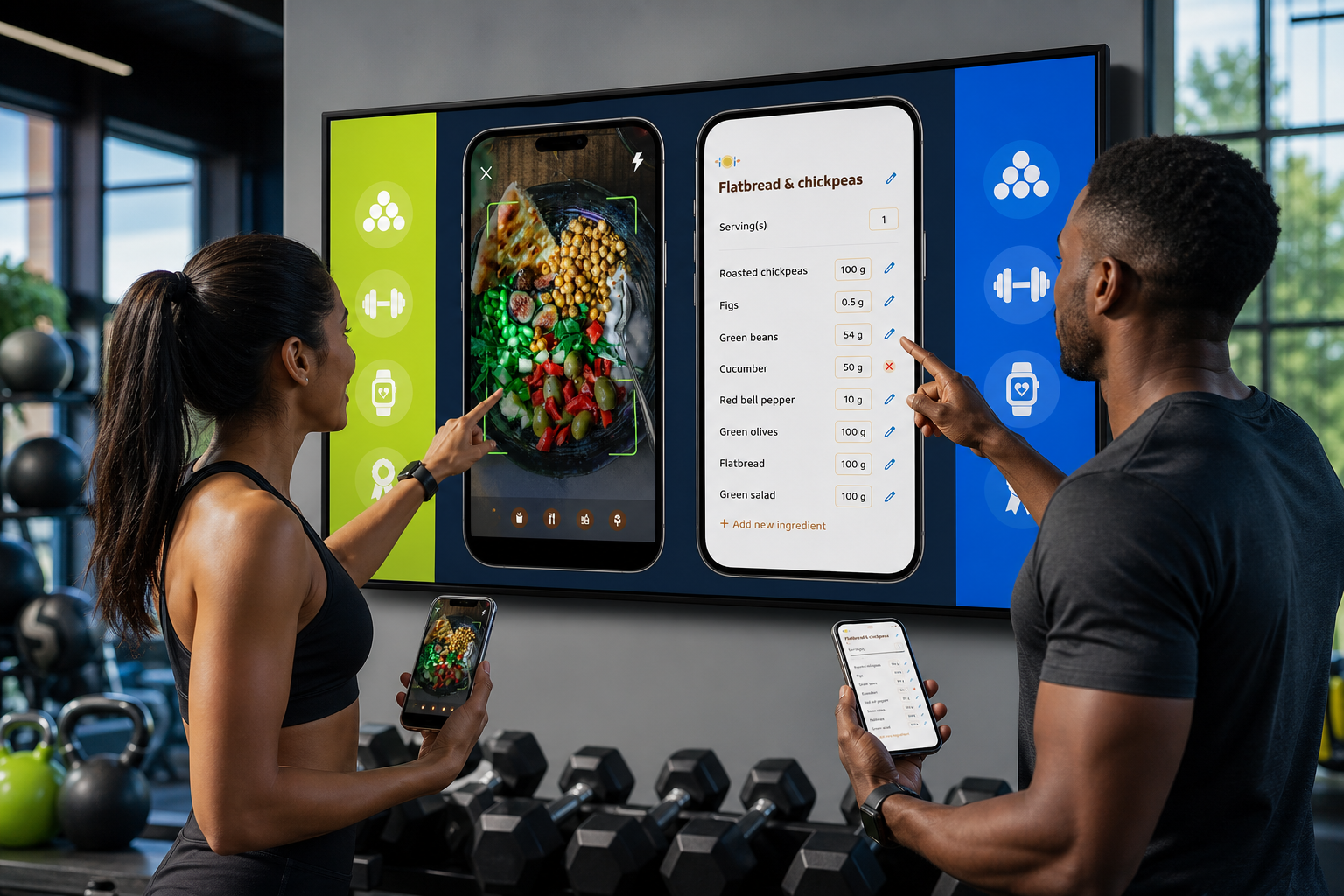
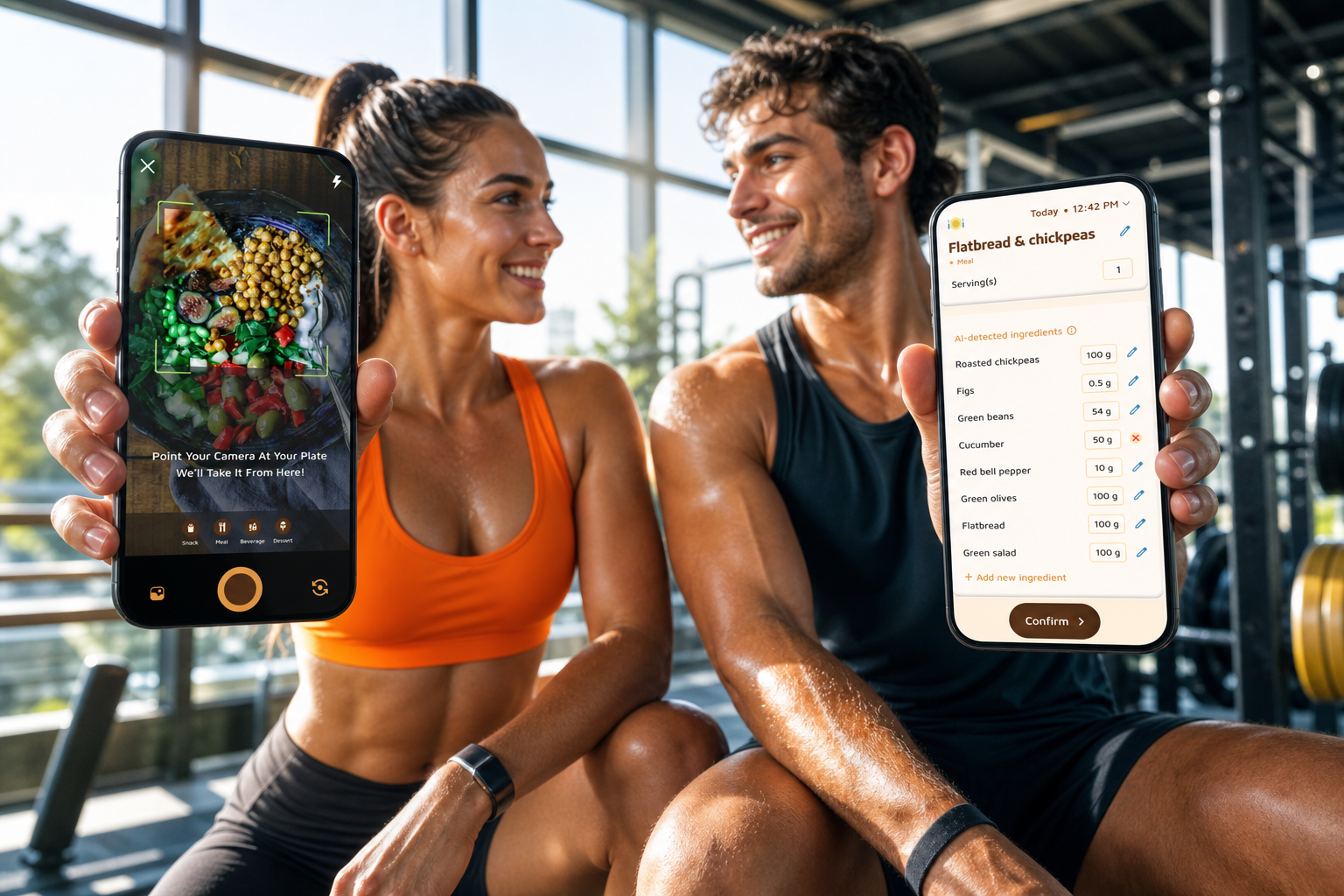
Moreover, CTB’s photo-based meal tracking is fast for logging between sets. Snap your post-lift meal and get an instant calorie and macro estimate. That speed beats barcode hunts when you’re sweaty and short on time. It also tracks macros (carbs, protein, fat), water, and exercise, with goal predictions that show how each meal moves you toward or away from your target. For hydration, there’s a Daily Hydration Target of 2.5 Liter/Day, which is useful during long training blocks.
However, there are trade-offs. The food database is smaller than MyFitnessPal’s massive library. For branded powders or niche pre-workouts, you might need to enter items manually. The default 10,000 steps/day goal is generic and not tailored to strength athletes. And while the virtual buddy that “grows” as you make better choices can keep streaks alive, some seasoned lifters may find it a bit juvenile.
Coaching, Challenges, and Offline Use
- Fitness Coach mode allows tailored advice and custom challenges aligned to your goals.
- Real-time updates on calorie burns, meals, steps, and progress keep you on track during busy gym days.
- Offline logging of meals and workouts with auto-sync helps in gyms with spotty service.
Some users report that features such as photo logging and accountability tools help them stay more consistent with their nutrition goals.
If you like gamified accountability, CTB’s streaks and social posting make compliance stick. For more on the fun side of tracking, see this gamified calorie tracking guide. And if you’re new to nutrition tracking, its beginner-leaning tips can help you ramp up fast.
Also Read!
How to Use a Calorie Tracker with Coaching to Hit Your Gym Goals
MyFitnessPal: Strengths and Weaknesses for Gym-Goers
MyFitnessPal (MFP) remains the database king. With a reported 14+ million verified foods, logging gym staples, specific protein powders, whey isolate flavors, ready-to-drink shakes, or niche pre-workouts, is fast and precise. Barcode scanning is excellent, and the search is strong. Macro tracking is deep too; you can set custom macro ratios, which matters when you shift from bulk to cut and need to raise protein while trimming carbs or fat.
In addition, MFP integrates with a large ecosystem: Garmin, Apple Watch, Fitbit, Strava, and the apps connected to a lot of gym equipment. If you already live in that world, the sync saves time and keeps your training data and food diary aligned. On Premium, you also get more detailed nutrient analysis and meal plans, which can help you spot low-fiber days or sodium spikes that bloat you before a heavy squat day.
However, the free tier has been cut back after 2024 changes. Barcode scanning, macro customization, and deeper food analysis sit behind the paywall now. Ads in the free version can break your flow when you’re trying to log between sets. There’s also no built-in coaching or gamified challenge system in the free tier, and even on Premium it still feels like a tracker first, coach second.
Where It Shines
- Massive food database and fast barcode scans make logging precise.
- Strong macro controls support clean bulk/cut transitions.
- Broad device integrations reduce double-entry and improve accuracy.
Where It Falls Short
- The free tier is limited after 2024; core features moved to Premium.
- No native coaching, challenges, or virtual accountability to push you through plateaus.
- The UI can feel like a spreadsheet—great for data, light on motivation.
For a deeper head-to-head, you can also check this focused write-up: myfitnesspal vs calorie tracker buddy.
**Start coaching friends today →
Feature-by-Feature Comparison: Calorie Tracker Buddy vs MyFitnessPal
Below is how these apps stack up on the criteria that matter to lifters who care about macros, timing, and long-term adherence.
Food Database & Logging Speed — Winner: MyFitnessPal
MFP’s 14M+ food database and top barcode scanner make branded item logging fast and exact. If you drink a specific whey isolate or use a named pre-workout, odds are it’s already there. Calorie Tracker Buddy’s photo-based AI logging is fast for whole meals and post-workout bowls, but it’s less precise for branded products. For gym-bro staples, MFP has the edge.
Macro Tracking Depth — Winner: Slight Edge to MyFitnessPal
Both apps track carbs, protein, and fat, and both visualize progress. MFP nudges ahead with granular custom macro ratios that make it easy to tune a bulk or cut. CTB keeps the core macros clear and adds goal predictions that show how each meal impacts progress in real time, which is great for in-the-moment choices.
Coaching & Accountability — Winner: Calorie Tracker Buddy
This is CTB’s lane. Fitness Coach mode lets users provide tailored advice, set custom challenges, and send personalized tips based on activity and progress. The virtual buddy and daily streaks reinforce habits. MFP’s forums are large and helpful, but they aren’t built as an integrated coaching and challenge system that targets your daily compliance like CTB does.
Gym Exercise Integration — Winner: MyFitnessPal
MFP connects to Garmin, Apple Watch, Fitbit, Strava, and more, which covers a lot of gym setups and cardio finishers. CTB syncs with Google Fit, which is useful, but the integration list is narrower. If your whole stack runs through a Garmin or Apple Watch, MFP fits in with fewer workarounds.
Motivation & Gamification — Winner: Calorie Tracker Buddy
CTB bakes motivation into the core experience. The virtual buddy grows as you make healthier choices, challenges are easy to set up and share, and social posting keeps you accountable. MFP’s community is active, but the experience is forum-based rather than gamified. If streaks and challenges keep you from falling off plan, CTB is stronger here.
Offline Usability — Winner: Calorie Tracker Buddy
Gyms are dead zones. CTB allows offline logging of meals and workouts with automatic syncing once you’re online. MFP benefits from connectivity for most of its core functions. If your gym is a signal bunker, CTB’s offline-first flow is a time-saver.
Also Read!
Calorie Tracker Buddy vs Noom for Busy People: Which Is Better for Calorie Tracking with Coaching?
Pricing Comparison: Free Tiers, Premium Plans, and Value for Gym-Goers
Price matters when you already pay for a gym membership, pre-workout, and protein. For MyFitnessPal, the free tier lost key features after 2024. Barcode scanning, custom macro goals, and deeper food analysis now require Premium, which is about $19.99/month or about $79.99/year. If you need precise macro customization and the largest food database, that Premium plan is the price of entry.
For Calorie Tracker Buddy, the draw is value around coaching and motivation. Fitness Coach mode, real-time tips, and custom challenges are built in, and offline logging helps in real gyms. It's free to download on Android with no credit card required.
Both offer a free entry point (MFP’s free tier; CTB’s free download), but specific pricing or which features are free vs. paid can vary by region and updates, so check the in-app plans before you decide. The key question is what you’re paying for: database depth and device integrations (MFP Premium) versus coaching features and challenge systems (CTB).
If you’re weighing whether to stay free or go paid, this explainer breaks down trade-offs beyond these two apps: free vs paid calorie tracker. For many lifters, a calorie tracker with coaching and challenges delivers more day-to-day value than raw database size, unless you rely on scanning every branded item.
Verdict: Which Calorie Tracker with Coaching Is Better for Gym-Goers?
For lifters who struggle with consistency, Calorie Tracker Buddy is the stronger choice. Its Fitness Coach mode, custom challenges, real-time feedback, and virtual buddy system attack the problem that derails most nutrition plans: adherence. You’ll get prompts that help you hit protein after training and stay on track during long cut phases.
For lifters who want maximum precision and a huge branded-food library, MyFitnessPal Premium remains the standard. Its 14M+ food database, barcode scanner, custom macro ratios, and deep device integrations are hard to beat. The trade-off is clear: CTB trades database depth for coaching depth, while MFP trades coaching for data precision.
As a final note, Calorie Tracker Buddy includes real-time updates on calorie burns, meals, steps, and goal progress, plus goal predictions that show how each meal nudges your path. If that live feedback helps you stick to the plan in 2026, you’ll see better results than any static log can offer.
Which calorie tracker is best for gym-goers?
The best calorie tracker depends on your goals. If you want coaching, accountability features, challenges, and habit-building tools, Calorie Tracker Buddy may be a better fit. If you prioritize a large food database, barcode scanning, and integrations with fitness devices, MyFitnessPal is often preferred by experienced lifters.
Does MyFitnessPal include coaching features?
Yes. MyFitnessPal now offers an AI-powered Nutrition Coach that can provide personalized guidance based on your food diary, calorie targets, and macro goals. However, access depends on your subscription tier and availability in your region.
Can Calorie Tracker Buddy track macros?
Yes. Calorie Tracker Buddy allows users to track key macronutrients, including protein, carbohydrates, and fats, alongside calorie intake. This can help gym-goers monitor nutrition during bulking, cutting, or body recomposition phases.
Which app is better for bulking and cutting?
Both apps can support bulking and cutting goals, but they do so differently. MyFitnessPal offers detailed macro tracking and food database depth, making it useful for precise nutrition management. Calorie Tracker Buddy focuses more on coaching, goal guidance, and accountability features that can help users stay consistent with their nutrition plan over time.
**Download free on Android today →
- Choose Calorie Tracker Buddy if you need built-in coaching, custom challenges, streaks, and offline logging to stay consistent meal by meal.
- Choose MyFitnessPal Premium if you need the largest food database, barcode scanning, custom macro ratios, and broad watch/equipment integrations.
- Consider reading this roundup if you’re still undecided on app style: best calorie tracker apps.