

Calorie tracking is no longer optional for serious runners; it’s a game-changer. Whether you’re training for your first 5K or pushing through marathon prep, knowing exactly what goes into your body directly affects how well you perform and recover.
Running burns significant energy, and without a clear picture of your intake, you risk under-fueling, hitting walls, or even gaining weight despite all that effort. The right app makes the entire process simple, fast, and even enjoyable. In this guide, we’ve rounded up the best Daily Calorie Tracker apps built for runners, tools that genuinely support your training, not just count numbers.
Listen To The Podcast Now!
Why Runners Need Calorie Tracking More Than Anyone?
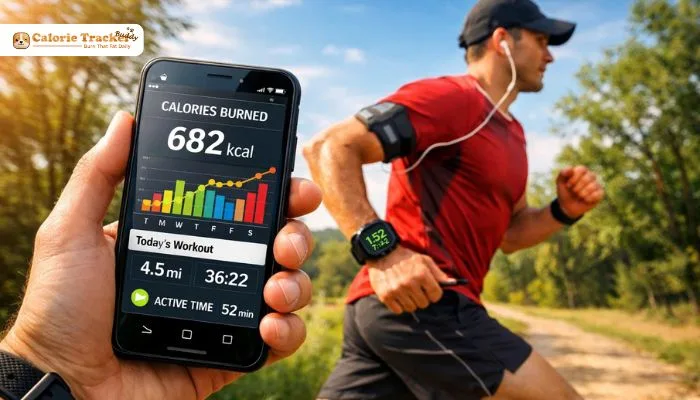
Running is one of the most energy-demanding activities out there. On a moderate training day, a runner can burn anywhere from 400 to 800 calories in a single session. Without proper calorie tracking, it becomes nearly impossible to know whether you’re eating enough to fuel performance or too much to hit your weight goals.
Runners often fall into two traps: eating too little and feeling fatigued, or overeating post-run and stalling progress. Consistent calorie tracking helps eliminate that guesswork. It gives you real data on your energy balance, which means better training, smarter recovery, and fewer plateaus. For anyone serious about running performance, this habit is non-negotiable.
What to Look For in a Calorie Tracker for Runners?

Not every app is built with runners in mind. A great calorie tracker for runners should do more than log meals. It needs to account for run-specific calorie burn, sync with fitness devices, and make logging quick enough to fit into a busy training schedule.
Look for these features before committing to any app:
- Activity-aware calorie goals that adjust based on your daily mileage
- Macro tracking for carbs, protein, and fat is essential for fueling runs
- Fitness tracker integration with apps like Google Fit or Apple Health
- Hydration tracking, since runners lose more water than most do
- Fast meal logging through photo scanning, barcode, or voice input
The best apps combine all of this without making the process feel like homework.
Top Calorie Apps for Runners in 2025:
1. MyFitnessPal:
MyFitnessPal remains one of the most popular choices for calorie tracking among runners. Its database contains over six million food items, and its barcode scanner is fast and reliable. The app syncs seamlessly with most fitness wearables, automatically updating your calorie burn after a run.
The free version handles basic logging well, though deeper features like macro analysis and meal planning require a paid subscription. For runners who eat varied diets, restaurant meals, international foods, or custom recipes, the database depth is genuinely hard to beat. It’s not the simplest app, but for high-volume data lovers, it delivers.
2. Cronometer:
Cronometer is the go-to nutrition tracking app for runners who want detailed micronutrient data. Beyond calories and macros, it tracks vitamins and minerals, iron, calcium, vitamin D, nutrients that runners commonly deplete through sweat and high training load.
The interface is clean and precise, and the free version is far more complete than most competitors. For runners managing specific dietary needs or dealing with issues like fatigue or injury recovery, Cronometer’s depth of nutrition tracking app for runners makes it a standout. It’s not the flashiest tool, but it’s one of the most accurate.
3. Lose It!:
Lose It! is a strong middle-ground app that blends calorie tracking with goal-setting and visual progress tools. Runners appreciate its clean interface, quick food logging, and ability to set running-specific goals within the app.
The calorie tracker for runners inside Lose It! connects with major fitness platforms, updating your burn automatically. It also includes a meal planning feature, which is particularly useful during peak training weeks when pre-planning nutrition matters most. The free tier is solid, and the premium version adds deeper insights without overwhelming the experience.
Also Read:
Spotlight: Calorie Tracker Buddy, the Runner-Friendly App That Makes Tracking Fun:

If you’ve ever quit a tracking app because it felt like too much effort, Calorie Tracker Buddy was built for you. This app takes a completely different approach to calorie tracking, one that feels engaging rather than clinical.
Key Features:
- 📸 Photo-Based Meal Logging: Snap your food, and the app instantly identifies calories and macros
- 🏃 Step & Activity Tracking: Every movement, from your morning run to evening walks, gets counted
- 💧 Hydration Tracking: Stay on top of water intake, which is critical for runners
- 📊 Macro Breakdown: Full carb, protein, and fat tracking with each meal logged
- 🎯 Goal Predictions: See exactly how each meal and run impacts your daily targets
- 🐾 Virtual Buddy System: A motivational virtual pet that grows when you stay consistent
- 🔗 Fitness Tracker Integration: Syncs calorie burn for an accurate daily energy picture
- 📱 Available for free on both iOS and Android
Visit calorietrackerbuddy to explore and download the app.
How Calorie Tracking Supports Runner Performance?
Most runners focus on miles logged but ignore the fuel side of the equation. Calorie tracking bridges that gap. When you know your intake, you can time carbohydrates strategically before long runs, hit protein targets for muscle repair, and avoid the energy crashes that derail training blocks.
Consistent nutrition tracking also helps you spot patterns. If your energy drops every Wednesday, your food log might reveal why; maybe carbs are too low on Tuesday nights. This level of visibility transforms guesswork into strategy, helping runners train smarter and recover faster without second-guessing every meal.
Tips for Consistent Calorie Tracking as a Runner:

Getting started is easy. Staying consistent is where most people fall off. These habits keep runners on track:
- Log before you eat, not after; it takes 30 seconds and prevents underreporting
- Pre-set your run days with higher calorie goals to match increased burn
- Scan your food instead of typing; photo and barcode tools save serious time
- Track hydration too; dehydration mimics hunger and throws off calorie decisions
- Review your week; weekly pattern reviews are more useful than daily obsessing
Calorie tracking works best when it’s a background habit, not a daily stressor. The right app makes that possible.
Conclusion:
The best calorie apps for runners go beyond food diaries; they become genuine training tools. Whether you choose a database-heavy option like MyFitnessPal, a micronutrient powerhouse like Cronometer, or a fun and easy solution like Calorie Tracker Buddy, the key is choosing an app you’ll actually use daily. Consistent calorie tracking, even imperfect tracking, delivers better results than no tracking at all. Start simple, stay consistent, and let the data guide your training.
FAQ’s:
Q1: How many calories do runners need daily?
Ans: It varies by weight, pace, and distance. Most recreational runners need 2,000–3,000+ calories on training days.
Q2: Should I eat back the calories I burn running?
Ans: Partially. Eating back 50–75% of burned calories prevents under-fueling without stalling weight goals.
Q3: Is calorie tracking accurate for runners?
Ans: No app is 100% precise, but consistent calorie tracking gives you reliable trends that genuinely improve performance and body composition over time.
Q4: Is Calorie Tracker Buddy free?
Ans: Yes, the core features are available for free on both iOS and Android.