



Eggs are one of the most common foods found in almost every kitchen, but many people still wonder about the calories in eggs and whether they fit into a healthy diet. Whether you’re trying to lose weight, build muscle, or simply eat better, understanding what you’re consuming matters.
The good news is that eggs are not only affordable and versatile but also packed with essential nutrients. From breakfast plates to fitness meals, they are a go-to option for millions of people. But exactly how many calories are in an egg? The answer depends on factors like size and how the egg is cooked.
Along with calories, eggs are known for their high protein in eggs, healthy fats, and important vitamins. This makes them a powerful addition to a balanced diet when consumed in the right way.
Listen to the podcast.
Calories in Egg: Basic Breakdown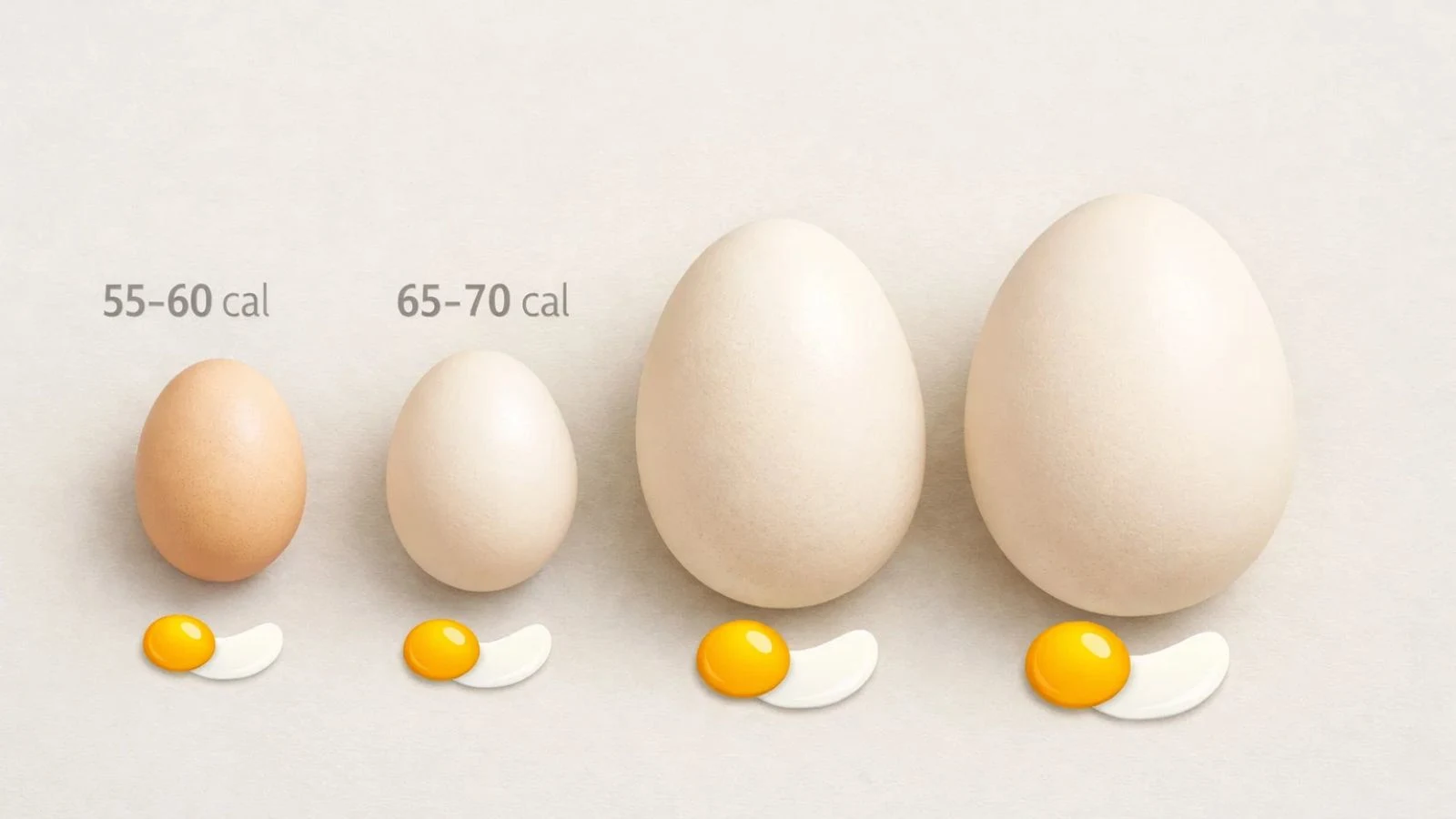
Understanding the calories in egg starts with knowing that not all eggs are exactly the same. The calorie count mainly depends on the size of the egg and how it’s prepared.
On average, a standard egg contains around 60–80 calories, making it a low-calorie yet nutrient-dense food. If you’re wondering how many calories are in an egg, here’s a simple breakdown:
- Small egg: ~55–60 calories
- Medium egg: ~65–70 calories
- Large egg: ~70–80 calories
Most of the calories in egg come from the yolk, while the egg white is much lower in calories but rich in protein in eggs. This is why many people prefer egg whites when trying to reduce calorie intake.
Cooking method also matters. A boiled egg stays within this range, but frying it with oil or butter can increase the total calories.
Egg Nutrition: More Than Just Calories
While many people focus on the calories in eggs, the real value of eggs lies in their overall nutrition. They are one of the most nutrient-dense foods you can include in your diet.
Eggs are especially known for their high protein in eggs, which helps in muscle building, repair, and keeping you full for longer. A single egg provides around 6–7 grams of quality protein, making it a great option for both fitness enthusiasts and everyday diets.
Beyond protein, eggs are rich in essential vitamins and minerals. They contain Vitamin B12, Vitamin D, selenium, and choline all of which support brain function, energy levels, and overall health. This makes egg nutrition much more valuable than just counting calories.
Another important point is the balance of healthy fats found in the yolk. While the yolk contributes to the calories in egg, it also provides nutrients that your body actually needs.
Calories in Egg White vs Yolk
When looking closely at the calories in egg, it’s important to understand the difference between the egg white and the yolk. Each part offers different nutritional value.
The egg white is low in calories and high in protein in eggs. It contains around 15–20 calories and almost no fat, making it a popular choice for people trying to reduce calorie intake while maintaining protein levels.
On the other hand, the yolk contains most of the calories in egg, usually around 50–60 calories. It also includes healthy fats, vitamins, and minerals that contribute to overall egg nutrition.
This creates a common debate should you eat the whole egg or just the white? The answer depends on your goals. If you’re aiming for lower calories, egg whites are a good option. But if you want full nutritional benefits, including vitamins and healthy fats, eating the whole egg is better.
Are Eggs Good for Weight Loss?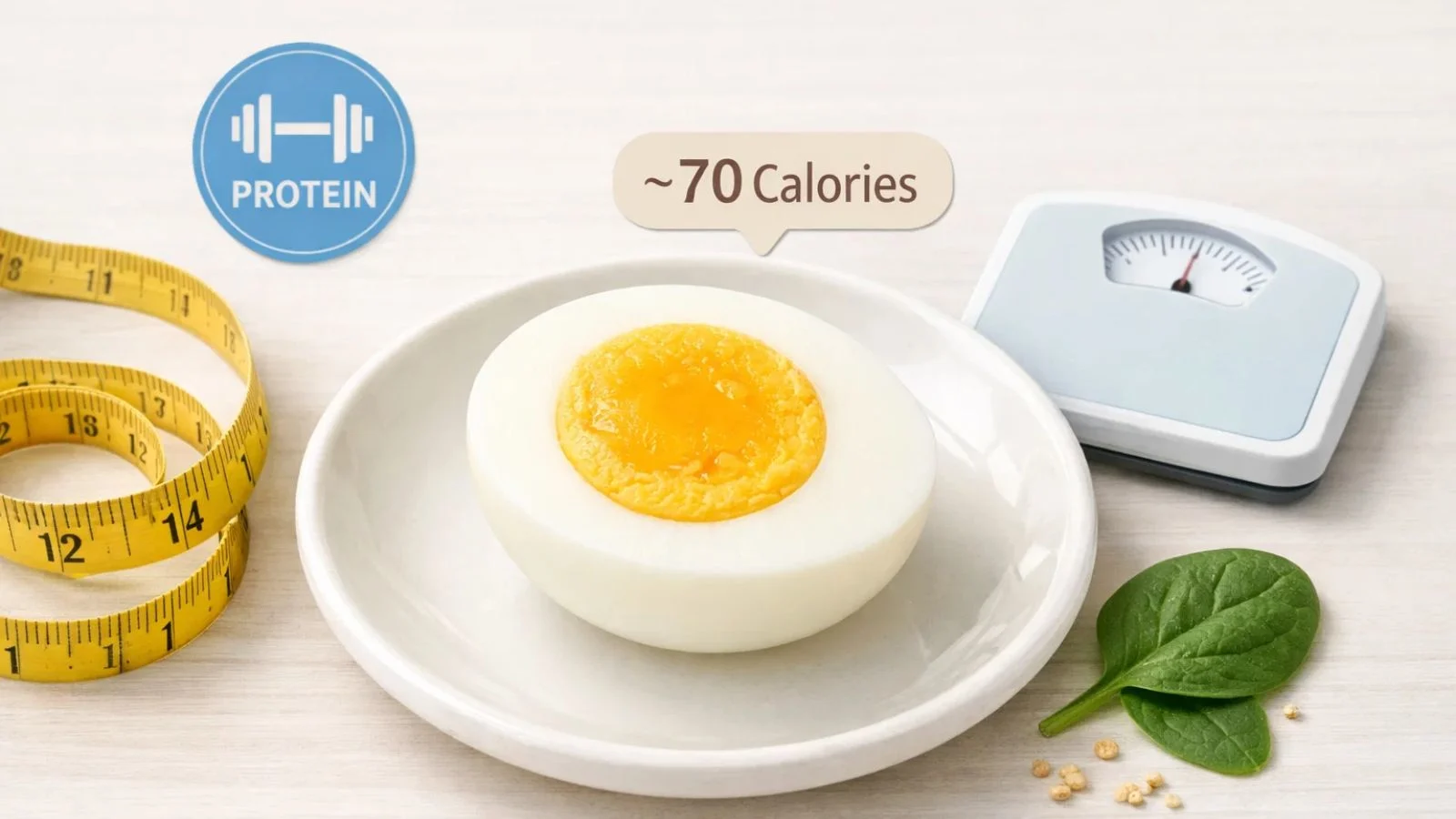
Yes, eggs can be a great addition to a weight loss diet mainly because the calories in egg are relatively low while the nutritional value is high.
One of the biggest reasons eggs support weight loss is their high protein in eggs content. Protein helps you feel full for longer, which reduces unnecessary snacking and overall calorie intake throughout the day.
If you’re wondering how many calories are in an egg in the context of dieting, a boiled egg with around 70 calories is a smart, filling option compared to many processed snacks that offer little nutrition.
Eggs also help maintain muscle mass while losing weight, which is important for a healthy metabolism. This makes them ideal for both calorie control and long-term fitness goals.
However, the way you prepare eggs matters. Boiled or poached eggs are best for weight loss, while fried eggs with added oil or butter can increase the calories in egg significantly.
In simple terms, eggs are low in calories, high in protein, and very satisfying—making them a powerful food for anyone trying to lose weight in a healthy and sustainable way.
Best Ways to Include Eggs in Your Diet
Adding eggs to your daily routine is simple, but the key is to keep the calories in egg in check while getting maximum nutrition.
One of the healthiest options is boiled eggs. They retain natural nutrients without adding extra calories, making them perfect for weight management. If you’re watching your intake, this is one of the easiest ways to control the calories in egg.
You can also include eggs in breakfast meals like omelets or scrambled eggs. Just be mindful of added ingredients like butter, cheese, or oil, as they can quickly increase the calorie count.
Another smart option is using egg whites in recipes. Since they are low in calories and rich in protein in eggs, they’re ideal for people focusing on fitness or calorie reduction.
Eggs also work well in salads, sandwiches, and healthy bowls, adding both taste and nutrition without making meals heavy.
Take Control of Your Diet with Calorie Tracker Buddy
Keeping track of what you eat doesn’t have to be complicated. With Calorie Tracker Buddy, you can easily monitor your daily intake and stay consistent with your health goals without guesswork.
Whether you’re counting the calories in egg or managing your full-day meals, this tool helps you stay aware and make better food choices every day.
Why Use Calorie Tracker Buddy?
- Track calories from everyday foods, including eggs and meals
- Monitor your protein in eggs and overall nutrition intake
- Set daily goals for weight loss, maintenance, or muscle gain
- Get a clear view of your eating habits over time
Make Smarter Food Choices Daily
Instead of estimating how many calories are in an egg or other foods, you can log everything in seconds and stay on track effortlessly.
👉 Start using Calorie Tracker Buddy today and take the first step toward a healthier, more balanced lifestyle.
Also Read,
Conclusion
Understanding the calories in egg helps you make smarter food choices without overcomplicating your diet. Eggs are low in calories, rich in nutrients, and packed with high-quality protein in eggs, making them a great fit for almost any lifestyle.
Whether your goal is weight loss, muscle gain, or simply eating healthier, eggs offer a balanced combination of nutrition and convenience. The key is to focus on portion size and cooking methods so you can enjoy the benefits without adding unnecessary calories.
If you’ve ever asked yourself how many calories are in an egg, the answer is simple, but the impact is powerful when you use that knowledge in your daily routine.
FAQs
- How many calories are in an egg?
A standard egg typically contains around 60 to 80 calories, depending on its size. A small egg may have closer to 60 calories, while a large egg can go up to 75–80 calories. The cooking method also makes a difference. For example, a boiled or poached egg keeps the calorie count low, while frying it in oil or butter can significantly increase the total calories. - Are eggs good for weight loss?
Yes, eggs are considered an excellent food for weight loss. They are relatively low in calories and rich in high-quality protein, which helps keep you full for longer periods. This feeling of fullness can reduce unnecessary snacking and overall calorie intake throughout the day. Including eggs in meals, especially breakfast, can support better portion control and sustained energy levels. - Is egg yolk high in calories?
The egg yolk does contain most of the calories in an egg, along with fats. However, it is also the most nutrient-dense part, providing essential vitamins like A, D, E, and B12, as well as healthy fats and antioxidants. While the yolk is higher in calories compared to the egg white, it offers important nutritional benefits, so it can still be included as part of a balanced diet.