



Mulberry looks harmless. Small, sweet, and seasonal.
But depending on how you eat them, they can either support your health goals or quietly double your calorie intake. Mulberries are one of those fruits people either grew up eating or randomly discovered later in life. In India, many know them as “shahtoot.” In other parts of the world, they’re simply called mulberry fruit. But once you taste them, the question usually follows:
Are mulberries actually healthy, or are they just sweet and easy to overeat?
If you care about calories, sugar intake, or overall nutrition, that question deserves a clear answer. Let’s break it down in a practical way that helps you make better decisions, not just feel impressed by the word “superfood.”
Listen To The Podcast Now!
What Is a Mulberry Fruit?
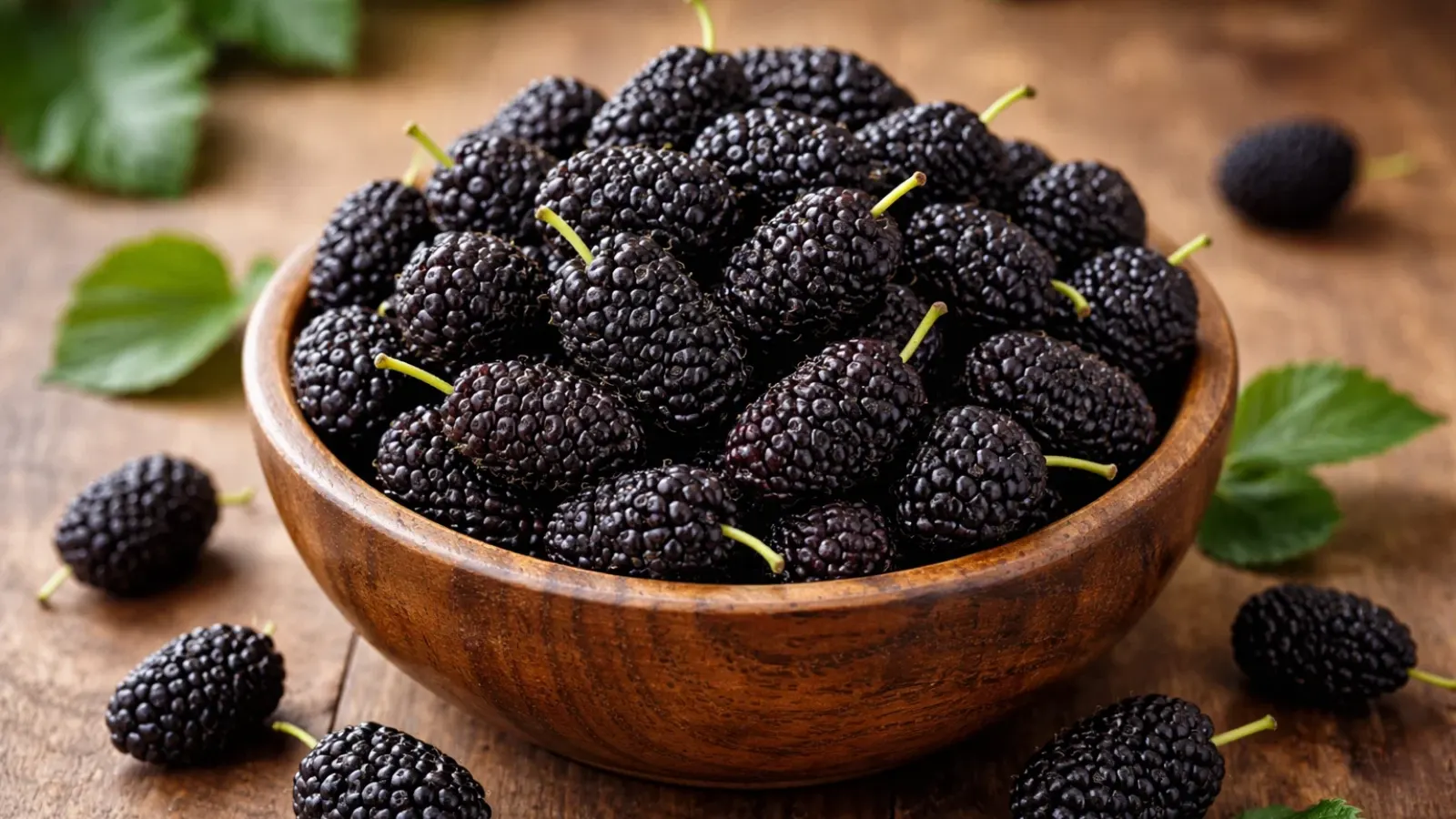
The mulberry fruit grows on the mulberry plant, a fast-growing tree that has been cultivated for centuries. Historically, it was closely linked to silk production, but today most people care about it for its flavor and potential health value.
Mulberries look similar to blackberries, but they are softer, slightly more delicate, and often sweeter when fully ripe.
They can be eaten fresh, dried, or sometimes consumed as tea or extract when made from the leaves.
But what really matters is this:
How do they affect your body?
Mulberry Nutrition: What You’re Actually Eating
Let’s start with fresh mulberries.
Per 100 grams of fresh fruit, you get roughly:
- Around 43 calories
- About 9 to 10 grams of carbohydrates
- Close to 8 grams of natural sugar
- Around 1.5 to 2 grams of fiber
- A small amount of protein
- Almost no fat
That makes fresh mulberries relatively light compared to many sweet snacks.
The fiber is modest but helpful. It slows digestion slightly and supports gut health. You won’t get very great results from one serving, but it contributes to overall balance.
In terms of micronutrients, mulberry nutrition includes:
- Vitamin C
- Vitamin K
- Iron
- Potassium
They are not the most nutrient-dense fruit in the world, but they are far from empty calories.
Fresh vs Dried Mulberries
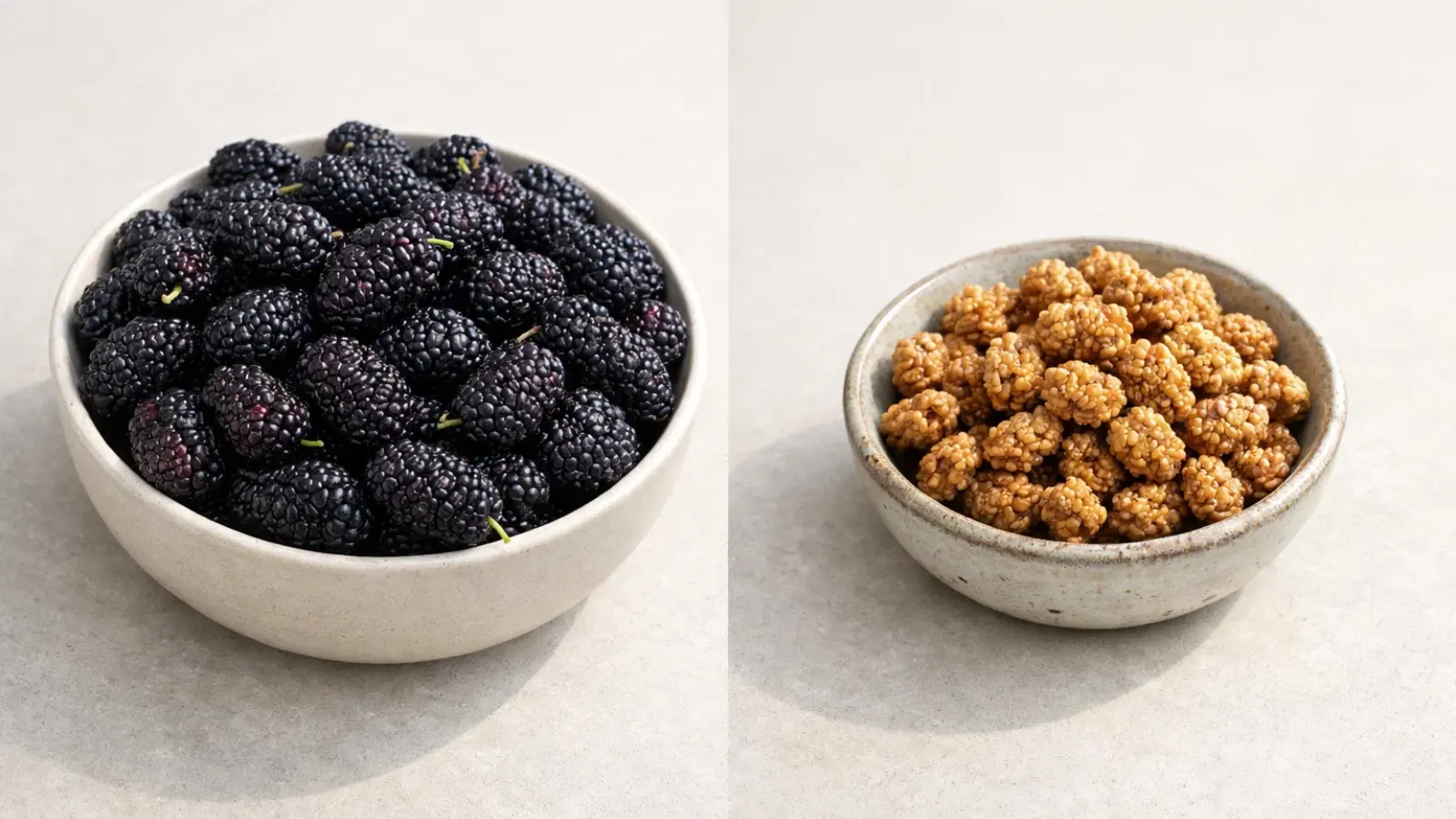
Fresh mulberries are mostly water. Dried mulberries are not.
When water is eliminated, the sugar and calories become concentrated. A 100-gram serving of dried mulberries can contain 300 calories or more.
That means a small handful of dried fruit can equal the calories of a large bowl of fresh mulberries.
This does not make dried mulberries unhealthy. It simply makes them easy to overconsume.
If you are watching your calorie consumption, this distinction matters more than whether the sugar is “natural.”
How Calorie Trackers Buddy Makes This Simple

Instead of estimating, you can see the difference instantly.
With Calorie Trackers Buddy, you can:
- Log fresh and dried mulberries separately
- See exact calorie, sugar, and fiber values
- Monitor daily carbohydrate totals
- Adjust portions before they affect your goals
- Compare servings side by side
When you see the numbers clearly, you stop relying on thoughts like:
“It’s just fruit.”
“Natural sugar doesn’t count.”
“One more handful won’t matter.”
It’s not about restriction.
It’s about understanding how mulberry nutrition fits into your real life.
Because healthy eating becomes easier when it’s intentional — not assumed.
Mulberry Fruit Benefits
Let’s talk about real mulberries’ benefits.
1. Supports Steadier Blood Sugar Response
Fresh mulberries contain fiber, which slows carbohydrate absorption.
You may have heard that mulberries help lower blood sugar. That claim mostly comes from studies on mulberry leaves, not the fruit itself. Mulberry leaves contain a compound called DNJ that can influence carbohydrate digestion.
The fruit does not contain the same levels used in those studies.
So yes, mulberries can fit into a balanced diet. But, they are not a substitute for medication or medical advice.
2. Antioxidant Support
Dark mulberries contain anthocyanins, the same antioxidant compounds found in blueberries. These antioxidants help reduce oxidative stress in the body by neutralizing harmful free radicals. Because of this, regularly including fruits like mulberries in the diet may contribute to better heart health and long-term wellness.
3. Digestive Support
Mulberries provide fiber, which supports regular digestion and helps feed beneficial gut bacteria.
If your overall fiber intake is low, adding berries like mulberries can help you gradually improve it.
4. Immune Contribution
Because mulberries contain vitamin C, they contribute to immune function. They are not immune boosters, but they are supportive.
Are Mulberries Good for Weight Loss?
Fresh mulberries can absolutely support weight management.
They are low in calories relative to their sweetness. That makes them a smart swap when you want something sweet but do not want to reach for processed desserts.
The challenge usually comes with dried mulberries.
Because they are small and sweet, it is easy to eat more than intended. That can quietly push you out of a calorie deficit.
How to Add Mulberries to Your Diet in a Smart Way
If you want to use mulberries intentionally, here’s a simple approach.
Stick to about half to one cup of fresh mulberries at a time.
If eating dried mulberries, measure your portion instead of eating directly from the bag.
Pair them with:
- Greek yogurt for added protein
- Oatmeal for fiber balance
- Smoothies for natural sweetness
- Salads for contrast
Pairing fruit with protein or healthy fats can help you feel full longer.
And if you are switching between fresh and dried forms, logging them in a tracker helps you stay consistent without mental math.
How to Pick the Best Mulberry Fruit
Whether you call them mulberry fruit or shahtoot, choosing the right ones makes a big difference in taste and nutrition.
Here’s what to look for:
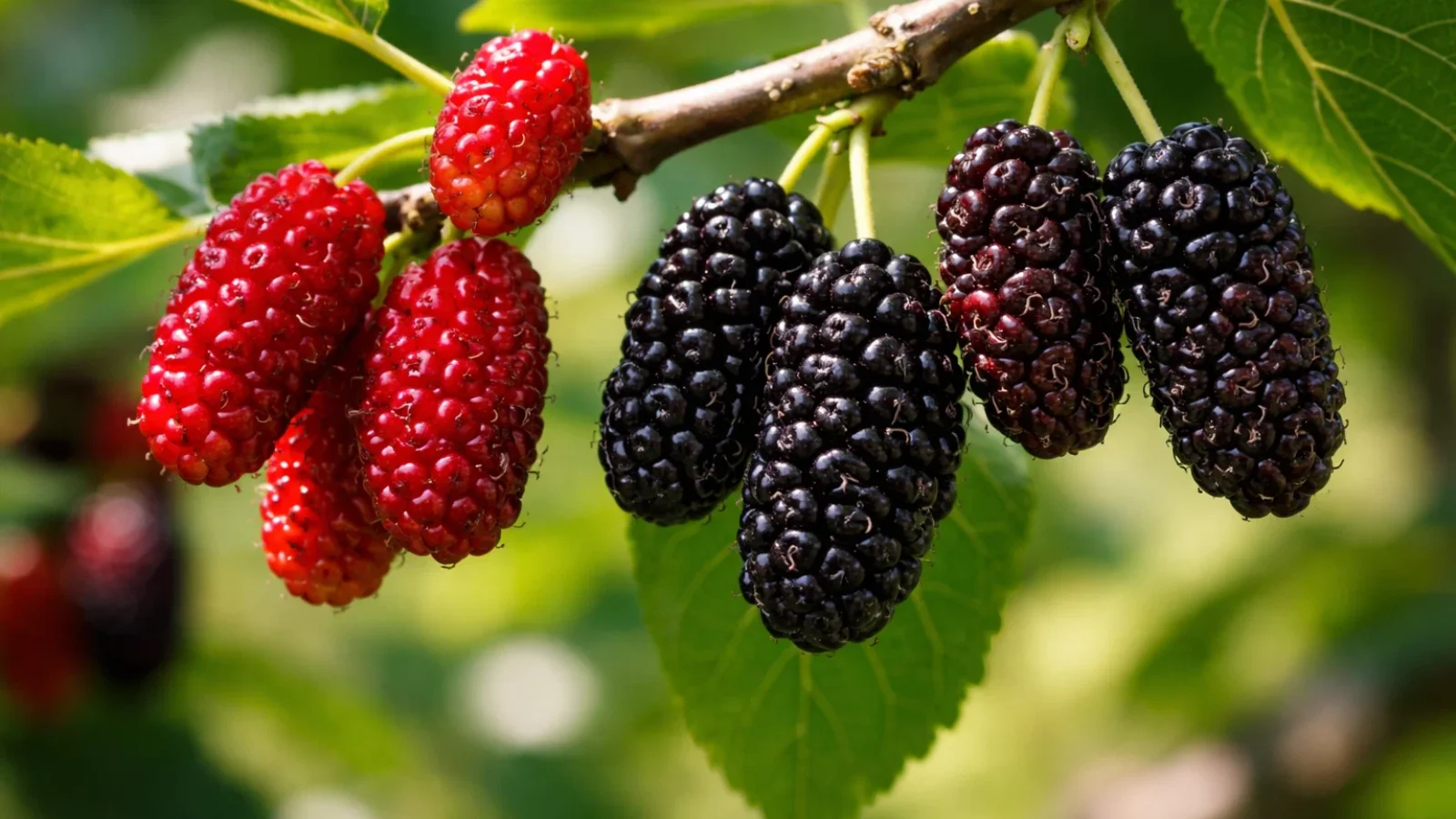
Deep purple or black color
Most varieties are fully ripe when they turn dark. Red mulberries are often underripe and more tart.
Soft but not mushy
They should feel tender but hold their shape.
No leaking juice
Overripe mulberries become very delicate and may start to leak.
Avoid shriveled fruit
Wrinkled skin usually means they’re past their peak.
Fun fact: If they stain your fingers easily, that usually means they’re rich in anthocyanins — the antioxidants responsible for their dark color.
How to Store Mulberries Properly
Mulberries are delicate and spoil faster than many other berries.
To store fresh mulberries:
- Refrigerate immediately after buying or picking
- Do not wash them until you’re ready to eat
- Store in a shallow container lined with a paper towel
- Eat within 2–3 days for the best quality
Want them to last longer?
Freeze them.
- Spread in a single layer on a tray
- Freeze first
- Then transfer to an airtight bag
Frozen mulberries work well in smoothies, oatmeal, or yogurt.
Dried mulberries, on the other hand, should be stored in an airtight container away from moisture. Because they’re low in water, they last much longer, but remember, their calories are concentrated.
Also Read
Portion Guidance: Fresh vs Dried Mulberries
This is where most people underestimate intake.
Fresh Mulberries
A smart portion is:
½ to 1 cup (about 50–100g)
That’s roughly 25–45 calories.
Because fresh mulberries contain a lot of water, they provide volume without excessive calories. This makes them suitable for weight-conscious eating.
Dried Mulberries
A smart portion is:
1–2 tablespoons (about 15–20g)
That’s already around 60–80 calories, depending on the brand.
It’s very easy to eat 3–4 times that amount without noticing.
If your goal involves tracking mulberry calories, measuring dried portions matters far more than fresh ones.
A simple trick:
Never eat dried mulberries directly from the bag. Portion them into a small bowl first.
Are There Any Side Effects?
Most people tolerate mulberries well.
Eating large amounts may cause mild digestive discomfort due to fiber.
Mulberry leaf supplements can affect blood sugar levels and may interact with certain medications. Anyone on diabetes medication should speak to a healthcare professional before using leaf extracts.
Allergies are rare but possible.
Conclusion
Mulberry fruit is not a miracle food. It is also not just empty sugar.
Fresh mulberries are low in calories, provide modest fiber, and contain helpful antioxidants. Dried mulberries are more concentrated and require portion awareness.
If you understand mulberry nutrition, respect portion sizes, and track what you eat when needed, mulberries can absolutely fit into a healthy lifestyle.
The goal is not perfection. It is an informed choice.
FAQs
Are mulberries high in sugar?
Fresh mulberries are moderately sweet but relatively low in calories. Dried mulberries are much higher in sugar concentration.
Can diabetics eat mulberries?
Fresh mulberries can fit into a balanced diet in controlled portions. However, mulberry leaf extracts may affect blood sugar levels and require medical guidance.
Is shahtoot good for weight loss?
Yes, fresh shahtoot can support weight management because they are low in calories and naturally sweet.
What is the difference between mulberry fruit and mulberry leaf?
The fruit is eaten fresh or dried. The leaf is often used in teas or supplements and has different bioactive compounds.