


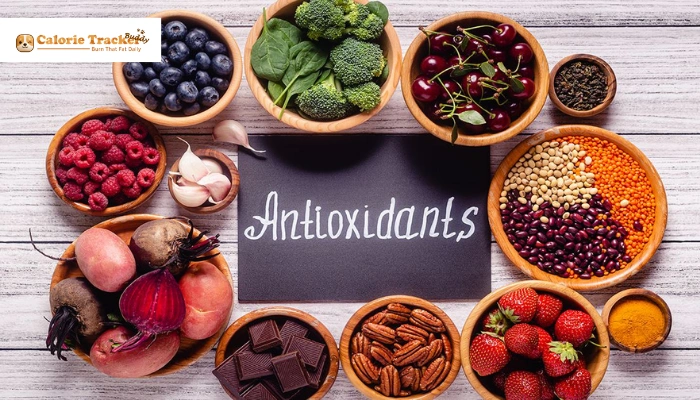
Every day, your body relies on antioxidants to protect, repair, and rejuvenate itself. Antioxidants not only support immunity but also promote radiant skin and consistent energy levels, with many more effects that you may not be aware of. Antioxidants are a natural defense against the oxidative stress that occurs in your cells when exposed to environmental contaminants, poor nutrition, or any stressors experienced on a daily basis.
With modern living constantly exposing the body to high levels of oxidative stress, there is a risk of damaging cells when we do not have access to the nutrients needed to counterbalance the effects of oxidative damage. A diet rich in colorful, whole foods such as fruits, vegetables, nuts, and seeds provides the antioxidants necessary for your body to stay resilient during times of oxidative stress. By learning about how antioxidants work and how to incorporate them into your meals on a daily basis, you can fundamentally change your long-term health.
So, can antioxidants be viewed as the absolute cornerstone for achieving optimal health? Let’s look at the research behind antioxidants, their transcriptome benefits and some practical ways in which you can introduce more antioxidant-rich foods into your daily routine.
In A Hurry? Listen To The Blog Instead
Introduction: Why Antioxidants Matter More Than Ever
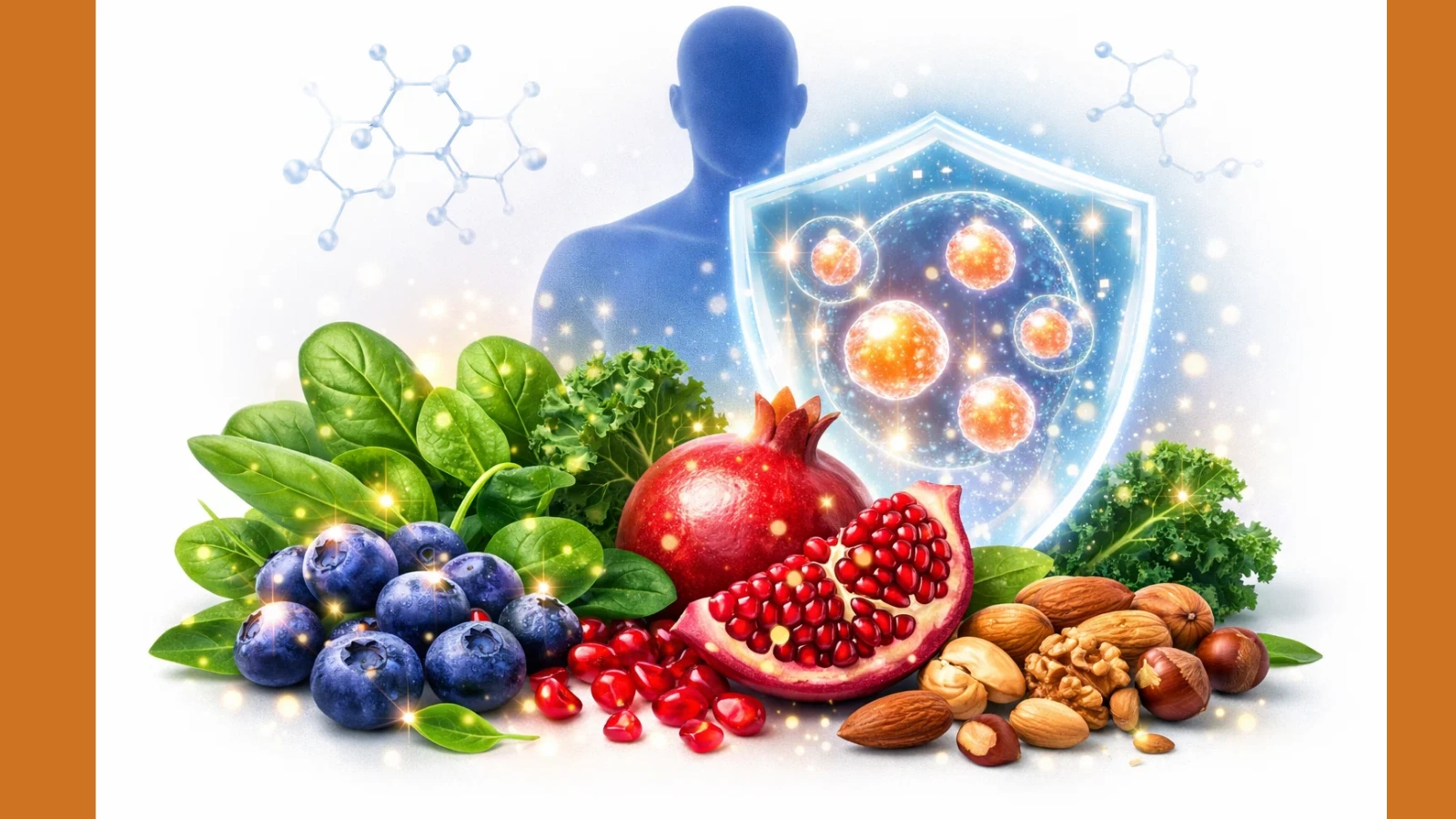
Energy, clear skin, sharp focus, and strong immunity do not happen by chance. Your body fights stress, pollution, processed food, and internal damage every single day. To stay strong, it relies on powerful compounds known as Antioxidants.
Many people chase quick fixes for better health. Some try extreme diets. Others rely only on supplements. Yet true wellness starts at the cellular level. This is where Antioxidants step in as protectors.
Health experts often discuss what are antioxidants and why they matter so much. The answer connects directly to aging, immunity, and long-term vitality. When you understand how they work, you gain control over your well-being.
Let’s explore how Antioxidants support your body and whether they truly hold the key to vibrant health.
What Are Antioxidants and Why Does Your Body Need Them?
To understand their power, you first need clarity about what are antioxidants.
Antioxidants are natural compounds that protect your cells from unstable molecules called free radicals. Free radicals form when your body converts food into energy. They also develop due to pollution, UV exposure, stress, and unhealthy eating habits.
When free radicals build up, they cause oxidative stress. This stress damages cells, proteins, and even DNA. Over time, this damage increases the risk of chronic illness and accelerates the aging process.
Your body produces some Antioxidants on its own. However, it cannot produce enough to cope with the stress of modern lifestyles. That is why diet plays a critical role.
Without enough Antioxidants, your body struggles to repair itself. With proper intake, your system functions efficiently and stays resilient.
What Do Antioxidants Do Inside Your Body?
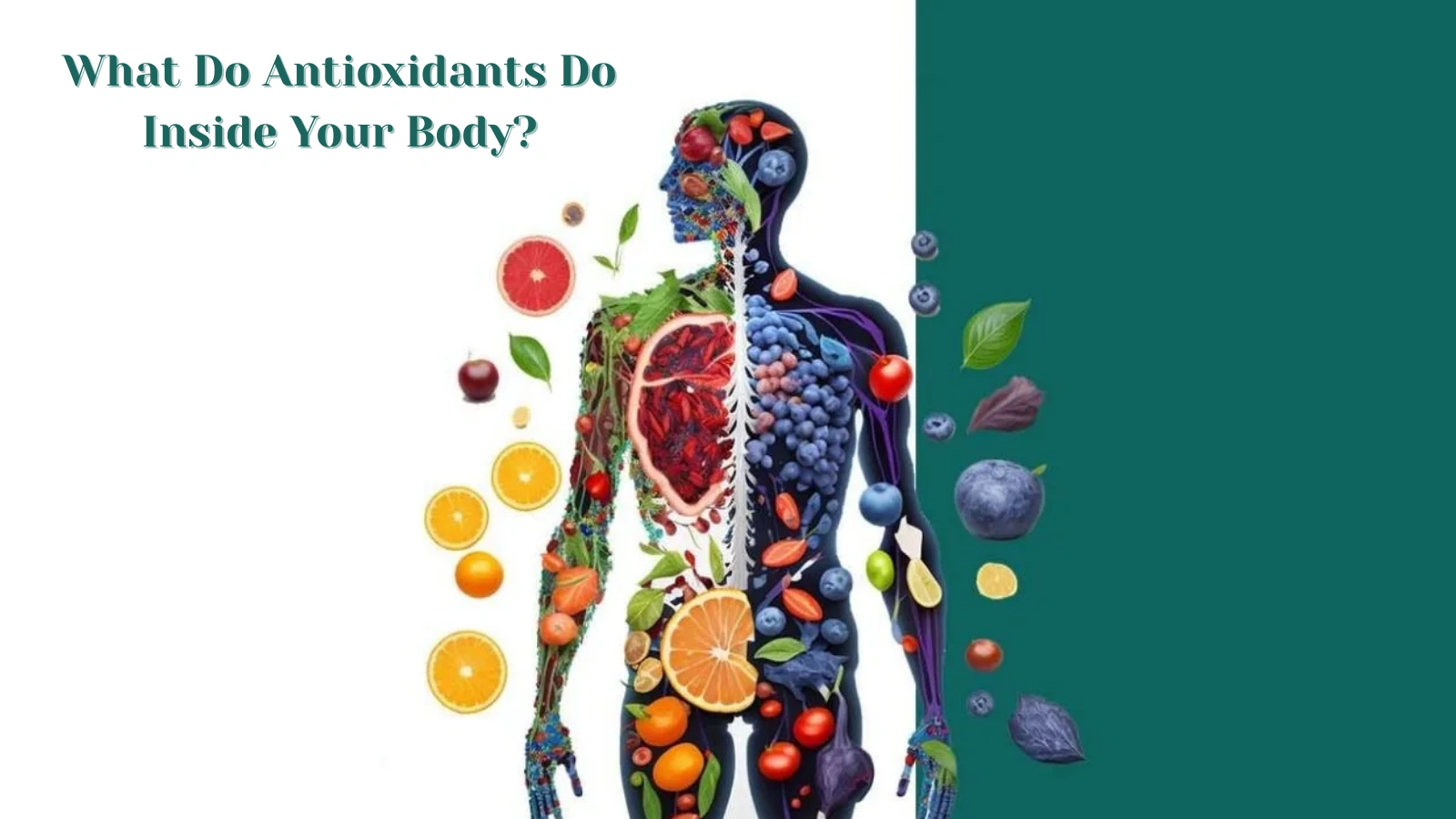
Many people ask, what do antioxidants do once they enter the body?
They neutralize free radicals. They donate electrons to unstable molecules without becoming unstable themselves. This action stops harmful chain reactions inside your cells.
But that is not all.
Antioxidants also:
- Support immune defense.
- Protect heart tissue.
- Promote healthy skin.
- Improve brain clarity.
- Reduce inflammation.
When oxidative stress decreases, your body functions at its best. Cells repair faster. Organs perform better. Recovery improves.
Research shows that diets rich in Antioxidants reduce the risk of heart disease, certain cancers, and cognitive decline. That protection begins at the microscopic level but creates visible results.
The Powerful Health Benefits Of Antioxidants
Balanced nutrition includes strong antioxidant support. Here are the most important benefits:
1. Slower Aging Process
Oxidative stress accelerates wrinkles, fine lines, and fatigue. Antioxidants protect collagen and skin cells. As a result, skin appears firmer and brighter.
2. Stronger Immune Defense
Your immune system depends on nutrients like vitamin C and vitamin E, both powerful Antioxidants. They strengthen white blood cells and improve the response to infection.
3. Heart Protection
Oxidized cholesterol damages arteries. Antioxidants reduce this damage and support healthy blood flow.
4. Brain Support
The brain consumes large amounts of oxygen. That makes it vulnerable to oxidative damage. Diets rich in Antioxidants help protect memory and focus.
5. Faster Recovery
After exercise or stress, cells require repair. Antioxidants assist recovery and reduce muscle soreness.
When you combine multiple antioxidant sources, you maximize these benefits.
Foods High In Antioxidants You Should Add To Your Diet
Nature provides an abundance of foods high in antioxidants. Color often indicates antioxidant strength. Bright red, deep blue, dark green, and rich purple foods usually contain powerful compounds.
Here are some top categories of foods high in antioxidants:
- Blueberries
- Strawberries
- Spinach
- Kale
- Dark chocolate
- Green tea
- Walnuts
- Pecans
- Red cabbage
- Beans
Fruits and vegetables contain vitamin C, beta-carotene, and polyphenols. Nuts provide vitamin E. Herbs and spices like turmeric and cinnamon deliver concentrated antioxidant compounds.
Instead of focusing on one superfood, aim for variety. A colorful plate ensures you receive a broad range of Antioxidants.
Top 20 Antioxidant Foods For Everyday Wellness
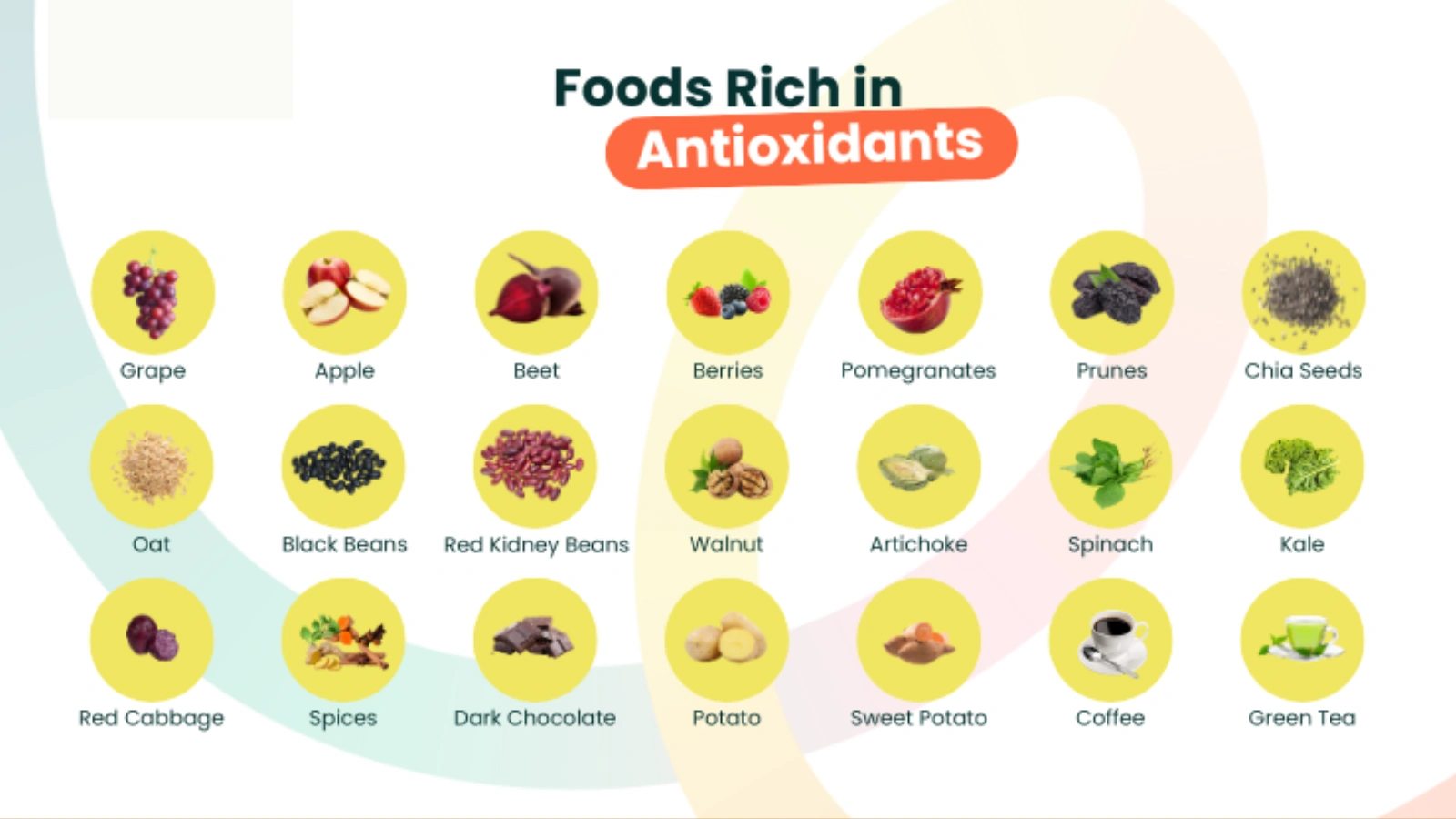
Here are 20 powerful antioxidant foods you can include in daily meals:
- Blueberries
- Raspberries
- Blackberries
- Strawberries
- Spinach
- Kale
- Broccoli
- Carrots
- Sweet potatoes
- Red grapes
- Pomegranate
- Dark chocolate
- Green tea
- Almonds
- Walnuts
- Sunflower seeds
- Kidney beans
- Artichokes
- Tomatoes
- Turmeric
These antioxidants foods supply vitamins, minerals, and plant compounds that protect cells. Rotate choices throughout the week to maximize nutrient intake.
Read More:
6+ Health Benefits of Dragon Fruit That Will Surprise You
10 Powerful Foods For An Anti Inflammatory Diet
How Much Antioxidants Do You Really Need?
There is no single number for daily antioxidant intake. Requirements depend on age, activity level, and health condition.
Rather than count milligrams, focus on whole food variety. Aim for at least five servings of fruits and vegetables daily. Include different colors at each meal.
Avoid excessive reliance on supplements. High doses may disrupt balance. Whole foods deliver fiber, minerals, and complementary nutrients that work together with Antioxidants.
A balanced diet ensures consistent support without risk.
Signs You May Be Lacking Antioxidants
Low intake of Antioxidants may show through subtle symptoms:
- Frequent illness
- Low energy
- Dull skin
- Slow recovery
- Brain fog
While these signs have many causes, a poor diet often contributes. If your meals lack foods high in antioxidants, your body may struggle to fight oxidative stress.
Simple dietary changes can restore balance and boost vitality.
How Calorie Tracker Buddy Helps You Track Antioxidant-Rich Foods?
Healthy eating requires awareness. Many people underestimate what they consume each day. Smart tracking tools simplify the process. Calorie Tracker Buddy helps you monitor meals and nutrients efficiently while you increase Antioxidants in your diet.
Snap and Scan Your Meals Instantly
Take a quick photo of your plate. The app analyzes calories and nutrients within seconds. You gain insight into whether your meal contains sufficient antioxidants foods.
Monitor Nutrient Intake in Real-Time
The app provides immediate feedback on vitamins and nutrient density. You can identify gaps in your intake of foods high in antioxidants.
Track Foods High in Antioxidants Easily
Add berries, leafy greens, nuts, and colorful vegetables to your meals. The app logs them and helps you maintain consistent antioxidant intake.
Get Personalized Feedback on Your Diet Balance
Set wellness goals. Whether you aim for weight loss or improved nutrition, the app aligns your plan with smart food choices rich in Antioxidants.
Stay Motivated While Improving Your Nutrition
The built-in buddy system keeps you accountable. Small wins build momentum. Healthy habits become easier when you see measurable progress.
With the right support, increasing Antioxidants becomes simple and sustainable.
Creating A Balanced Diet with Antioxidants Foods
Balance remains the foundation of good health. Combine protein, healthy fats, fiber, and antioxidant-rich foods in each meal.
For example:
- Oatmeal with berries and nuts.
- Grilled salmon with spinach and sweet potato.
- Greek yogurt with pomegranate and seeds.
These combinations provide energy and cell protection. Rotate options and maintain variety.
Do not restrict entire food groups. Focus on nutrient density. When you consistently include foods high in antioxidants, you support long-term vitality.
Common Myths About Antioxidants
Misinformation often creates confusion about Antioxidants, leading many people to make choices that limit their true health benefits.
Myth 1: More Is Always Better
High-dose supplements can disrupt nutrient balance and harm health; whole foods provide safer, naturally balanced antioxidants daily.
2: One Superfood Solves Everything
No single food delivers all the antioxidants your body needs; diverse, colorful meals ensure broader protection and nutritional strength.
3: Supplements Replace Healthy Meals
Pills cannot replace fiber, enzymes, and plant compounds found in whole foods rich in natural Antioxidants.
4: Only Fruits Contain Antioxidants
Vegetables, beans, nuts, seeds, spices, and dark chocolate also supply powerful Antioxidants that support total body wellness.
Understanding facts helps you make smarter choices.
Simple Daily Habits To Boost Your Antioxidant Intake
Small actions lead to lasting change.
- Start your day with berries or citrus fruit
- Add leafy greens to lunch
- Snack on nuts instead of chips
- Drink green tea
- Use herbs and spices generously
- Choose colorful vegetables at dinner
Consistency strengthens results. When meals include diverse Antioxidants, your body receives steady protection.
Plan weekly grocery lists around foods high in antioxidants. Prepare balanced meals at home. Track progress with helpful tools.

Conclusion:
True vitality begins at the cellular level. Antioxidants protect, repair, and strengthen your body from within. They neutralize harmful free radicals, support immunity, protect the heart, and promote radiant skin.
If you ever wondered what are antioxidants or what do antioxidants do, the answer lies in their protective power. By choosing diverse antioxidants foods and prioritizing foods high in antioxidants, you create a strong foundation for lasting health.
Simple habits make a powerful difference. Add color to your plate. Track your meals. Stay consistent. With mindful choices and steady intake of Antioxidants, vibrant health becomes achievable.
FAQs
1. What are antioxidants, and why are they important?
Antioxidants are natural compounds that protect your cells from damage caused by free radicals. They support immunity, heart health, skin vitality, and overall wellness by reducing oxidative stress in the body.
2. What do antioxidants do for the body daily?
Many people ask, what do antioxidants do every day? They neutralize harmful molecules, support cell repair, reduce inflammation, and help maintain steady energy levels and strong immune defense.
3. What are the best foods high in antioxidants?
Some of the best foods high in antioxidants include berries, spinach, kale, nuts, dark chocolate, green tea, beans, and colorful vegetables. A varied, plant-rich diet ensures broad antioxidant support.
4. Can you get enough antioxidants from food alone?
Yes, most people can meet their antioxidant needs through whole antioxidants foods like fruits, vegetables, seeds, and legumes. A balanced diet usually provides sufficient protection without heavy reliance on supplements.
5. Are antioxidant supplements better than natural food sources?
Whole foods often provide better results because they contain fiber, vitamins, and plant compounds that work together with Antioxidants. Supplements may help in specific cases but should not replace nutritious meals.