

If you’ve been struggling with weight loss, you’re not alone. The good news is that choosing the right food that helps burn fat doesn’t mean you need to starve yourself or follow extreme diets that leave you feeling miserable. The secret lies in understanding which foods naturally boost your metabolism, keep you satisfied, and help your body burn fat more efficiently. In this comprehensive guide, we’ll explore science-backed strategies to select food that helps burn fat while maintaining energy levels and enjoying your meals.
Listen To The Podcast Now!
Understanding Fat-Burning Foods:
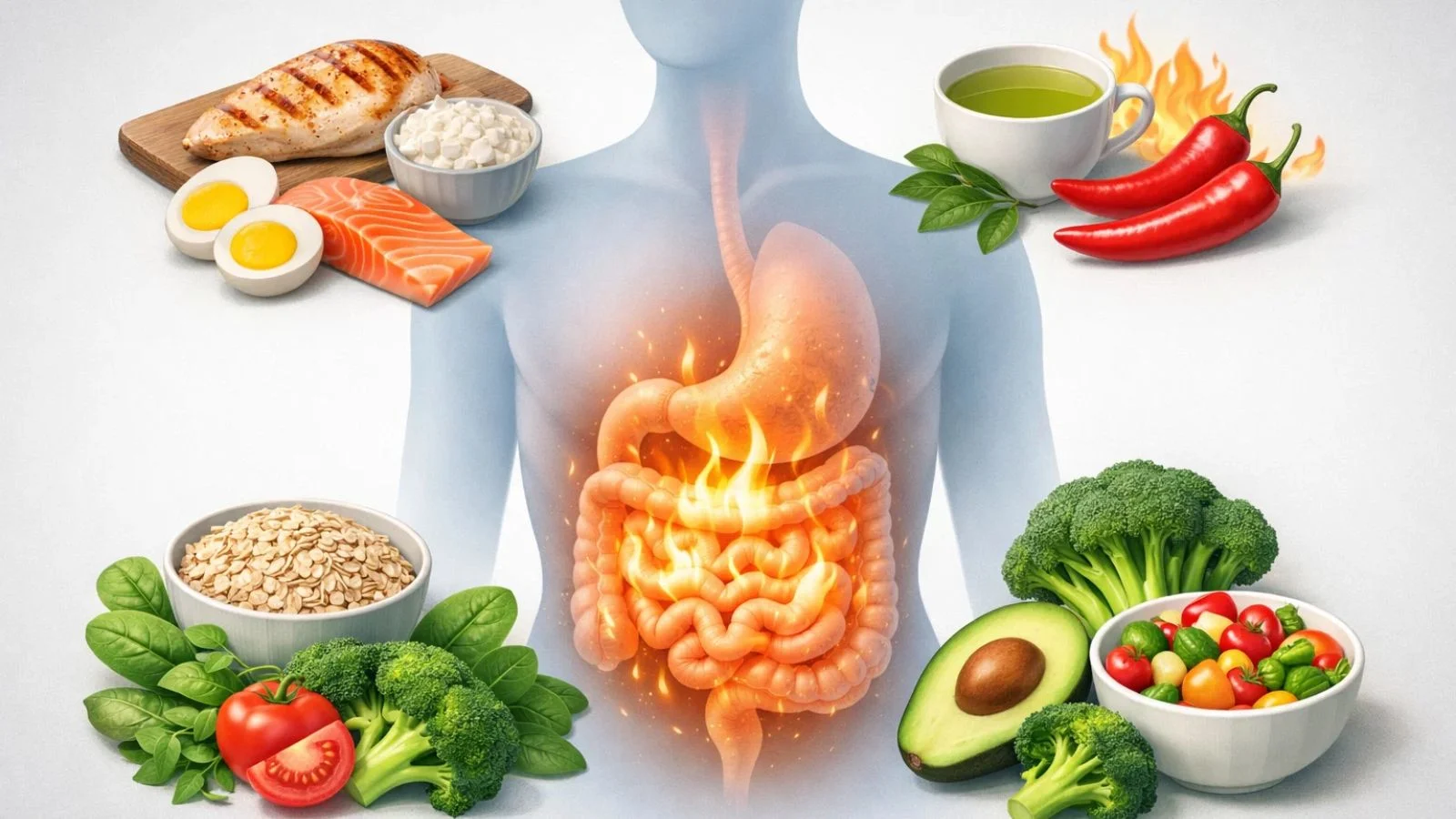
Before diving into specific food choices, it’s essential to understand what makes certain foods effective at burning fat. Food that helps burn fat typically shares common characteristics: high protein content, thermogenic properties, fiber-rich composition, or the ability to regulate blood sugar levels. These foods work with your body’s natural processes rather than against them.
When you consume Food That Helps Burn Fat, your metabolism receives a natural boost. Protein-rich foods, for instance, require more energy to digest than carbohydrates or fats, creating a thermic effect that burns calories during digestion. Similarly, foods high in fiber keep you fuller longer, preventing overeating and unnecessary snacking. By incorporating these fat-burning foods into your diet, you’re supporting your body’s natural ability to burn fat efficiently.
The Best Foods to Cut Fat:
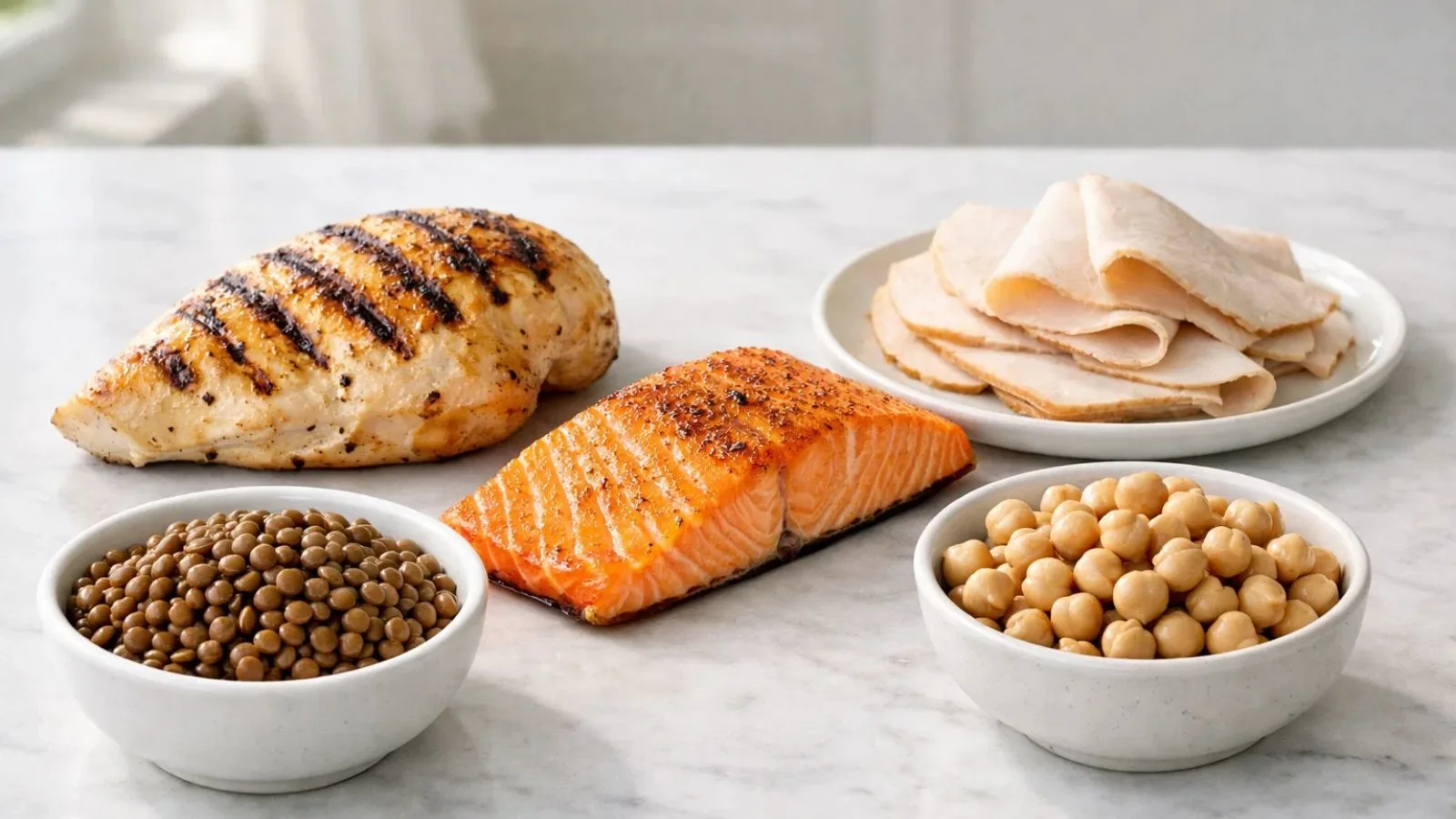
When looking at foods to cut fat, you’ll want to focus on whole, unprocessed options that provide maximum nutrition with minimal empty calories. Lean proteins like chicken breast, turkey, fish, and plant-based options such as lentils and chickpeas are excellent choices. These foods that help burn fat keep you satisfied while building and maintaining muscle mass.
Vegetables, especially leafy greens, cruciferous vegetables like broccoli and cauliflower, and colorful options like bell peppers, are nutrient-dense choices. They’re low in calories but high in vitamins, minerals, and fiber. Adding these to your plate means you can eat larger portions without consuming excessive calories, making weight loss feel less restrictive.
Healthy fats might seem counterintuitive when discussing food that helps burn fat, but sources like avocados, nuts, seeds, and olive oil actually support fat loss. These foods regulate hunger hormones, reduce inflammation, and help your body absorb fat-soluble vitamins essential for optimal metabolism.
Creating Meals to Help You Lose Weight:
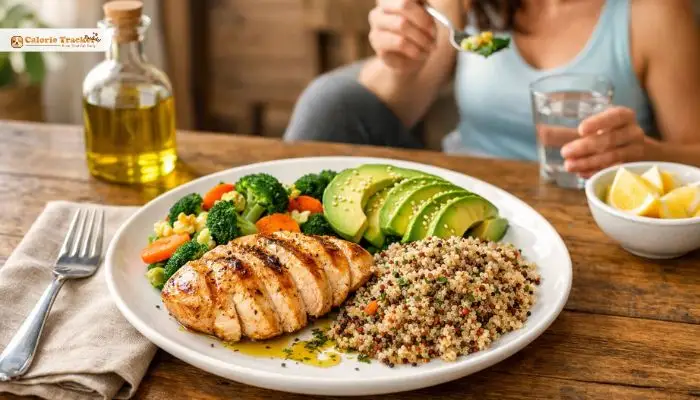
Building effective meals to help you lose weight requires strategic planning and balance. Start with a protein foundation, this could be grilled chicken, baked fish, tofu, or eggs. Protein should occupy about a quarter of your plate and serves as a crucial food that helps burn fat by preserving muscle mass during weight loss.
Next, fill half your plate with non-starchy vegetables. This approach ensures you’re getting plenty of nutrients and fiber while keeping calories in check. The remaining quarter can include complex carbohydrates like quinoa, sweet potatoes, or brown rice, which provide sustained energy without causing blood sugar spikes.
Timing also matters when creating meals to help you lose weight. Eating protein-rich breakfasts jumpstarts your metabolism and reduces cravings throughout the day. Balanced lunches prevent afternoon energy crashes, while lighter dinners that still include food that helps burn fat ensure you’re not going to bed on an empty stomach or feeling overstuffed.
Meals to Gain Muscle and Lose Fat:
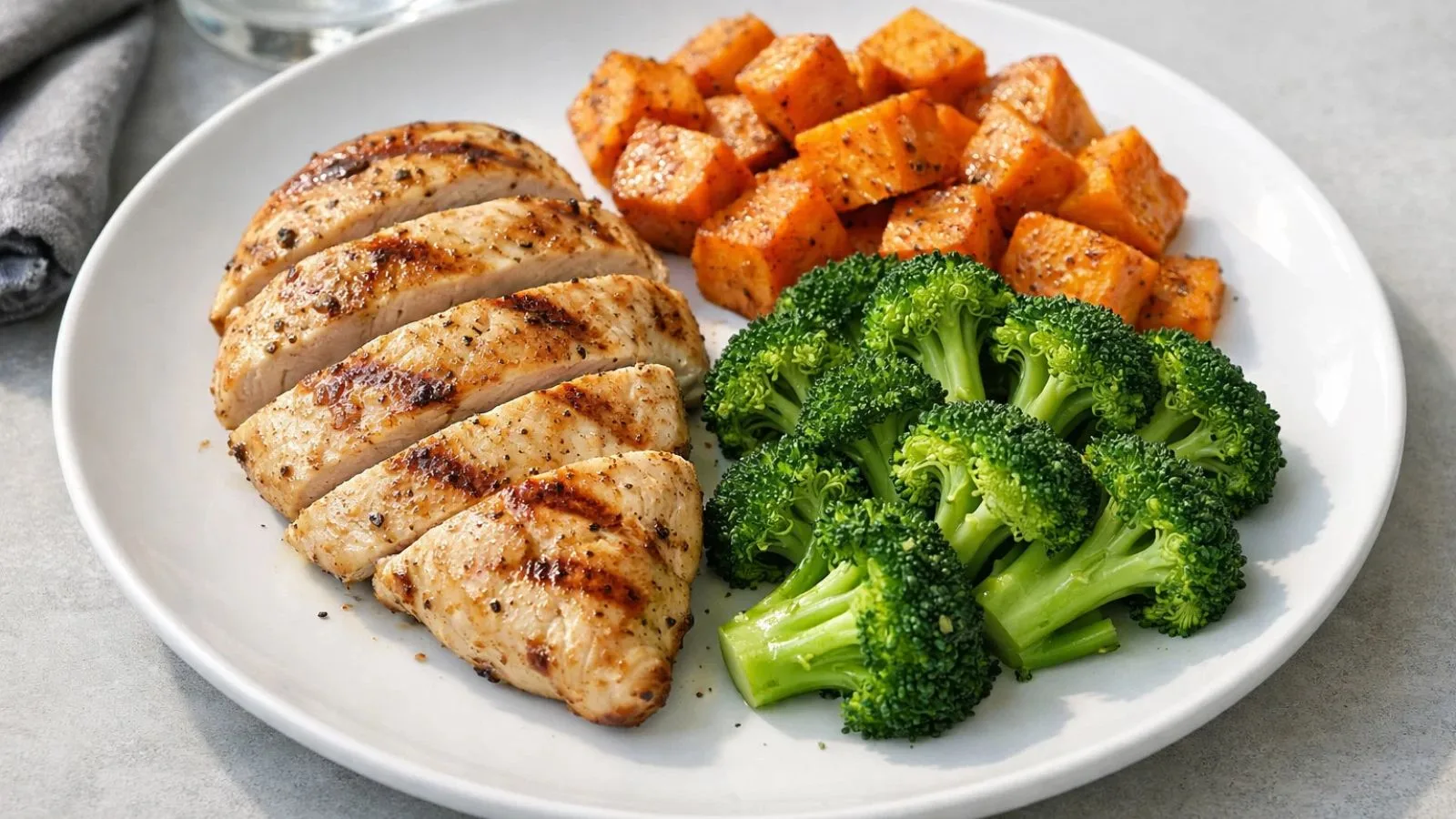
The holy grail of fitness is achieving meals to gain muscle and lose fat simultaneously. This requires a delicate balance of adequate protein intake, strategic calorie management, and proper nutrient timing. Food that helps burn fat while building muscle typically includes lean proteins paired with nutrient-dense carbohydrates and healthy fats.
Post-workout meals are particularly important. Combining protein with fast-digesting carbohydrates after exercise replenishes glycogen stores and initiates muscle repair. A grilled chicken breast with sweet potato and steamed broccoli exemplifies food that helps burn fat while supporting muscle growth.
Pre-workout nutrition shouldn’t be overlooked either. Consuming easily digestible protein and carbohydrates about an hour before training provides energy and prevents muscle breakdown. Greek yogurt with berries or a banana with almond butter are simple options that qualify as food that helps burn fat and fuels performance.
Best Diet to Lose Stomach Fat and Build Muscle:
When targeting the best diet to lose stomach fat and build muscle, consistency trumps perfection. No single food will magically melt belly fat, but a sustained approach featuring food that helps burn fat combined with strength training produces remarkable results.
Prioritize whole foods over processed options. Processed foods often contain hidden sugars, excessive sodium, and unhealthy fats that promote belly fat storage. Instead, choose food that helps burn fat naturally: lean meats, fish, eggs, vegetables, fruits, whole grains, and healthy fats.
Reduce refined carbohydrates and added sugars, as these contribute significantly to visceral fat accumulation around the stomach. Replace white bread, pastries, and sugary drinks with food that helps burn fat, like vegetables, legumes, and whole grains, that stabilize blood sugar and prevent insulin spikes.
Adequate protein intake is non-negotiable. Research suggests consuming 0.8 to 1 gram of protein per pound of body weight supports muscle maintenance and growth while promoting fat loss. Distribute this protein across meals throughout the day for optimal muscle protein synthesis.
Also Read:
Track Your Progress with Calorie Tracker Buddy:
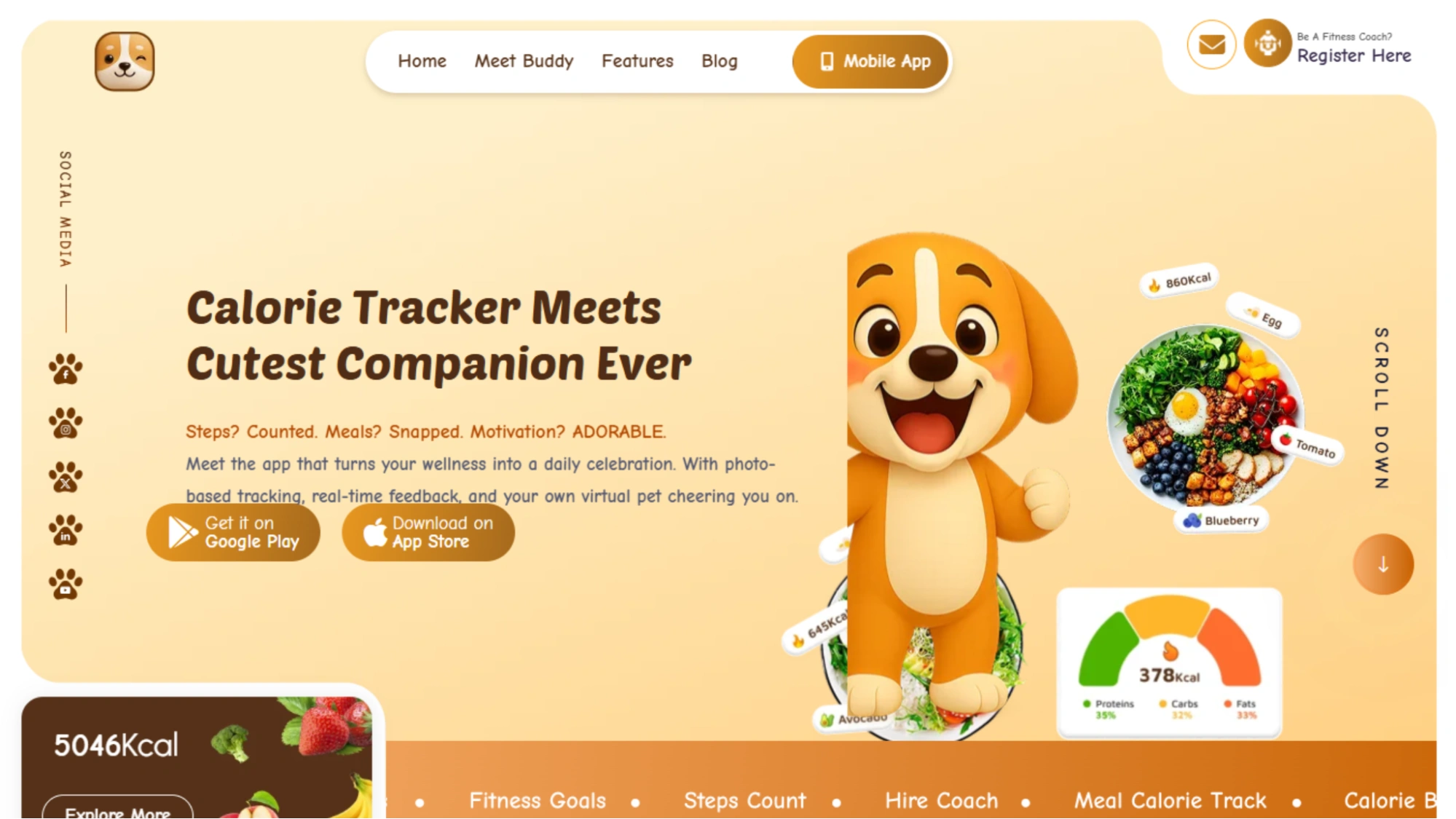
While knowing which foods help burn fat is essential, tracking your intake makes all the difference in achieving your goals. This is where Calorie Tracker Buddy becomes your ultimate companion on this journey.
📸 Snap & Track Simply photograph your meal, and the app instantly identifies the food, calculates calories, and provides detailed nutritional information. No more guessing portion sizes or manually entering every ingredient; just point, snap, and get instant feedback.
🐾 Virtual Pet Buddy What sets Calorie Tracker Buddy apart is your virtual pet companion, who grows healthier as you make better choices. Your buddy thrives when you eat well, take daily steps, and stay hydrated. Skip healthy habits, and your buddy takes a nap, a gentle nudge to get back on track.
🎮 Gamified Experience This gamification approach transforms calorie tracking from a chore into something you actually look forward to. Daily streaks and social sharing features keep you accountable and let your community support your journey.
🔗 Fitness Tracker Sync The app syncs seamlessly with fitness trackers like Google Fit, giving you a comprehensive view of calories burned versus consumed, all in one place.
🥗 Personalized Nutrition Tracking
- Track macros: protein, carbohydrates, and fats
- Monitor water intake daily
- Receive personalized suggestions based on your dietary preferences and sensitivities
- Set goals for fat loss, muscle gain, or both
Practical Tips for Sustainable Fat Loss:
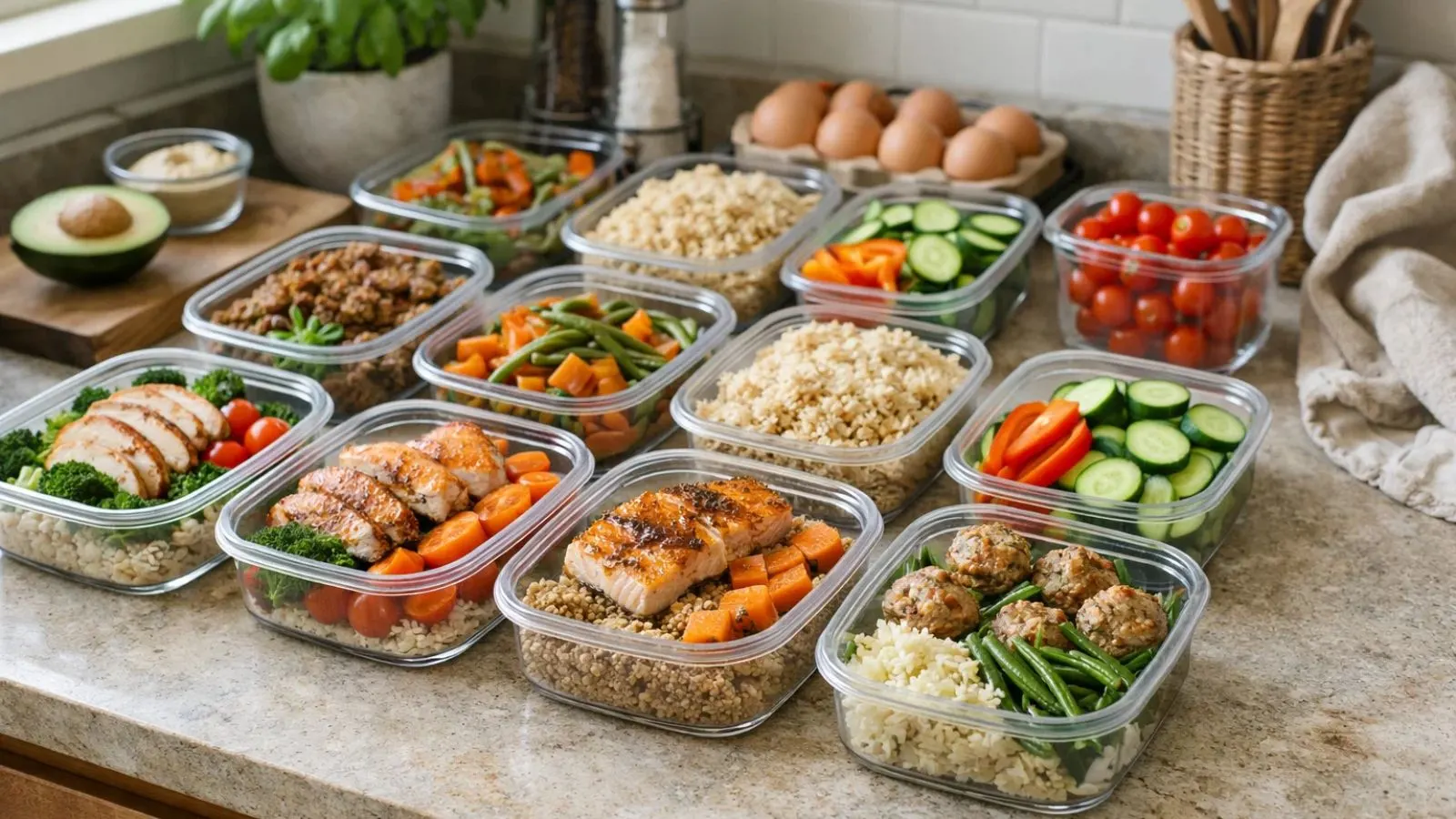
Success with food that helps burn fat requires more than just knowledge; it demands practical implementation. Start by meal prepping on weekends. Preparing portions of protein, chopping vegetables, and cooking grains in advance removes barriers to healthy eating during busy weekdays.
Stay hydrated throughout the day. Sometimes thirst masquerades as hunger, leading to unnecessary snacking. Drinking water before meals can also reduce calorie intake by promoting feelings of fullness. Aim for at least eight glasses daily, more if you’re active.
Don’t eliminate entire food groups unless medically necessary. Extreme restriction often backfires, causing cravings and eventual binge eating. Instead, focus on portion control and choosing food that helps burn fat most of the time while allowing occasional treats.
Sleep and stress management significantly impact fat loss success. Poor sleep disrupts hunger hormones, increasing cravings for high-calorie foods. Chronic stress elevates cortisol, promoting belly fat storage. Prioritize seven to nine hours of quality sleep and incorporate stress-reduction techniques like meditation, yoga, or regular exercise.
Conclusion:
Choosing food that helps burn fat doesn’t require deprivation or complicated meal plans. By focusing on whole, nutrient-dense foods, lean proteins, vegetables, fruits, whole grains, and healthy fats, you can create satisfying meals that support your weight loss and muscle-building goals. Remember that consistency matters more than perfection.
Small, sustainable changes compound over time into significant results. Tools like Calorie Tracker Buddy simplify the tracking process, keeping you motivated and accountable. Start today by making one healthier food choice, and watch as these decisions transform your body and health.
FAQ’s:
Q1: Can I lose fat without cutting calories drastically?
Ans: Yes! Choosing nutrient-dense food that helps burn fat while maintaining a moderate calorie deficit (300-500 calories below maintenance) produces sustainable fat loss without extreme hunger or energy crashes.
Q2: How long before I see results from eating fat-burning foods?
Ans: Most people notice changes within 2-4 weeks of consistently eating food that helps burn fat, combined with regular exercise. Sustainable fat loss averages 1-2 pounds weekly.
Q3: Do I need supplements to burn fat effectively?
Ans: No. While some supplements may offer minor benefits, whole foods provide everything your body needs to burn fat efficiently. Focus on nutrition quality first.
Q4: Can I build muscle while losing fat?
Ans: Absolutely! Consuming adequate protein, engaging in strength training, and choosing the right meals to gain muscle and lose fat make body recomposition possible, especially for beginners.