

Yoga can feel intimidating at first. But you might think you need to wake up at 5 AM or know complicated poses. But actually, none of that is true. Yoga is for everyone, especially those who just want to feel healthier. This 7-Day Beginner Yoga Exercises Challenge is perfect for you.
It is simple and beginner-friendly.
So you can do it right in your room. Each day focuses on easy yoga exercises that help your body stretch, build strength, and relax your mind at the same time.
Whether you are trying yoga for fitness, stress relief, better sleep, or just to try something new, this challenge gives you a clear starting point. By the end of these 7 days, you will feel more flexible and way more confident doing basic yoga at home.
So roll out your mat (or even a towel), take a deep breath, and let’s start your beginner yoga journey.
In a hurry? Listen to the blog instead!
Benefits Of Yoga Exercises
Before we jump into the 7-day challenge, let’s talk about why yoga exercises are actually worth it. Because once you know the benefits, you will be way more motivated. And you don’t need months to feel the difference. Even beginners will notice small changes.
Physical Benefits Of Basic Yoga
One of the first things you will notice is how stiff your body actually is 😅, especially if you sit a lot during the day.
Basic yoga helps:
- Improve flexibility (touching your toes gets easier)
- Build strength without heavy workouts
- Fix posture from too much phone/laptop time
- Reduce body pain and stiffness
It’s like a full-body reset but in a gentle way.
Mental Benefits Of Easy Yoga For Beginners
Yoga is not just physical, it’s a mental glow-up too.
When you do easy yoga for beginners regularly, it helps:
- Reduce stress and anxiety
- Calm your mind
- Improve focus
- Make you feel more positive
Breathing exercises + slow movements = instant chill mode.
Lifestyle Benefits of Doing Yoga Exercises At Home
Doing yoga at home just hits different. No travel, no gym, no awkwardness.
It helps you:
- Build a healthy daily routine
- Stay active without expensive memberships
- Sleep better at night
- Feel more energized during the day
And honestly, 15–20 minutes of yoga can change you a lot.
How To Prepare For This 7-Day Yoga Workout For Beginners
Before starting the challenge, it is important to set a small method, so that your practice feels comfortable.
You just need a simple space where you can move freely and stretch without bumping into things. A quiet corner of your room, living area, balcony, or terrace works perfectly as long as you feel relaxed there. Keeping the space clean and clutter-free can also help you stay more focused during your sessions.
When it comes to equipment. A yoga mat is helpful and comfortable, but if you don’t have one, a towel or carpet works fine too. Just wear stretchable clothes so your body can move easily, and keep a water bottle nearby. Some beginners like using a cushion or yoga block for support, but that’s completely optional.
You can practice at any time of the day,
But it’s best to pick a time you can stick to daily.
Some people prefer mornings because it helps them feel fresh and active, while others like evenings to unwind and relax after a long day.
Since this is a beginner challenge, just remember to go easy on your body. Move slowly, don’t force any stretch, and focus on steady breathing while doing each pose. A little discomfort is normal when muscles are tight. Staying hydrated and listening to your body will make your practice safer and more enjoyable.
Day 1: Gentle Yoga Exercises (Stretch & Relax)
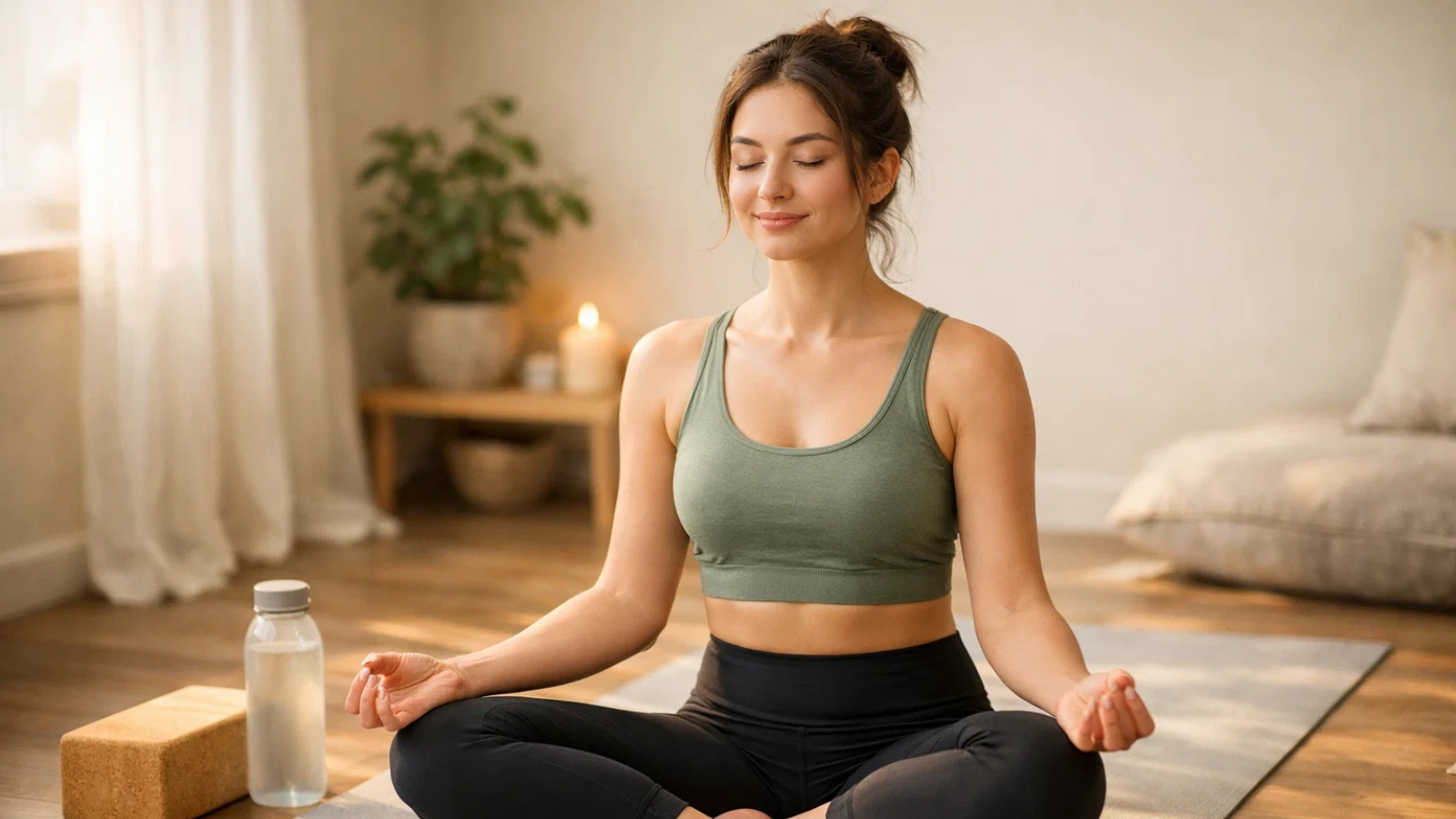
Day 1 is all about relaxing your body into the routine.
Since this is your first day, the focus is help your muscles get used to movement. Most beginners feel tight in areas like the back, shoulders, and hamstrings, especially if they sit a lot during the day.
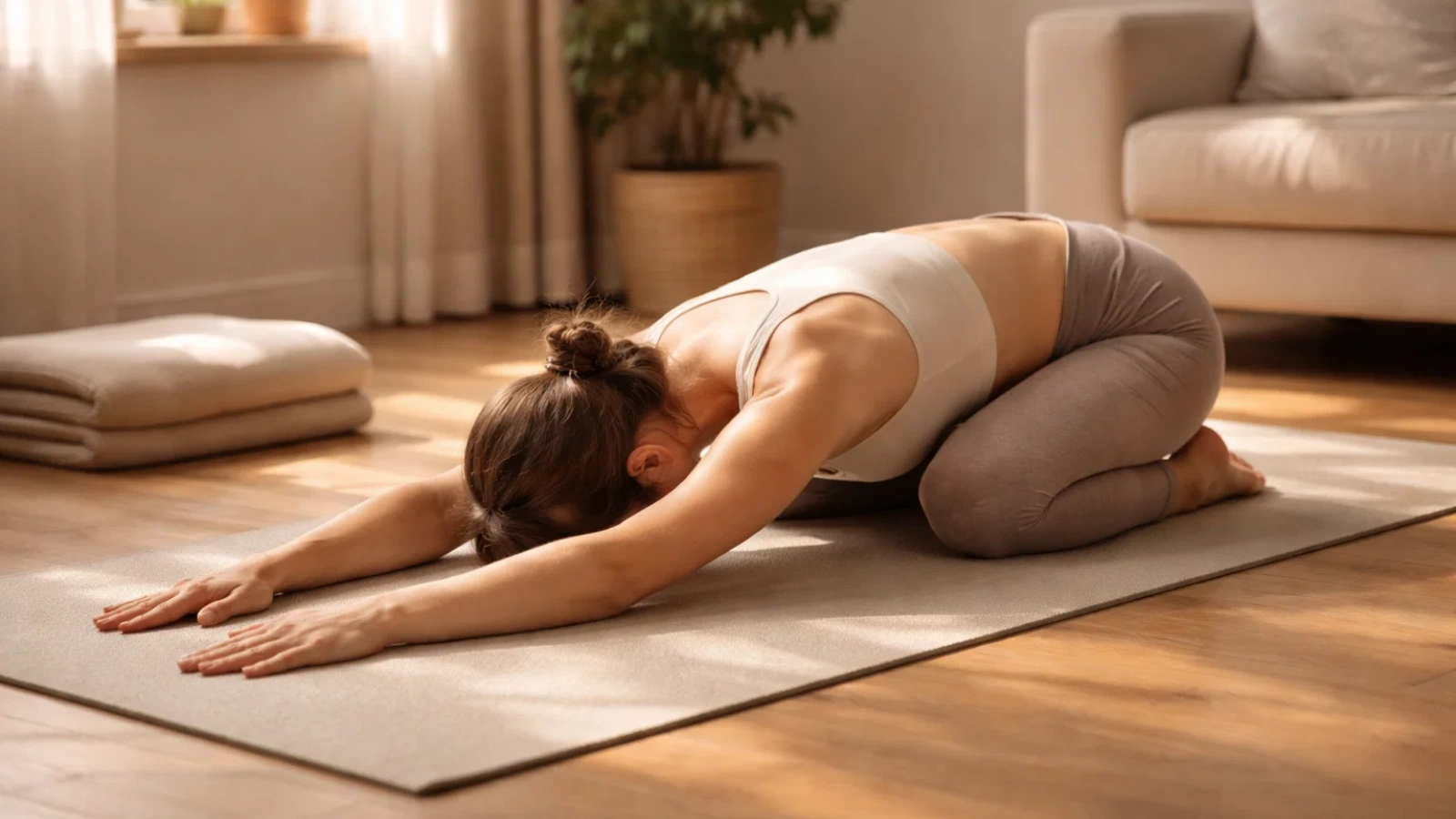
You will start with simple grounding poses like Child’s Pose, which helps your body relax while stretching the lower back.
From there, movements like Cat–Cow stretches warm up the spine and improve mobility through slow, controlled motion. Seated Forward Bend is another beginner-friendly pose that works on hamstring flexibility without putting pressure on your joints. Gentle spinal twists can also be added to release tension stored in the back and waist area.
Move slowly, breathe deeply, and pay attention to how your body feels in each position.
There is no rush and no pressure to be perfect.
Even if your stretches feel limited, that’s completely normal.
Day 1 is all about showing up, moving your body, and setting the foundation for the next six days.
By the end of this session, you should feel lighter, more relaxed, and slightly more aware of your body’s flexibility levels, which is exactly what we want before moving into more active yoga workouts tomorrow.
Day 2: Core Yoga Workout
Now that your body has loosened up from Day 1,
Day 2 is to focus on building strength, especially in your core.
It includes your lower back and side muscles, and strengthening that helps you to improve balance and overall body control during yoga exercises.
You will begin with poses like Plank, which might look simple but really fires up your entire midsection.
Holding this position, even for a few seconds, activates deep core muscles while also engaging your shoulders and legs. From there, Boat Pose adds a bit more intensity by challenging your balance and stability.
It might feel shaky, and that’s completely okay; it just means your muscles are waking up.
To balance the strength work, you can flow through a few rounds of Sun Salutations.
This sequence connects multiple movements, allowing your body to build heat while still keeping the pace beginner-friendly.
It also improves coordination between breath and movement, which becomes more important as the challenge progresses.
Day 2, you will likely feel your core muscles working more than usual, maybe even slightly sore, but in a good way.
This session builds a strong base to rely on for the upcoming flexibility and full-body yoga in the next few days.
Day 3: Flexibility Yoga Exercises
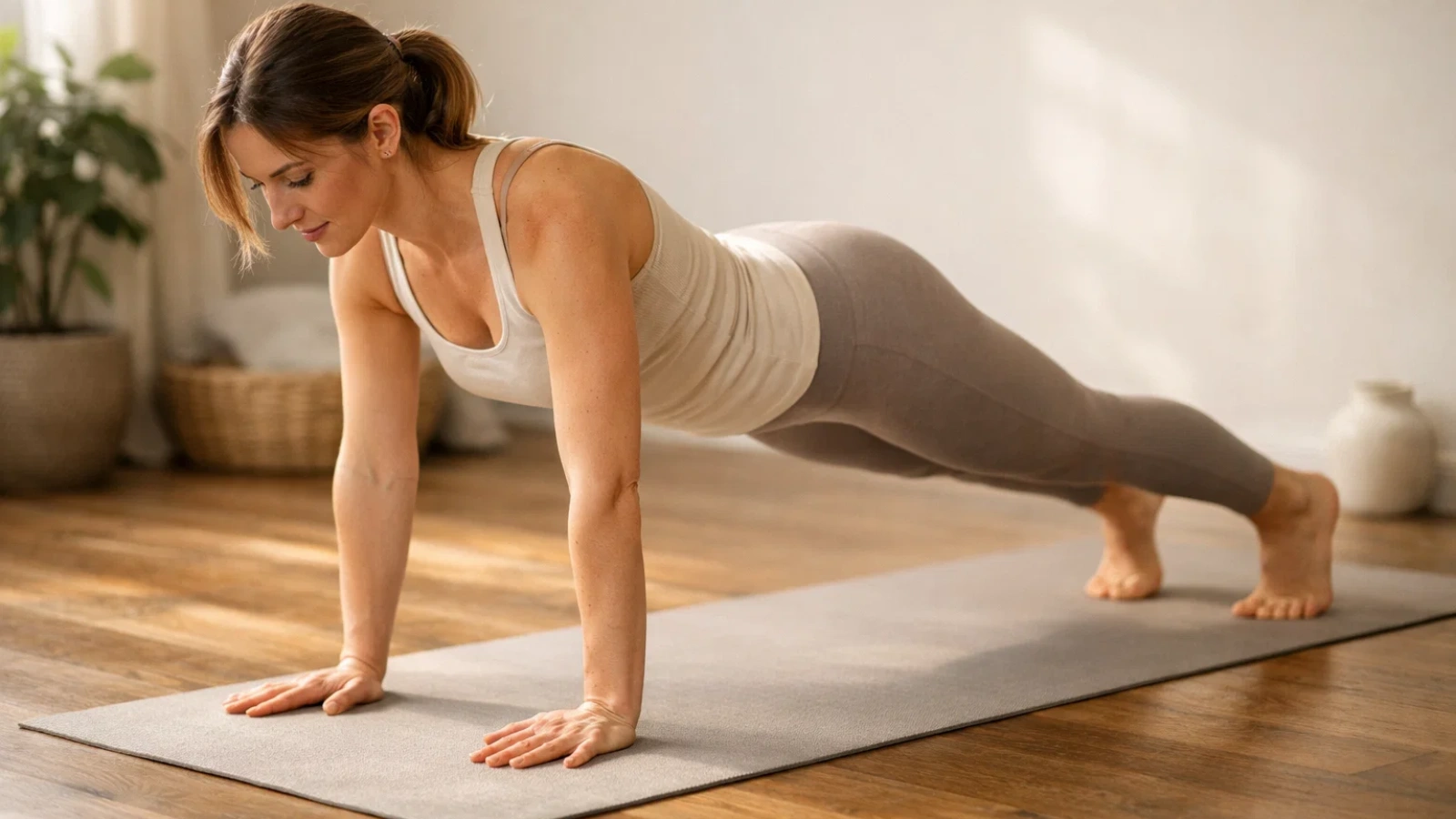
By Day 3, your body is a little more awake and responsive, so this session focuses on improving flexibility and balance.
Don’t worry if you feel tight; that’s completely normal. Flexibility takes time, and yoga exercises are meant to gently push your range of motion without overwhelming your muscles.
You will move into standing poses like Warrior variations, which stretch the legs while also building stability.
These poses open up the hips and improve lower-body mobility, something most beginners struggle with at first.
Triangle Pose adds a deeper stretch along the hamstrings, sides, and spine, while also training your body to maintain alignment.
Balance comes with the Tree Pose.
This is where focus really counts. You might wobble or lose balance a few times, but that’s part of the process. It strengthens the ankles, legs, and core while teaching your body how to stabilize itself.
Since your muscles are still adapting, movements should stay slow and controlled. With each pose, try to relax into the stretch instead of forcing depth. Over time, you will notice your body opening up more naturally.
By the end of Day 3,
You will likely feel more stretched out, taller in posture, and slightly more confident holding standing poses, which sets you up well for the restorative and breath-focused session coming next.
Also Read!
Day 4: Relaxation & Breathing Yoga
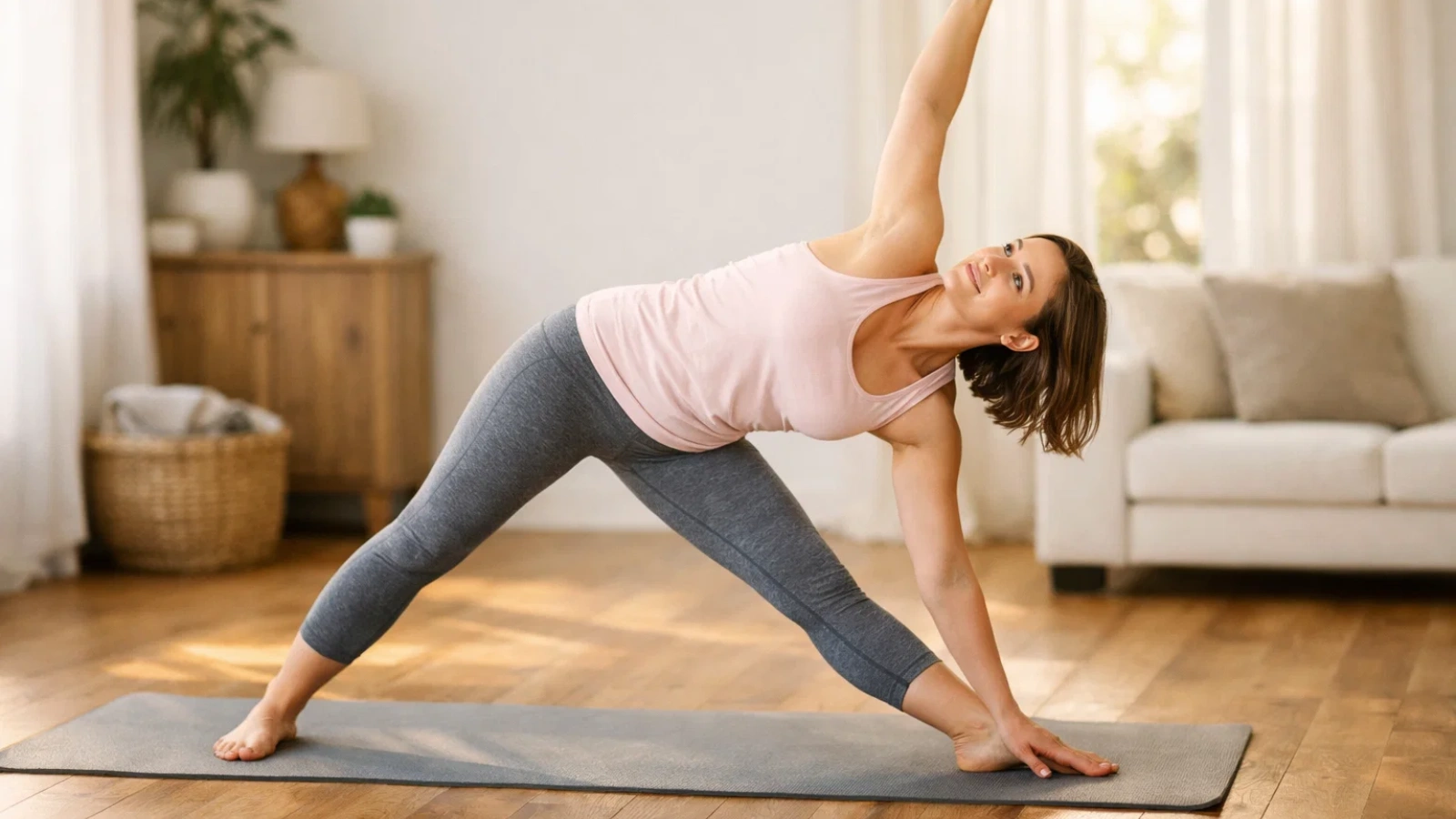
After a few days, Day 4 is all about slowing down and giving your body a break.
This session focuses less on movement and more on relaxation and breathing, which is just as important as the physical poses.
It helps your body recover while calming your mind, especially if you have been feeling slightly sore or tired.
You will spend more time in relaxing poses, such as Legs-Up-The-Wall or gentle, supported stretches that don’t require much effort but still feel deeply.
These poses release stress from your legs and lower back while allowing your body to relax fully. Along with that, simple breathing exercises help slow down your thoughts and bring your focus inward.
The key here is to stay present and breathe steadily. There’s no rush to move from one pose to another. Even a few minutes of stillness can make a big difference in how refreshed you feel. If your mind wanders, that’s normal, just gently bring your attention back to your breath.
By the end of Day 4, you should feel calmer and mentally refreshed.
This recovery day helps reset your energy so you are ready to get back into more strength-focused yoga exercises in the next session.
Day 5: Strength-Building Yoga Workout
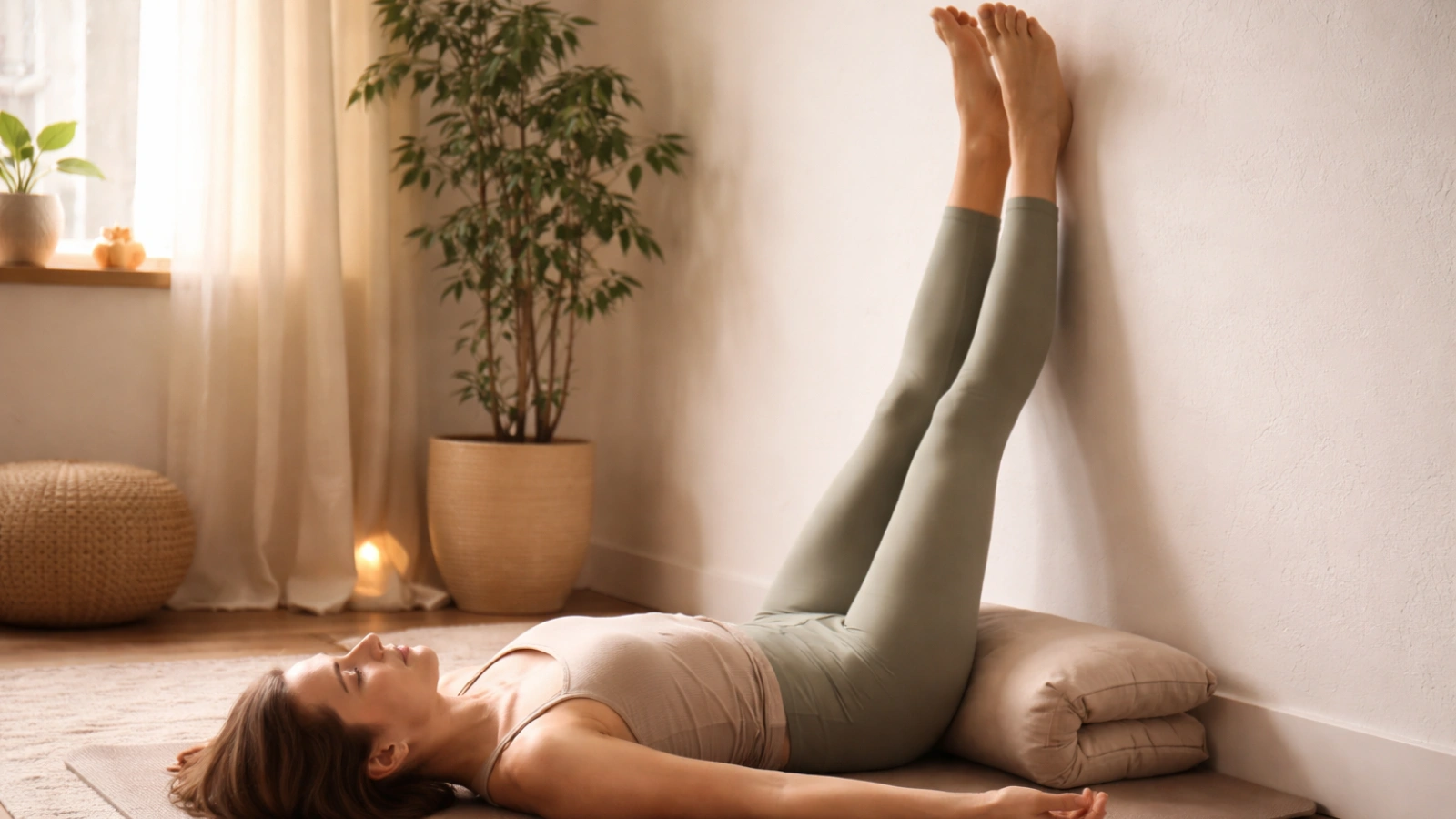
Day 5, your body is more prepared, so this session focuses on building deeper strength, especially in your back, legs, and glutes.
You will move through poses like Cobra, which strengthens the lower back while opening the chest and shoulders.
It is especially helpful if you spend a lot of time hunched over a phone or laptop. Locust Pose builds on that by activating the entire backside of your body, including your glutes and hamstrings. It might feel intense at first, but holding it even briefly makes a difference.
Chair Pose adds a lower-body burn, working your thighs and improving endurance. It also challenges your focus because staying steady in the pose requires both strength and control.
These kinds of posture build stability that supports more advanced movements later on.
Since your muscles have already been stretched and activated over the past few days, this strength session feels more manageable, even if it’s slightly challenging.
End of Day 5, you will likely notice better body control and a stronger posture without needing any heavy workouts or equipment.
Day 6: Full-Body Yoga Exercises At Home
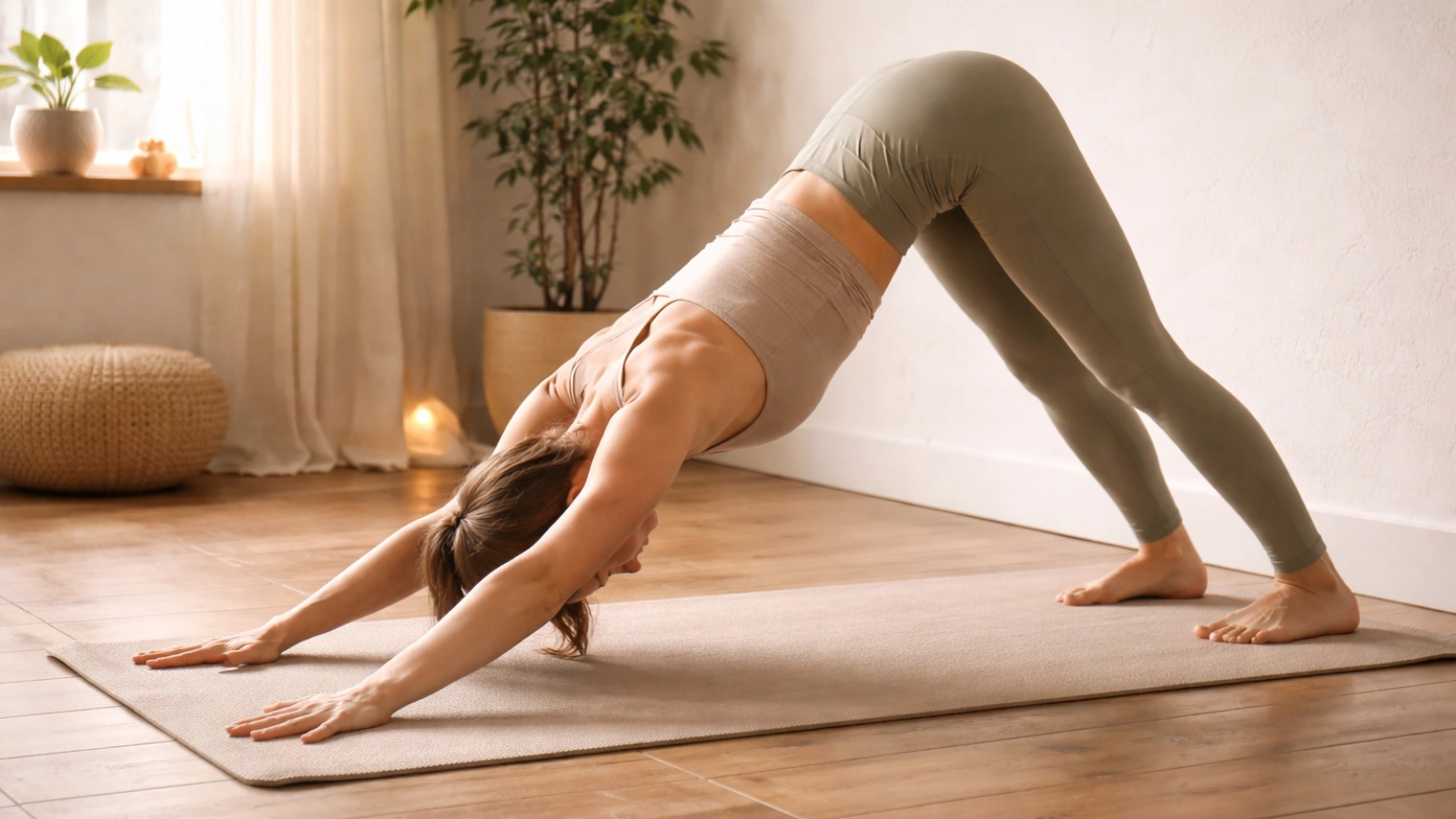
On the 6th day, your body has built enough flexibility and strength to handle a more connected, full-body session.
Practice brings everything together through a smooth flow of movements in sequence.
This style of yoga feels more dynamic because you are transitioning from one pose to another without long breaks in between.
You will move through sequences that include poses like Downward Dog, lunges, and gentle backbends linked together in a steady rhythm.
Sun Salutation variations usually play a big role here, helping you build heat in the body while improving coordination.
This kind of session also improves stamina because your body stays active for a longer stretch of time compared to earlier days. Even though it’s still beginner-friendly, you will notice your heart rate going slightly up and your muscles working more continuously.
By the end of Day 6, you will feel like your entire body got a balanced workout, stretched, strengthened, and energized all at once.
It is a great confidence boost right before you move into the final recovery and mindfulness session of the challenge.
Day 7: Recovery & Mindfulness
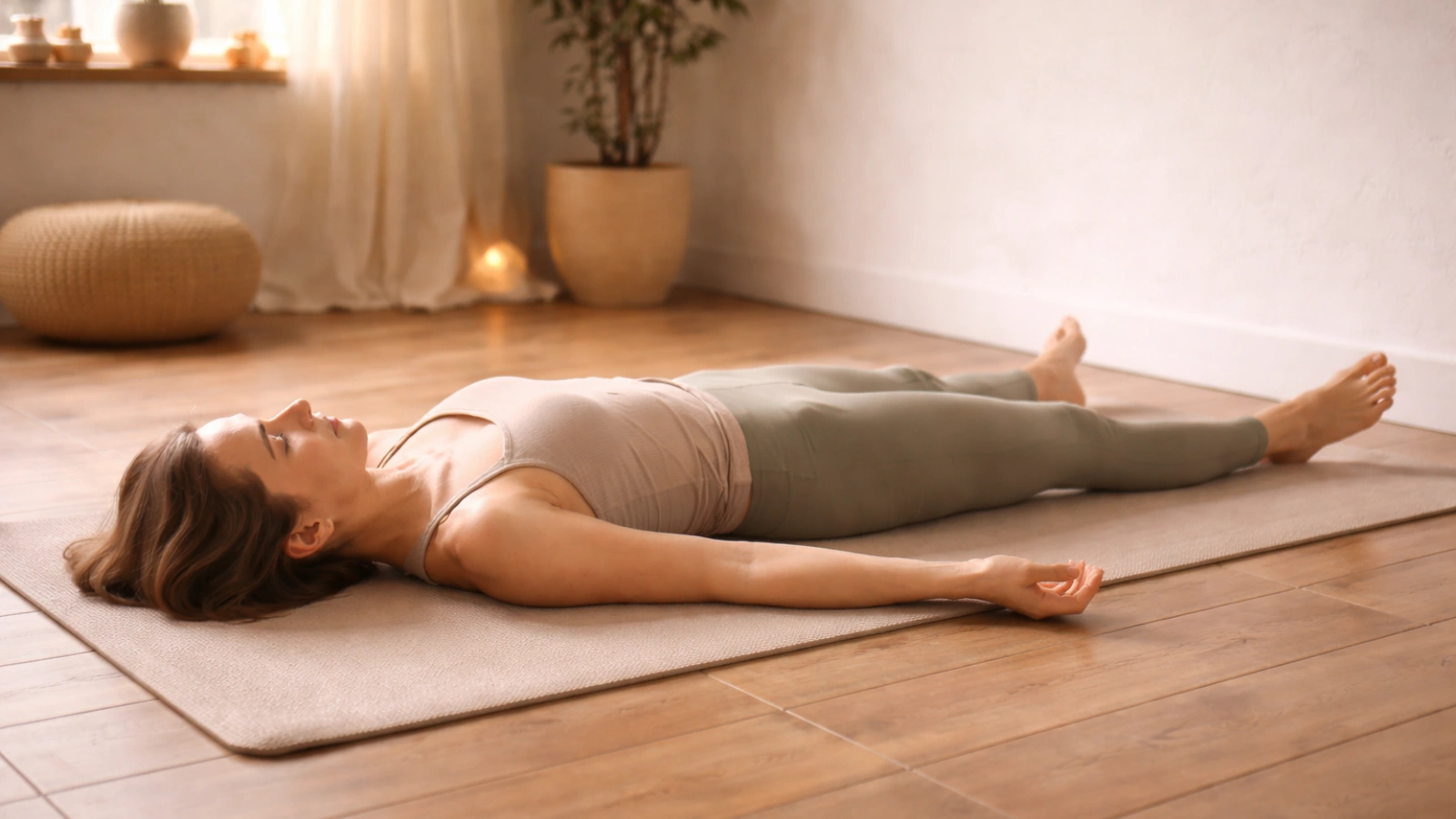
Congratulations, you made it to Day 7, and this session is all about slowing down and letting your body absorb everything you practiced throughout the week.
You will move into deeply relaxing poses like Supine Twists, which help release tension from the spine and waist, especially after the strength and flow work from previous days. Happy Baby Pose is another light, restorative posture that opens the hips and lower back in a very soothing way. None of these movements requires effort; they’re meant to feel calming and supportive.
The session usually ends with Savasana, where you simply lie down and allow your entire body to rest. This might look easy, but it plays a big role in helping your muscles recover and your mind settle. Adding a few minutes of quiet breathing or gratitude reflection can make the experience feel even more grounding.
By the end of Day 7, you will likely notice how much more aware you feel of your body compared to Day 1. Even if the changes feel small, completing seven days of consistent yoga exercises is a solid achievement and a strong foundation you can keep building on.
Track Your Progress With A Calorie Tool
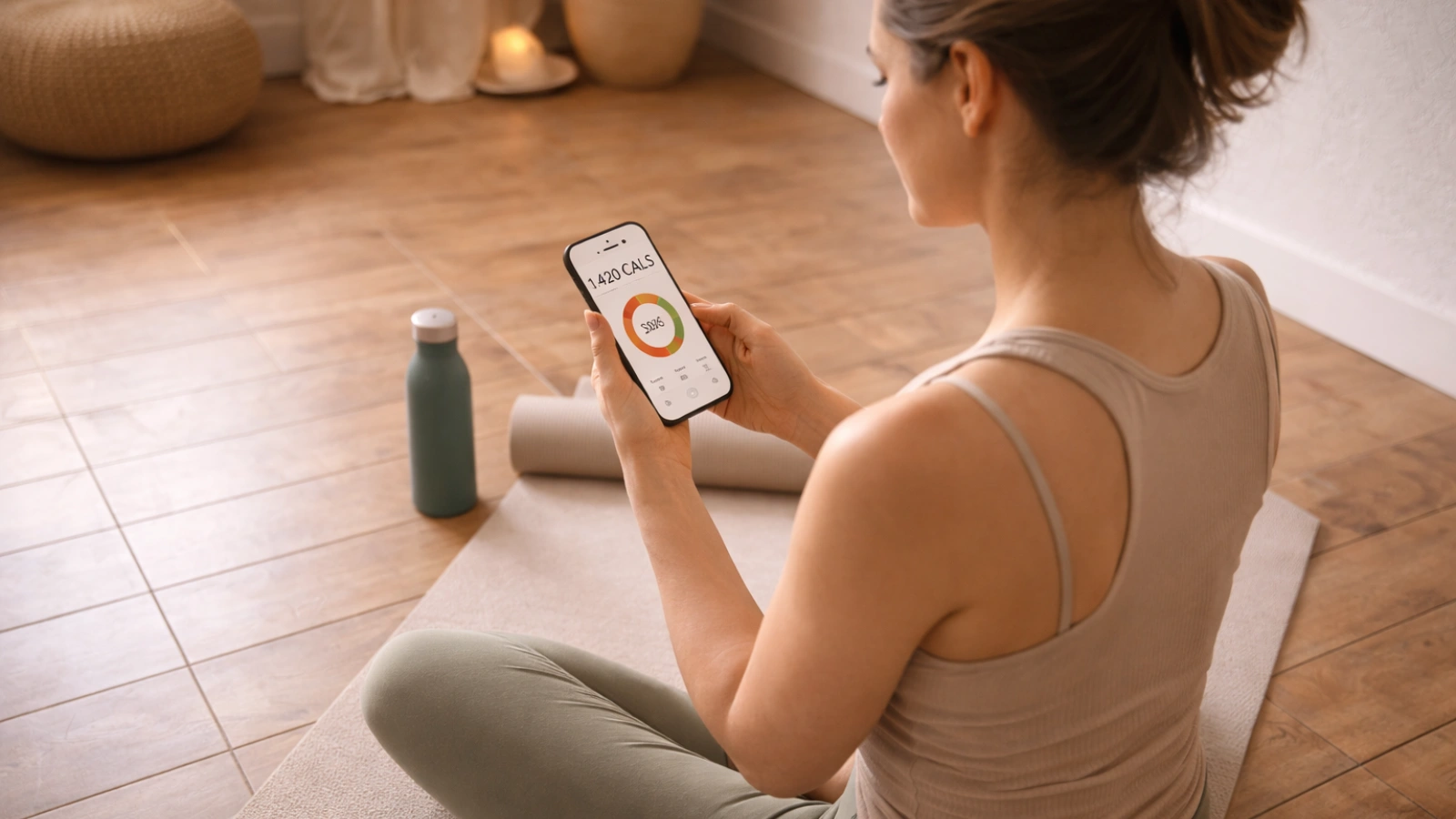
Along with doing yoga exercises daily, keeping an eye on your nutrition can level up your results even more. That’s where a simple tool called Calorie Tracker Buddy helps beginners to understand how many calories they are consuming and burning.
If your goal with this 7-day challenge is to feel fitter, lose weight, or just build healthier habits, tracking your daily intake can give you a clearer view of your progress.
One of the best parts is how beginner-friendly it feels. You don’t need deep nutrition tips knowledge to use it.
The interface is simple, so you can quickly scan foods, check calories, and adjust your diet based on your activity level.
It works well alongside yoga because it helps balance movement with mindful eating.
Key Features Of Calorie Tracker Buddy
- Easy daily calorie tracking
- Meal logging in a few clicks
- Beginner-friendly dashboard
- Helps support weight and fitness goals
- Works well with home workout routines like yoga
If you like measuring progress beyond just flexibility and strength.

Conclusion
Starting yoga does not have to be complicated, and this 7-Day Beginner Yoga Exercises Challenge proves exactly that. With just a small time commitment each day, you gave your body the chance to stretch, strengthen, and slow down in a way that feels manageable and realistic at home.
Over these seven days, you moved from gentle stretches to strength, flexibility, flow, and finally recovery. Even if the progress feels small, building the habit of showing up on your mat is a big win in itself. That consistency is what turns basic yoga into a long-term lifestyle.
If you want to continue, you can repeat this challenge, extend your practice time, or explore more yoga workouts for beginners based on your comfort level. Pairing your routine with mindful nutrition and progress tracking can also help you stay more aware of your overall wellness journey.
The most important thing is to keep it simple, stay patient with your body, and enjoy the process. Roll out your mat, breathe deeply, and keep moving forward, one session at a time.
Frequently Asked Questions (FAQs)
Do I need to be flexible before starting yoga exercises?
Not at all. Flexibility is something you build over time through regular practice. Most beginners start yoga because they feel stiff, not because they are already flexible. Consistency is really more important than how far you can stretch on Day 1.
Can I do this 7-day yoga challenge if we have never worked out before?
Yes, this challenge is designed for complete beginners, even if you have no workout background. The routines focus on simple, low-impact movements that help your body gradually adapt without feeling overwhelmed.
How long should each yoga session take?
You can keep each session between 15 and 25 minutes. If you have more time, you can extend relaxation or repeat certain poses, but even short sessions are effective when done daily.
Should I eat before or after doing yoga at home?
It’s generally better to practice yoga on an empty stomach. If you have had a heavy meal, wait at least 2–3 hours. Light snacks like fruit can be taken 30–45 minutes before if needed.
What should I wear for beginner yoga workouts?
Comfortable, stretchable clothing works best. You don’t need branded yoga outfits, just clothes that allow free movement without feeling too tight or restrictive.