



You’ve bought the gym membership, watched every workout video on your feed, and told yourself, “This time will be different.” Yet the results never quite show up. So you start wondering: is hiring a fitness trainer the missing piece, or just another expense you’ll regret?
It’s a fair question. A trainer costs real money, and nobody wants to pay for something they could have figured out on their own. But the answer isn’t the same for everyone. It depends on your goals, your discipline, your budget, and how much guidance you actually need right now.
This guide walks through what a trainer does, when the investment pays off, when it doesn’t, and how to choose one if you decide it’s the right move for you.
Read Aloud!
Is a Fitness Trainer Worth It?
Yes, for most people who are new to structured exercise, recovering from injury, or stuck despite months of effort. A good trainer speeds up progress, corrects mistakes early, and keeps you showing up on the hard days.
If you’re already experienced, self-motivated, and know how to program your own workouts, you may not need one full-time. Some people benefit more from occasional check-ins than ongoing sessions.
What Does a Fitness Trainer Actually Do?

A lot of people picture a trainer standing there counting reps. That’s a small part of the job. The real work happens before and after the set.
Beyond Counting Reps
A skilled fitness trainer watches how your body moves, notices fatigue patterns, and adjusts intensity in real time. That kind of feedback loop is hard to replicate on your own in front of a mirror.
Creating Personalized Workout Plans
Generic programs assume everyone has the same schedule, joints, and recovery ability. A trainer builds around your actual life, not an average.
Improving Exercise Form
Small form errors compound over months. A rounded back on a deadlift or a caved-in knee on a squat might feel fine today and cause pain later. Catching it early matters more than people realize.
Keeping You Accountable
This is where personal training earns its reputation. Knowing someone is expecting you at 6 a.m. changes behavior in a way that willpower alone often doesn’t.
The Biggest Benefits of Hiring a Fitness Trainer
The value goes beyond a tighter workout plan. Here’s what tends to shift once someone starts working with a trainer consistently.
Reach Goals Faster
Trial and error is slow. A trainer skips the guesswork by applying methods that already work for people with similar goals.
Reduce Injury Risk
Bad form under heavy load is one of the fastest ways to get hurt. Correcting it early protects your long-term training career, not just this week’s session.
Improve Consistency
Missing a session feels different when someone is expecting you. That single shift in accountability often does more for results than the exercises themselves.
Build Confidence in the Gym
New equipment and unfamiliar movements can be intimidating. A trainer removes that hesitation, which makes people far more likely to actually show up.
Get Expert Feedback
You can’t always feel what you’re doing wrong. An outside eye catches things your own perspective misses.
When a Fitness Trainer Is Absolutely Worth It
Certain situations make hiring a fitness trainer an easy call rather than a gamble.
- Complete beginners who don’t know where to start
- Weight loss goals that need structure and accountability
- Muscle building, where progressive overload must be tracked precisely
- Injury recovery, where movement needs careful supervision
- Busy professionals who need efficient, no-wasted-time sessions
- Event preparation, like a wedding or competition, with a hard deadline
In each case, the cost of guessing wrong (through injury, wasted months, or lost motivation) usually outweighs the price of guidance.
Read More!
When You Probably Don’t Need a Fitness Trainer
Hiring a trainer isn’t automatically the smarter choice for everyone. A few honest exceptions exist.
If you’ve trained for years and understand programming, form, and recovery, you likely already have what a trainer would teach. Strong self-discipline changes the math, too. Someone who shows up on their own doesn’t need to pay for accountability; they already have.
Budget constraints matter as well. A short-term coaching block to learn the basics, followed by independent training, often gives most of the benefit without the ongoing cost.
Fitness Trainer vs DIY Workouts: Which Gives Better Results?
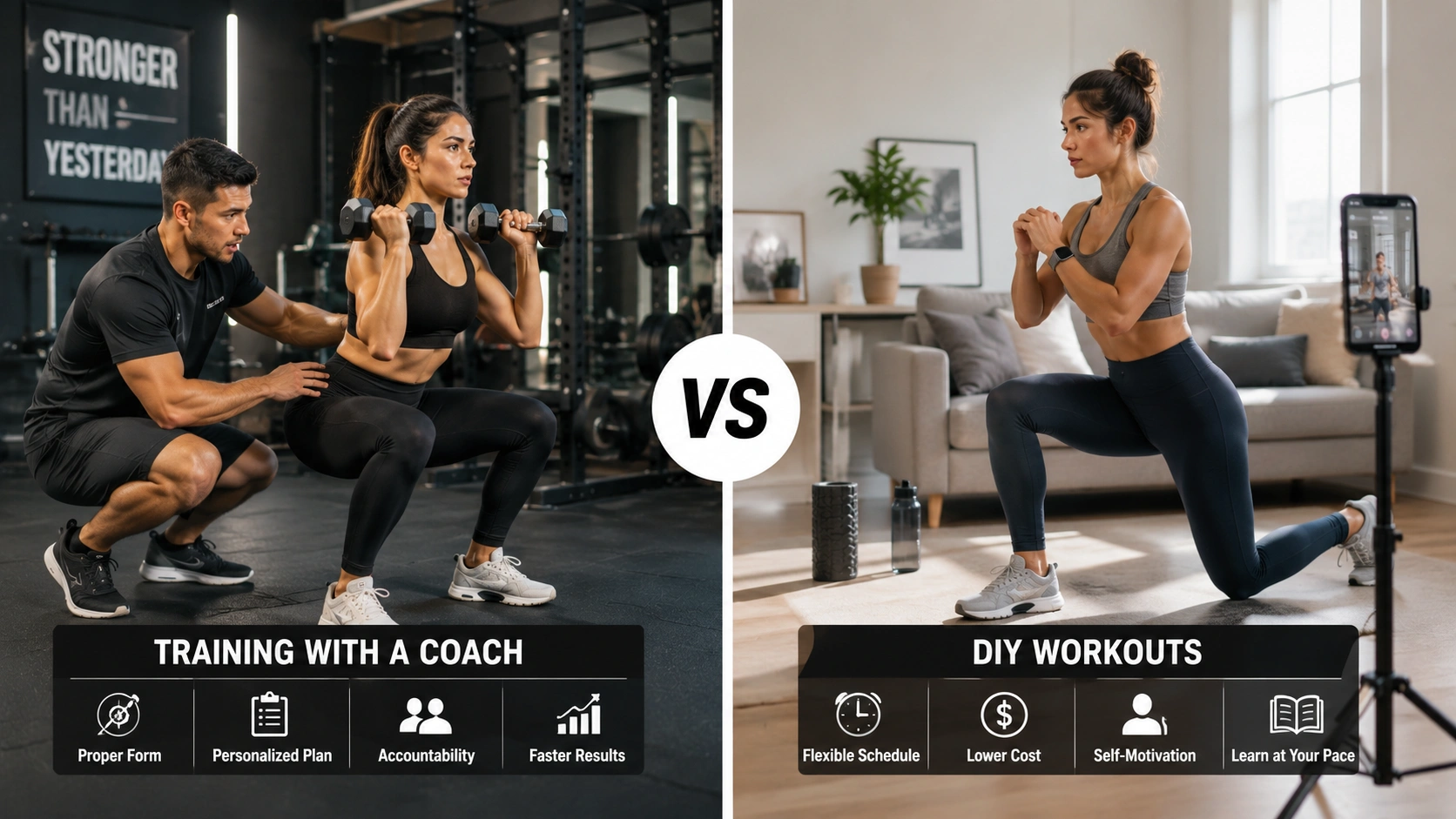
Neither option is universally better. Someone doing personal fitness training with expert supervision often progresses faster early on, while a disciplined DIY approach can match those results over a longer timeline.
Online vs In-Person Fitness Trainer
Coaching formats have changed a lot. Personal training online has grown quickly, and it’s worth comparing against the traditional model before choosing.
Pros
Online coaching is flexible, often cheaper, and works around any schedule. In-person sessions offer hands-on correction and real-time supervision that a screen can’t fully match.
Cons
Without a camera catching every angle, form errors can slip through in online coaching. In-person sessions cost more and require travel to a set location.
Who Should Choose Each?
Beginners with form concerns tend to do better starting in a personal training gym, where corrections happen live. Experienced lifters who mainly need programming and accountability often do just fine online.
How to Choose the Right Fitness Trainer
Picking the wrong trainer wastes both money and motivation. A short screening process avoids most regrets.
Check Certifications
Look for recognized credentials from established bodies like NASM or ACSM. Certification alone doesn’t guarantee quality, but its absence is a red flag.
Look for Experience
Ask how long they’ve worked with clients who share your goals. Someone who mainly trains athletes may not be the right fit for post-injury recovery.
Ask About Progress Tracking
A fitness trainer worth hiring should track more than how you feel. Numbers, measurements, and performance benchmarks matter.
Communication Style
Some people need tough love. Others need patience and encouragement. Mismatched communication styles quietly ruin otherwise good coaching relationships.
Read Reviews
Past client feedback reveals patterns a sales pitch won’t show you.
Questions to Ask Before Hiring
Ask about their approach to injuries, how they adjust plans when progress stalls, and what a typical week of check-ins looks like.
Common Mistakes People Make When Hiring a Fitness Trainer
Even motivated people get this wrong sometimes.
Choosing based purely on price often backfires, since the cheapest option isn’t always the most qualified. Ignoring certifications is another common shortcut that leads to poor guidance. Expecting instant results sets people up for disappointment within the first month. Not clearly communicating goals leaves the trainer guessing. And depending completely on a trainer, without ever learning the “why” behind the plan, delays independence later on.
Why Tracking Your Progress Matters More Than Motivation
Motivation fades. It always does, for everyone, eventually. What keeps people going long after the initial excitement is evidence that something is working.
This is basic behavior psychology. Small, visible wins reinforce habits far better than vague feelings of effort. Data-driven progress, like strength numbers going up or measurements shrinking, gives the brain proof to hold onto.
That’s why consistency built on tracking tends to outlast consistency built on willpower alone. Measurable improvement is what keeps people showing up in month four, not just week one.
Track Your Fitness Journey Smarter with Calorie Tracker Buddy
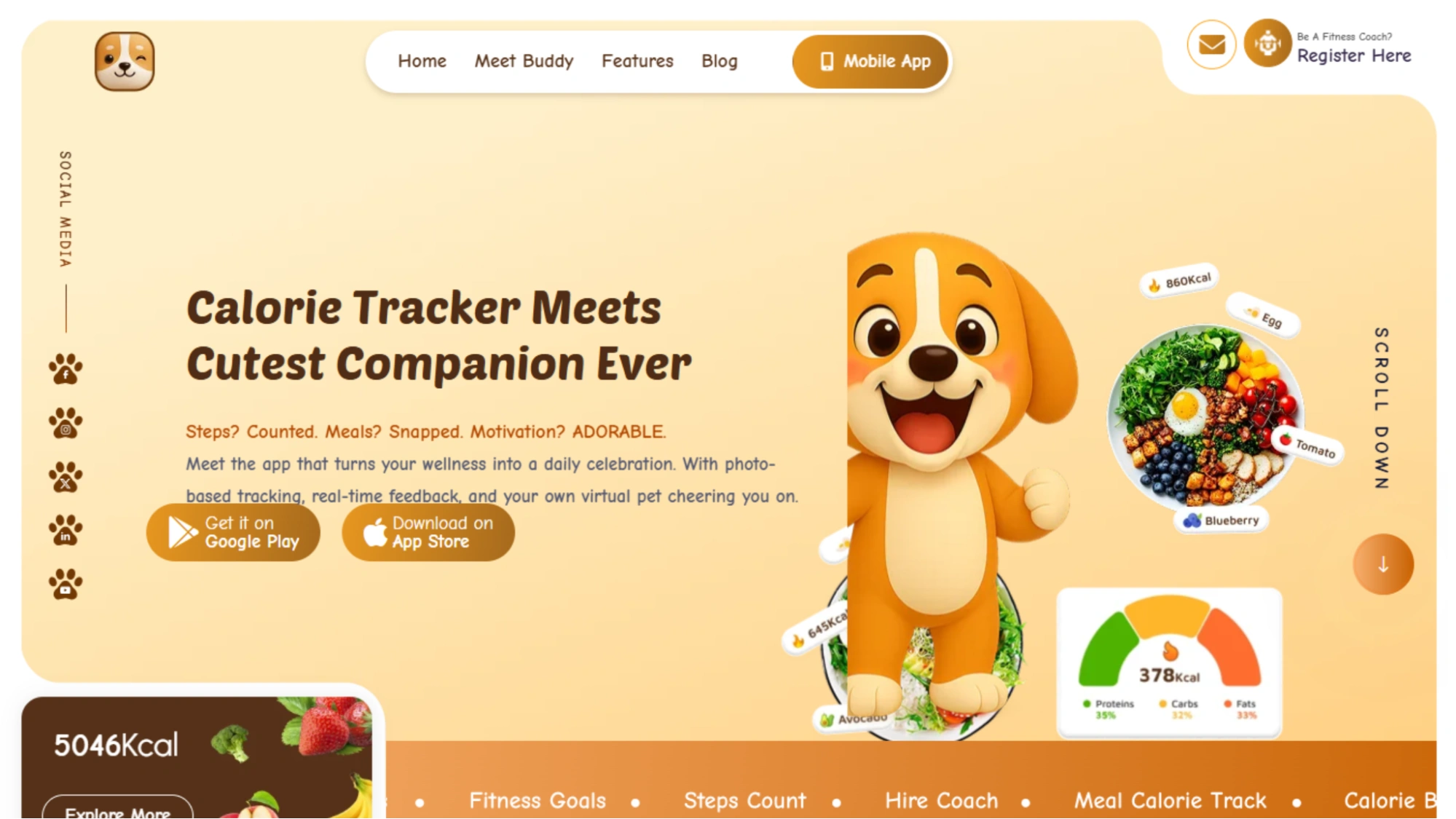
Hiring a fitness trainer can accelerate your progress, but lasting results also depend on staying consistent with your nutrition and daily habits. Calorie Tracker Buddy helps you monitor what you eat, track your progress, and stay aligned with your fitness goals between training sessions.
Features of Calorie Tracker Buddy
- Calorie Tracking: Log meals quickly and monitor your daily calorie intake to stay within your target.
- Personalized Goal Setting: Set custom calorie and nutrition targets based on your fitness objectives and activity level.
- Progress Monitoring: View your calorie trends, weight changes, and goal progress with easy-to-understand charts and insights.
- Extensive Food Database: Search from a large library of foods and meals for faster, more accurate meal logging.
Conclusion: A Fitness Trainer Is an Investment, If You Use It Well
A fitness trainer isn’t a shortcut that replaces effort. It’s a tool that removes guesswork, corrects mistakes early, and keeps you accountable when motivation runs low. Beginners, people recovering from injury, and anyone chasing a specific deadline tend to see the clearest return.
If you’re disciplined and experienced, the value drops, and independent training might serve you just as well. The right choice depends on your goals, your budget, and how much guidance you genuinely need right now.
Whichever path you choose, pairing it with consistent tracking, whether through a trainer’s system or an app like Calorie Tracker Buddy, gives you the clearest picture of what’s actually working.
Frequently Asked Questions
Is a fitness trainer worth it for beginners?
Yes. Beginners benefit the most from early guidance on form, structure, and realistic goal-setting.
Can I lose weight without a fitness trainer?
Absolutely, with enough research, discipline, and consistency. A trainer simply shortens the learning curve.
How often should I meet a fitness trainer?
Two to three sessions a week is common for beginners, tapering as independence grows.
Are online fitness trainers effective?
Yes, especially for people who already understand basic form and mainly need programming and accountability.
How do I know if my trainer is good?
Look for measurable progress, clear communication, and adjustments based on how your body responds over time.