


Every week, someone tells me they stopped eating bananas, apples, or mangoes because they want to lose weight. They heard fruit has “too much sugar,” so it must be the reason progress stalled. Meanwhile, the real problem is usually overeating processed snacks, liquid calories, and inconsistent habits.
As a trainer, I have seen this mistake for years. People remove one of the easiest, healthiest foods to include in a calorie deficit while keeping the habits that actually slow fat loss. Fruit is packed with fiber, water, vitamins, and natural sweetness that can reduce cravings and help you stay full longer.
The truth is simple: the right fruits for weight loss can make dieting easier, not harder. When used strategically, fruit becomes a smart tool for appetite control, better nutrition, and long-term consistency.
In this guide, I’ll break down the best fruits for weight loss, the options to moderate, how to eat them for better results, and the most common questions people ask before adding fruit back to their plan.
Listen To The Podcast Now!
Why Fruit Supports Weight Loss (When Used Right)
 Before we get into the specific list, let me explain the mechanism. Because understanding why something works is what makes you actually use it consistently.
Fruit supports weight loss for several interconnected reasons.
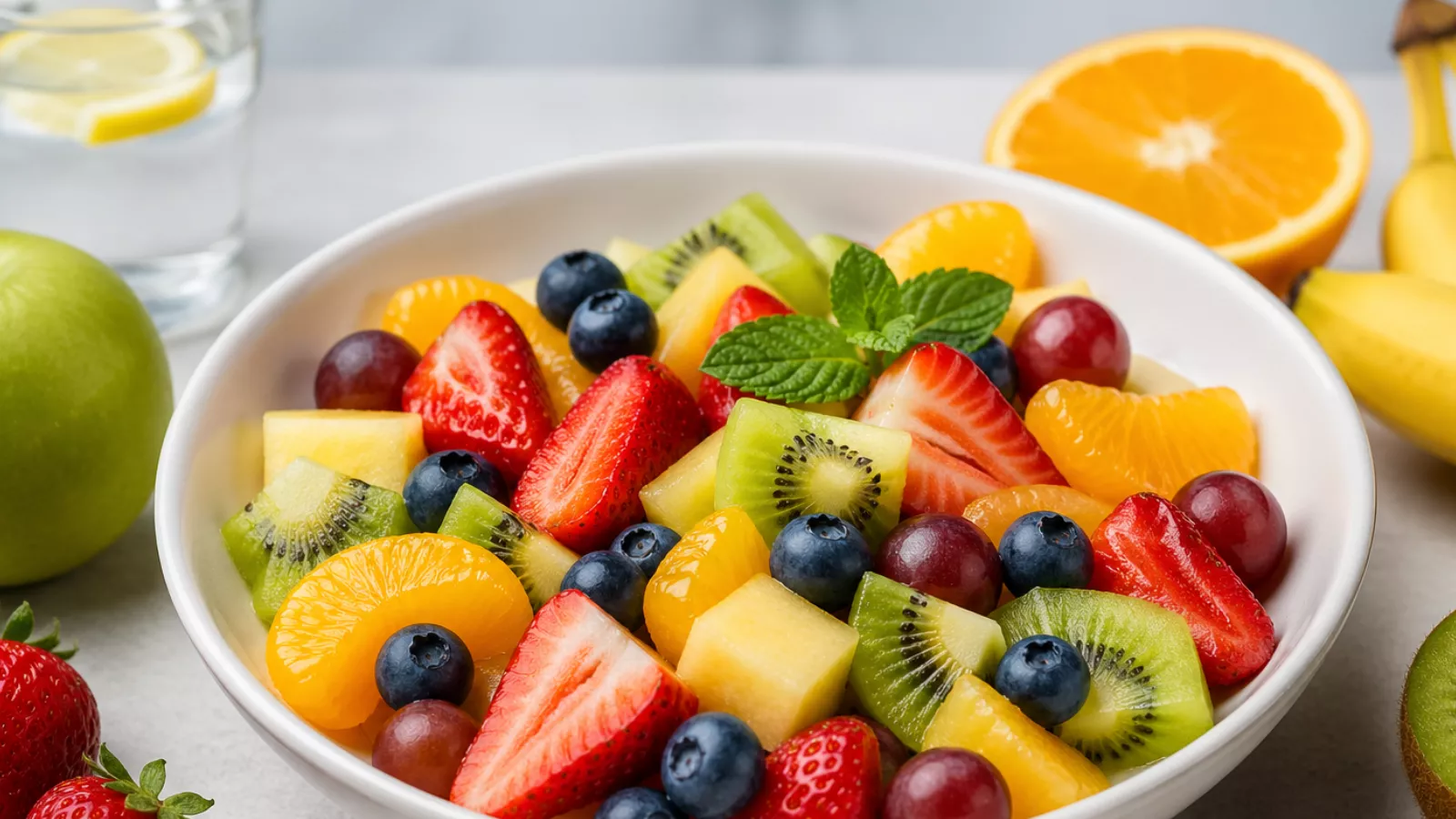
Fiber keeps you full. Most fruits are rich in dietary fiber, which slows digestion, blunts blood sugar spikes, and extends the feeling of satiety after eating. When you feel full longer, you eat less overall without consciously restricting yourself. That is a significant advantage during a calorie deficit.
High water content means high volume, low calories. Many fruits are 80 to 90 percent water by weight. This means you can eat a large physical volume of food for a relatively small calorie cost. Eating 300 grams of watermelon, for example, costs you roughly 90 calories. Try getting that level of physical fullness from 90 calories of crackers.
Natural sugars are not the same as added sugars. The fructose in whole fruit comes packaged with fiber, water, vitamins, and minerals that dramatically change how your body processes it. Eating an apple is nothing like drinking apple juice or eating a candy bar. The whole food matrix slows absorption and prevents the blood sugar spike and crash cycle that drives cravings.
Micronutrients support metabolism. Vitamins like C and B-complex, along with minerals like potassium and magnesium, play active roles in energy metabolism. Being deficient in these nutrients can impair your body’s ability to burn fat efficiently. Fruit is one of the easiest ways to cover these micronutrient bases.
The Best Fruits For Weight Loss
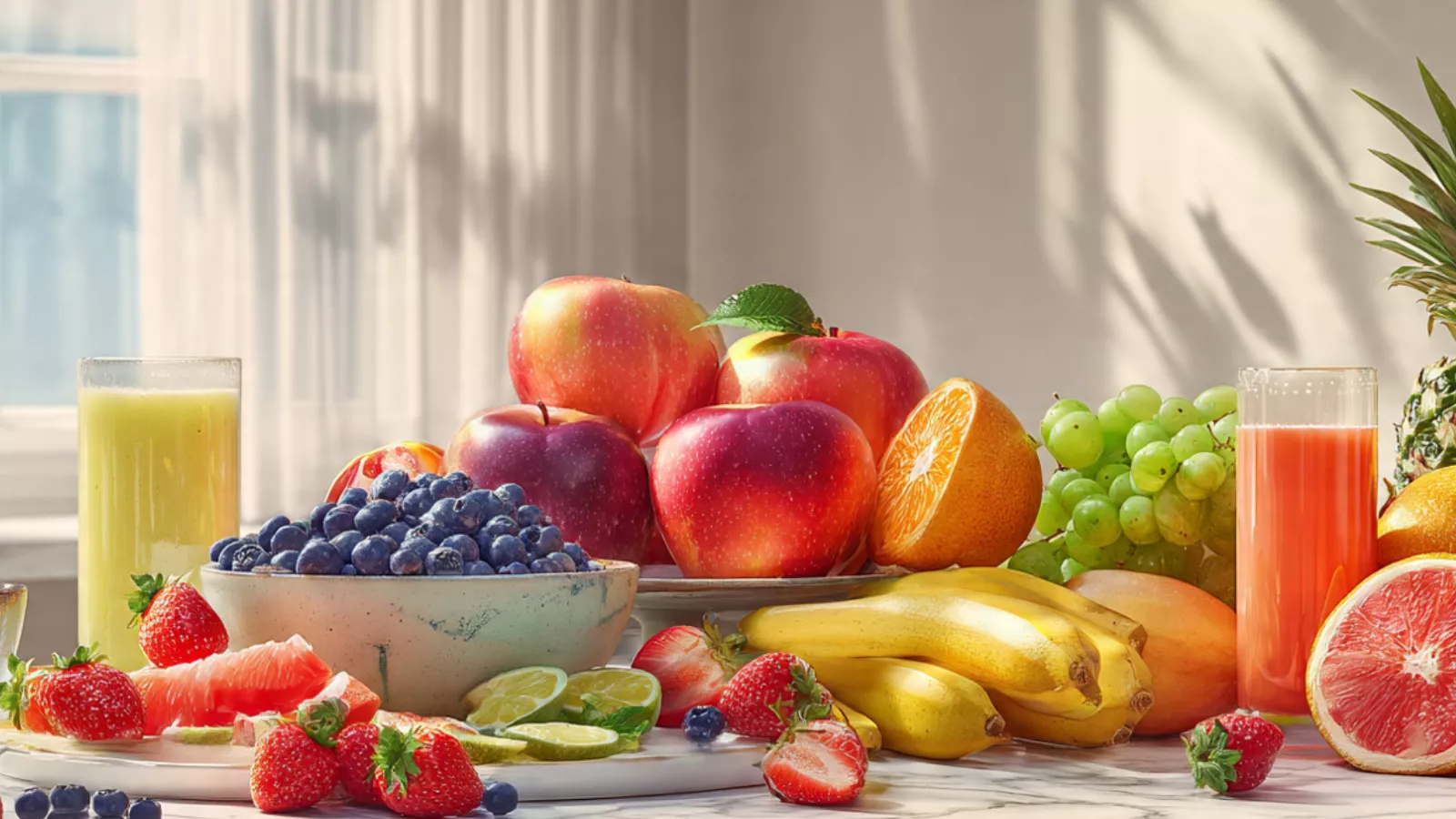
Here are the fruits I recommend most consistently to my clients, and the specific reasons each one earns its place on the list.
1. Apples
If there is one fruit I would put in every weight loss plan without hesitation, it is apples. They are low in calories (around 95 for a medium apple), high in fiber, and contain pectin, a specific type of soluble fiber that has been shown to reduce bad cholesterol levels and help control blood sugar.
The blood sugar stabilization piece is particularly important. When your blood sugar stays steady, your hunger signals stay manageable. You are less likely to reach for something you should not be eating when you are not riding the spike-and-crash rollercoaster. Apples are genuinely one of the best fruits for weight loss because of how effectively they keep cravings at bay.
Eat them whole, never juiced. The fiber is in the flesh and the skin, and juicing strips most of it out.
2. Blueberries
One cup of blueberries contains just 80 calories and 4 grams of fiber. For a fruit that tastes like dessert, that is an exceptional nutritional profile.
But the real headline with blueberries is their antioxidant content. The specific antioxidants in blueberries have been linked to reduced inflammation and improved metabolic function. Chronic low-grade inflammation is increasingly recognized as a contributor to weight gain and difficulty losing fat, so eating anti-inflammatory foods regularly matters more than most people realize.
Blueberries are also incredibly versatile. Throw them in Greek yogurt, blend them into a post-workout smoothie, or eat them straight. There is no wrong answer.
3. Grapefruit
Grapefruit has been associated with weight loss in research for decades, and there is genuine science behind the reputation. It is low in calories, high in water content, and its vitamin C content actively supports metabolic function and fat oxidation.
One important note I always give my clients: grapefruit and grapefruit juice can interact negatively with certain medications, including some statins, blood pressure medications, and others. If you are on any prescription medication, check with your doctor before making grapefruit a daily habit. This is not a reason to avoid it entirely, just a reason to check first.
For those without medication interactions, grapefruit is among the good fruits for weight loss that genuinely earn their reputation.
4. Bananas
Bananas get unfairly vilified in weight loss conversations because of their carbohydrate content. Here is the reality: a medium banana contains about 105 calories and is one of the most nutrient-dense portable foods you can carry.
Bananas are rich in potassium, which supports healthy metabolism and muscle function, which matters for anyone who is training alongside their fat loss efforts. They also contain resistant starch, particularly when slightly underripe, which feeds beneficial gut bacteria, promotes healthy digestion, and reduces how many calories your body actually absorbs from the meal.
Bananas are excellent pre-workout fuel and a smart addition to recovery smoothies. The key with bananas, as with all fruit, is context and portion. One banana is a great choice. Four bananas in a sitting is a different conversation.
Also Read
How To Include Bananas In A Balanced Diet?
What Is The Best Diet Plan For Weight Loss Results?
5. Strawberries
Strawberries are remarkably low in calories (around 50 calories per cup) while delivering meaningful amounts of fiber and a substantial dose of vitamin C. The fiber keeps you satisfied between meals, and the vitamin C supports your metabolism and your immune system simultaneously.
What I love about recommending strawberries to clients is how satisfying they feel psychologically. When someone is in a calorie deficit and craving something sweet, a bowl of strawberries feels like a treat. That psychological satisfaction is genuinely underrated in long-term diet adherence. Sustainable fat loss is as much about psychology as biology.
6. Watermelon
Watermelon is about 92 percent water, which makes it one of the highest-volume, lowest-calorie foods you can eat. A large serving fills you up, keeps you hydrated, and barely registers on your daily calorie budget.
Beyond the water content, watermelon contains vitamins A and C and an amino acid called L-citrulline, which supports circulation and helps reduce exercise fatigue. For clients who are combining diet with training, that reduced fatigue translates to better workouts and more calories burned over time.
Watermelon is seasonal in most regions, but when it is available, it is one of the best fruits for weight loss during summer months when fresh, cold, high-volume food is exactly what you want.
7. Oranges
Whole oranges (not juice, always whole) deliver fiber, vitamin C, and soluble fiber that slows digestion and prevents blood sugar spikes. The combination of high water content and fiber makes them surprisingly filling relative to their calorie cost.
One thing I emphasize repeatedly with clients: eat the orange, do not drink it. A glass of orange juice can contain the sugar equivalent of three or four oranges with almost none of the fiber. The fiber is what makes the fruit work for weight management.
8. Pineapple
Pineapple is high in fiber, relatively low in calories, and contains bromelain, an enzyme that has been linked to improved digestion and reduced inflammation. Its high water content also contributes to hydration, which is consistently underestimated as a factor in successful weight loss.
Proper hydration supports metabolism, reduces false hunger signals (thirst is frequently misread as hunger), and improves every aspect of physical performance. Foods with naturally high water content, like pineapple, contribute meaningfully to daily hydration targets.

5 Fruits to Avoid for Weight Loss (Or at Least Moderate)
This section needs some nuance. No whole fruit is truly “bad” for weight loss. But some fruits are significantly higher in calories and sugar than others, and if you are in a strict calorie deficit, being aware of which ones to moderate is genuinely useful. Here are the 5 fruits to avoid for weight loss in excess:
Dried fruits (raisins, dates, dried mango): The dehydration process concentrates calories and sugar dramatically. A small handful of raisins contains the same sugar as a large bunch of grapes, but none of the water that would make you feel full.
Fruit juices: Not technically a whole fruit, but worth mentioning because people treat them as equivalent. They are not. Juice removes fiber and concentrates sugar.
Mangoes: Delicious and nutritious, but higher in natural sugar than most fruits. Fine in moderation, worth watching portion size if you are tracking carefully.
Grapes: Similar situation to mangoes. Easy to overeat because they are small and sweet, and the calories add up faster than people expect.
Avocados: Yes, technically a fruit. Nutritionally excellent, but calorie-dense due to healthy fat content. Portion awareness matters here more than with other fruits.
None of these need to be eliminated. The word “avoid” in 5 fruits to avoid for weight loss really means moderate and be mindful of portions.
How to Actually Use Fruit in a Weight Loss Diet
Knowing what are the best fruits for a weight loss diet are is one thing. Knowing how to use them is what actually produces results.
Eat fruit whole, always. Juicing strips fiber and concentrates sugar. Blending retains fiber. Eating whole fruit is best.
Use fruit to replace processed snacks. Instead of reaching for a biscuit or a handful of crisps at 3pm, have an apple or a bowl of blueberries. You will consume fewer calories and feel just as satisfied.
Time fruit strategically around training. The natural carbohydrates in fruit make it excellent fuel before a workout and a useful recovery tool after one. A banana 45 minutes before the gym is a smart choice.
Pair fruit with protein. Fruit with Greek yogurt, cottage cheese, or a small handful of nuts slows digestion further and extends satiety significantly.
Track portions during a strict deficit. Fruit is healthy, but calories still count. If you are in an aggressive cut, tracking your fruit intake alongside everything else is worth doing.
Knowing the right fruits is only half the equation. The real results come from tracking portions, calories, and consistency day after day, which is where smart tools can make the process much easier.
Track Every Bite Smarter with Calorie Tracker Buddy
 Knowing which fruits support fat loss is powerful, but knowing how they fit into your daily calories is what creates real progress. That’s where Calorie Tracker Buddy becomes your personal nutrition sidekick.
Instead of guessing portions or wondering whether that banana or bowl of grapes fits your goal, Calorie Tracker Buddy helps you stay clear, consistent, and motivated every single day.
Why Calorie Tracker Buddy Works
Snap the Meal
Simply take a photo of your food and get an instant estimate of calories, nutrients, and meal balance. No manual logging struggles.
Calorie Intake Tracker
Track everything you eat in seconds and understand how fruits, snacks, and meals contribute to your daily target.
Calorie Burn Tracker
From gym sessions to daily chores, monitor calories burned through movement and stay aware of your full energy balance.
Goal Predictions
Want to know if today’s choices move you closer to weight loss? Buddy shows how each meal impacts your progress.
Buddy Motivation
Healthy habits feel easier when you’re encouraged daily. Your virtual buddy grows as you stay consistent.
Social Sharing
Proud of your healthy fruit bowl or progress streak? Share milestones with friends and keep motivation high.
Perfect for This Fruit Strategy
Use Calorie Tracker Buddy to compare apples vs bananas, track portion sizes, log fruit snacks, and stay in a calorie deficit without stress.
Start Winning with Better Awareness
The best diet plan is the one you can sustain. Calorie Tracker Buddy helps turn smart fruit choices into visible results, one meal at a time.
FAQs
Q1. What are the best fruits for weight loss for beginners just starting out? Start with apples, blueberries, and strawberries. All three are low in calories, high in fiber, widely available, and versatile enough to fit into almost any eating pattern. They are the most consistently useful fruits for weight loss across all my clients.
Q2. Can eating good fruits for weight loss every day actually make a difference? Absolutely. Replacing processed snacks with whole fruit daily reduces calorie intake, increases fiber, and improves micronutrient status simultaneously. Over weeks and months, those daily swaps compound into meaningful results.
Q3. What are the 5 fruits to avoid for weight loss completely? No fruit needs to be completely avoided. The ones to moderate are dried fruits, fruit juices, mangoes, grapes, and avocados due to higher calorie or sugar density. Moderation is the keyword, not elimination.
Q4. Is fruit sugar the same as candy sugar when it comes to weight loss? No, and this distinction matters enormously. Fruit sugar comes packaged with fiber, water, and micronutrients that fundamentally change how your body processes it. The glycemic response from eating a whole orange is dramatically lower than that of eating the equivalent amount of sugar from a processed source.
Final Thoughts
Fruit is not the enemy of weight loss. Processed food is. Excess calories are. Inconsistency is.
The right fruits, eaten in the right portions and paired with an overall sensible approach to nutrition, are genuinely one of the most powerful and enjoyable tools you have available during a fat loss phase.
Start with the eight fruits covered in this guide. Replace one processed snack a day with a piece of fruit and see how you feel after two weeks. Small, consistent changes are what actually move the needle, and learning to use fruits for weight loss effectively is one of the smartest first steps you can take.
Your body will thank you for it.