


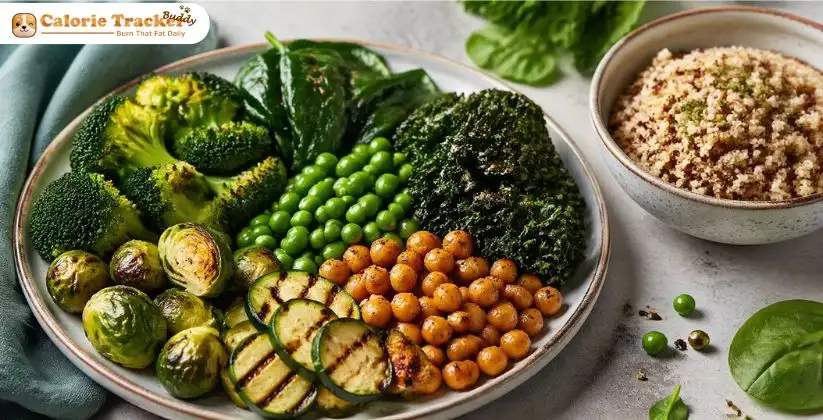
Building a balanced, protein-rich diet doesn’t always mean loading your plate with meat, eggs, or dairy. In fact, many people today are turning toward plant-based options to meet their nutritional needs, and that’s where high protein vegetables come into the picture.
Whether you’re trying to improve your overall health, support muscle growth, or simply diversify your meals, adding the right vegetables can make a meaningful difference. While vegetables aren’t typically known for being protein powerhouses, certain varieties offer surprisingly good amounts of protein along with essential vitamins, minerals, and fiber.
If you’ve ever wondered what vegetables are high in protein and how to include them in your daily meals, you’re in the right place. This guide will walk you through practical ways to build a protein-rich diet using plant-based sources, without making your meals complicated or boring.
By the end, you’ll have a clear understanding of which vegetables to choose, how to combine them effectively, and how to make your diet both nutritious and satisfying.
Listen To The Podcast!
Why Protein Matters in Your Daily Diet
Protein plays a central role in keeping your body functioning at its best. It’s not just about building muscle protein is involved in repairing tissues, supporting your immune system, and producing essential enzymes and hormones that your body relies on every day.
When your diet lacks enough protein, you might notice low energy levels, slower recovery after workouts, or even increased hunger throughout the day. That’s because protein helps keep you full for longer and stabilizes your blood sugar levels, making it an important part of any balanced eating plan.
This is where high protein vegetables can be surprisingly useful. While they may not match the protein density of animal-based foods, they contribute significantly when eaten in the right combinations and portions. Plus, they come packed with fiber and antioxidants, which support digestion and overall health.
For people following vegetarian or plant-based diets, relying on vegetables high in protein becomes even more important. They offer a clean, nutrient-dense way to meet daily protein needs without adding excess saturated fats.
The key is understanding that protein intake doesn’t have to come from a single source. Instead, building a diet that includes a variety of vegetables with high protein, along with other plant-based foods, can help you reach your nutritional goals in a more sustainable and enjoyable way.
Top High Protein Vegetables to Include in Your Diet
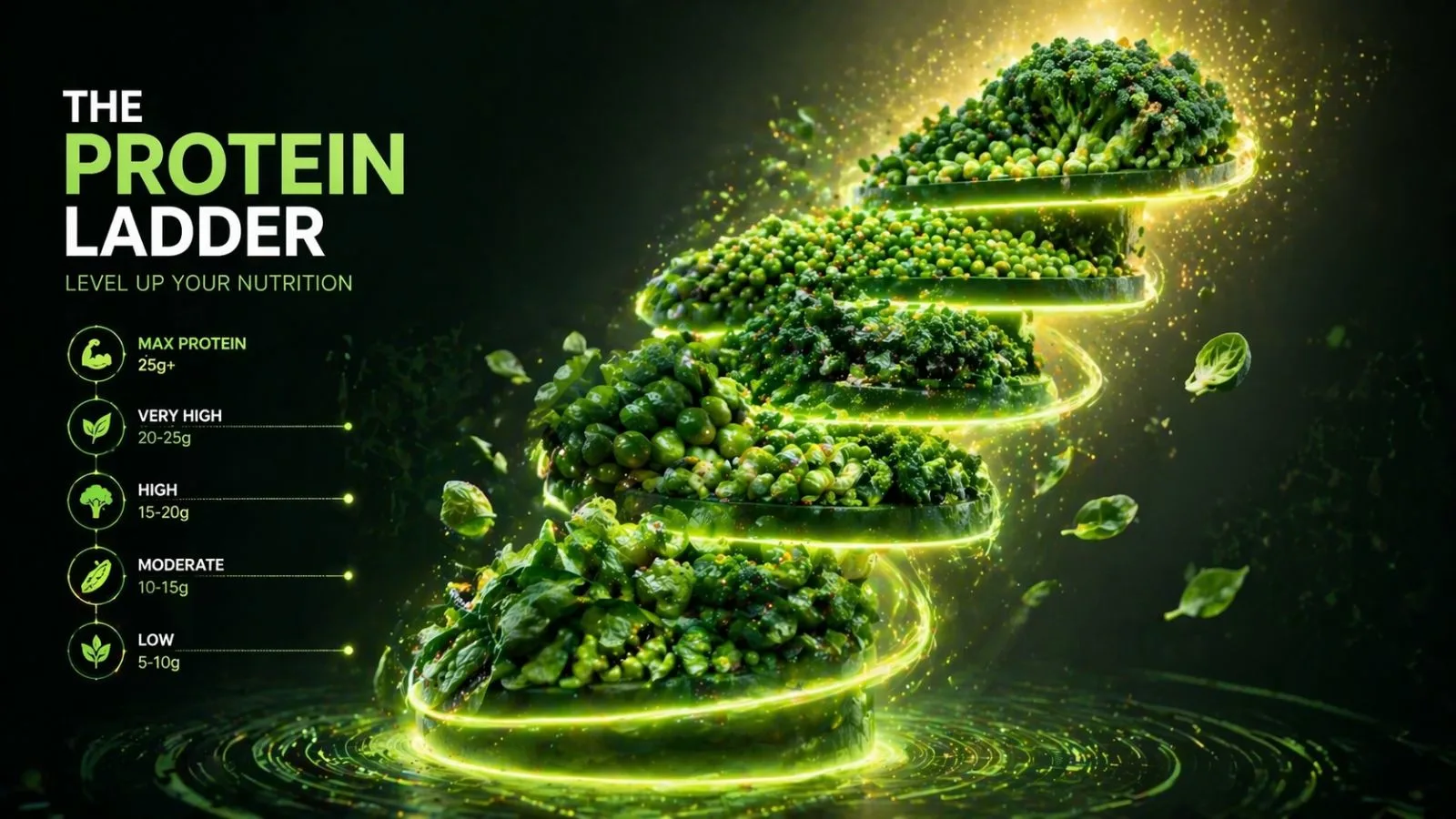
Not all vegetables contribute equally when it comes to protein. Some stand out for offering higher amounts while also delivering essential nutrients your body needs daily. Knowing which high protein vegetables to prioritize can make it much easier to build balanced meals.
Let’s look at some of the best options you can start adding to your plate:
Green peas are one of the most underrated choices. They provide a solid amount of protein per serving and are incredibly versatile you can add them to curries, salads, or even simple rice dishes.
Spinach is another excellent option. While it may not seem like much, its protein content adds up quickly when eaten in larger portions. It also brings iron and fiber into your diet, making it a smart all-around choice.
Broccoli deserves a place in your meals too. It offers a good balance of protein and fiber, which helps keep you full and supports digestion. Roasted, steamed, or stir-fried, it’s easy to include in different recipes.
Brussels sprouts are often overlooked but are surprisingly rich in protein compared to many other vegetables. They work well as a side dish or even as a main component in plant-based bowls.
Kale has gained popularity for a reason. It contains a decent amount of protein and pairs well with salads, smoothies, and cooked dishes.
When exploring vegetables with high protein, it’s also worth including foods like corn, mushrooms, and asparagus. While their protein content varies, they still contribute meaningfully when combined with other sources.
You can even expand your choices by considering high protein vegetables and fruits like avocado and guava, which add both nutrition and variety to your meals.
The goal isn’t to rely on just one vegetable but to mix different options throughout the day. This not only improves your protein intake but also ensures you get a wide range of nutrients.
How to Combine Vegetables for Better Protein Intake
One important thing to understand about high protein vegetables is that most of them don’t provide complete protein on their own. That simply means they may lack one or more essential amino acids your body needs. The good news is you can easily fix this by combining different foods in your daily meals.
Instead of relying on a single ingredient, focus on variety. Pairing different vegetables with other plant-based foods high in protein helps you create a more complete and balanced protein profile.
For example, combining lentils with spinach or broccoli can significantly improve the overall protein quality of your meal. Similarly, adding peas to rice or quinoa bowls creates a more satisfying and protein-rich dish.
You can also mix vegetables with high protein with healthy fats and grains. A bowl with roasted Brussels sprouts, chickpeas, and brown rice is a simple example of a well-rounded meal that supports both energy and nutrition.
Another easy approach is to include high protein vegetables and fruits in your snacks and salads. A combination like kale, avocado, and seeds not only boosts protein intake but also keeps you full for longer periods.
Even small changes matter. Adding multiple high protein vegetables across breakfast, lunch, and dinner helps your body consistently receive the nutrients it needs throughout the day.
If you’re unsure whether you’re meeting your daily protein goals, tools like Calorie Tracker Buddy can help you track your intake and make better food choices without guesswork.
The key takeaway is simple: protein doesn’t have to come from one source. Smart combinations of plant foods can easily help you build a strong, balanced, and sustainable diet.
Best Ways to Add High Protein Vegetables to Daily Meals
Add high protein vegetables to breakfast through spinach, kale, or peas in eggs or smoothies.
For lunch, combine vegetables high in protein like broccoli or peas with grains such as rice or quinoa.
At dinner, use stir-fries or curries with mixed vegetables with high protein like mushrooms, spinach, and lentils.
Snacks like hummus with veggie sticks or roasted chickpeas also help include more high protein vegetables and fruits easily throughout the day.
Try Calorie Tracker Buddy to Stay on Track
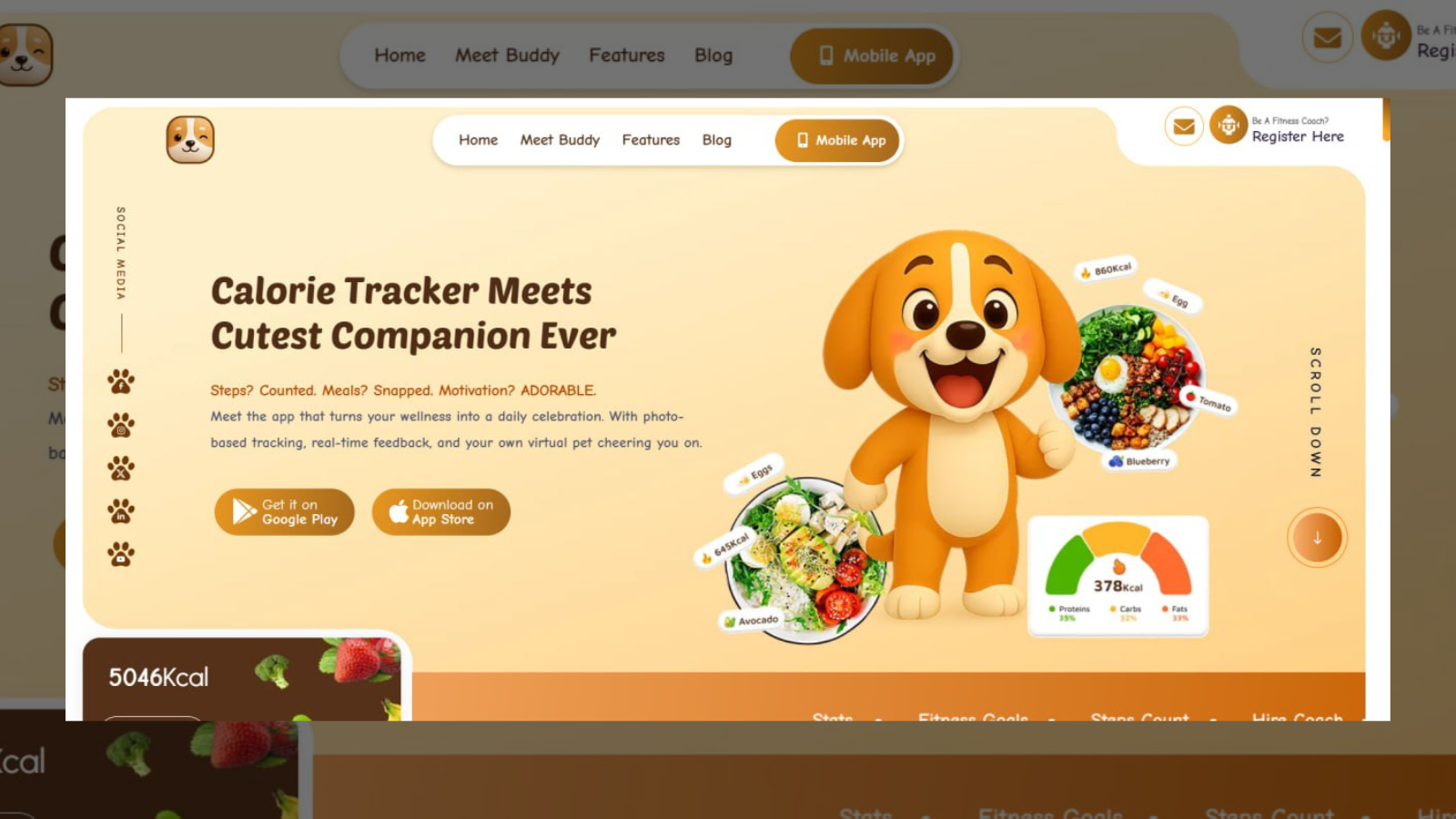
Building a protein-rich diet with high protein vegetables becomes much easier when you can actually track what you’re eating. That’s where Calorie Tracker Buddy helps simplify the process.
It lets you monitor daily intake, check your protein levels, and understand whether your meals with vegetables high in protein are meeting your goals. Instead of guessing, you get a clear picture of your nutrition in real time.
You can also log meals that include vegetables with high protein and see how small changes add up over the day. This makes it easier to stay consistent without overcomplicating your diet.
Whether you’re trying to improve fitness, manage weight, or just eat better, tracking your food alongside high protein vegetables and fruits helps you stay focused and intentional with your nutrition choices.
Common Mistakes People Make with Plant-Based Protein
One common mistake is depending on only a few high protein vegetables instead of rotating different options. This reduces overall nutrient variety.
Another issue is underestimating portions. Many vegetables high in protein need to be eaten in larger quantities to make a real impact.
People also often miss proper food combinations. Without pairing vegetables with high protein with grains or legumes, protein quality can stay incomplete.
Lastly, many don’t track intake at all. Using a simple app like Calorie Tracker Buddy can help ensure your protein goals are actually being met.
Conclusion
Building a healthy, protein-rich diet doesn’t have to be complicated. With the right mix of high protein vegetables, you can easily improve your daily nutrition without relying heavily on animal-based foods.
By including a variety of vegetables high in protein, combining them with grains and legumes, and spreading them across your meals, you create a more balanced and sustainable eating pattern.
Understanding what to eat and how to combine it makes all the difference. Over time, small changes like adding more vegetables with high protein to your plate can significantly improve your energy, health, and overall well-being.
And if you want to stay consistent, tracking your intake with tools like Calorie Tracker Buddy can help you stay aligned with your goals without guesswork.
A smarter approach to nutrition is not about perfection it’s about consistency and better choices every day.
FAQs
- What vegetables are high in protein?
Some of the best high protein vegetables include green peas, spinach, broccoli, Brussels sprouts, and kale. These can easily be added to everyday meals. - Can I get enough protein from vegetables alone?
You can get a good amount, but it’s best to combine different vegetables high in protein with grains and legumes to meet your daily needs. - Which vegetables with high protein are best for weight loss?
Broccoli, spinach, and Brussels sprouts are great vegetables with high protein because they are low in calories and high in fiber, helping you stay full longer. - Are there high protein vegetables and fruits together?
Yes, some foods like avocado and guava are often included when discussing