


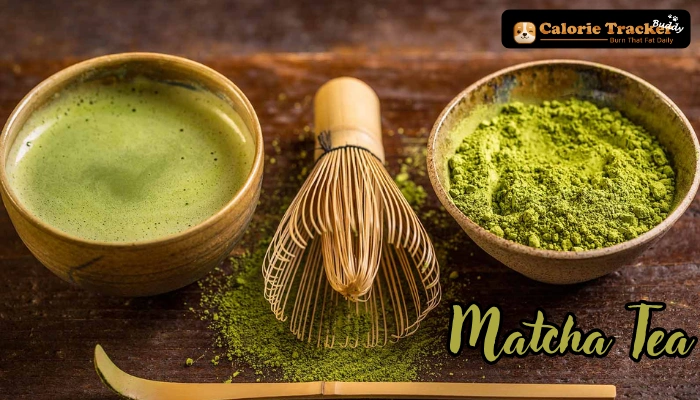
If you’ve scrolled through any wellness feed lately, chances are you’ve come across matcha tea. The vibrant green powder showing up in lattes, smoothie bowls, and desserts has become more than a trend; it’s a lifestyle shift. But behind the aesthetics lies a powerhouse ingredient with a rich history and real health benefits worth exploring.
Matcha tea originates from Japan, where it has been used in traditional tea ceremonies for over 800 years. Unlike regular green tea, matcha tea is made from whole tea leaves ground into a fine powder, meaning you consume the entire leaf and all its nutrients. That’s what sets it apart from everything else in your pantry.
Listen To The Podcast Now!
What Is Matcha, And Why Does It Look So Different?
So, what is matcha exactly? It comes from the same plant as regular green tea, Camellia sinensis, but the growing process is entirely different. About three to four weeks before harvest, the plants are shaded from direct sunlight. This slows growth, boosts chlorophyll levels, and increases the concentration of amino acids, particularly L-theanine.
The result is a deep green leaf that gets dried, de-stemmed, and stone-ground into the fine powder we know as matcha tea. The color, flavor, and nutrition profile are dramatically different from what you’d find in a standard tea bag.
There are different grades available: ceremonial, premium, and culinary. Ceremonial grade is the highest quality, traditionally whisked with hot water and drunk on its own. Culinary grade works well in cooking and blended drinks. Whichever you choose, the core benefits remain largely intact.
Matcha Tea Benefits That Go Beyond The Hype
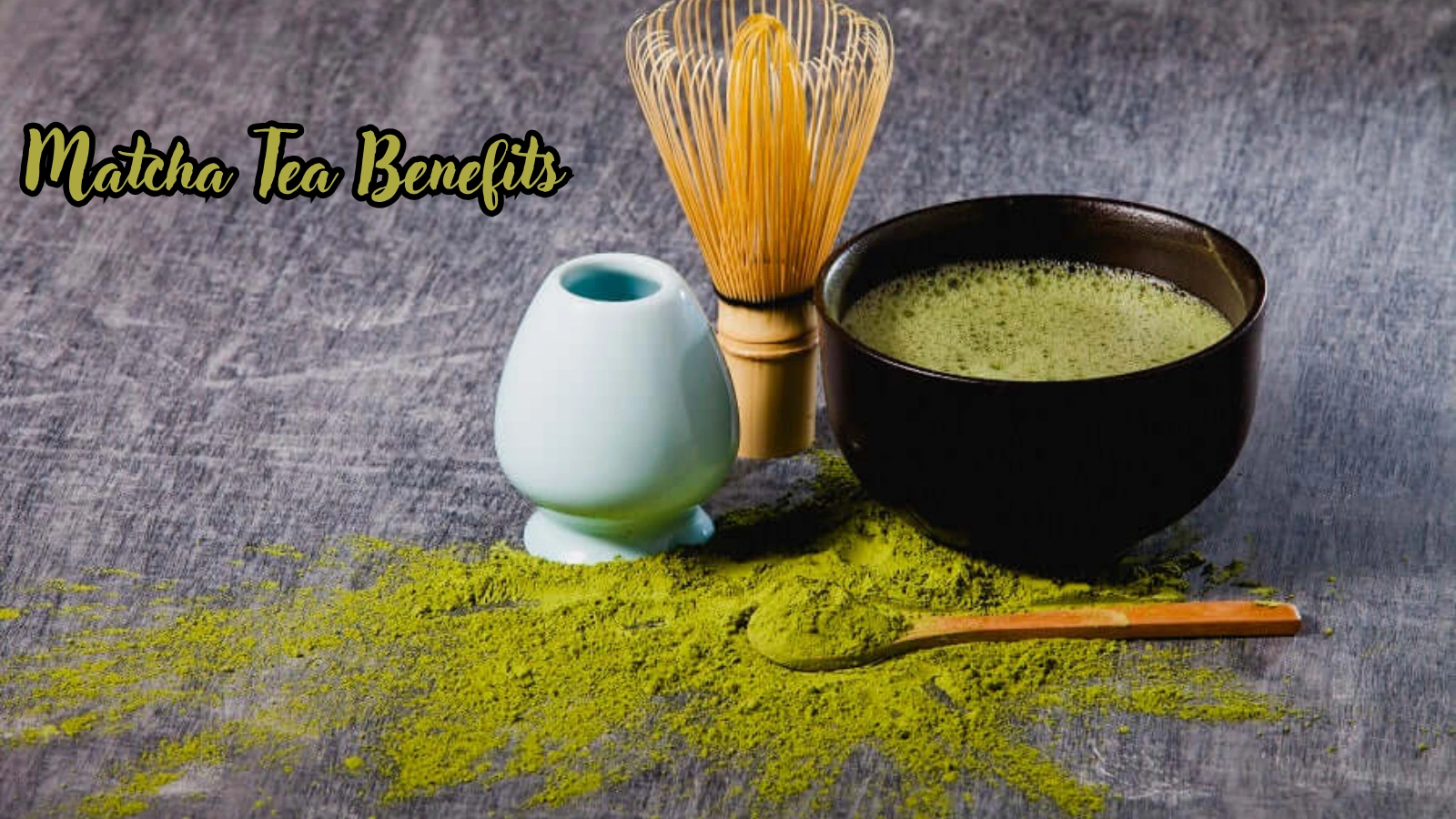
There’s a solid reason health professionals and nutrition enthusiasts keep championing matcha tea benefits. The list is impressive and backed by science.
Rich in Antioxidants:
Matcha tea is loaded with catechins, a class of natural antioxidants. One in particular, EGCG (epigallocatechin gallate), is well-studied for its anti-inflammatory and protective properties. A single serving of matcha tea can contain up to 137 times more EGCG than conventional green tea.
Calm, Focused Energy:
Coffee drinkers often report crashes and anxiety. Matcha tea offers something different. The combination of caffeine and L-theanine delivers a slow, sustained energy release, alertness without the jitteriness. It’s a smoother, cleaner boost.
Supports Liver and Heart Health:
Regular consumption of matcha tea may help protect the liver from oxidative damage and support cardiovascular health. A healthy liver is central to fat metabolism and detoxification, both critical to overall wellbeing.
Does Matcha Tea Help In Controlling Sugar?
This is one of the most searched questions about matcha, and the answer is encouraging. Does matcha tea help in controlling sugar? Research suggests yes.
Studies show that EGCG and other compounds in matcha tea can improve insulin sensitivity, support weight loss, and reduce blood glucose levels after meals. A study published in the Journal of Nutritional Biochemistry found that green tea extract significantly lowered fasting blood sugar levels in participants with type 2 diabetes risk factors.
Matcha tea also helps support weight loss by slowing down carbohydrate digestion, which prevents rapid sugar spikes after eating. For people managing pre-diabetes, insulin resistance, or simply trying to stay energized throughout the day, adding matcha tea to a morning routine can make a real difference.
One important note: drink it unsweetened. A heavily sweetened matcha latte from a coffee chain can contain as much sugar as a dessert, which completely defeats the purpose.
Will Matcha Green Tea Reduce Belly Fat?
Will matcha green tea reduce belly fat? It’s a fair question, and the science is genuinely promising. Matcha tea alone isn’t a magic fix, but combined with a balanced diet and regular movement, it actively supports fat loss, especially in the abdominal area.
The catechins in matcha tea, particularly EGCG, activate thermogenesis, the process by which the body generates heat and burns calories. A meta-analysis published in the International Journal of Obesity found that green tea catechins significantly reduced waist circumference and BMI across randomised controlled trials.
Matcha tea also supports fat oxidation during moderate exercise. Drinking it before a workout can help your body burn a higher percentage of fat as fuel. For those targeting visceral fat, the type linked to serious metabolic health risks, this is a genuinely useful tool.
That said, tracking what you eat alongside your matcha tea habit matters enormously. Which brings us to something worth knowing about.
Also Read:
Pairing Matcha Tea With The Right Wellness Tools
Drinking matcha tea is a great first step. But lasting results, whether fat loss, blood sugar control, or better energy, require consistency and self-awareness. You need to know what else is happening with your nutrition and daily activity.
That’s where Calorie Tracker Buddy comes in. It’s a smart wellness companion designed to make your health goals feel achievable and even enjoyable. Whether you’re logging your morning matcha tea or tracking an evening walk, Calorie Tracker Buddy keeps everything in one clean place.
Why Is Calorie Tracker Buddy The Healthy Sidekick You Actually Need?

Calorie Tracker Buddy isn’t just another calorie counter. It’s built for real people living real lives, and here’s what makes it genuinely different.
Snap the Meal:
Point your camera at your food, including your cup of matcha tea, tap once, and instantly get a full breakdown of calories, nutrients, and nutritional balance. No manual logging. No guesswork. Just fast, accurate results.
Calorie Burn Tracker:
From intense gym sessions to casual dishwashing, every movement gets counted. Track your daily calorie burn and watch your progress build. When combined with matcha tea’s fat-oxidation support, knowing your burn rate helps you make smarter choices all day.
Calorie Intake Tracker:
You eat, it calculates. Log what’s on your plate in seconds and get instant feedback on how each meal aligns with your goals. Whether you’re cutting calories, hitting a protein target, or reducing sugar, this keeps you honest and informed.
Goal Predictions:
Wondering how close you are? Calorie Tracker Buddy shows you exactly how each meal, snack, and sip, yes, including your daily matcha tea, impacts your progress toward your goal.
Buddy Motivation:
Your virtual pet buddy grows with every healthy choice you make. Choose a nourishing breakfast? Your buddy thrives. Swap a sugary snack for matcha tea? Your buddy celebrates. It’s a small feature that creates a surprisingly powerful motivation loop.
Social Sharing:
Proud of your plate or just loving the glow-up? Post your meals, share your streaks, and let your squad hype you up. Community accountability is one of the strongest drivers of long-term habit change, and Calorie Tracker Buddy makes it genuinely fun.
How To Make Matcha Tea The Right Way?
Getting the most out of matcha tea starts with how you prepare it.?
Use water between 70–80°C, never boiling. Boiling water destroys the delicate compounds in matcha tea and turns it bitter. Sift the powder first to prevent clumps, then whisk in a zigzag motion using a bamboo whisk until frothy. Drink it fresh, it loses potency quickly once prepared.
One to two cups of matcha tea per day is ideal. More than that and you risk consuming excess caffeine, which can disrupt sleep or cause anxiety in sensitive individuals.
Is Matcha Tea Right For Everyone?
Matcha tea is safe for most healthy adults. However, pregnant women should limit caffeine intake, and people sensitive to caffeine, those with anxiety disorders, or anyone on specific medications should consult a doctor before making matcha tea a daily habit.
Moderation always wins, even with the most beneficial foods and drinks.

Final Thoughts
Matcha tea is not a miracle cure. But it is one of the most well-researched, nutrient-dense drinks you can add to your daily routine. From antioxidant protection and calm focus to blood sugar regulation and belly fat reduction, the science behind matcha tea continues to strengthen.
Pair it with smart tools like Calorie Tracker Buddy, stay consistent with your movement, and let matcha tea do what it does best, support your body from the inside out.
Start simple. Swap your morning coffee for matcha tea a few times a week. Snap it in Calorie Tracker Buddy, track how you feel, and let the results speak for themselves.
FAQs
Can I drink matcha tea on an empty stomach?
It’s generally not recommended. The natural compounds in it can irritate the stomach lining for some people, especially first thing in the morning. Having a light snack beforehand tends to work better.
Is matcha the same as green tea powder sold in stores?
Not quite. Regular green tea powder is simply dried and ground tea leaves. Matcha goes through a specific shading process before harvest that changes its nutrient profile, flavour, and colour entirely. They are not interchangeable.
Does matcha expire?
Yes. Once opened, it should ideally be used within 4–6 weeks. Exposure to air, light, and moisture degrades its quality quickly. Always store it in an airtight container away from sunlight.
Can children consume matcha?
It contains caffeine, so it isn’t suitable for young children. Older teenagers might tolerate small amounts, but it’s worth checking with a paediatrician first.
Is matcha safe to drink every day?
For most healthy adults, yes in moderate amounts. One to two cups daily is considered a safe and beneficial range for the majority of people.