



When people think about burning calories, they always think about high-intensity workouts at the gym or long cardio sessions. What people don’t always think about is the impact that Yoga and Pilates can have on burning calories. Even though these exercises may appear to be slow-moving, they are still working your muscles, getting your heart rate up, and burning calories.
If you are trying to lose weight, tone your muscles, or simply maintain a healthy lifestyle, calorie burn from your workouts is important even for low-impact activities. Many people underestimate the number of calories they are burning during a 45-60 minute session.
Audio version available
Understanding Calorie Burn in Yoga and Pilates
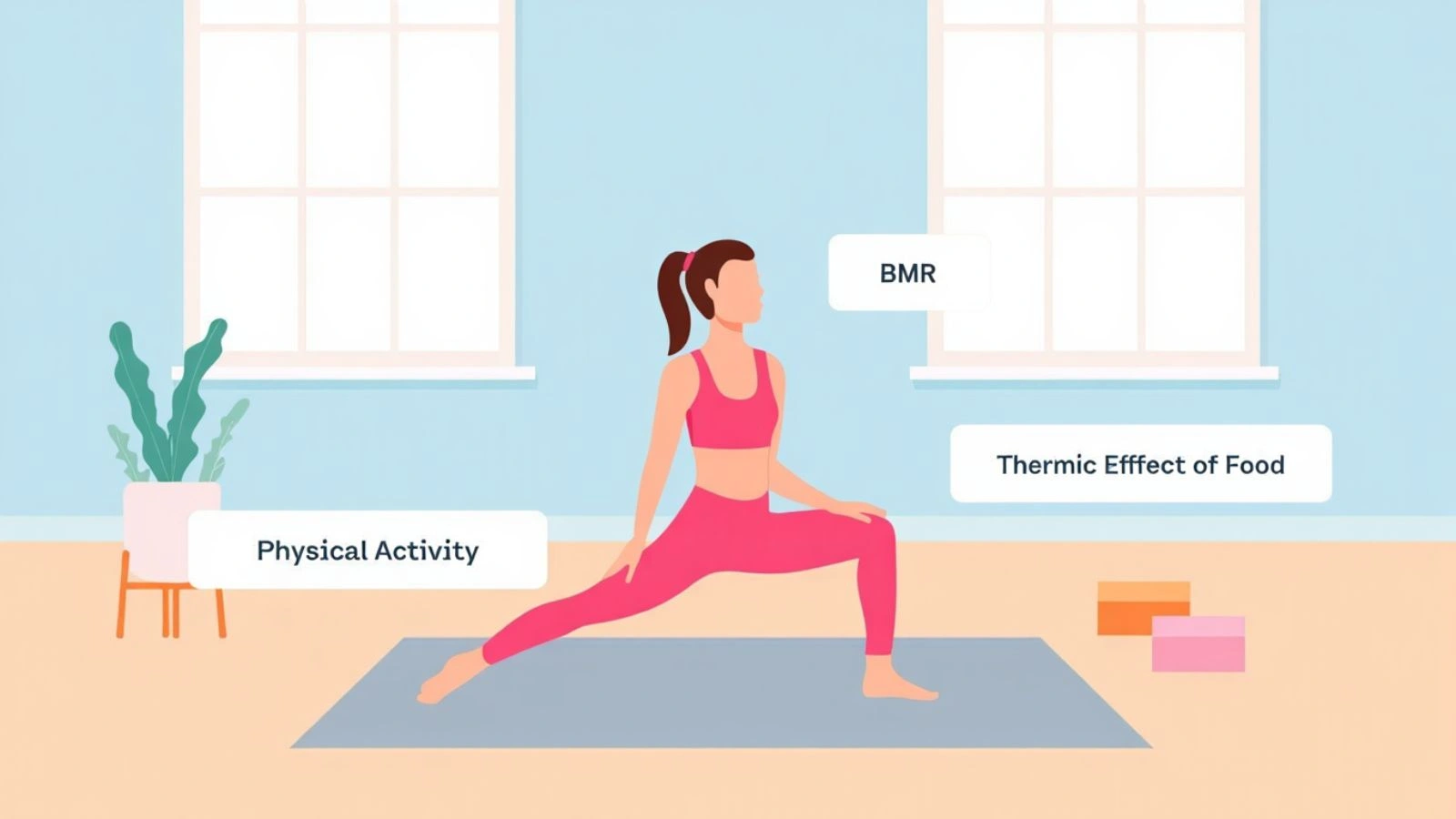
Before you start calorie tracking, it’s essential to grasp how calorie burning occurs.
Your body consumes calories in the following ways:
- Basal Metabolic Rate (BMR) – calories burned at rest
- Physical activity – planned exercise and physical movement
- Thermic effect of food – calories burned to digest food
When you do yoga and pilates, the calories you burn will come from muscle activation, movement, balance, and sometimes high heart rate, depending on the intensity.
Several factors influence how many calories you burn:
1. Body Weight
Heavier individuals generally burn more calories during the same workout because more energy is required to move the body.
2. Intensity Level
A gentle Hatha session will burn fewer calories than Power Yoga or advanced Pilates circuits.
3. Duration
A 20-minute session won’t burn as much as a 60-minute class.
4. Muscle Engagement
Pilates especially targets deep core muscles, which increases muscular demand and energy expenditure.
Unlike running or HIIT, Yoga and pilates may not feel exhausting, but they build strength, stability, and endurance, all of which contribute to calorie burn over time.
Average Calories Burned in Different Types of Yoga
Not all yoga styles are equal when it comes to calorie burn. Here’s a general estimate for a 60-minute session (for someone around 70 kg / 154 lbs):
Hatha Yoga
- 180–250 calories
- Slower pace, focus on alignment and breathing
Vinyasa Yoga
- 300–400 calories
- Continuous flow, moderate intensity
Power Yoga
- 400–500 calories
- Strength-focused, faster transitions
Hot Yoga
- 350–600 calories
- A heated room increases heart rate and sweat output
These numbers vary depending on effort and fitness level. Tracking helps you understand what your specific body burns rather than relying on averages.
If your goal is fat loss, tracking Yoga and pilates sessions ensures you stay within your weekly calorie deficit without guessing.
Read more:
“I’m in a Calorie Deficit But Not Losing Weight” – 5 Common Reasons Why
20+ Powerful HIIT Workouts For Fat Loss, Strength, and Endurance
Average Calories Burned in Different Types of Pilates
Just like yoga, Pilates comes in different formats — and each one affects calorie burn differently. While it may look slow and controlled, Pilates challenges stabilizing muscles deeply, which increases energy expenditure.
Here’s an estimate for a 60-minute session (for someone around 70 kg / 154 lbs):
Mat Pilates
- 200–300 calories
- Bodyweight-focused, controlled movements
- Great for beginners and core activation
Reformer Pilates
- 300–450 calories
- Uses resistance machines
- Engages more muscle groups at once
Power / Advanced Pilates
- 400–500 calories
- Faster transitions
- Higher intensity with added resistance
Because Pilates emphasizes slow, precise movements, many people underestimate how effective it is. However, consistent Yoga and pilates sessions increase muscle tone, and more muscle means a higher resting metabolic rate over time.
Tracking your sessions gives you clarity. Even if one class burns fewer calories than a cardio workout, the strength and muscle endurance you build add long-term metabolic benefits.
Difference Between Yoga and Pilates for Calorie Burn
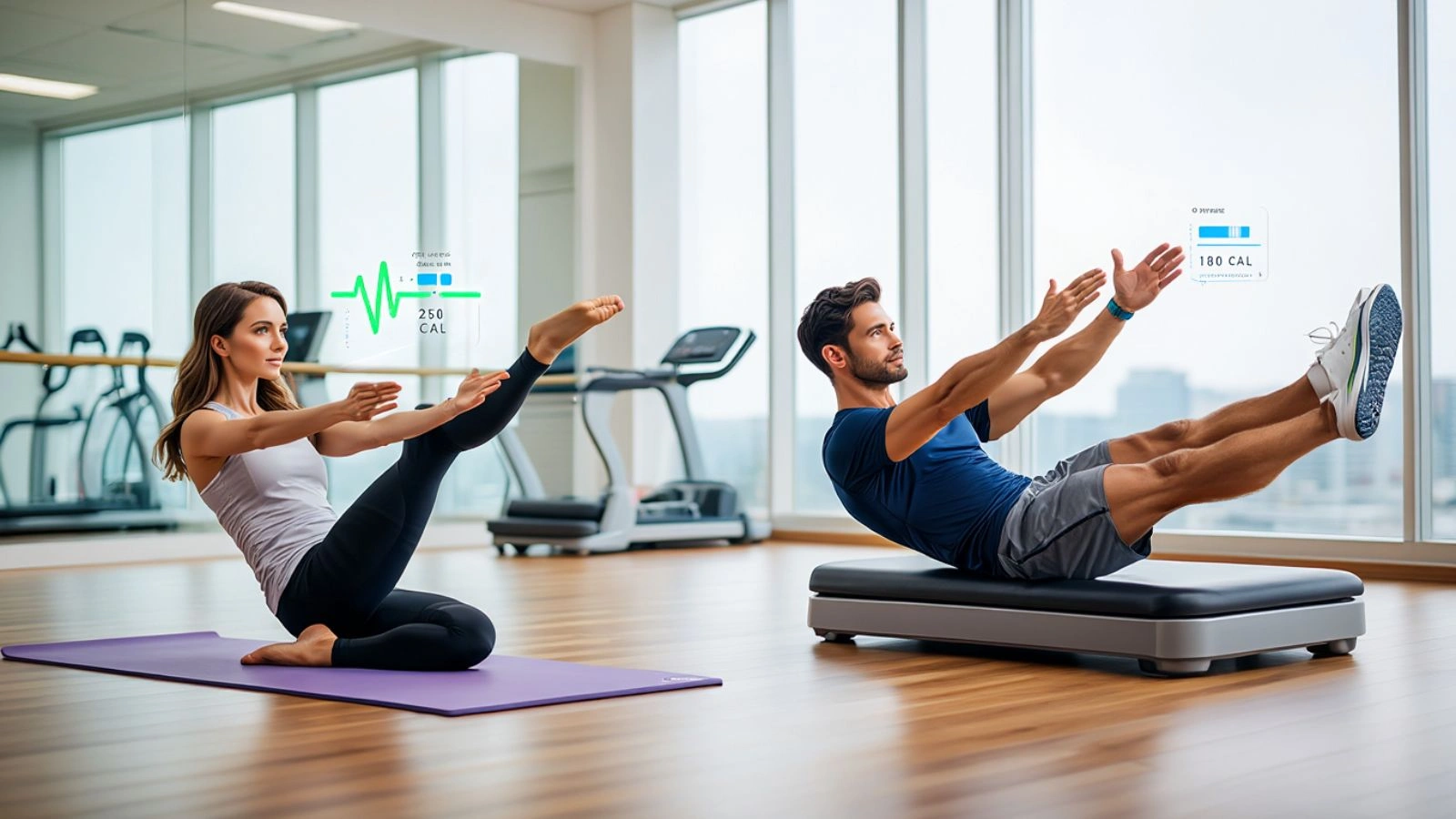
If you’ve ever wondered about the difference between yoga and pilates, especially in terms of calorie burn, here’s a simple breakdown.
Primary Focus
Yoga:
- Flexibility
- Mobility
- Mindfulness and breathing
- Full-body flow
Pilates:
- Core strength
- Muscle control
- Postural alignment
- Controlled resistance
Which Burns More Calories?
Generally:
- Power Yoga and advanced Pilates burn similar calories.
- Gentle yoga burns fewer calories than most Pilates sessions.
- Reformer Pilates can sometimes burn more than slow-flow yoga due to resistance.
However, calorie burn depends more on intensity and effort than on the label of the workout.
Which Is Better for Weight Loss?
Neither is automatically “better.” Weight loss depends on overall calorie balance. Consistent Yoga and pilates practice combined with proper nutrition can absolutely support fat loss.
If your goal is:
- Stress reduction → Yoga may be ideal
- Core strength and toning → Pilates may be better
- Balanced routine → Combine both
Tracking calories helps you choose the right frequency and intensity for your goals.
How to Accurately Track Calories During Yoga and Pilates
Tracking calories during Yoga and pilates doesn’t have to be complicated — but accuracy matters. Since these workouts vary in intensity, relying on random online estimates can lead to over- or under-counting.
Here are the most reliable ways to track:
Use a Fitness Watch
Devices like heart-rate-based trackers estimate calorie burn using:
- Heart rate
- Age
- Weight
- Gender
- Activity type
While not 100% perfect, they give personalized estimates that are far more accurate than generic charts.
Heart Rate Monitoring
Calorie burn increases with heart rate.
Power Yoga or advanced Pilates sessions will show higher average heart rates than slower sessions.
If your heart rate stays elevated for 45–60 minutes, your burn will reflect that.
MET Formula Method
MET (Metabolic Equivalent of Task) values estimate energy expenditure.
For example:
- Hatha Yoga ≈ 2.5–3 METs
- Vinyasa Yoga ≈ 4–5 METs
- Pilates ≈ 3–6 METs
Formula:
Calories Burned = MET × Body Weight (kg) × Duration (hours)
This method gives a more customized estimate for Yoga and pilates sessions.
Why Estimates Vary
Two people in the same class can burn very different calories due to:
- Muscle mass
- Effort level
- Experience
- Recovery time between movements
That’s why consistency in tracking matters more than chasing exact numbers.

Why Tracking Matters Even for Low-Impact Workouts
Many people skip tracking because they think Yoga and pilates are “too gentle” to matter. That’s a mistake.
Here’s why tracking still matters:
Supports Weight Loss
Even burning 250–400 calories several times a week adds up. Over a month, that’s a significant contribution toward a calorie deficit.
Helps With Muscle Toning Goals
Pilates especially increases muscle endurance. Tracking ensures you’re fueling your body correctly while staying aligned with your goals.
Prevents Underestimating Activity
When you assume a session “doesn’t count,” you may overeat later. Seeing the numbers helps you make balanced decisions.
Builds Consistency
Tracking reinforces habits. When you log Yoga and pilates sessions regularly, you’re more likely to stay committed long term.
Remember, fitness isn’t about one intense workout. It’s about sustainable routines, and tracking provides clarity.
How to Combine Yoga and Pilates with Other Workouts

While Yoga and pilates are powerful on their own, combining them with other forms of exercise can improve overall calorie burn and fitness results.
Here’s how to build a balanced routine:
Add Strength Training
2–3 days per week of resistance training helps:
- Build lean muscle
- Increase resting metabolism
- Improve overall strength
Yoga improves mobility, while Pilates strengthens the core, both of which enhance lifting performance and reduce injury risk.
Include Walking or Light Cardio
On days you don’t feel like intense workouts, a 30-minute brisk walk pairs well with Yoga and pilates sessions. It increases total daily calorie expenditure without overwhelming recovery.
Try HIIT (Optional)
If fat loss is your goal, adding 1–2 short HIIT sessions weekly can boost calorie burn. Just ensure proper recovery to avoid overtraining.
Weekly Sample Structure
- Monday – Pilates
- Tuesday – Strength Training
- Wednesday – Yoga
- Thursday – Walk
- Friday – Pilates or Yoga
- Weekend – Active recovery
Searching for yoga and pilates near me or pilates and yoga near me can help you find local studios that offer both, making it easier to stay consistent.
The key is balance, not overloading your body, but steadily increasing total movement throughout the week.
Common Mistakes When Tracking Calories
Even with good intentions, tracking mistakes can slow progress. Here are common ones to avoid:
Overestimating Calorie Burn
Many apps inflate numbers. If unsure, slightly underestimate rather than overestimate.
Ignoring Intensity
A relaxed stretching session is not the same as Power Yoga. Log the correct workout type.
Not Tracking Duration Accurately
Finishing 45 minutes but logging 60 adds up over time.
Skipping Nutrition Tracking
Workout calories are only one side of the equation. Without tracking food intake, results become inconsistent.
Obsessing Over Exact Numbers
Remember: calorie tracking is an estimate, not an exact science. Focus on trends over weeks.
When done properly, tracking Yoga and pilates sessions gives you data to adjust workouts, improve nutrition, and move closer to your goals.
Calorie Tracker Buddy – Simple & Smart Tracking
If you want an easier way to track calories from food and workouts like Yoga and pilates, Calorie Tracker Buddy keeps everything simple and organized.
Here’s what it offers:
- 📸 Photo Food Logging – Snap a picture of your meal and get instant calorie and nutrient estimates.
- 📊 Calorie Tracking – Monitor calories eaten and burned in one place.
- 🎯 Personalized Goals – Set targets for weight loss or maintenance.
- 🐶 Virtual Buddy Motivation – Stay consistent with built-in encouragement.
- 💧 Hydration Tracking – Log your daily water intake.
- 📱 Available on iOS & Android – Track anytime, anywhere.
If you want clarity without complicated tracking, Calorie Tracker Buddy makes staying on top of your fitness goals much easier.
If your goal is consistency and smarter fitness decisions, Calorie Tracker Buddy can simplify the process.
Conclusion
Tracking calories isn’t just for high-intensity gym workouts. Yoga and pilates can contribute meaningfully to your daily calorie burn, especially when practiced consistently.
The key isn’t perfection, it’s awareness. When you understand how many calories you burn and how it fits into your overall routine, you can make smarter nutrition and fitness decisions.
Whether your goal is fat loss, muscle toning, or simply staying active, tracking helps you stay accountable. Combine structured workouts, balanced nutrition, and a reliable tracking tool, and you’ll create a routine that’s sustainable long term.
FAQ’s
1. Which burns more calories: yoga or Pilates?
It depends on the style. Power Yoga and advanced Pilates burn similar calories. The difference between yoga and Pilates mostly comes down to focus: yoga emphasizes flexibility and flow, while Pilates focuses on controlled strength.
2. Can you lose weight doing Yoga and Pilates?
Yes. Weight loss depends on maintaining a calorie deficit. Consistent Yoga and pilates sessions combined with proper nutrition can support fat loss effectively.
3. Should I track calories for low-intensity workouts?
Yes. Even moderate calorie burn adds up weekly. Tracking helps prevent underestimating energy expenditure.