


Protein is no longer just for bodybuilders shaking bottles at the gym.
In 2026, protein is personal. It’s about energy that lasts through long workdays. Better gut health. And a more sustainable way to fuel the body. And it’s about choosing smarter sources that align with both your body and the planet.
For decades, whey dominated the conversation. But today, yeast protein is stepping into the spotlight, not as a trend but as a serious contender for the future of nutrition.
So what makes yeast one different?
Is it just another plant-based option?
Or is it truly the smartest protein choice in 2026?
Let’s break it down.
Listen To The Podcast Now!
The Big Protein Shift: Why the World Is Rethinking Protein
Global protein demand is rising fast. Fitness awareness is up. More people are eating consciously. Sustainability is no longer optional; it’s expected.
Traditional protein systems come with trade-offs:
- Dairy-based proteins rely heavily on livestock.
- Crop-based proteins depend on agricultural land, water, and seasonal yields.
- Supply chains fluctuate.
- Digestive tolerance varies.
Consumers today want protein that is:
- Complete
- Easy to digest
- Sustainable
- Clean-label
- Nutrient-dense
This is where this protein stands out.
What Is Yeast Protein?
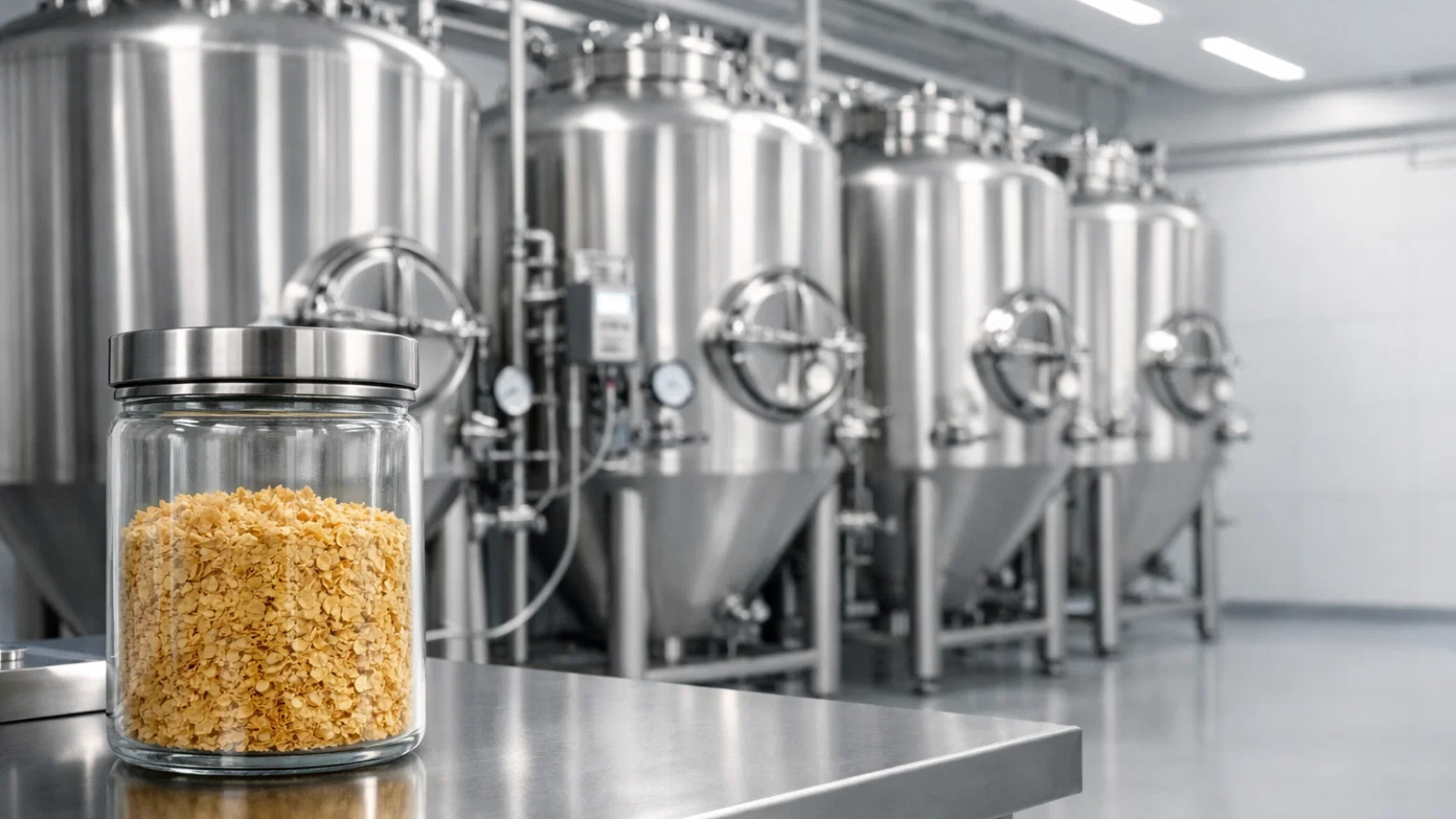
It is derived from specific strains of yeast, most commonly Saccharomyces cerevisiae, cultivated through controlled fermentation. Unlike baking yeast, the form used in food and supplements is inactive and processed for nutrition.
Many people already consume nutritional yeast protein in flakes or powders. It’s known for its savory, cheese-like taste and impressive nutrient profile.
But modern yeast one goes beyond seasoning. Through advanced fermentation and isolation techniques, manufacturers can produce concentrated protein isolates and peptides with high bioavailability and digestibility.
Unlike crop proteins that rely on farmland, yeast is grown in controlled environments. This allows year-round production with minimal land and water use.
The result? A scalable, stable, high-quality protein source.
Does Nutritional Yeast Have Protein?
One of the most common questions people ask is, “Does nutritional yeast have protein?”
Yes, and quite a lot of it.
In fact, the protein in nutritional yeast makes up a significant portion of its dry weight. Depending on processing, it typically contains 45–60% protein.
That means just a few tablespoons can deliver a meaningful protein boost.
If you’ve ever wondered how much protein in nutritional yeast you’re actually getting, the answer depends on the brand, but on average:
- 2 tablespoons of nutritional yeast provide around 8–10 grams of protein.
That’s impressive for something you can sprinkle on pasta, stir into soups, or blend into smoothies.
And unlike many plant-based proteins, this yeast one contains all nine essential amino acids making it a complete protein.
Complete Protein Power: Why That Matters
Your body cannot produce essential amino acids on its own. You must get them from food.
Many plant proteins are incomplete, meaning they lack one or more essential amino acids. This forces people to combine protein sources carefully.
This protein simplifies everything.
It offers:
- All nine essential amino acids
- High levels of branched-chain amino acids (BCAAs)
- Strong leucine content for muscle protein synthesis
In fact, yeast protein achieves a PDCAAS (Protein Digestibility-Corrected Amino Acid Score) of 1.0, the highest possible rating. That’s the same benchmark traditionally associated with whey.
This makes it suitable for:
- Muscle growth
- Recovery
- Maintenance
- Aging populations preserving lean mass
In 2026, completeness isn’t optional. It’s expected.
Yeast Protein vs Whey: The Real Comparison
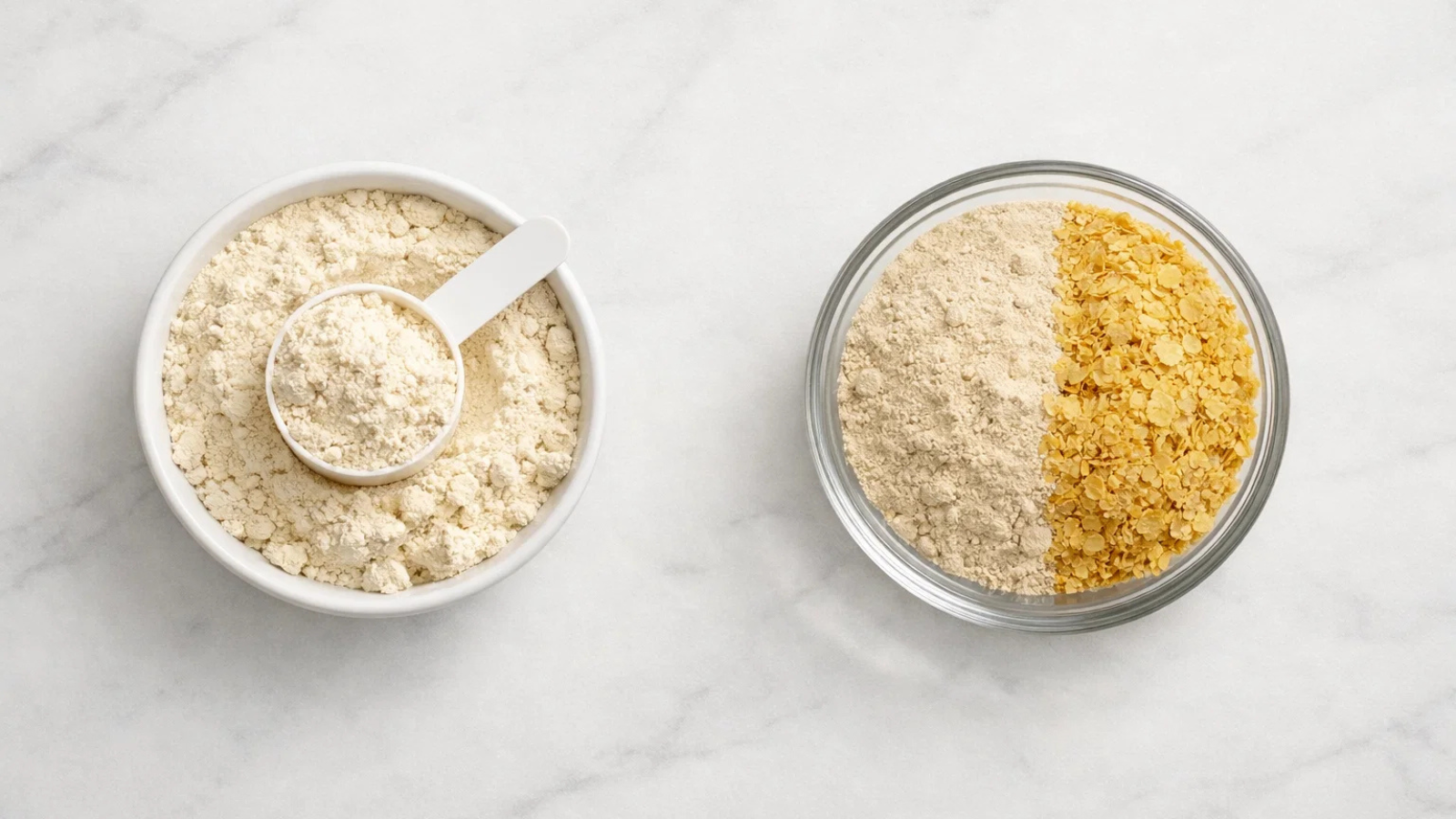
Whey protein has long been considered the gold standard. It’s fast-absorbing and effective for muscle repair.
But it comes with drawbacks.
The Challenges with Whey
- Lactose intolerance issues
- Digestive discomfort (bloating, gas)
- Acne in some individuals
- Dairy allergies
- Environmental burden from livestock farming
This protein eliminates many of these concerns.
Head-to-Head Snapshot
| Nutrient Factor | Whey Protein | Yeast Protein |
| Complete Amino Acid Profile | Yes | Yes |
| PDCAAS | 1.0 | 1.0 |
| Digestibility | High | High |
| Lactose-Free | No | Yes |
| Gut-Friendly | Sometimes heavy | Light and easy |
| Environmental Impact | High | Low |
The difference lies in how it feels and what it stands for.
Whey works, but yeast works without the baggage.
Don’t Miss These
Gut Health: The Hidden Advantage
Digestibility is the silent dealbreaker in protein.
Even if something is nutritionally dense, it’s useless if your body struggles to absorb it.
Yeast protein is naturally lactose-free and hypoallergenic. But it also contains fiber and beta-glucans, compounds known to support gut and immune health.
The fiber in nutritional yeast one acts as a prebiotic. That means it feeds beneficial gut bacteria.
A healthier microbiome leads to:
- Better digestion
- Improved nutrient absorption
- Enhanced immunity
- Reduced inflammation
This gut-friendly profile makes yeast protein particularly appealing to:
- People with sensitive digestion
- Those transitioning off dairy
- Individuals focused on holistic health
In 2026, protein isn’t just about macros. It’s about microbiome harmony.
Immune Support: More Than Just Muscle
This type of protein contains beta-glucans, natural compounds studied for their immune-supportive properties.
Unlike many isolated protein powders that offer protein and little else, yeast one comes packaged with:
- B-complex vitamins
- Zinc
- Selenium
- Magnesium
These nutrients contribute to:
- Energy production
- Metabolic health
- Immune resilience
When people ask, “Does nutritional yeast have protein?” the better question might be:
What else does it offer beyond protein?
The answer: quite a lot.
Sustainability: The Planet-Friendly Protein
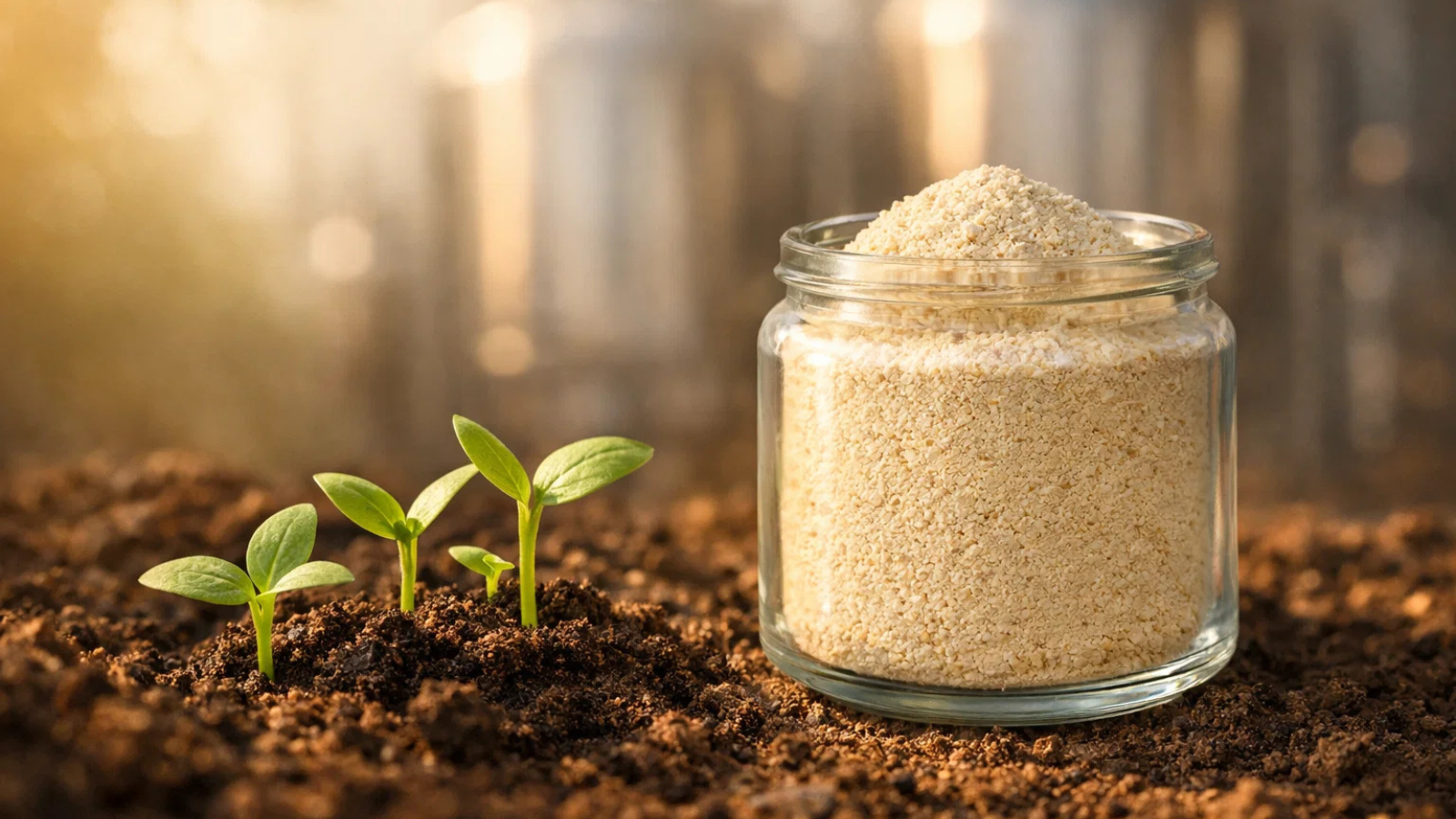
Here’s where this protein truly separates itself.
Livestock farming requires:
- Massive water usage
- Large land areas
- Significant greenhouse gas emissions
Crop-based proteins reduce some of that burden, but still rely heavily on agriculture.
Yeast protein, however, is produced through fermentation in controlled environments.
This means:
- Minimal land use
- Reduced water requirements
- Lower carbon emissions
- Faster production cycles
Yeast grows in days, not months.
As climate concerns grow, sustainable protein isn’t a niche preference. It’s becoming mainstream demand.
The future of protein is not just plant-based. It’s microbial-based.
Muscle Growth and Performance
Let’s address the performance crowd.
Is yeast protein strong enough for serious athletes?
Yes.
Its amino acid profile supports muscle repair and growth. Its leucine content plays a central role in muscle protein synthesis.
Because this protein can be processed into smaller peptides, absorption can be highly efficient.
Many athletes report:
- Reduced bloating compared to whey
- Stable energy release
- Easier digestion during intense training cycles
And since it matches whey’s PDCAAS score, performance doesn’t take a hit.
You get strength without stomach stress.
Weight Management Benefits
Another reason this protein is gaining traction in 2026? Satiety.
The combination of protein + fiber helps you feel fuller for longer.
Slow digestion means:
- Fewer energy crashes
- Reduced sugar cravings
- Better appetite control
If you’ve ever wondered how much protein in nutritional yeast contributes to satiety – the answer is: enough to matter.
A moderate serving can meaningfully support daily protein intake without adding excess fat or carbs.
For weight management, that balance is powerful.
Of course, choosing a smarter protein like yeast protein is only half the equation. The other half? Understanding how it fits into your daily calorie and macro goals. That’s where tools like Calorie Tracker Buddy make the process effortless. Instead of guessing your intake, you can snap your meals, track your protein, and see exactly how this protein supports your goals in real time, all while staying motivated.
Track Your Protein Smarter with Calorie Tracker Buddy
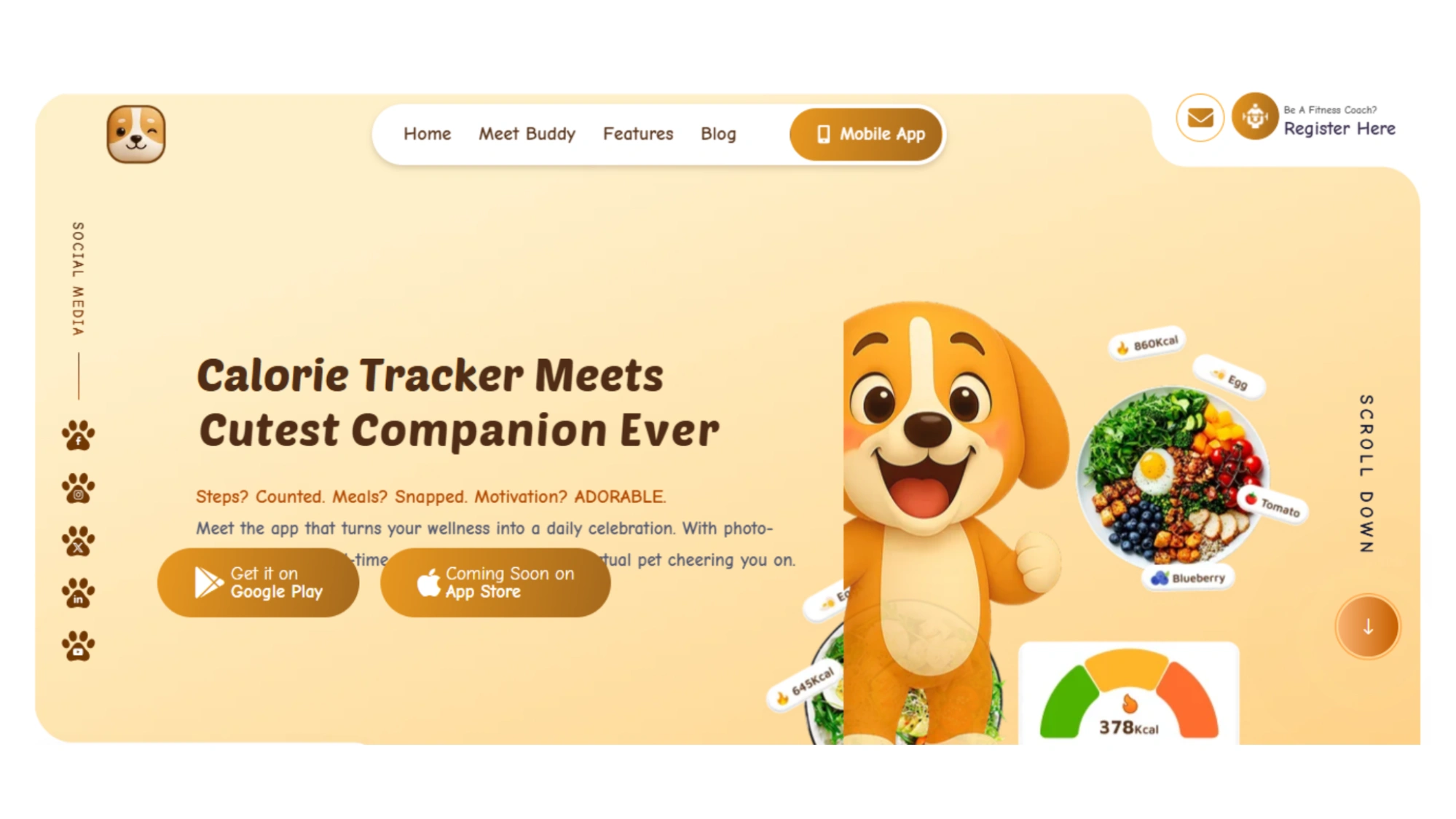
Making the switch to yeast protein is a smart move. But tracking it consistently? That’s where most people struggle.
This is where Calorie Tracker Buddy stands out.
Unlike traditional calorie apps that feel like spreadsheets, Calorie Tracker Buddy turns tracking into something simple and surprisingly fun.
Why It Works So Well with Yeast Protein Users
- Snap-Based Meal Tracking
No manual typing. Just point your camera at your meal. The app scans calories, nutrients, and balance instantly, making it easy to track your protein in nutritional yeast without overthinking it. - Real-Time Feedback
Wondering how much protein in nutritional yeast is helping you hit your daily target? The app shows you how each meal impacts your overall goals immediately. - Calorie Burn + Step Tracking
Whether you’re lifting weights, walking 10,000 steps, or just staying active, every movement gets counted. That makes balancing intake and output easier — especially when you’re increasing your protein intake for muscle recovery. - Goal Predictions
Trying to lose weight? Build lean muscle? Improve energy? The app predicts how your daily choices affect long-term progress. - The Motivation Factor
Perhaps the most unique feature, your virtual pet grows with every healthy decision you make. Eat well? Your buddy thrives. Skip the junk? Your buddy levels up. It’s accountability, but adorable.
Track your protein intake with Calorie Tracker Buddy and turn smart nutrition into measurable results. Because the future of protein deserves smarter tracking.
Download Calorie Tracker Buddy
Low Allergen Profile
Common protein sources come with trade-offs. Whey is derived from dairy, making it unsuitable for those who are lactose intolerant or avoiding animal products. Soy protein, while plant-based, is itself one of the most prevalent food allergens. Pea protein is generally well-tolerated, though some people experience bloating or digestive discomfort.
Yeast protein stands out as a compelling alternative, it’s free from dairy, soy, and gluten, sidestepping many of the most common dietary sensitivities and allergens in a single ingredient.
- No lactose
- No gluten
- No soy
- No nuts
This makes it accessible to a broader population.
In a world of increasing food sensitivities, inclusivity matters.
How Yeast Protein Is Made
The process is surprisingly elegant.
- Yeast strains are cultivated in nutrient-rich environments.
- They grow rapidly under controlled temperature and conditions.
- Biomass is harvested.
- Protein is isolated and refined.
- The final product is processed into powder, flakes, or functional ingredients.
Because fermentation is precise, production is consistent and scalable.
Unlike agriculture, it isn’t dependent on weather patterns.
This makes yeast protein supply chains more stable, a major advantage in unpredictable global markets.
Easy Ways to Add This Protein to Your Diet
Incorporating yeast protein doesn’t require a lifestyle overhaul.
Here’s how people use it in 2026:
-
Smoothies
Blend yeast protein powder with fruits, nut butters, and greens.
-
Baking
Add it to muffins, pancakes, or energy bites.
-
Savory Dishes
Sprinkle nutritional yeast protein over pasta, soups, or roasted vegetables.
-
Protein Shakes
Mix with water or plant milk for a quick post-workout boost.
The savory umami flavor makes it surprisingly versatile.
The Market Momentum Behind Yeast Protein
Beyond nutrition, this protein is gaining investor and industry attention.
Why?
- Microbial proteins are projected to grow at double-digit rates.
- Flexitarian diets are increasing globally.
- Food-tech companies are investing heavily in fermentation platforms.
- Consumers want dairy alternatives without compromise.
Yeast protein sits at the intersection of:
- Biotechnology
- Sustainability
- Functional nutrition
- Clean-label innovation
It’s not just a supplement trend. It’s a food-system evolution.
So… Is Yeast Protein the Smartest Choice in 2026?
If protein were only about muscle, whey might still dominate.
But protein today is about:
- Digestibility
- Sustainability
- Nutrient density
- Immune support
- Ethical production
- Long-term health
Yeast protein checks every box.
Complete ✓
Gut-friendly ✓
Scalable ✓
Environmentally responsible ✓
Nutrient-rich ✓
And yes, nutritional yeast protein delivers meaningful protein in everyday servings.
If you’re asking:
- Does nutritional yeast have protein? Absolutely.
- How much protein in nutritional yeast? Enough to compete with mainstream options.
- Is it future-ready? Without question.
The Next Chapter in Protein Starts Here
The protein conversation has matured.
It’s no longer about chasing grams at any cost.
It’s about choosing sources that fuel your body, respect your digestion, and protect the planet.
Yeast protein isn’t just another alternative.
It represents a smarter, cleaner, more efficient model for how protein can be produced and consumed in the modern world.
In 2026 and beyond, the future of protein may not come from cows or crops.
It may come from fermentation tanks, quietly reshaping the way we think about nutrition.
And that’s exactly why yeast protein might just be the smartest protein choice of them all.

FAQs: –
1. Is yeast protein better than whey protein?
Yeast protein matches whey in amino acid completeness and digestibility, but without lactose, dairy allergens, or heavy environmental impact, making it a strong modern alternative.
2. Does nutritional yeast have enough protein for muscle growth?
Yes. Nutritional yeast protein contains all nine essential amino acids and meaningful leucine levels, supporting muscle repair and growth when consumed consistently.
3. How much protein is in nutritional yeast?
On average, 2 tablespoons provide 8–10 grams of protein, making it one of the most protein-dense seasoning-style foods available.
4. Is yeast protein safe for daily use?
Yes, it is generally recognized as safe, lactose-free, gluten-free, and suitable for long-term daily consumption.
5. Why is yeast protein considered sustainable?
It is produced through fermentation, requiring minimal land, less water, and lower carbon emissions compared to livestock or crop-based proteins.