



There’s a point where most people decide they want more control over their health. Maybe it’s the moment your clothes fit tighter than you expected, or when your energy crashes more often than it should. Whatever the trigger, the desire to take charge tends to lead people to one common tool: calorie tracking. At first, the idea feels straightforward. Eat a bit less, move a bit more, and stay within a number. It sounds simple enough. Yet anyone who has tried this long term knows the process rarely goes as smoothly as planned.
Many people start strong, logging every snack and meal. But the further they go, the more the method starts to crack. Foods don’t match the numbers in the app. Portions get harder to judge. Motivation slips. Before long, the entire routine begins to feel more like bookkeeping than self-care. That frustration is exactly why it’s worth taking a closer look at where things go wrong. When you understand the challenges, it becomes easier to explore solutions that actually support your goals instead of overwhelming you.
The first issue sits deeper than most people expect: your body doesn’t behave like a calculator, which is exactly where this journey begins.
You can Listen to this Blog here.
Bodies Use Calories In Different Ways
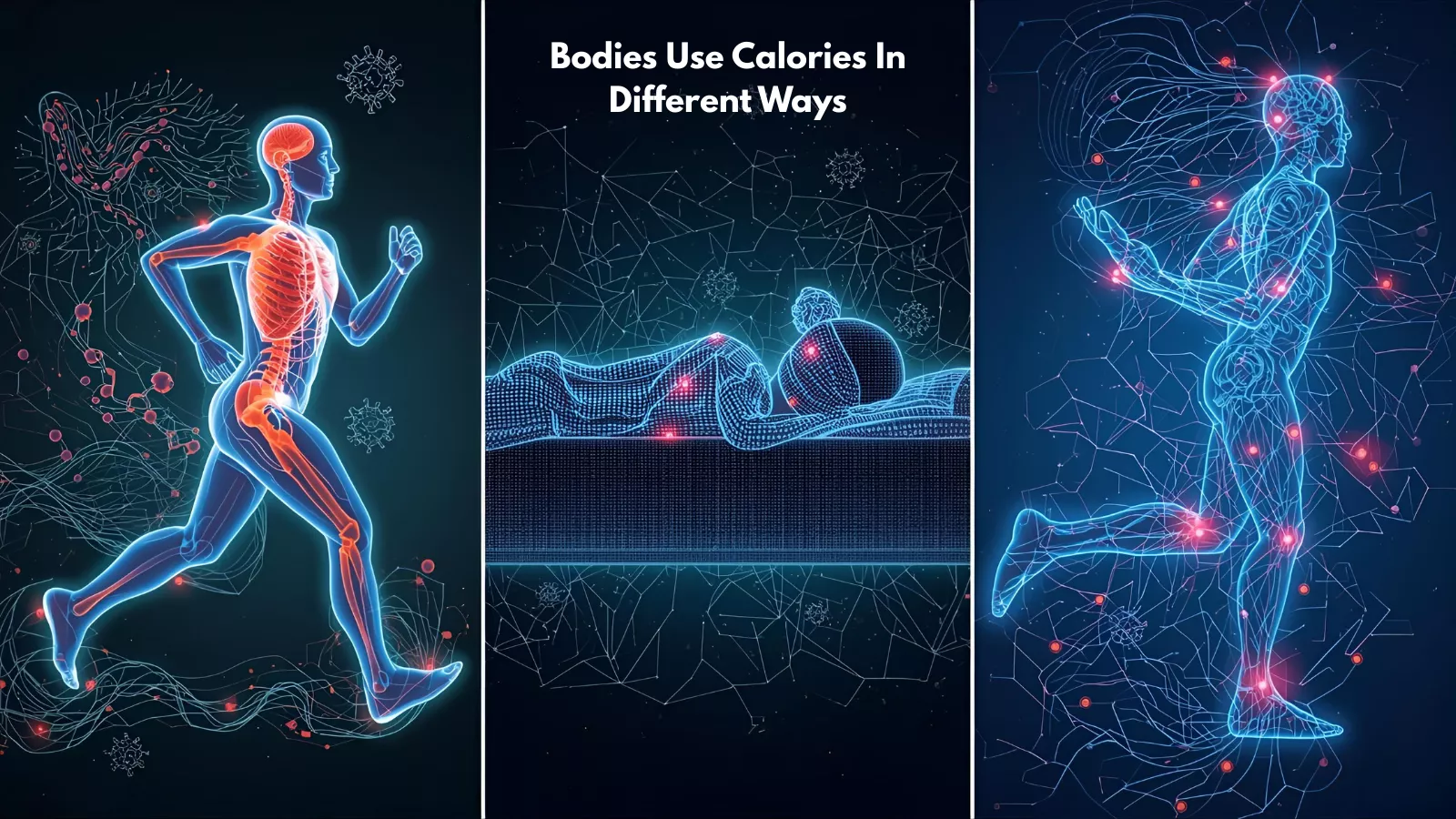 You could eat the same meal as your friend, match their steps, and even share similar habits, yet your results won’t mirror each other. That’s because calorie use is shaped by a long list of factors—age, height, muscle mass, hormones, and even genetics. These differences shift how your body processes food behind the scenes.
The idea that two people eating 500 calories each will burn and store energy the same way has never been accurate. Some bodies absorb more. Others burn more naturally. Some carry more muscle tissue, which consumes greater energy even during rest. This huge spectrum shows why manual calorie tracking feels shaky. It operates on generic estimates, not your real biology.
Once you see how unpredictable calorie burn can be, the next challenge becomes obvious: the food labels people rely on aren’t built with perfect precision either. That’s the next layer in the story.
Food Labels Don’t Tell The Full Truth
Most packaged products list calorie counts with confidence, but those numbers are often approximations rather than exact measurements. Food manufacturers follow a range rather than a fixed formula. Ingredient quality, moisture levels, and processing variations all change the actual energy content of what ends up in your bowl.
This means the number you carefully log may not match what your body absorbs. For people trying to stay consistent, that mismatch creates a frustrating loop. Even when you’re disciplined, your progress may not reflect your efforts simply because the information you’re using is built on averages.
Once labels show their limitations, the next question becomes clear: what about homemade meals? That brings us to one of the biggest accuracy gaps.
Cooking Methods Change Everything
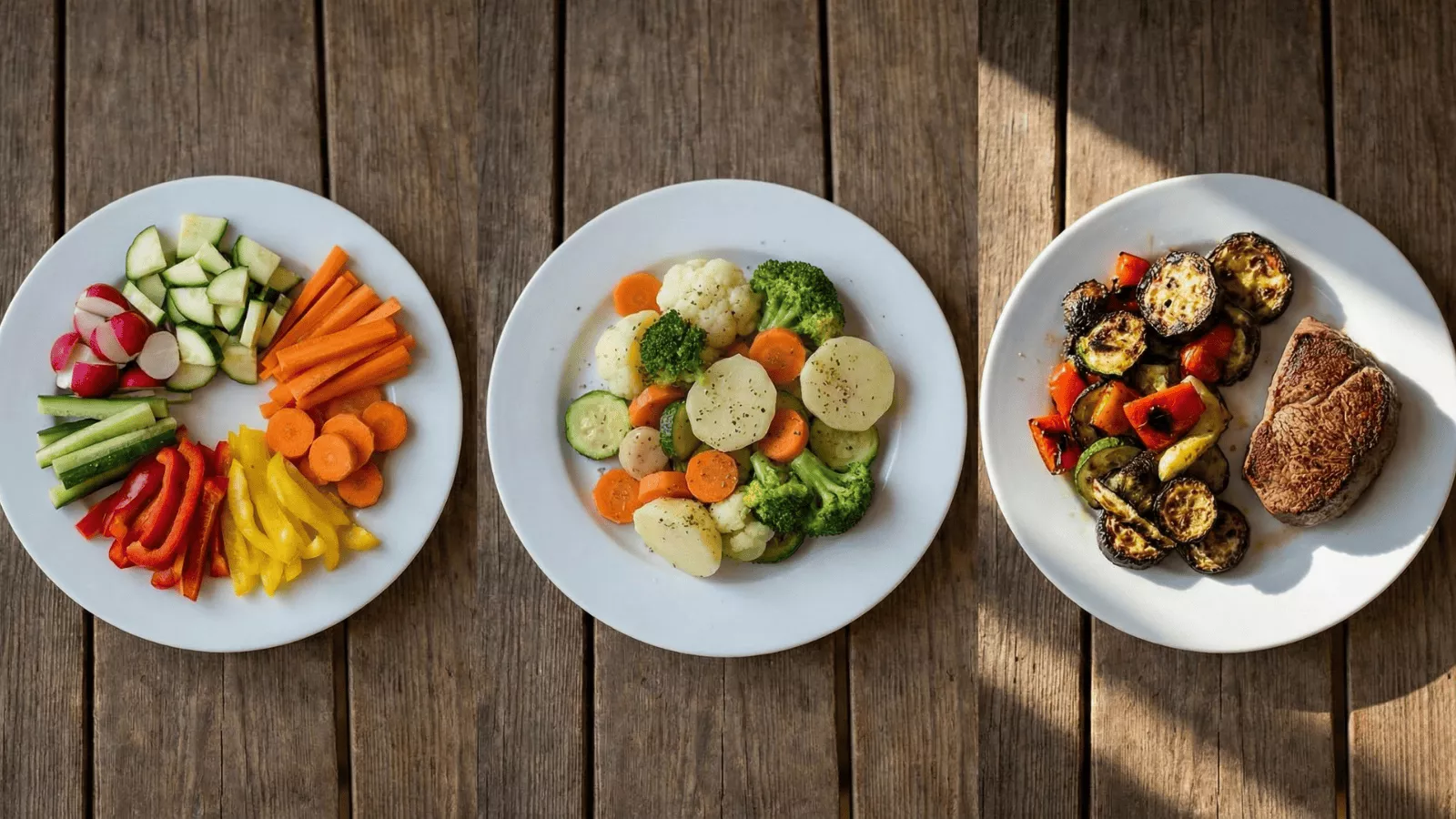 Preparing your meals gives you more control, but it also introduces even more unpredictability. Two people can follow the same recipe and still produce meals with completely different calorie densities. A tablespoon of extra oil, slightly longer cooking time, higher heat, or a handful more cheese—even the smallest decisions shift the total energy content.
This is where using a kitchen scale for calorie tracking often becomes overwhelming. You try to match your food to something in the database, but your version rarely resembles the template in the system. Grilled chicken could have more char, more fat rendered, or more seasoning. Pasta might absorb more water. Vegetables might cook down more than expected.
When cooking changes the numbers so drastically, the next factor becomes even harder for people to manage: getting the portion size right.
Portion Size Estimation Rarely Works
Most people aren’t weighing their meals. And even if they want to, daily life doesn’t always allow it. You grab lunch between meetings, snack during your commute, or share plates with friends. Without a scale, everything becomes guesswork, and our guesses tend to lean in one direction—underestimation.
A “small” serving can easily be more than double what you think. Sauces add hidden calories. Extra bites add up. Those small differences stack up over days and weeks, creating results that don’t match your effort.
Portions are challenging enough, but once recipes become more complex, the process spirals even further. That’s where the next issue steps in.
Complex Recipes Make Tracking Even Harder
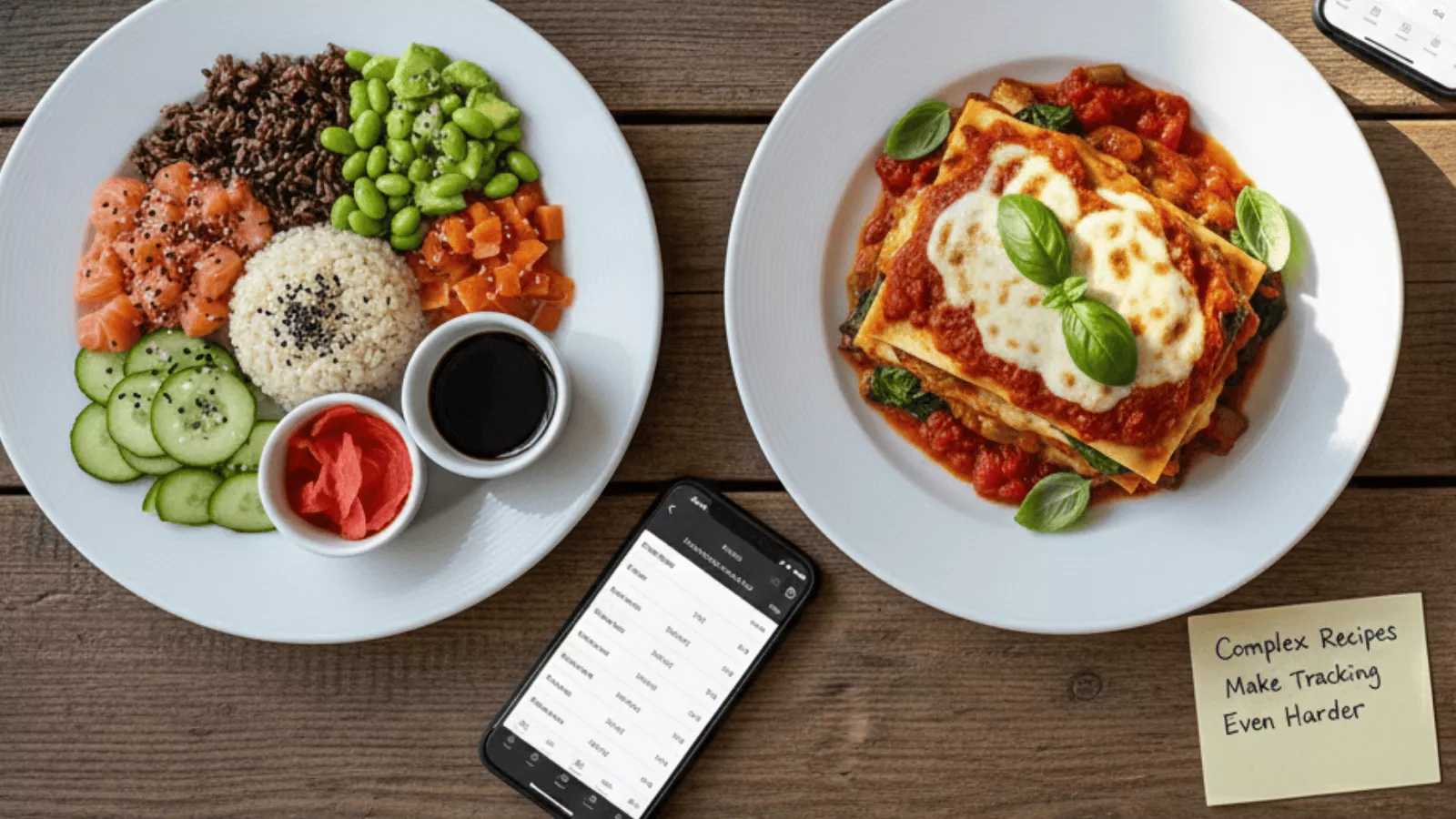 Counting calories for a single ingredient meal is one thing. But most meals aren’t that simple. Soups, casseroles, sandwiches, baked dishes, and stir-fries involve multiple components. You would need to add each ingredient separately, adjust for cooking changes, divide the final dish into equal portions, and hope the calculations stay consistent.
In theory, it’s possible. In real life, people have jobs, responsibilities, families, and unpredictable schedules. Measuring every detail becomes exhausting. That exhaustion quickly leads to skipped entries, which then leads to inconsistent results. Even with a calorie calculator, accuracy fades fast.
If recipes feel confusing, that’s nothing compared to the trickiest source of all: the snacks that feel harmless but aren’t.
High-Calorie Foods That Don’t Look High-Calorie
It’s easy to track your main meals. Most people remember their breakfast, lunch, and dinner. But the small quick bites in between? Those slip through the cracks, and those cracks matter.
A single pastry can contain more calories than your entire lunch. A handful of nuts can match the calories in a full plate of vegetables. That cookie you eat after a tough workout may seem like a reward, but it could pack three or four times more energy than you expect. When your tools don’t recognize these variations, and when you don’t always enter them honestly—especially after exercise—your numbers drift even further away from reality.
And that leads to another truth most people don’t realize: even if the numbers were correct, the calories themselves don’t behave the same way inside your body.
Also Read,
Calorie Tracker Buddy: Best Calorie Counting Apps To Track Your Nutrition
Calories Aren’t Equal Across Foods
A hundred calories from sugar doesn’t affect your body the same way as a hundred calories from lean protein. Protein takes more energy to digest and keeps you full longer. Fat slows digestion. Simple carbs are used quickly and often increase hunger. Your hormones interpret these nutrients differently, which means the calorie total might be the same, but the outcome isn’t.
This nuance is one of the biggest reasons people plateau. They focus on numbers rather than the makeup of the food. When you combine this with the earlier issues, it becomes clear why so many people lose motivation and feel overwhelmed.
Eventually, the biggest challenge appears—the human factor.
People Forget, Skip, Or Quit Logging
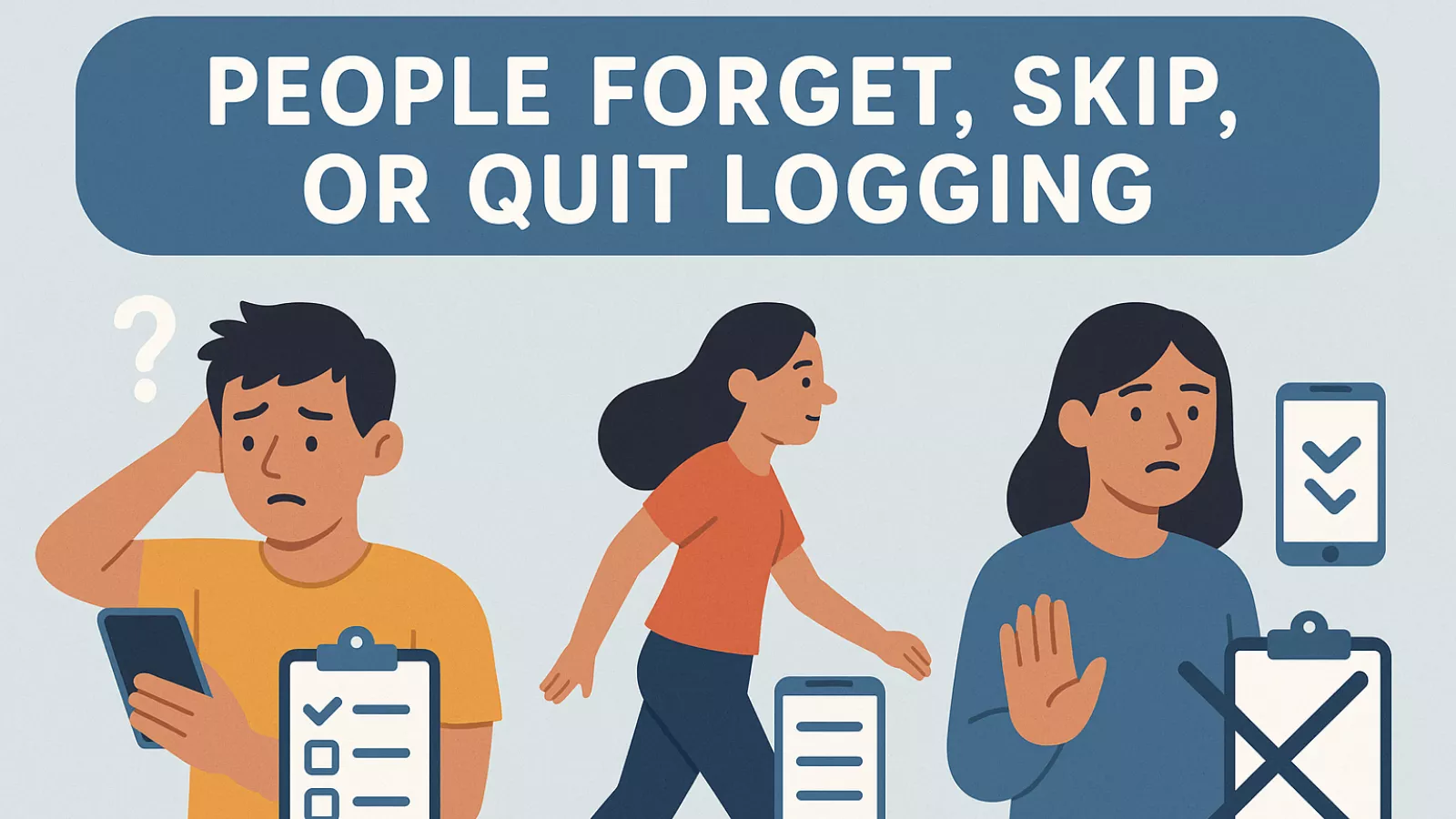 Tracking meals requires consistency. But life gets noisy. You eat on the go. You forget your phone. You’re tired at night. You plan to log your meal later and never do. A day of missed entries becomes two. Then a week. Eventually, the habit fades.
This is where traditional methods fall apart. Even with the best free calorie tracking app, human nature still gets in the way. People don’t mean to quit. The process just becomes too tedious to maintain, especially when results are slow or confusing.
At this point, it becomes necessary to rethink the entire approach. If the traditional method has so many weak spots, what does a modern solution look like?
A Smarter Direction
This is where meaningful progress begins. When the method changes from manual input to guided support, the process becomes lighter. This shift introduces tools that simplify decisions instead of complicating them. And here is where Calorie Tracker Buddy steps in—not as a hard sell, but as a natural solution to the problems people face every day.
Rather than depending on manual entries or estimated data, Calorie Tracker Buddy focuses on clarity. And that clarity becomes the foundation of better routines. Before exploring its full feature set, it’s worth taking a closer look at why this kind of tool feels different from the calorie counter many people have struggled with.
What Calorie Tracker Buddy Brings To the Table?
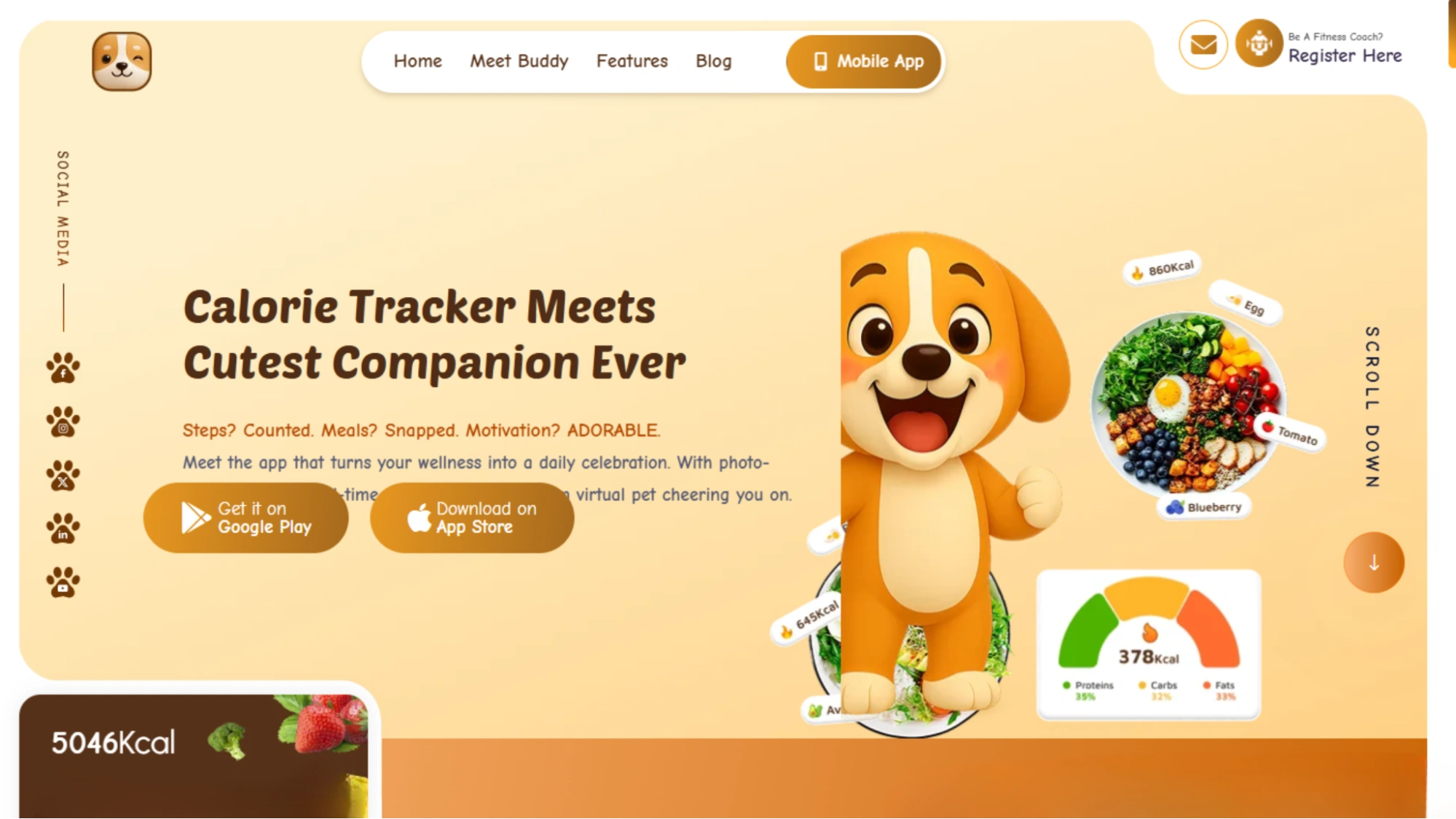
Here’s exactly what Calorie Tracker Buddy brings to the table:
Real-Time Insights That Don’t Feel Overwhelming
Calorie Tracker Buddy cuts down the stress of tracking by simplifying how users interpret their eating habits. You get guidance without the pressure of doing all the math.
Smarter Tools That Learn Your Patterns
Instead of generic templates, the system adapts to your needs, making your progress feel personal. It works with your lifestyle rather than forcing strict routines.
Integrated Tools for Counting and Calculating
Features like built-in analysis, food suggestions, and automatic logs outperform traditional tools like a basic calorie calculator or calorie counter because you’re not left to chase numbers alone.
User-Friendly Design
Clear layouts, summaries, and daily breakdowns make feedback easier to understand. Whether someone is new to tracking or coming back after a break, the experience stays inviting.
Better Consistency Without Pressure
Since the system handles the heavy lifting, you’re more likely to stay on track. That consistency is what eventually builds meaningful change.
By this point, it’s clear why people are gravitating toward higher-accuracy tools. The next question becomes: what actually works best in daily life?

What Works Better Than Manual Logging?
The strongest approach combines automation, awareness, and sustainability. Instead of micromanaging everything you eat, you use a system that supports your decisions without overwhelming you. This reduces the emotional weight that so often comes with calorie tracking, and it builds habits that actually stick.
This framework also lets you focus on the part that truly matters: how you feel, how you perform, and how your long-term health improves. When the numbers don’t get in your way, progress becomes far easier to maintain.
And that brings us to a final thought worth carrying into your own routine.
Final Takeaway
Success with calorie tracking doesn’t come from perfection. It comes from clarity, consistency, and choosing tools that support the way you live. Manual methods served their purpose in the past, but their limitations are too wide to ignore now. With modern technology, you can move toward an approach that feels lighter, more accurate, and more practical—without drowning in complicated logging.
If you’re ready to take the pressure off your shoulders and understand your habits with far less effort, there’s no reason to keep wrestling with outdated methods. Smarter, simpler tools are right at your fingertips.
FAQ
1. Is calorie tracking helpful for beginners who have never monitored their diet before?
Yes, beginners often find calorie tracking helpful because it gives them a clear starting point. It helps them understand how much they eat in a day and how different foods add up. With steady use, calorie tracking also makes portion control feel less confusing and more manageable.
2. How does calorie tracking support people who workout regularly?
People who exercise often struggle to fuel their bodies correctly. Regular calorie tracking helps them see whether they’re eating enough to recover or accidentally going overboard. When done consistently, calorie tracking makes it easier to balance meals with training sessions so the body stays energized without excess intake.
3. Can calorie tracking help someone who doesn’t want to lose weight but wants better eating habits?
Absolutely. Many people use calorie tracking not for weight loss but to improve their daily choices. It gives them a clear view of patterns, like relying too much on snacks or skipping meals. When approached with awareness, calorie tracking becomes a simple way to build more balanced habits without pressure.
4. Do I need to track every single meal to benefit from calorie tracking?
Not always. Some people prefer full logs, while others use calorie tracking only during specific meals or busy periods. Even partial calorie tracking helps you learn what works for your body. Over time, calorie tracking teaches portion awareness so well that many people can estimate without checking constantly.
5. How long should someone rely on calorie tracking before they can eat intuitively?
There’s no fixed rule. Some people use calorie tracking for a few months, while others prefer it longer. The goal is to reach a point where your choices feel natural and consistent. Calorie tracking gives you the knowledge, and once your habits feel steady, you can shift toward intuition without losing structure.