



Listen To The Podcast Now!
What Is Tempeh?
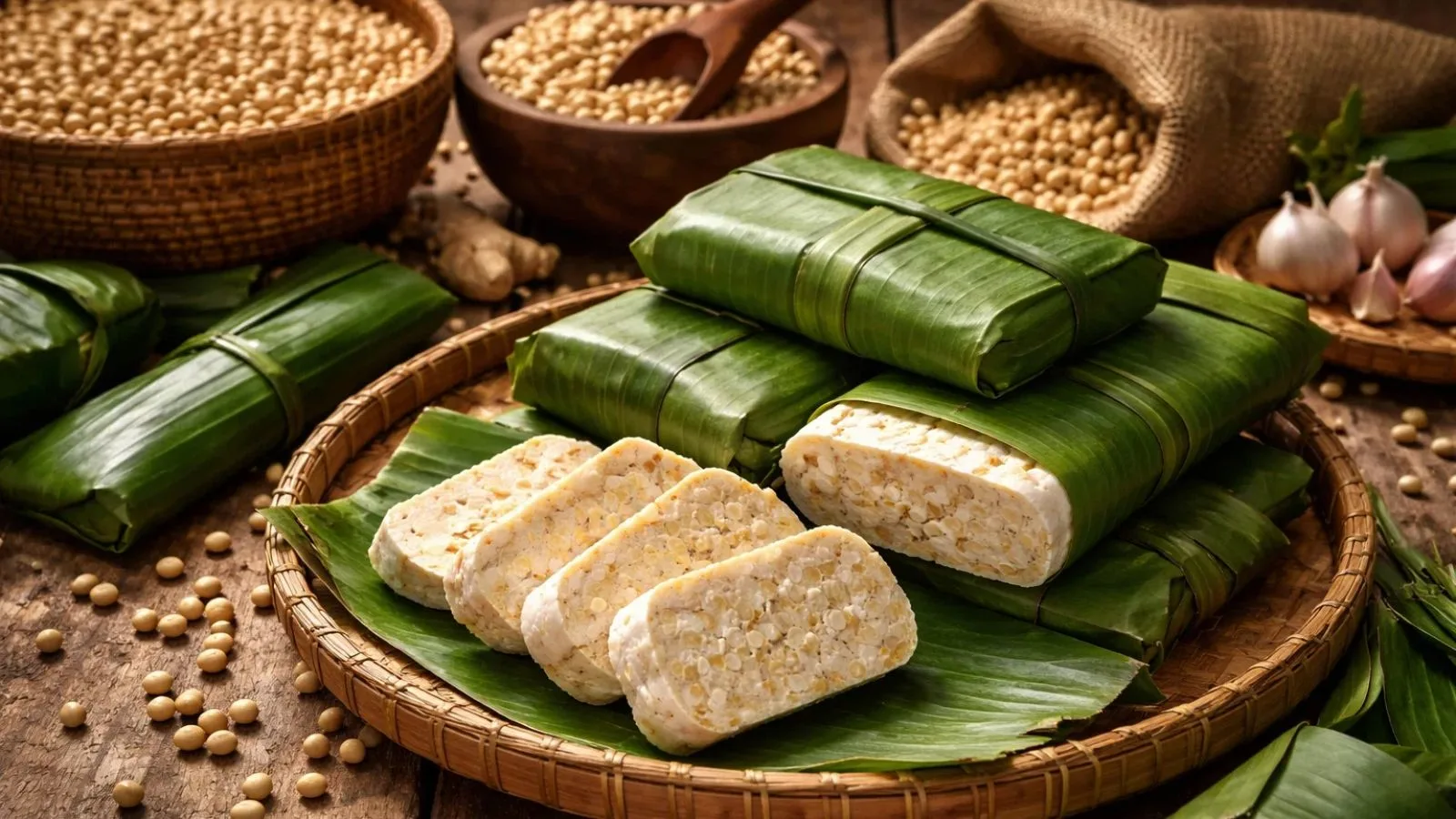
To put it simply, tempeh is a traditional fermented food made from whole soybeans. The soybeans are soaked, cooked, and then fermented using a natural culture, which binds them together into a firm, cake-like block. This fermentation process is what sets tempeh apart from many other soy-based foods.
Originating in Indonesia, tempeh has been consumed for centuries as a staple source of plant protein. Unlike tofu, which is made from soy milk, tempeh uses the entire soybean. This means it retains more fiber, protein, and micronutrients, making it a more filling and nutritionally dense option.
If you’ve ever wondered what is tempeh is and why it’s so popular among health-conscious eaters, the answer lies in its simplicity and versatility. It has a mild, earthy flavor that absorbs marinades well, making it easy to adapt to different cuisines, from Asian stir-fries to Indian-style curries and wraps.
Nutritional Value of Tempeh:
One of the main reasons tempeh stands out in a balanced diet is its impressive nutritional profile. Because it’s made from whole fermented soybeans, it delivers a combination of protein, fiber, and essential micronutrients in every serving.
A typical 100-gram serving of tempeh provides:
- High-quality protein to support muscle maintenance and repair
- Dietary fiber for better digestion and gut health
- Healthy fats, including small amounts of omega-3s
- Complex carbohydrates that help maintain steady energy levels
Tempeh is also rich in important vitamins and minerals such as iron, calcium, magnesium, phosphorus, and B vitamins. The fermentation process plays a key role here; it helps break down anti-nutrients found in soybeans, making minerals easier for your body to absorb.
Compared to many processed protein alternatives, tempeh is naturally low in sugar and free from artificial additives. This makes it suitable for people following vegetarian, vegan, and even diabetic-friendly eating patterns.
Tempeh for Protein: Why It’s a Plant-Based Powerhouse
When it comes to plant-based nutrition, tempeh is often praised for its protein content, and for good reason. It provides a substantial amount of protein per serving, making it a reliable option for those looking to reduce or replace animal-based foods.
On average, 100 grams of tempeh contains around 18–20 grams of protein, which is higher than many other vegetarian protein sources. More importantly, it offers a well-balanced amino acid profile, helping support muscle repair, satiety, and overall metabolic health.
This is why tempeh for protein is especially popular among:
- Vegetarians and vegans
- Fitness enthusiasts and athletes
- People focused on weight management
- Anyone aiming to meet daily protein goals without meat
Compared to tofu, lentils, or beans, tempeh is denser and more filling due to its combination of protein and fiber. It also digests more easily for many people because fermentation reduces compounds that can cause bloating.
If you’re tracking macros or building meals around protein intake, tempeh makes planning simpler and more satisfying.
Top Health Benefits of Tempeh:

Adding tempeh to your meals can support overall health in several meaningful ways. Thanks to its fermentation process and whole-food composition, it offers benefits beyond basic nutrition.
One of the most notable advantages is improved gut health. Fermentation introduces beneficial compounds that help support a healthy digestive system and may promote better nutrient absorption. This can be especially helpful for people who struggle with digesting legumes.
Another key benefit is muscle and satiety support. The combination of protein and fiber helps you feel full for longer, which can reduce unnecessary snacking and support weight management goals. This makes tempeh a smart addition to calorie-conscious diets.
Tempeh may also contribute to heart health. Its fiber content can help manage cholesterol levels, while soy-based compounds are associated with improved cardiovascular markers. Additionally, its low glycemic impact may help with blood sugar balance, making it suitable for people managing insulin sensitivity.
Overall, the long-term tempeh benefits include better digestion, sustained energy, and support for a balanced, nutrient-rich diet.
How to Eat Tempeh: Simple and Tasty Ways:
If you’re new to cooking with tempeh, the good news is that it’s incredibly versatile and easy to work with once you know a few basics. Its firm texture holds up well to different cooking methods, and its mild flavor absorbs seasonings beautifully.
Before cooking, many people lightly steam or boil tempeh for 5–10 minutes. This helps remove any bitterness and allows it to soak up marinades more effectively. While this step is optional, it can make a noticeable difference in taste.
Here are some simple and delicious ways to enjoy it:
- Pan-fried or sautéed with spices, garlic, and vegetables
- Baked for a crispy texture, perfect for bowls and salads
- Grilled and added to wraps or sandwiches
- Crumble-cooked as a plant-based alternative for minced meat in curries, tacos, or pasta sauces
If you’re wondering how to eat tempeh daily, start by adding it to familiar dishes. Use it in stir-fries, pair it with rice or rotis, or toss it into salads for a protein boost. Its adaptability makes it easy to include without changing your entire cooking style.
Tempeh vs Other Protein Sources:
When choosing a protein source, it helps to understand how tempeh compares with other common options. While no single food is perfect for everyone, tempeh stands out for its balance of nutrition, digestibility, and versatility.
Compared to tofu, tempeh is firmer, less processed, and contains more fiber and protein per serving. Because it’s made from whole soybeans, it’s also more filling and keeps you satisfied for longer.
Against lentils and beans, tempeh offers a higher protein density with fewer carbohydrates, which can be beneficial for people watching their carb intake or focusing on macro balance. Fermentation also makes it easier to digest than many legumes.
When compared to animal-based proteins like eggs or chicken, tempeh provides protein without cholesterol and with added fiber, something animal foods lack. It’s a strong option for those aiming to support heart health or reduce meat consumption without sacrificing nutrition.
Overall, tempeh works especially well when you want a plant-based protein that’s hearty, nutrient-dense, and suitable for a wide range of diets.
Is Tempeh Good for Weight Loss and Calorie Tracking?
For anyone focused on weight management, tempeh can be a valuable addition to daily meals. Its balanced combination of protein, fiber, and moderate calories helps support fat loss without leaving you feeling deprived.
One of the biggest advantages is satiety. High-protein foods naturally help control hunger, and the fiber in tempeh slows digestion, keeping you full for longer periods. This can reduce frequent snacking and make it easier to stick to calorie goals.
From a calorie perspective, tempeh offers a strong protein-to-calorie ratio, making it ideal for structured meal planning. It works well in portion-controlled diets and fits into vegetarian, vegan, and flexitarian weight-loss plans.
Tracking portions is key, especially when cooking with oils or sauces. This is where mindful calorie tracking becomes useful; knowing exactly how much you’re eating helps maintain consistency and avoid hidden calories.
Also Read:
Fermented Food: Benefits, Types, and How It Improves Gut Health
Track Your Tempeh Meals with Calorie Tracker Buddy:

Eating healthy becomes much easier when you can see exactly what’s on your plate. If you’re adding tempeh to your meals for protein, weight management, or balanced nutrition, tracking your intake can help you stay consistent and motivated.
Calorie Tracker Buddy is designed to make food tracking simple and stress-free. With an easy-to-use interface, you can log meals, monitor calories, and keep an eye on protein intake without guesswork. Whether you’re meal-prepping tempeh stir-fries or adding it to salads and wraps, tracking portions helps you stay aligned with your goals.
The app is especially useful if you’re:
- Managing weight or fat loss
- Focusing on protein intake
- Following a vegetarian or plant-based diet
- Trying to build healthier eating habits
By pairing nutritious foods like tempeh with smart tracking, you gain better control over your diet and make informed choices every day.
FAQ’s:
Q1: Can tempeh be eaten every day?
Ans: Yes, tempeh can be consumed daily as part of a balanced diet. Its protein, fiber, and micronutrients make it a reliable staple for plant-based eating. As with any food, moderation and variety are key.
Q2: Does tempeh taste good?
Ans: On its own, tempeh has a mild, nutty, and slightly earthy flavor. While it may seem bland at first, it absorbs marinades and spices extremely well, making it flavorful when cooked properly.
Q3: Is tempeh better than tofu?
Ans: Neither is strictly better; it depends on your dietary needs. Tempeh is higher in protein and fiber and is less processed, while tofu is softer and lower in calories. Many people use both in different recipes.