


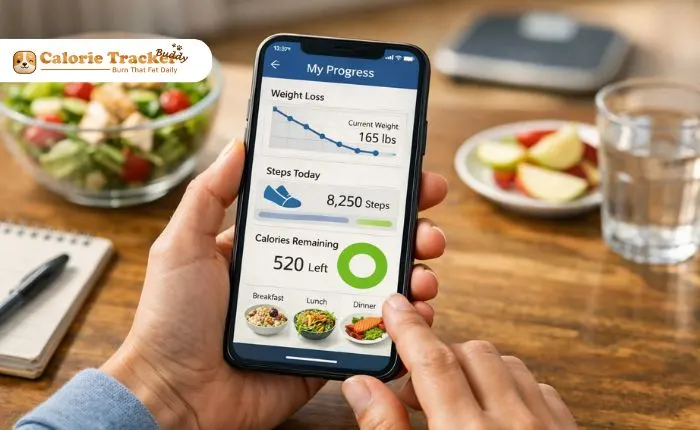
Setting weight loss goals is more than just a number on the scale; it’s a roadmap for creating healthy habits, staying motivated, and achieving lasting results. Many people start their weight loss journey with high expectations, but without clear, realistic targets, it’s easy to feel frustrated or overwhelmed.
Realistic goals provide structure and clarity, helping you focus on actionable steps rather than unattainable ideals. They make it easier to track progress, celebrate small victories, and stay consistent over time. With the help of tools like Calorie Tracker Buddy, you can monitor calories, protein intake, and overall progress, ensuring your goals are not only ambitious but achievable.
Whether you’re looking to lose a few pounds or make significant lifestyle changes, setting well-defined weight loss goals is the first step toward long-term success.
You can listen to this podcast here.
Why Setting Realistic Weight Loss Goals Matters?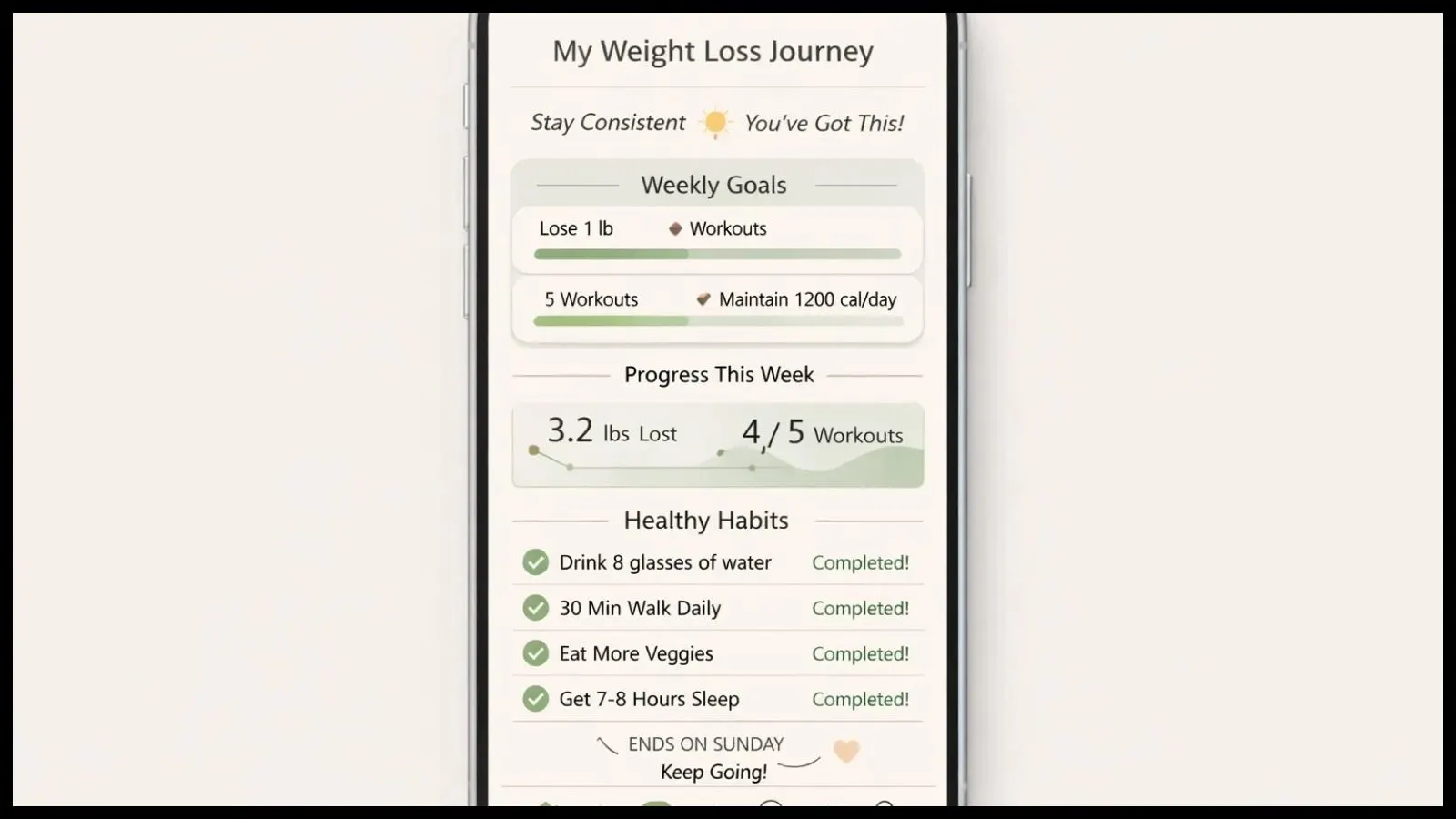
Many people approach weight loss with ambitious targets, aiming to shed large amounts of weight in a short period. While motivation is important, unrealistic goals often lead to frustration, burnout, and even unhealthy habits like crash dieting. This is why setting realistic weight loss goals is crucial for long-term success.
Realistic goals provide a clear roadmap. For example, aiming to lose 1–2 pounds per week is both achievable and sustainable. Such targets help maintain consistency and allow your body to adjust gradually, reducing the risk of muscle loss or metabolic slowdown.
Moreover, realistic goals improve motivation. Achieving small, measurable milestones boosts confidence and reinforces positive behavior. Over time, these incremental successes build momentum, making it easier to stay on track and achieve your long-term objectives.
Ultimately, setting attainable weight loss goals ensures a healthier, more sustainable journey, reducing stress and increasing the likelihood of lasting results.
Understanding the Science Behind Weight Loss
Achieving weight loss goals isn’t just about eating less it’s about understanding the science behind how your body burns calories and uses nutrients. Two key factors play a central role: calorie deficit for weight loss and macronutrient balance.
Calorie Deficit for Weight Loss
A calorie deficit occurs when you consume fewer calories than your body burns. This deficit forces your body to use stored fat for energy, resulting in weight loss. Tools like Calorie Tracker Buddy make it easy to track daily intake and ensure you maintain an appropriate deficit without under-eating or compromising nutrition.
Protein Goals for Weight Loss
Protein is crucial for preserving muscle mass while losing fat. Meeting your protein goal for weight loss not only supports muscle recovery and growth but also helps you feel full longer, reducing cravings and unnecessary snacking. A balanced intake of protein, along with healthy carbs and fats, ensures your body functions optimally during weight loss.
Metabolism and Activity Levels
Your metabolism and daily activity level also influence how many calories you burn. Incorporating exercise—both cardio and strength training—can increase calorie expenditure and support your weight loss efforts. Understanding these factors helps you set realistic weight loss goals and tailor your plan to your body’s needs.
By combining calorie management, protein intake, and physical activity, you create a solid foundation for sustainable and effective weight loss.
Steps to Set Your Weight Loss Goals
Setting effective weight loss goals requires a structured approach that considers your current health, lifestyle, and long-term objectives. Follow these steps to create a plan that is both realistic and achievable:
1. Assess Your Current Weight and Body Composition
Before setting goals, understand where you are starting from. Tracking your weight, body fat percentage, and measurements provides a baseline to monitor progress accurately.
2. Define Short-Term vs Long-Term Targets
Break your journey into manageable milestones. Short-term goals, like losing 1–2 pounds per week, keep you motivated, while long-term targets, such as reaching your ideal weight over several months, provide direction and purpose.
3. Incorporate Lifestyle and Habits
Consider your daily schedule, work commitments, and personal preferences. A plan that fits your lifestyle is more sustainable than one that feels restrictive or unrealistic.
4. Make Your Goals Measurable and Time-Bound
Clearly define what you want to achieve and by when. For example, “I will lose 8 pounds in 8 weeks by maintaining a 500-calorie deficit per day.” Measurable goals help you track progress and stay accountable.
By following these steps, you can set weight loss goals that are realistic, achievable, and tailored to your individual needs, setting the stage for long-term success.
Ways to Lose Weight Effectively
Achieving your weight loss goals requires a combination of nutrition, exercise, and lifestyle adjustments. Here are practical strategies to help you lose weight safely and sustainably:
1. Maintain a Calorie Deficit for Weight Loss
Creating a consistent calorie deficit for weight loss is the foundation of effective fat loss. This doesn’t mean starving yourself—it means consuming slightly fewer calories than you burn while prioritizing nutrient-dense foods.
2. Focus on Protein Intake
Meeting your protein goal for weight loss supports muscle retention and keeps you feeling full longer. Include sources like lean meats, eggs, legumes, and dairy in your meals to promote satiety and metabolism.
3. Combine Cardio and Strength Training
Cardiovascular exercise helps burn calories, while strength training builds lean muscle, boosting metabolism. A balanced exercise routine accelerates progress and supports overall health.
4. Incorporate Daily Activity
Simple lifestyle changes, like taking the stairs, walking more, or stretching during breaks, increase overall calorie expenditure without intense workouts.
5. Track Your Progress
Monitoring weight, measurements, and calorie intake helps you stay accountable. Tools like Calorie Tracker Buddy make it easier to log meals, track protein, and monitor progress toward your weight loss goals.
By combining these approaches, you can implement practical ways to lose weight that support both short-term results and long-term health.
Overcoming Challenges While Pursuing Weight Loss Goals
Even with a solid plan, staying on track with weight loss goals can be challenging. Understanding common obstacles and strategies to overcome them helps maintain consistency and motivation.
1. Dealing With Plateaus
Weight loss plateaus are normal as your body adjusts to new routines. Instead of getting discouraged, consider adjusting your calorie intake, switching up your workouts, or increasing activity levels to continue progress.
2. Managing Cravings and Emotional Eating
Cravings can derail your plan. Focus on balanced meals with enough protein and fiber, keep healthy snacks available, and practice mindful eating to reduce emotional triggers.
3. Staying Consistent
Consistency is key. Even if progress is slow, sticking to your plan helps build sustainable habits. Use reminders, meal prep, and routine check-ins to stay on track.
4. Adjusting Goals When Needed
As you progress, your needs may change. It’s important to revise weight loss goals based on results, lifestyle changes, or evolving priorities. Flexibility ensures long-term success.
By anticipating these challenges and planning for them, you can stay motivated and continue working toward your weight loss goals with confidence.
How Calorie Tracker Buddy Can Help You Achieve Your Goals?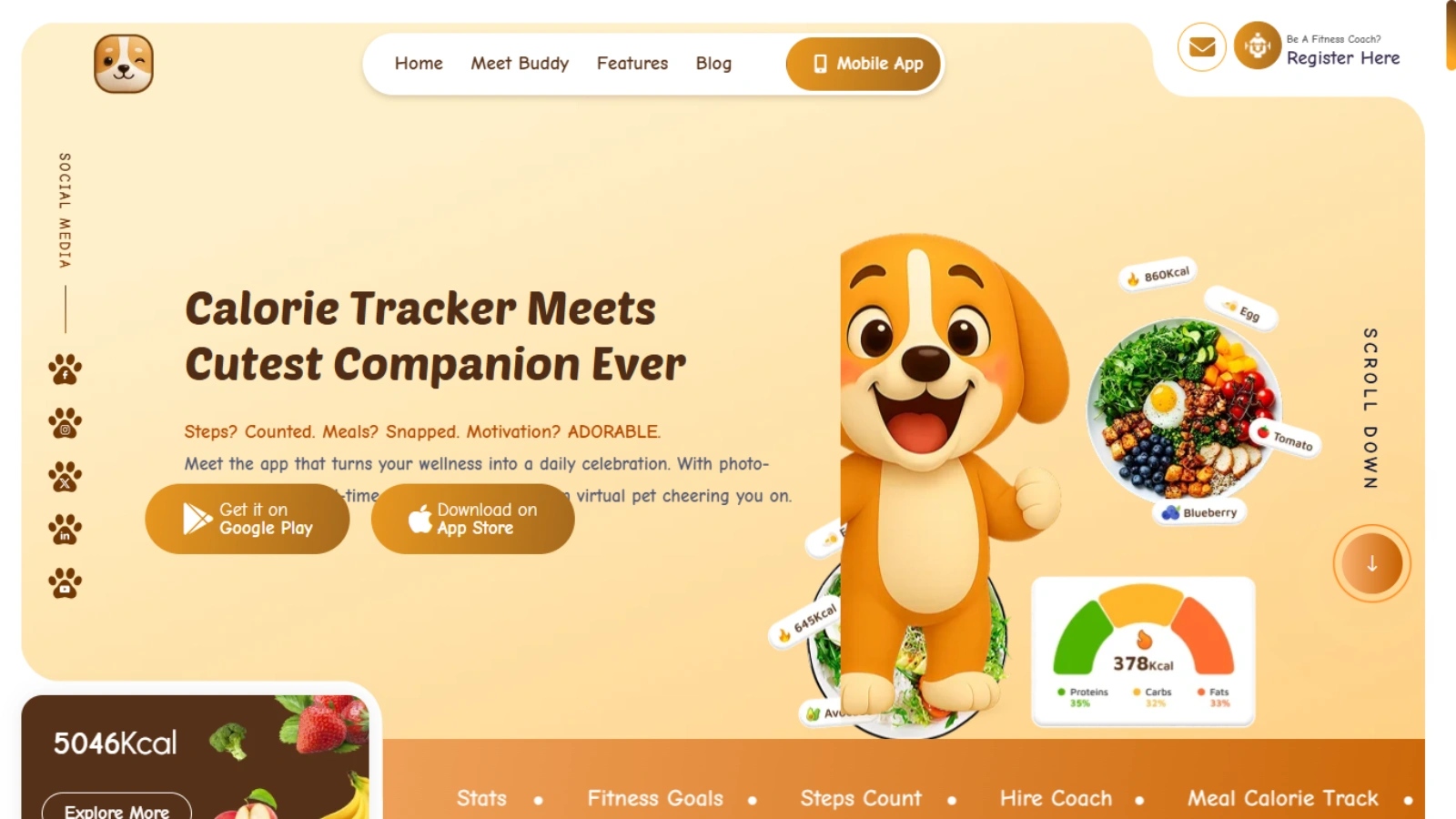
Tracking your progress is essential for reaching your weight loss goals, and Calorie Tracker Buddy makes it simple. This powerful app helps you stay accountable by providing easy-to-use tools for monitoring your diet, exercise, and daily habits.
Key Benefits
- Track Calories and Protein: Log your meals and ensure you meet your protein goal for weight loss while maintaining a healthy calorie deficit.
- Set Realistic Weight Loss Goals: Plan short-term and long-term targets tailored to your lifestyle.
- Monitor Progress: View trends, track weight changes, and celebrate milestones to stay motivated.
- Reminders and Insights: Receive alerts to keep you on track and get tips for improving your nutrition and activity.
By using Calorie Tracker Buddy, you can take the guesswork out of dieting, stay consistent with your plan, and achieve your weight loss goals faster and more effectively.
Tips for Staying Consistent and Motivated
Consistency is the key to achieving your weight loss goals. Even with the best plan, it’s common to face challenges that test your motivation. Here are practical tips to stay on track:
1. Celebrate Small Milestones
Recognize and reward yourself for achieving weekly or monthly targets. Celebrating small wins boosts confidence and keeps motivation high.
2. Track Your Progress Regularly
Using tools like Calorie Tracker Buddy, track your weight, protein intake, and calories. Seeing progress visually reinforces your commitment and helps identify areas for improvement.
3. Accountability Matters
Share your journey with friends, family, or online communities. Accountability partners can provide encouragement and help you stay focused when challenges arise.
4. Be Flexible and Patient
Weight loss is a journey, not a race. Adjust your plan as needed without guilt, and remember that consistency over time is more effective than drastic short-term measures.
5. Mix Up Your Routine
Variety in workouts, meal plans, and lifestyle activities keeps the process engaging and prevents burnout.
By applying these strategies, you can maintain momentum and steadily work toward your weight loss goals while building sustainable healthy habits.
Conclusion
Setting and achieving weight loss goals is about more than just the number on the scale—it’s about creating realistic, sustainable habits that lead to long-term success. By understanding calorie balance, meeting your protein goals for weight loss, and tracking progress consistently, you can make steady progress without frustration or burnout.
Tools like Calorie Tracker Buddy simplify the process, helping you monitor calories, protein intake, and daily activity while keeping your goals realistic and achievable. With structured planning, flexibility, and consistency, reaching your weight loss goals becomes a manageable and rewarding journey.
Also Read,
FAQ’s
1. How important is protein for weight loss?
Meeting your protein goal for weight loss preserves muscle mass, boosts metabolism, and increases satiety, making it easier to stick to a calorie deficit.
2. What is a calorie deficit for weight loss?
A calorie deficit occurs when you consume fewer calories than your body burns, forcing it to use stored fat for energy, which leads to weight loss.
3. What are effective ways to lose weight?
Effective strategies include maintaining a calorie deficit, focusing on protein intake, combining cardio and strength training, and tracking progress consistently.