


Most people start a healthy journey with the best intentions. They switch to salads, cut out soda, and promise themselves they’ll move more. Then, a few weeks in, the motivation fades and the results feel invisible. The missing piece? Consistent, accurate nutrition tracking.
When you know what you’re eating, how much you’re burning, and how each meal moves you closer to or further from your goals, everything changes. This guide breaks down exactly why this approach works, how to do it without burning out, and the tools that make it easier than ever.
In a hurry? Listen to the blog instead!
Why Nutrition Tracking Actually Works?
There’s a reason dietitians, coaches, and fitness professionals have recommended food journaling for decades. Nutrition tracking creates awareness. Most people have no idea how many calories are hiding in their “light” lunch or their evening snack. Tracking removes the guesswork.
Studies consistently show that people who track their food intake lose more weight and maintain it longer than those who don’t. The act of logging a meal alone makes you more mindful about what you choose to eat. It’s not about obsessing over numbers, it’s about building a clear picture of your habits.
Beyond weight, food logging also helps you understand your macronutrient balance. Are you getting enough protein to support muscle? Enough fiber to keep your gut healthy? Enough healthy fats to maintain energy? You can’t answer those questions without data.
The Biggest Mistakes People Make When Tracking Nutrition?
This habit only works when it’s done consistently and honestly. Here are the most common pitfalls people fall into.
Underestimating portion sizes :
Is the number one issue. A tablespoon of peanut butter in your head often looks like two tablespoons on a food scale. Over time, these small miscalculations add up significantly.
Skipping weekends:
is another trap. Many people track Monday through Friday and then abandon it on Saturday and Sunday which, ironically, are often the days with the most calorie-dense meals and drinks.
Only tracking calories :
Without looking at nutrients is also a mistake. You can hit your calorie goal every day while still being deficient in iron, magnesium, or essential amino acids. True nutrition tracking includes a broader view of what’s on your plate.
Finally, many people give up because logging every ingredient feels like too much work. Manually inputting each item is tedious, and that friction kills consistency. This is exactly where modern apps are changing the game.
Also Read:
How Technology Has Transformed Nutrition Tracking?
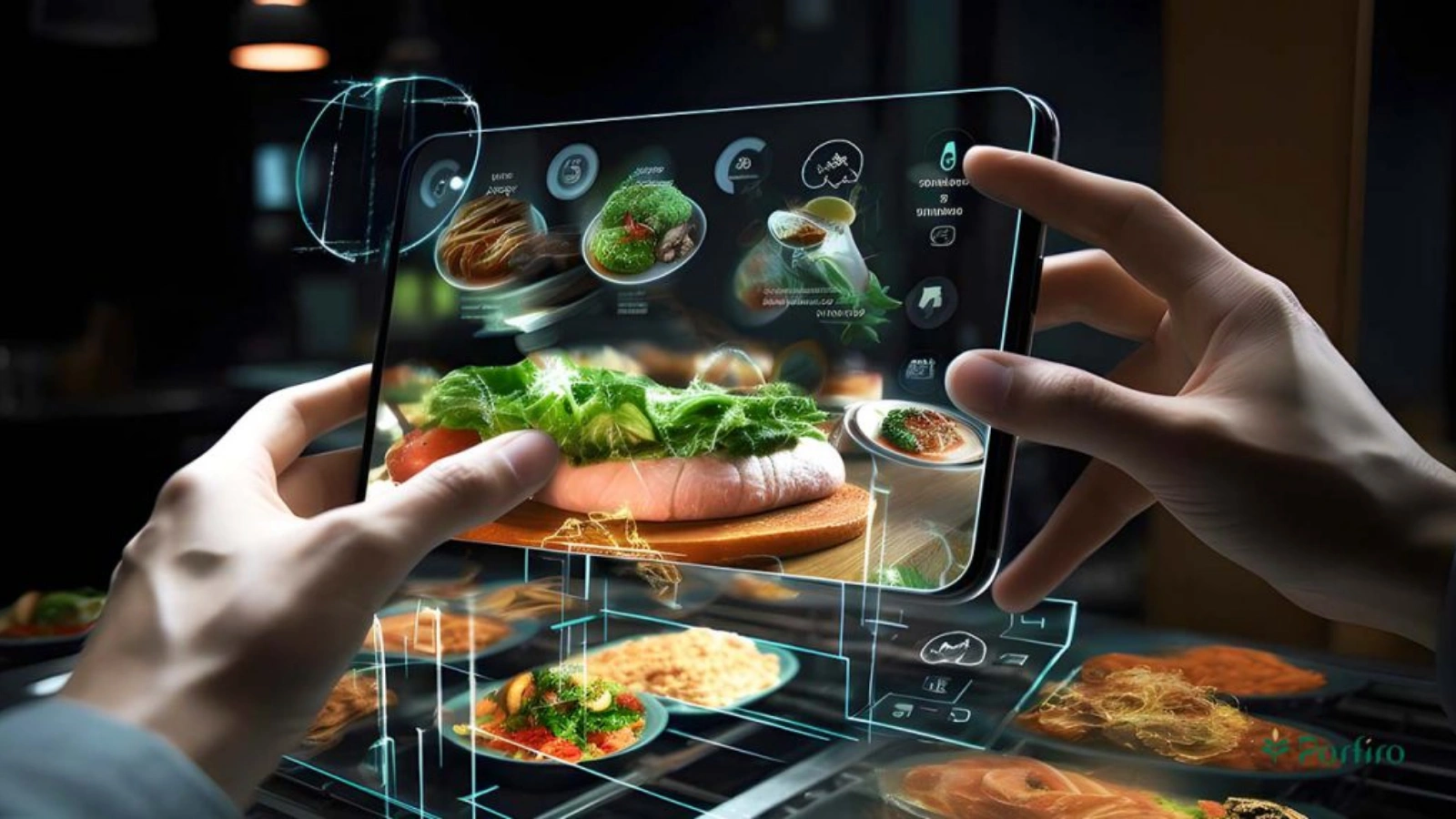
A decade ago, nutrition tracking meant carrying a food diary or spending twenty minutes inputting meals into a clunky website. Today, your phone can scan a plate of food and give you a full nutritional breakdown in seconds.
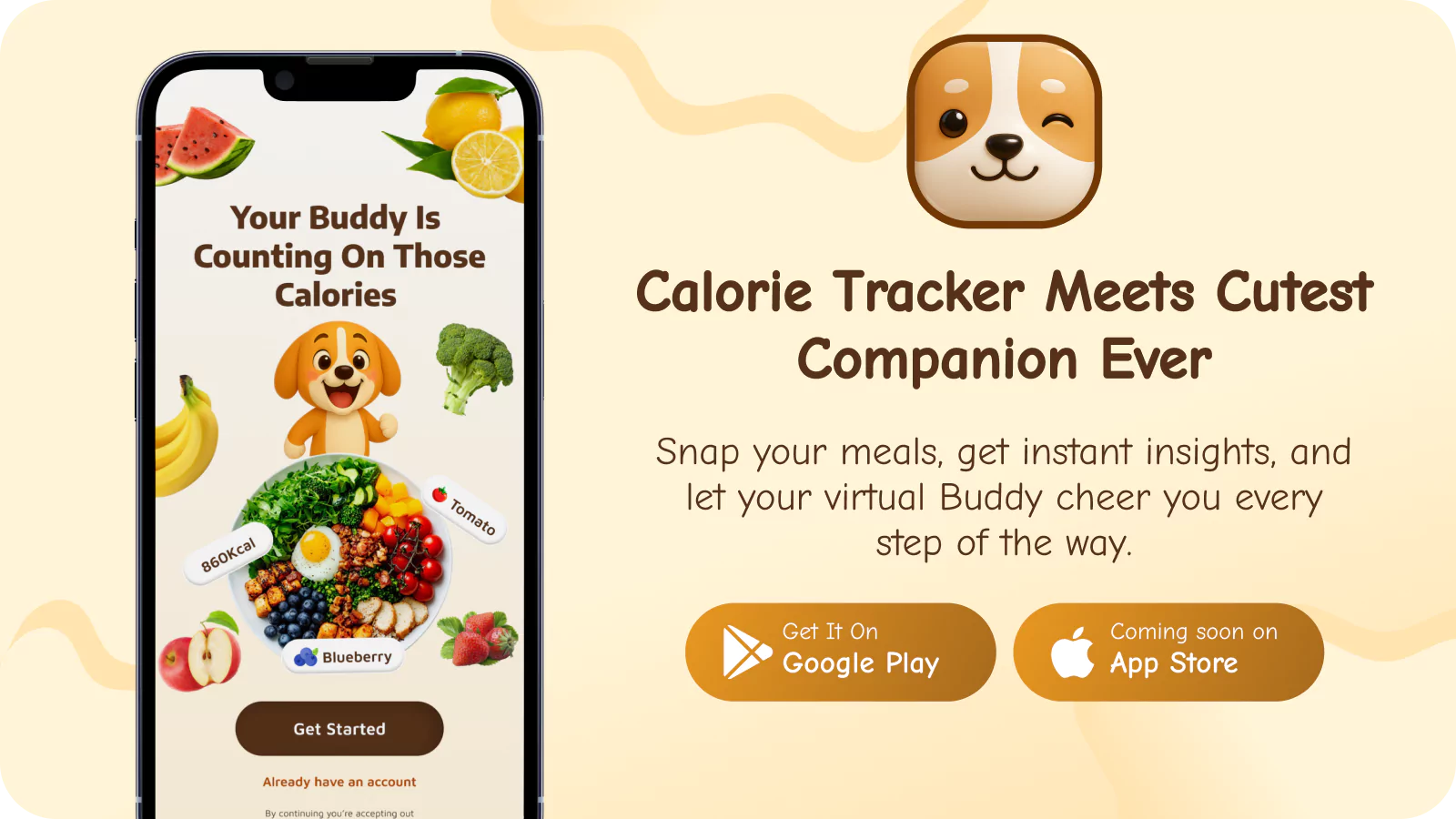
AI-powered apps have made the process fast, accurate, and even enjoyable. One standout in this space is Calorie Tracker Buddy an app that combines smart meal logging with gamification, making healthy habits feel less like a chore and more like a lifestyle. It’s available on both Google Play and the App Store, and it’s designed for real people living real lives, not just hardcore fitness enthusiasts.
Unlike traditional calorie counters that feel clinical and cold, Calorie Tracker Buddy brings warmth and motivation to the whole process. And it does so with features that are genuinely useful, not just flashy gimmicks.
What Makes Calorie Tracker Buddy Your Perfect Health Companion?
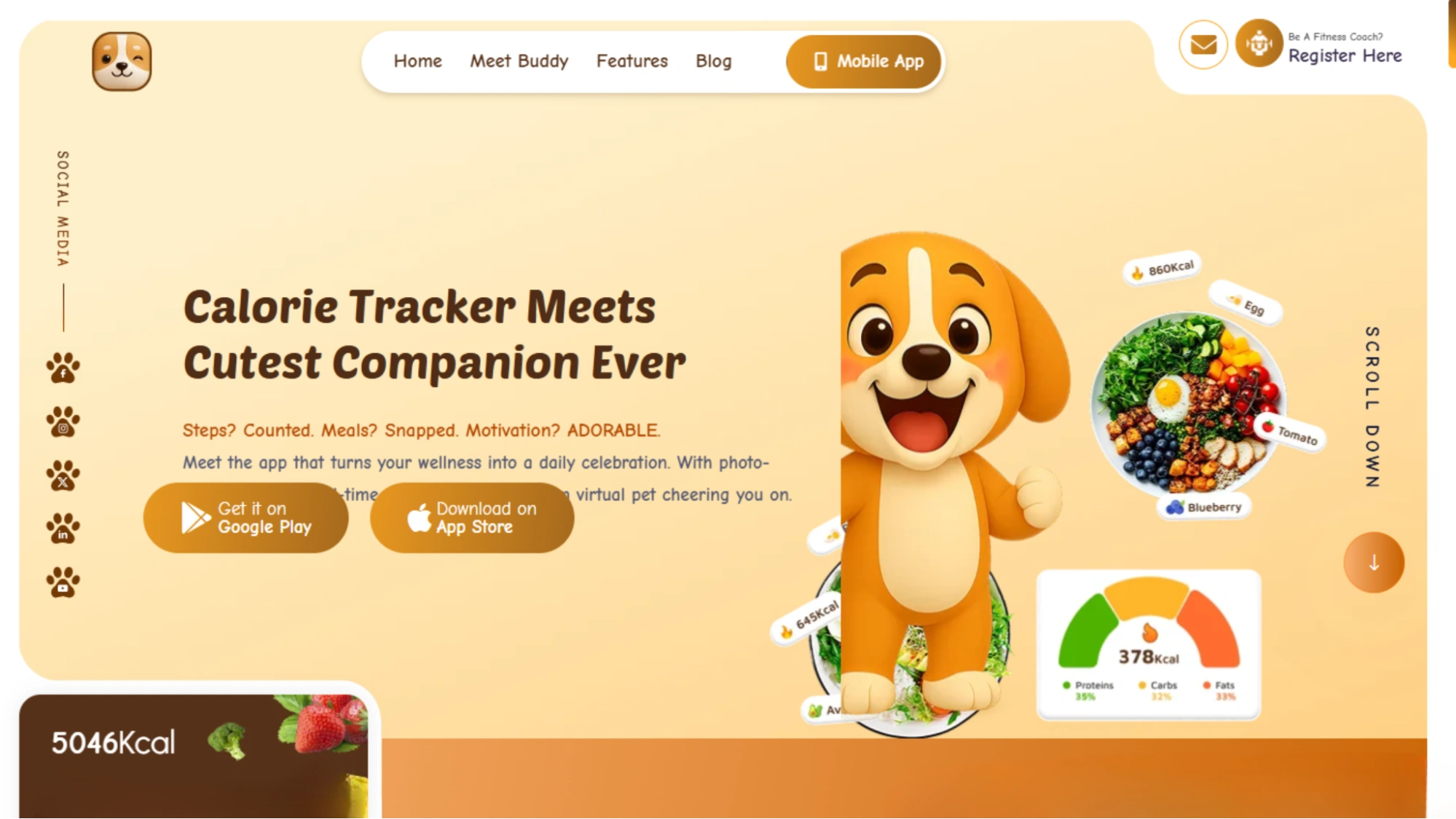
Calorie Tracker Buddy isn’t just another AI calorie tracker. It’s a full wellness companion built around the idea that nutrition tracking should be simple, fun, and motivating. Here’s a closer look at what it offers.
Snap the Meal:
Forget typing in ingredients one by one. With Calorie Tracker Buddy, you simply point your camera at your meal, tap once, and the app scans your food for calories, nutrients, and nutritional balance. It works for home-cooked meals, restaurant dishes, and packaged foods.
This feature alone removes the biggest barrier to consistent nutrition tracking effort.
Calorie Intake Tracker:
The moment you eat, you calculate. The calorie intake tracker gives you instant feedback on how a meal or snack fits into your daily goals. You see right away whether you’re on track, slightly over, or well within your targets. This real-time feedback loop is what makes nutrition tracking so effective for behavior change.
Calorie Burn Tracker:
Food logging is only half the equation. The other half is understanding your energy expenditure. Calorie Tracker Buddy counts everything from your morning run to your evening walk to even the calories burned doing household chores like dishwashing. Every step is counted, and your daily burn is tracked so you always know where you stand.
Goal Predictions:
This is where the app gets genuinely smart. Based on your meals, snacks, drinks, and activity, Calorie Tracker Buddy shows you how close you are to your goal and how each choice impacts your progress. It’s the kind of personalized insight that used to require a nutritionist or personal trainer. Now it lives in your pocket.
Buddy Motivation:
This is what sets Calorie Tracker Buddy apart from every other smart weight loss app on the market. You have a virtual pet your Buddy that grows and thrives based on your healthy choices. Eat well, log your meals, hit your step goals, and your Buddy levels up. Skip days or make consistently poor choices, and your Buddy shows it.
It sounds simple, but the psychological effect is powerful. People are motivated by small, visible signs of progress, and a thriving virtual companion delivers exactly that.
Social Sharing:
Accountability is one of the strongest drivers of long-term consistency. Calorie Tracker Buddy lets you share your meals, streaks, and milestones with friends and followers. Whether you want to celebrate a clean eating week or just show off a beautifully plated dinner, the social layer adds a community dimension to your health journey that keeps you coming back.
Macro and Hydration Tracking:
Beyond calories, the app tracks your macronutrients carbohydrates, protein, and fat along with your water intake. The daily hydration target is set at 2.5 liters, and your step goal defaults to 10,000 steps per day. Both are adjustable to suit your personal needs. Comprehensive logging like this gives you the full picture, not just a calorie count.
Syncs with Fitness Trackers:
Calorie Tracker Buddy integrates with Google Fit, which means your existing fitness data doesn’t go to waste. All your tracked activity feeds into the app, giving you a more complete and accurate picture of your health every single day.
How Do You Build A Sustainable Nutrition Tracking Habit?

Getting started is easier than most people think. The key is removing friction and making it part of your existing routine.
Start by tracking just one meal a day for the first week. Breakfast tends to be the easiest because it’s often the most consistent. Once that feels natural, add lunch, then dinner. Within a few weeks, the habit becomes automatic.
Don’t aim for perfection. A week where you track six out of seven days is far more valuable than one week of perfect tracking followed by two weeks of nothing. Consistency beats intensity every time.
Use the feedback your app provides. If you keep running low on protein before dinner, that’s useful information — it tells you to add a protein-rich snack in the afternoon. If you notice your calories spike on Friday nights, you can plan ahead and make smarter choices. Nutrition tracking is only as useful as the adjustments you make based on what you learn.
Also Read:
Does Nutrition Tracking Work Differently Based On Your Goals?
Your approach looks different depending on what you’re working toward. Here’s how nutrition tracking adapts to each goal:
Weight Loss:
- Focus on maintaining a calorie deficit while eating enough protein to preserve muscle mass
- Tracking helps you identify where your calories are coming from
- Spot areas where you can make sustainable cuts without feeling deprived
Muscle Building:
- Shift focus to hitting daily protein targets consistently
- Ensure you’re eating enough total calories to support recovery and growth
- Many people are surprised to find they’re consistently under-eating once they start logging their food intake
General Health and Energy:
- Aim for nutritional balance across all food groups
- Make sure your diet includes a variety of micronutrients, enough fiber, and adequate hydration
- Monitoring your food intake reveals hidden gaps like consistently low iron intake or a lack of omega-3 fatty acids
The Mental Side Of Tracking
It’s worth acknowledging that keeping a food log can feel overwhelming for some people, particularly those with a complicated relationship with food. If tracking starts to feel stressful or obsessive, it’s okay to take a step back and track more loosely focusing on general categories rather than exact numbers.
The goal of this habit is empowerment, not anxiety. When done with a healthy mindset, it gives you control and clarity. When it starts to feel restrictive or punishing, it’s time to adjust your approach.
Apps like Calorie Tracker Buddy help here because the gamification and social elements keep the experience positive and motivating rather than rigid and clinical.

Conclusion
There has never been a better time to start nutrition tracking. The tools are smarter, faster, and more engaging than ever. You don’t need to be a fitness expert or spend hours planning meals. You just need a phone, a few minutes a day, and an app that makes the process enjoyable.
Calorie Tracker Buddy brings together everything you need meal scanning, calorie tracking, burn tracking, goal predictions, and a virtual companion that actually makes you want to show up every day. Whether your goal is weight loss, better energy, or simply understanding your body better, consistent nutrition tracking is the foundation.
Download Calorie Tracker Buddy on Google Play or the App Store, set your goals, snap your first meal, and let your Buddy do the cheering. Your healthiest self is already on the way.
FAQs
Q1. How many calories should I eat in a day?
Your daily calorie needs depend on your age, gender, weight, height, and activity level. On average, women need around 1,600–2,400 calories and men need 2,000–3,000 calories per day. Using a nutrition tracking app helps you get a personalized daily target based on your specific body and goals.
Q2. Is it necessary to track every single meal?
Not necessarily. Even tracking 80% of your meals gives you enough data to spot patterns and make meaningful improvements. The key is consistency over perfection.
Q3. How long does it take to see results from tracking food intake?
Most people start noticing changes in their eating habits and energy levels within two to three weeks. Visible physical results typically follow within four to eight weeks depending on your goal and consistency.
Q4. Can I track food intake if I eat out frequently?
Absolutely. Most modern food tracking apps have extensive restaurant databases and portion estimation features, making it easy to log meals even when dining out or ordering in.