

There are various diet trends that are going viral on TilTok. You’ve probably seen it, someone on TikTok swears that drinking lettuce water cured their insomnia, or that adding lemon to their coffee melted the pounds away. It sounds wild, but millions of people watch, believe, and actually try these things. And honestly? It’s hard not to get curious.
But here’s the thing, not everything that goes viral is worth following. In fact, a study that analyzed over 67,000 TikTok videos and found that only 2.1% of nutrition content on the platform is actually accurate when compared to real public health guidelines. Yet, nearly 57% of Millennial and Gen-Z TikTok users said they’ve tried at least one trend they saw on the app.
So before you chug that green concoction or cut out an entire food group, let’s break down some of the biggest TikTok diet trends, what’s real, what’s a stretch, and what’s just plain dangerous.
Listen To The Podcast
The TikTok Trends Everyone’s Talking About
1. Lettuce Water for Better Sleep: Cute Idea, Shaky Science
The trend: Boil romaine lettuce, drink the water before bed, sleep like a baby.
The truth: This is one of those viral diet trends that sounds harmless and hopeful, but the science doesn’t quite live up to the hype. There is a tiny bit of science behind this one. Romaine lettuce contains compounds that may interact with receptors in the brain linked to sleep, but this was studied in rodents, not humans. There’s no solid proof it works the same way for us. It’s not harmful, but don’t expect a miracle either. Sticking to a regular sleep schedule and putting your phone down before bed will do far more for your sleep quality.
Verdict: Harmless, but not proven.
2. Lemon Coffee for Weight Loss: A Trendy Lie in a Cup
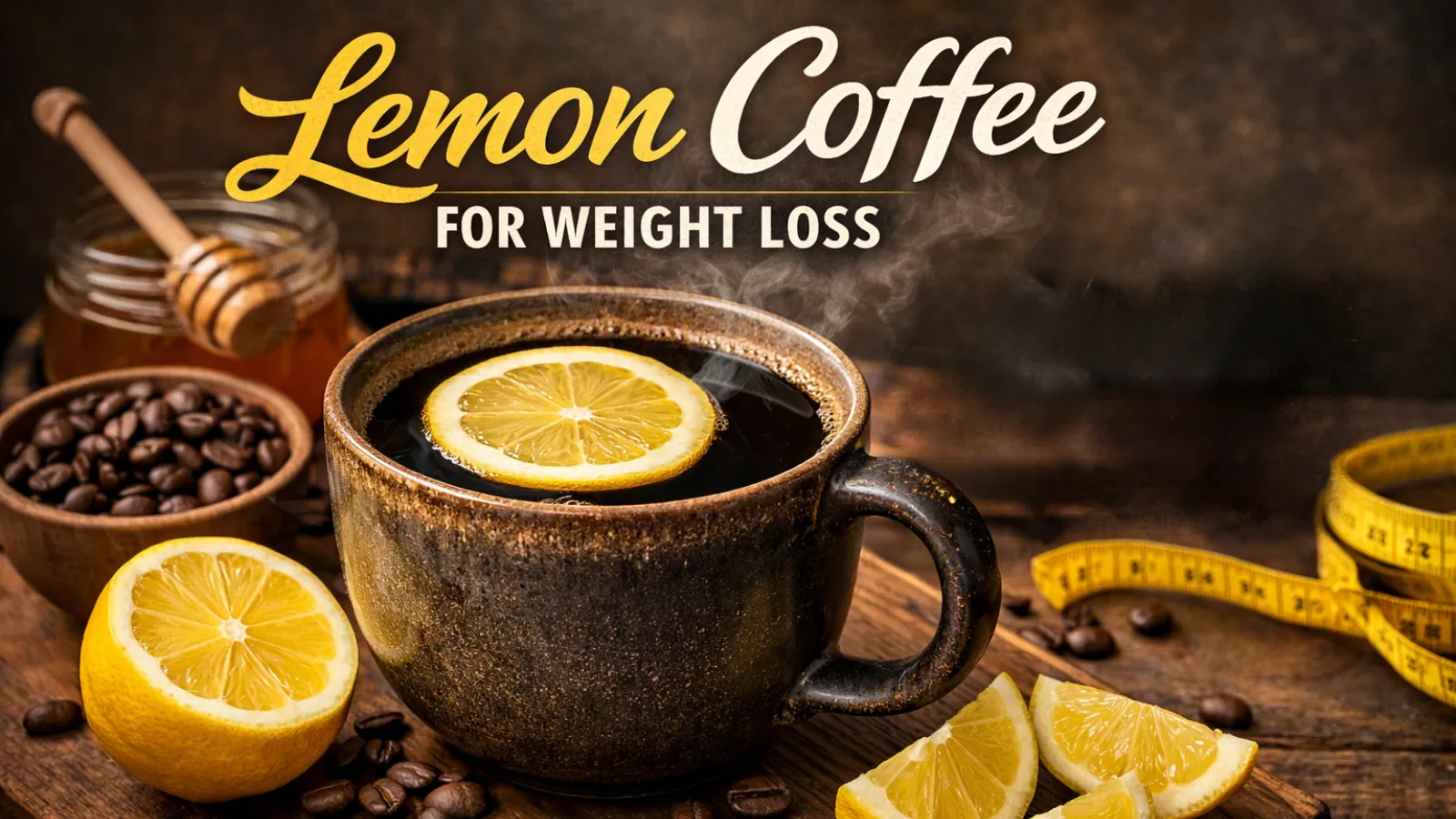
The trend: Squeeze lemon into your morning coffee and watch the fat disappear.
The truth: This one is largely wishful thinking. Coffee does have some metabolism-boosting effects thanks to caffeine, but lemon adds almost nothing to that equation. The idea that one drink can significantly speed up weight loss is what experts call a “magic pill myth.” Lemon coffee won’t hurt you, but it also won’t slim your waistline. A balanced diet and movement will.
Verdict: Harmless, but don’t believe the hype.
3. Ginger Shots: Actually Not Bad
The trend: Another one of the TikTok diet trends going viral in which you down a concentrated shot of ginger, lemon, and cayenne to boost gut health and energy.
The truth: Ginger genuinely has anti-inflammatory and digestive benefits, it’s been used for centuries. So this one has some real backing. The catch? Concentrating these ingredients doesn’t automatically make them more powerful, and for some people, it can actually cause stomach irritation. As a complement to a healthy lifestyle, ginger shots are fine. As a daily health fix? They’re not a substitute for eating well and sleeping enough.
Verdict: Some real benefits, but don’t overdo it.
4. The Internal Shower Drink: High in Fiber, Low in Magic
The trend: Mix chia seeds, water, and lemon juice. Drink it. Supposedly “cleanses” your gut.
The truth: Chia seeds are genuinely good for digestion, they’re packed with fiber, which helps with regularity and better digestion. So the drink itself isn’t bad. But calling it an “internal shower” or a constipation cure is a stretch. Drinking more water and eating more fiber-rich foods every day is what actually keeps your gut happy, not one trendy drink.
Verdict: Decent snack, just not a miracle cleanse.
5. Keto and Intermittent Fasting: Popular, but Not for Everyone
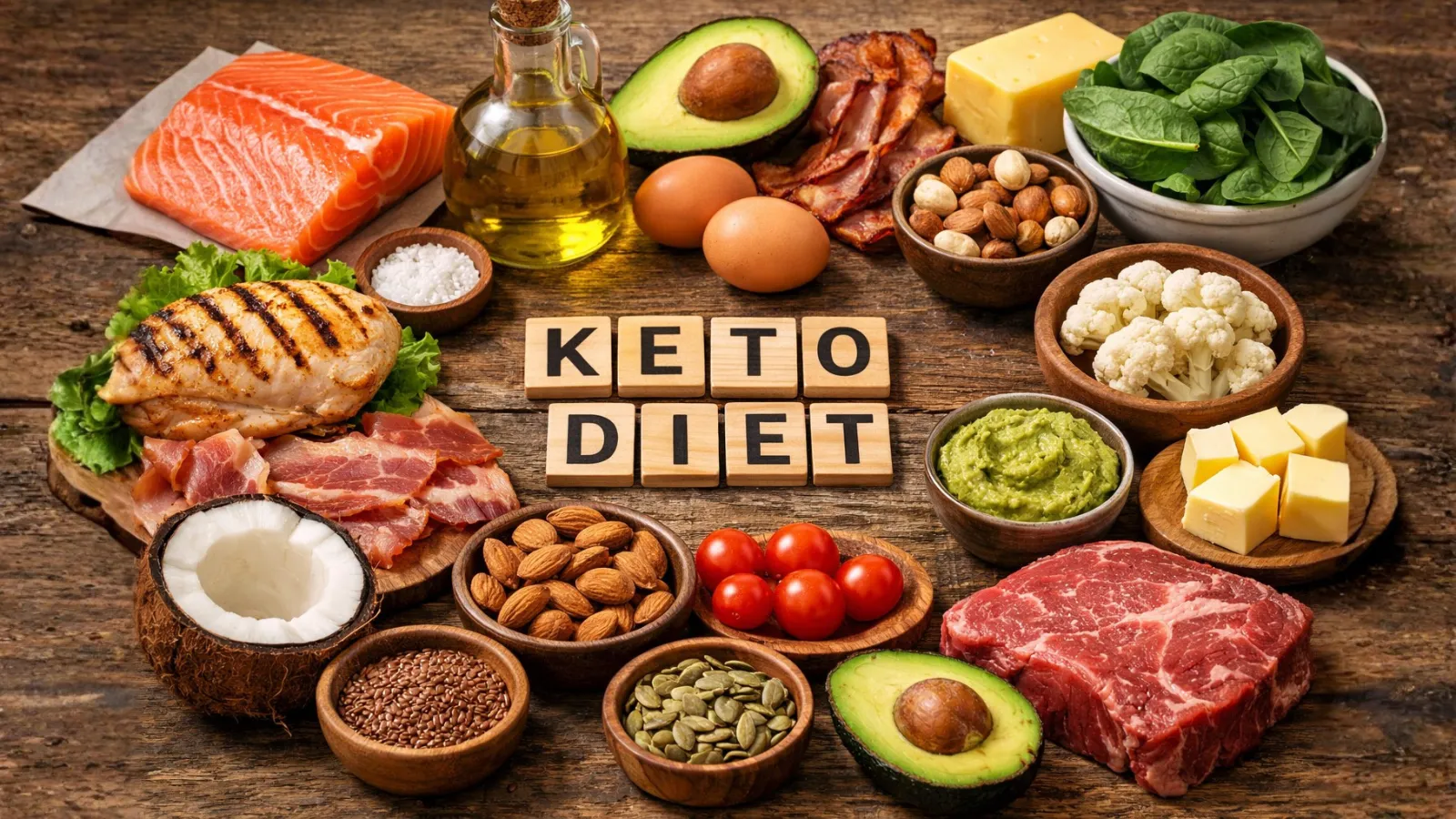
The trend: Either cut all carbs (keto) or only eat within a set time window (intermittent fasting) to lose weight fast.
The truth: These are two of the most talked-about diet trends in recent years. Both of these have actual scientific research behind them, for some people, under some circumstances. Keto can help with weight loss and blood sugar management, and intermittent fasting has shown benefits for metabolism and cellular health. But here’s the problem: TikTok makes them look like universal solutions. They’re not. Keto isn’t suitable for people with certain liver or pancreatic conditions. Intermittent fasting can be risky for people with a history of eating disorders or those who are pregnant. Without medical guidance, jumping into either of these can backfire badly.
Verdict: Real research, but needs personalization and professional guidance.
6. Detox Teas and Juices: Expensive Bathroom Trips
The trend: Drink a special tea or juice “cleanse” to remove toxins, lose weight, and feel amazing.
The truth: Your liver and kidneys are already doing this job for free. There’s no scientific evidence that any tea or juice removes toxins in a meaningful way. Many “detox” teas contain senna, a laxative, which causes short-term water weight loss, not fat loss. Some can even interfere with medications. The weight comes back, and the side effects are very real.
Verdict: Skip it. Your organs already have this covered.
7. Dry Scooping Pre-Workout Powder: Genuinely Dangerous
The trend: Swallow protein or pre-workout powder dry (no water) for faster results.
The truth: Unlike some viral diet trends that are merely ineffective, this one is genuinely risky. There is zero scientific support for this. Dry powder is a choking hazard, can irritate your lungs, and pre-workout powders often contain high doses of caffeine; consuming them all at once without water can cause heart palpitations and cardiovascular stress. This trend has sent people to the hospital.
Verdict: Do not try this. Ever.
8. Long Walks: The One That Actually Holds Up

The trend: Take a long walk, listen to music you love, and think about your goals and what you’re grateful for.
The truth: Walking is genuinely one of the best things you can do for your body and mind. The mental health component, setting intentions, practicing gratitude, is backed by psychology research too. This is one TikTok trend that’s not just safe, it’s genuinely good for you.
Verdict: A rare TikTok Win. Keep walking.
Also Read
Why Does This Misinformation Spread So Fast?
TikTok’s algorithm is built for engagement, not accuracy. It pushes content that gets likes, comments, and watch time, not content that’s scientifically vetted. A video of someone claiming lemon water cured their bloating will always outperform a calm, measured explanation from a registered dietitian, simply because it’s more dramatic and shareable. This is exactly how questionable diet trends gain traction overnight.
To make it worse, most of the people giving nutrition advice on TikTok have no formal training in health or nutrition. A study from the University of Vermont found that the majority of diet advice on TikTok comes from influencers without any credentials, people who went viral for their personality, not their expertise. As a result, misleading diet trends often spread faster than evidence-based guidance.
Meet Your Calorie Tracker Buddy: The Smarter Way to Stay on Track
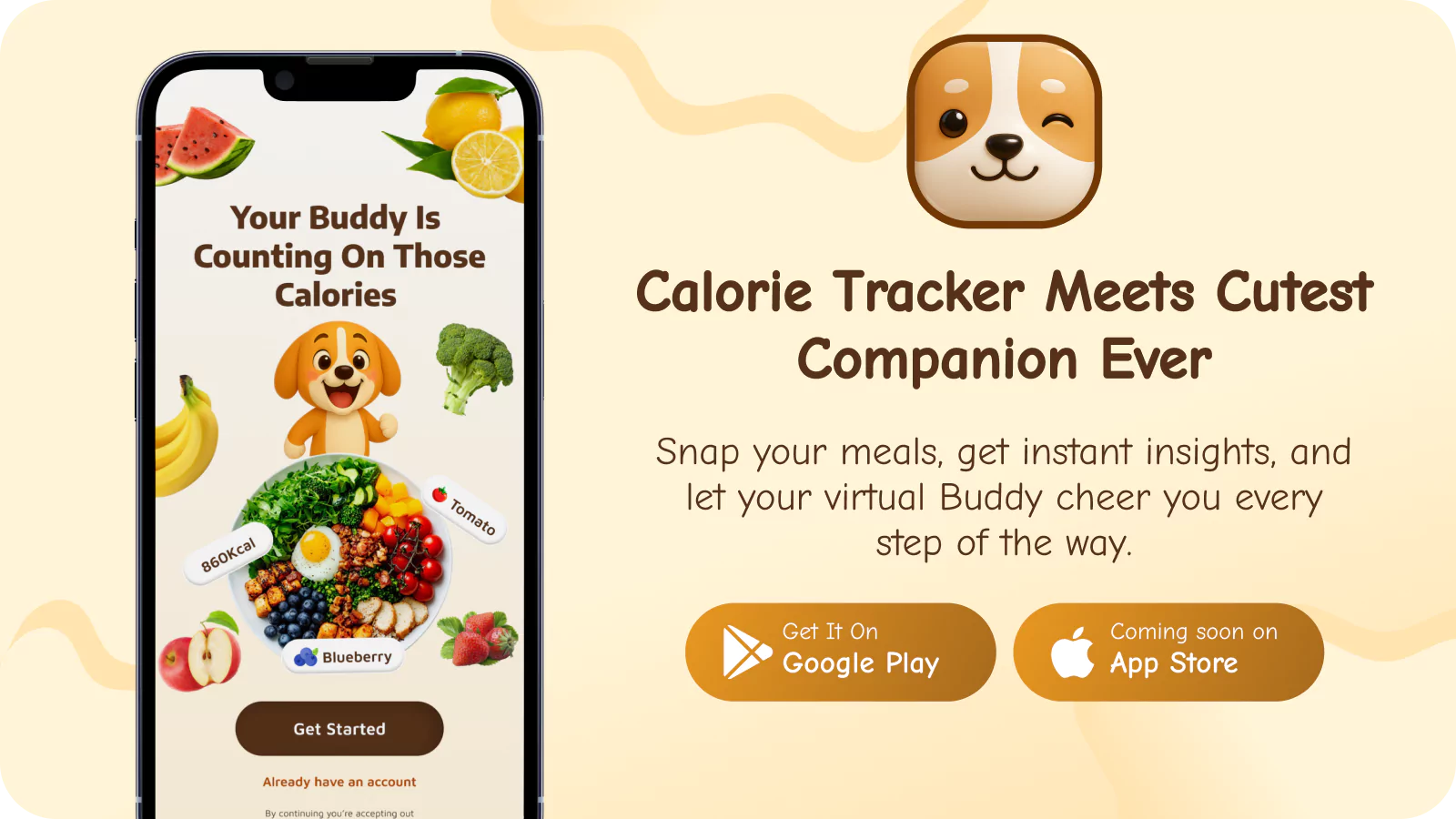
Forget the detox teas, viral food hacks, and confusing diet trends. What if staying healthy actually felt… fun? That’s exactly what Calorie Tracker Buddy is built for, a real tool wrapped in a genuinely enjoyable experience.
Think of it as your pocket-sized health companion that works with you, not against you. Here’s what it brings to the table:
- Snap Your Meal: No calorie-counting stress. Just take a photo of your food and the app figures out the calories, nutrients, and nutritional balance for you, instantly
- Calorie Burn Tracker: Whether you’re washing dishes or dancing in your kitchen, everyday movements count. The app tracks it all, not just your gym sessions
- Calorie Intake Tracker: Log your meals in seconds and get a clear picture of how your food choices are stacking up against your daily goals
- Hydration & Step Goals: Stay on top of your 2.5L water target and 10,000 daily steps without having to think too hard about it
- Your Virtual Buddy: This is the fun part. You have a little virtual pet that actually grows stronger with every healthy decision you make. Skip the junk food? Buddy levels up. Hit your water goal? Buddy thrives
- Goal Predictions: No more guessing. The app shows you exactly how close you are to your goal and how today’s choices are affecting tomorrow’s progress
No gimmicks, no pseudoscience, just honest tracking and a buddy who’s rooting for you every single day.
How to Spot Bad Nutrition Advice Before You Fall for It
Before you try the next trending hack or viral diet trends, run through this quick checklist:
Check the credentials. Look for RD or RDN in the person’s bio. Registered Dietitians go through years of science-based education, clinical training, and must keep their credentials updated. “Health coaches” and “nutritionists” don’t require any formal training in most places.
Watch for red flag words. Terms like detox, cleanse, reset, toxins, quick fix, or never eat X are almost always signs of misinformation. Real nutrition advice is nuanced, it doesn’t deal in absolutes.
Do a quick gut check. Ask yourself: Does this seem too good to be true? Is this person selling something? Is their advice based on their appearance rather than actual science? If yes, step back.
Use trusted sources. Refer to evidence-based organizations like the CDC, FDA, NIH, and USDA (US), or ICMR, NIN, and FSSAI (India). When in doubt, consult a qualified registered dietitian in your region.
The Bottom Line
TikTok is fun. Some of its health content is genuinely useful. But the vast majority of diet trends on the platform, nearly 98% according to research, don’t hold up against real nutrition science. Following the wrong advice can lead to nutrient deficiencies, worsened eating habits, and in some cases, real harm.
Your health is worth more than a viral moment. Stick to science, seek out qualified professionals, and build habits that actually last, one healthy choice at a time.

Frequently Asked Questions
Are any TikTok diet trends actually safe to follow?
Some trends, like walking and adding chia seeds to your diet, are backed by real science and are generally safe. However, always cross-check any trend with a qualified nutritionist or registered dietitian before making it part of your routine.
Why is so much nutrition misinformation popular on TikTok?
TikTok’s algorithm prioritizes engagement over accuracy. Dramatic, simple-sounding health claims tend to get more views and shares than nuanced medical advice, making misinformation spread faster than the truth does on the platform.
How can I tell if a TikTok health influencer is actually qualified?
Look for “RD” or “RDN” in their bio, these are regulated credentials that require years of education and clinical training. Anyone can call themselves a “health coach” or “nutritionist” without any formal qualifications in most regions, which is why many viral nutrition trends are promoted by people without proper expertise.
Can tracking calories help me avoid falling for TikTok diet fads?
When you track your actual intake and see real data about your nutrition, you’re less likely to be swayed by vague promises or trending diet trends. Knowledge of your own habits is one of the best defenses against misinformation.