

Gut health shapes your energy, mood, digestion, skin health, immunity, and overall wellness. More people now look for ways to support their gut microbiome naturally, and one of the simplest ways to do that comes from their plate. The right ingredients help beneficial bacteria grow stronger and support your digestive system better. That’s where prebiotic foods become a game-changer.
Instead of complicated diets or strict routines, a few smart meal swaps help you fuel your gut bacteria with the nutrients they love. These fibers feed friendly microbes and help them thrive, creating a healthy balance inside your gut.
Listen To The Podcast Now!
What Are Prebiotics And Why Do They Matter?
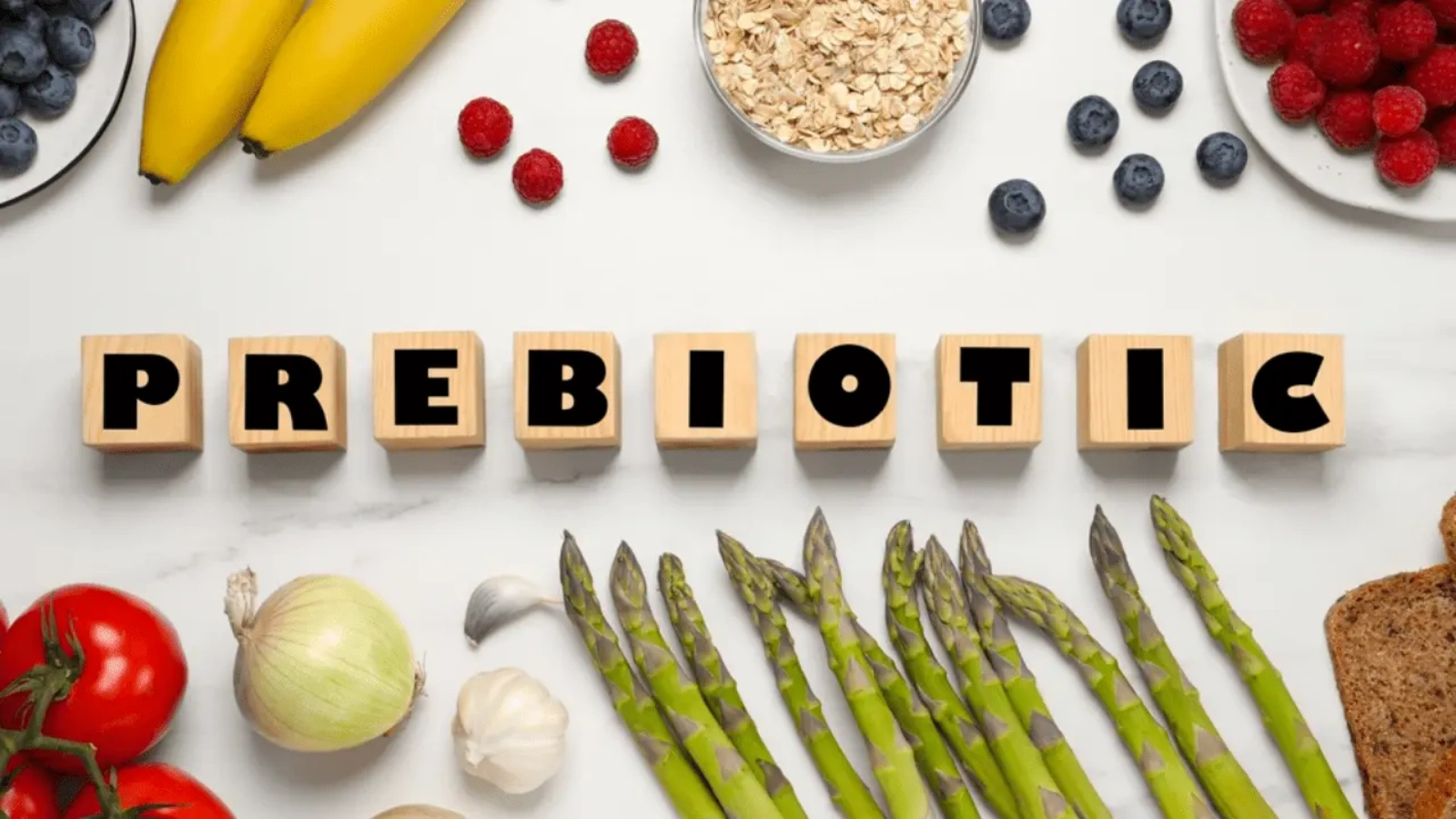
Prebiotics are a type of dietary fiber that your body does not digest. Instead, they travel to your gut and act as food for healthy bacteria. They support growth, protect balance, and keep harmful bacteria under control.
When your gut bacteria receive the right fuel, you experience smoother digestion, better nutrient absorption, improved mood support, and stronger immunity. That’s why many nutritionists love recommending prebiotic foods as part of everyday meals.
Instead of chasing complicated trends, focus on prebiotics give your gut exactly what it needs to function at its best.
Why Include Prebiotics In Your Meals?
If you ever wondered why to include prebiotic in your meals, the answer is simple: your gut bacteria depend on them to stay strong and active. Without this fuel, beneficial bacteria struggle to survive, and your gut balance weakens.
When you include prebiotic foods in your daily routine, you support:
- Better digestion
- Reduced bloating
- Stronger immunity
- Smoother bowel movements
- Stable energy levels
- Balanced microbiome
You don’t need a strict diet to enjoy the benefits. A few smart food choices make a meaningful difference.
Best Foods That Have Prebiotics
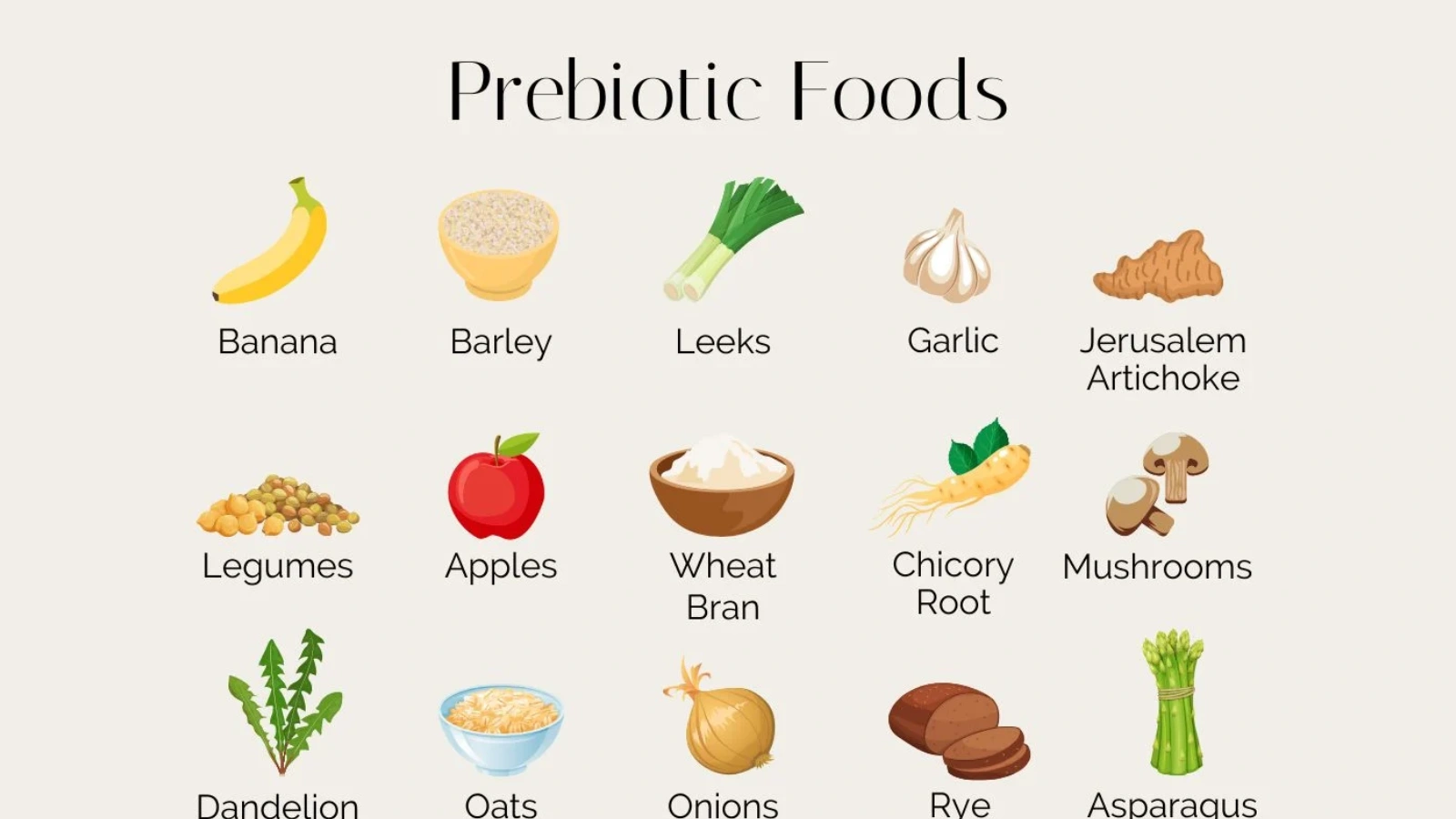
Most people already eat some foods that have prebiotics, but they may not realize it. The trick is adding enough variety to help different bacterial groups grow.
Here are 10 powerful prebiotic foods to include in your meals:
1. Garlic
Garlic stands strong at the top because it naturally supports gut strength in many ways. It contains a special type of prebiotic fiber that fuels the growth of friendly bacteria inside the gut. Regular garlic intake helps reduce harmful bacterial strains and supports smoother digestion. You can add it to curries, salads, soups, dips, sautéed veggies, and marinades. Even small amounts help your microbiome stay balanced while adding bold flavor to your meals.
2. Bananas
Bananas work as simple, gentle, and effective prebiotic foods. Their resistant starch and natural fibers give your gut steady support. These fibers break down slowly inside the intestine, which helps nourish good microbes and keeps digestion comfortable. A banana with breakfast, blended into smoothies, added to oats, or eaten as a daily snack works well for gut nourishment.
3. Onions
Onions bring strong digestive support because they carry natural prebiotic fibers that the gut easily uses. They help keep the microbiome balanced and stable when included in regular meals. You can eat them both in raw and cooked salads, soups, gravies, sandwiches, and stir-fries, all become better with onions. Their flexibility makes them one of the easiest prebiotic foods to include daily.
4. Oats
Oats remain one of the most useful prebiotic foods because they contain beta-glucan, a powerful fiber that gut microbes thrive on. This fiber improves digestion, reduces discomfort, and helps keep you full longer. You can enjoy oats as oatmeal, overnight oats, granola, or add them to smoothies and baked snacks. Their slow-digesting nature supports steady energy and strong gut function.
5. Apples
Apples offer pectin, a natural fiber that plays an important role in feeding good bacteria. This fiber moves smoothly through your system and supports digestion, reduces bloating, and improves stool regularity. Eating apples daily fresh slices, smoothies, salads, or baked dishes, helps your gut stay balanced. Both the skin and the flesh provide valuable prebiotic support.
6. Chicory Root
Chicory root carries one of the highest natural amounts of prebiotic fiber among all plant foods. It helps beneficial bacteria grow fast and strengthens the overall gut environment. Many gut-support supplements use chicory extract because of its strong effect on microbial balance. You can find it in roasted chicory drinks, fiber blends, or even baked recipes. Even small amounts create noticeable gut benefits.
7. Asparagus
Asparagus delivers a mix of prebiotic fiber, antioxidants, and essential vitamins that work together to support gut comfort. These fibers help friendly bacteria multiply and strengthen your digestive process. Lightly grilled, sautéed, roasted, or steamed asparagus makes meals more nourishing. Its unique fiber structure gives long-lasting digestive support without feeling heavy.
8. Flaxseeds
Flaxseeds pack fiber, healthy fats, and gut-friendly compounds that help your microbiome stay active and balanced. They break down easily and support digestive flow. You can sprinkle them over yogurt, oats, smoothies, baked goods, or salads. A single spoonful daily helps improve gut comfort, reduce inflammation, and support overall nutrient absorption.
9. Seaweed
Seaweed offers rare fibers not commonly found in everyday foods. These fibers support the growth of a diverse set of gut bacteria, making your microbiome more resilient. Even small servings of nori sheets, dried seaweed snacks, soups, and salads add valuable prebiotic support. It also contains minerals that support overall digestive health.
10. Beans and Lentils
Beans and lentils remain at the top of the list of best natural prebiotic foods because they contain resistant starch, along with a high fiber content. These nourish your gut bacteria while giving meals high satiety and steady energy. Soups, dals, salads, wraps, or curry dishes with beans and lentils support digestion and help improve gut balance when eaten regularly.
These 10 prebiotic foods help build a stronger gut and make meals both nutritious and enjoyable.
Read More!
Top 10 High Fiber Foods To Control Your Calories
How To Slim Down & Feel Great With High Fiber Foods?
Nutritional Psychiatry: How Food Shapes Your Mood, Mindset, And Brain Health.
Understanding Fructo-Oligosaccharides (FOS)
Many prebiotic foods contain fructooligosaccharides, a natural fiber group that supports strong gut function. FOS helps friendly bacteria grow and strengthens your gut environment. It also keeps harmful microbes under control and improves overall comfort.
FOS supports your system through several key benefits:
- Better digestion
FOS feeds helpful bacteria so your digestive process stays smooth and efficient. - Smooth bowel movement
The fiber structure absorbs water and supports regular movement in the intestines. - Reduced constipation
Higher fiber intake helps soften stools and reduces strain. - Balanced gut flora
FOS helps increase beneficial bacteria while lowering harmful strains, which creates a stable gut environment.
You’ll find fructooligosaccharides in many functional foods and prebiotic supplements because experts study them frequently and consider them one of the most effective prebiotic fibers for gut support.
Prebiotics For Gut Health: How They Help
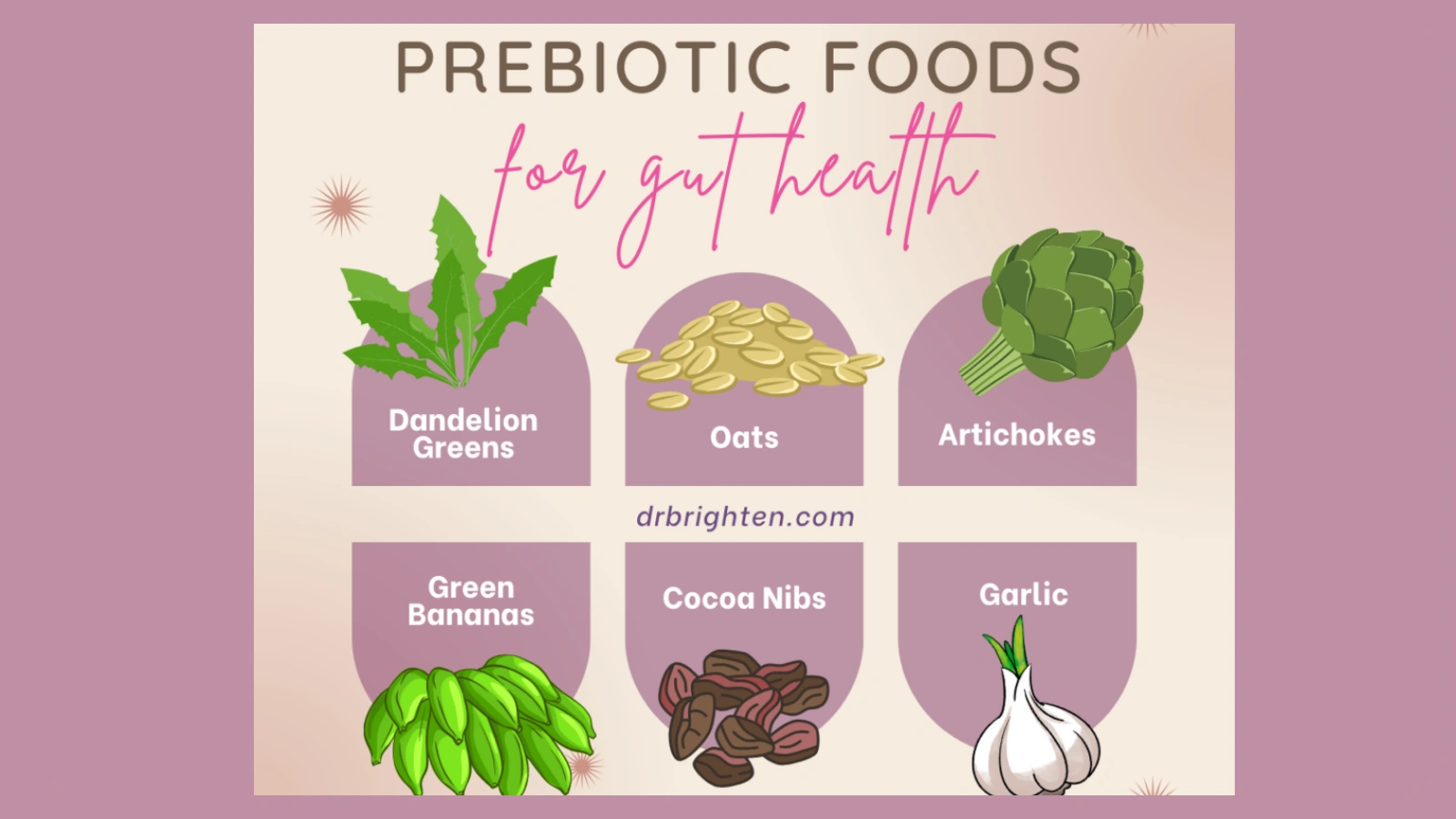
Many people search for prebiotics for gut health because they provide multiple digestive benefits. They:
- Support beneficial bacteria growth
- Improve mineral absorption
- Reduce gas and bloating over time
- Strengthen the gut lining
- Support immune response
Gut bacteria act like a health foundation. When you support them with the right prebiotic foods, everything from digestion to energy levels improves naturally.
Should You Consider Prebiotic Supplements?
While food should always come first, prebiotic supplements help when someone struggles to eat enough natural sources. They work well for:
- Busy schedules
- Limited dietary preferences
- Food intolerances
- Gut support during lifestyle changes
A supplement should enhance your routine, not replace whole foods. Many people combine both for the best balance.
Track Your Nutrition Easily With Calorie Tracker Buddy
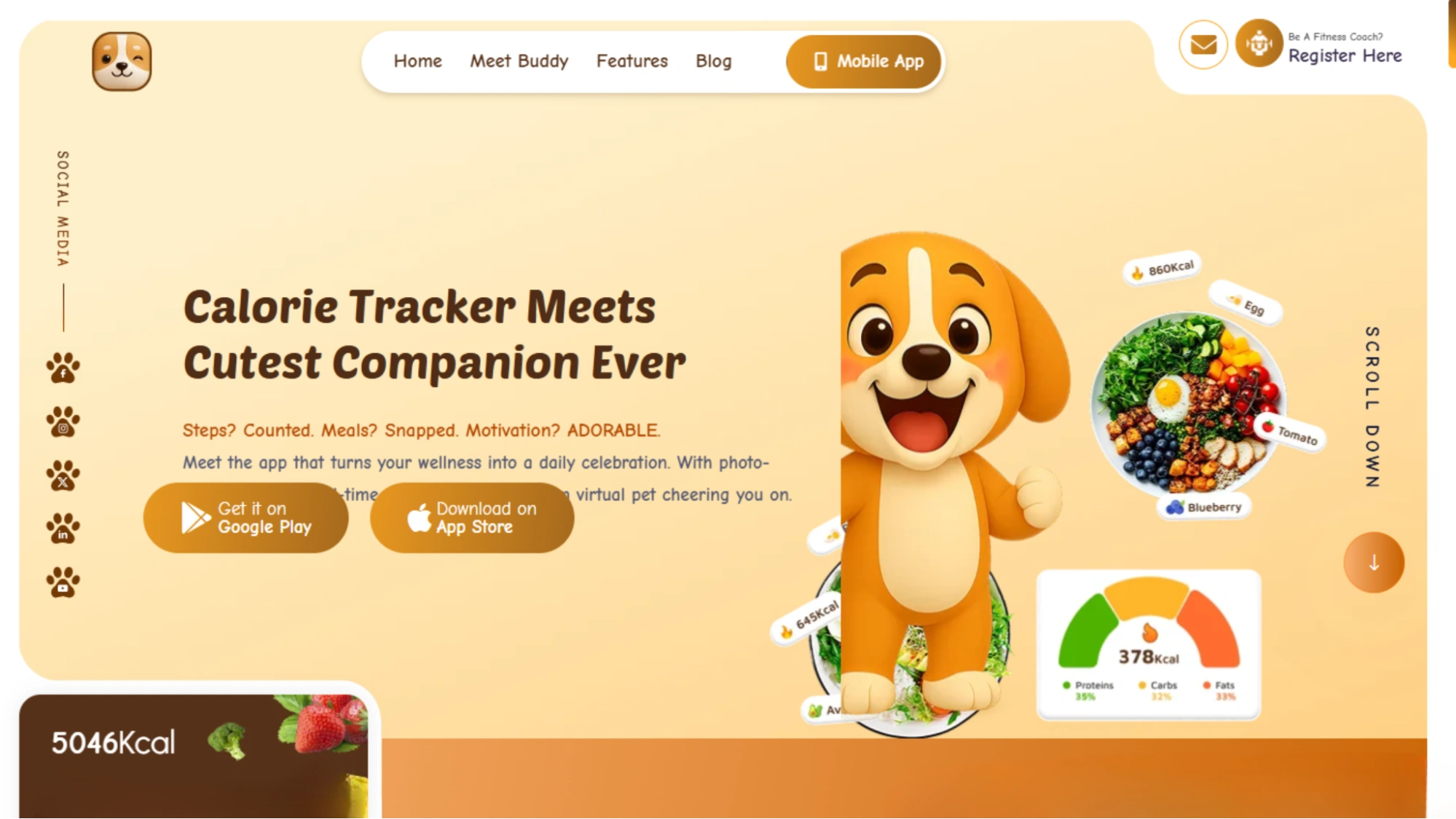
Smart eating becomes easier when you track what goes into your meals. Many people find sticking to gut-friendly habits difficult because they lose track or don’t know what they’re eating.
That’s where Calorie Tracker Buddy becomes helpful.
Calorie Tracker Buddy acts like your health companion that helps you stay consistent and motivated. It tracks your meals effortlessly and supports your gut-friendly routine.
Here’s what makes it special:
- Snap the Meal
Tap once and analyze calories, nutrients, and food balance. - Calorie Burn Tracker
Dance, walk, clean, or run; every move counts toward progress. - Instant Meal Feedback
You eat, it calculates. Simple and helpful. - Goal Predictions
It shows how each meal supports or slows your progress. - Buddy Motivation
A virtual pet grows healthier as you make healthier choices. - Social Sharing
Share streaks, wins, and meals with friends for support.
If you’re adding more prebiotic foods, this tool helps you stay intentional and track habits without stress.

Final Thoughts:
Small food changes lead to big wellness improvements. Prebiotic foods help your microbiome thrive and support digestion, energy, mood, and health. Whether you add bananas to breakfast, oats to lunch, or beans to dinner, every small step builds a stronger gut.
Your health journey doesn’t need to feel complicated. Start with one prebiotic-rich meal today. Your gut will feel the difference, and you’ll feel more confident with every choice.
FAQs
- Do I need probiotics and prebiotics together?
Yes. Both support each other in your gut. Probiotics add good bacteria that improve digestion, immunity, and overall gut comfort. Prebiotics act as fuel for those bacteria, so they survive, grow, and work better. When you take them together through food or supplements, your gut stays stronger, and your results improve faster. - Can kids eat prebiotic foods?
Yes. Most natural prebiotic foods are safe and healthy for kids. Fruits like bananas and apples, oats, yogurt with added prebiotics, and vegetables such as onions or asparagus support better digestion and immunity in children. You only need to introduce them slowly and focus on gentle, everyday foods to avoid discomfort. - How long before I notice a difference?
Most people begin to feel changes within 7–14 days when they take prebiotic foods daily. Digestion feels smoother, bloating reduces, and energy levels improve as your gut bacteria adjust and grow stronger. Consistency creates the best results because your gut flourishes with daily fiber support.