



If you’re new to fitness and considering strength training for beginners, you’ve probably heard conflicting advice about weight gain. One friend swears lifting weights made them “bulky,” while another credits it for their lean physique.
Building muscle through strength training for beginners is one of the most effective ways to transform your body composition, but the number on the scale might not tell the whole story. Let’s break down what really happens when you start lifting weights and why that scale weight matters less than you think.
Understanding Muscle vs. Fat: The Weight Myth:

When you begin strength training for beginners, your body undergoes fascinating changes that go far beyond what your bathroom scale reveals. Muscle tissue is denser than fat tissue, meaning it takes up less space in your body.
A pound of muscle and a pound of fat weigh the same, but the muscle occupies significantly less volume, roughly 18% less, to be specific. This is why two people of the same height and weight can look dramatically different. Someone with more muscle mass will appear leaner and more toned, even if they weigh the same as someone with higher body fat.
When you start strength training exercises for beginners, you might notice your clothes fitting better and your body becoming more defined, even if the scale doesn’t budge or even goes up slightly. The initial weight gain many beginners experience isn’t fat; it’s often black water retention and glycogen storage in your newly working muscles.
Your body stores carbohydrates as glycogen in muscle tissue, and each gram of glycogen holds about 3 grams of water. As you build strength, your muscles increase their glycogen storage capacity, which can add a few pounds that have nothing to do with fat gain.
What Really Happens When You Start Strength Training?

During the first few weeks of strength training for beginners, your body enters an adaptation phase. Your muscles are repairing microscopic tears from workouts, inflammation increases temporarily, and your body retains fluid to support recovery. This is completely normal and actually indicates your muscles are responding to training.
Additionally, strength training for beginners triggers metabolic changes that persist long after your workout ends. Muscle tissue is metabolically active, burning calories even at rest. For every pound of muscle you build, your body burns an estimated 6-10 additional calories per day just to maintain it. While this might not sound like much, it adds up over time and contributes to easier weight management.
The real magic happens in your body composition. As you continue with a beginner’s strength training workout for a woman or any gender, you’ll simultaneously build lean muscle while potentially losing fat, especially when combined with proper nutrition. This process is called body recomposition, and it’s entirely possible to lose inches while the scale stays the same or even increases slightly.
Benefits Beyond the Scale:

Strength training at home for beginners or in the gym offers advantages that extend far beyond appearance. Increased bone density is one of the most significant benefits, particularly important for women as they age. Weight-bearing exercises stimulate bone formation and can help prevent osteoporosis later in life.
Your functional fitness improves dramatically with strength training and endurance exercises for beginners. Daily activities like carrying groceries, playing with children, or climbing stairs become easier. You’ll develop better posture, balance, and coordination, reducing your risk of falls and injuries. Many beginners report feeling more confident and capable in their everyday movements.
Mental health benefits are equally impressive. Strength training releases endorphins, reduces anxiety and depression symptoms, and improves sleep quality. The sense of accomplishment from progressively lifting heavier weights or completing more repetitions builds self-efficacy that transfers to other life areas.
Creating Your Beginner Strength Training Plan:
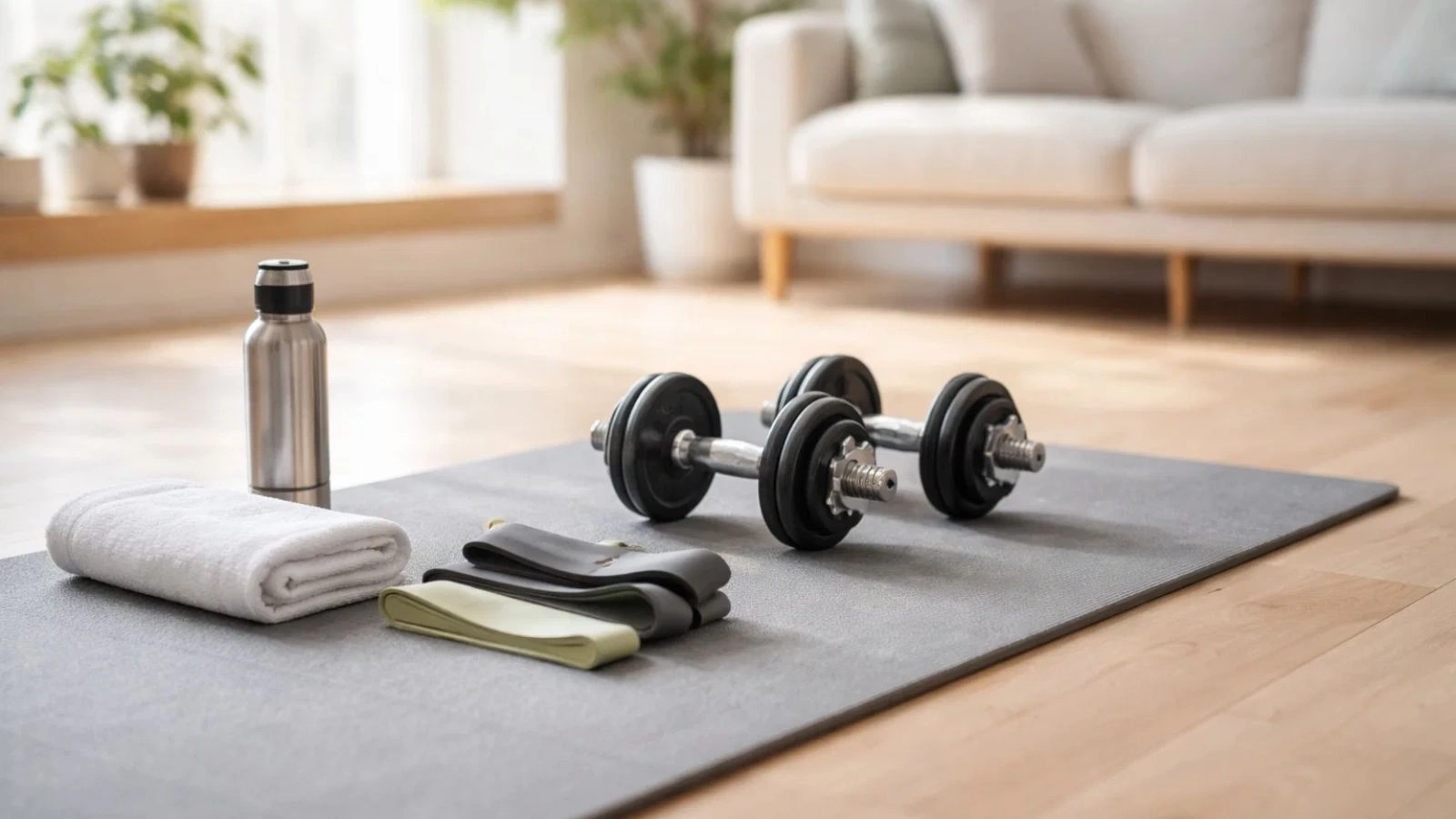
Starting strength training at home for beginners doesn’t require expensive equipment. Bodyweight exercises like squats, push-ups, lunges, and planks provide an excellent foundation. As you progress, simple additions like resistance bands or dumbbells can significantly expand your exercise options without breaking the bank.
A solid strength training program for beginners includes compound movements that work multiple muscle groups simultaneously. Squats target your legs and core, push-ups work your chest, shoulders, and triceps, while rows strengthen your back and biceps. These efficient exercises deliver maximum results in minimal time, ideal for busy schedules.
Frequency matters less than consistency when you’re beginning. Two to three sessions per week allow adequate recovery time while building the habit. Each session should last 30-45 minutes, including a warm-up and cool-down. Focus on learning proper form before increasing weight or intensity. Quality always trumps quantity in strength training for beginners.
Progressive overload is the key principle driving results. This means gradually increasing the challenge to your muscles over time, whether by adding weight, increasing repetitions, or decreasing rest periods. Your body adapts to demands placed upon it, so consistent progression keeps you moving toward your goals.

Track Your Progress Beyond the Scale:
Since the scale doesn’t tell the complete story, tracking other metrics provides a more accurate picture of your progress with strength training for beginners. Take progress photos every 2-4 weeks in consistent lighting and clothing. Visual changes often appear before numerical ones, and photos provide undeniable evidence of transformation.
Body measurements offer objective data about changes in your physique. Measure your chest, waist, hips, arms, and thighs monthly. You might discover you’ve lost inches from your waist while your weight stays stable, a clear sign you’re building muscle and losing fat simultaneously.
Performance metrics are incredibly motivating. Record the weights you lift, repetitions completed, and how the exercises feel. Being able to do ten push-ups when you could only manage three last month represents real, meaningful progress that no scale can capture.
Recommended for you:
Optimize Your Results with Calorie Tracker Buddy:
While strength training for beginners transforms your body, pairing your workouts with proper nutrition accelerates results. This is where Calorie Tracker Buddy becomes an invaluable tool for anyone serious about their fitness journey. Understanding your caloric intake and macronutrient distribution ensures you’re fueling your body appropriately for muscle growth and recovery.
Calorie Tracker Buddy offers features specifically designed to support your strength training goals:
- Personalized calorie targets based on your activity level, goals, and body composition
- Macro tracking capabilities to ensure adequate protein intake for muscle building
- Exercise logging integration that accounts for calories burned during strength training
- Progress tracking tools that go beyond just weight to include measurements and photos
- Meal planning features that simplify nutrition while supporting your fitness routine
The platform helps you understand that building muscle requires sufficient calories and protein, often more than beginners expect. By tracking your intake, you’ll avoid unintentional under-eating that can sabotage your strength training efforts.
Common Mistakes to Avoid:
Many beginners make the mistake of doing too much too soon with strength training for beginner programs. Enthusiasm is wonderful, but your body needs time to adapt. Starting with workouts every day can lead to overtraining, increased injury risk, and burnout. Recovery is when your muscles actually grow stronger, making rest days as important as training days.
Neglecting progressive overload is another common pitfall. If you perform the same workout with the same weights for months, your body has no reason to change. Gradually challenging yourself, even by small increments, is essential for continued progress.
Poor nutrition undermines even the best strength training exercises for beginners. Muscle building requires adequate protein (roughly 0.7-1 gram per pound of body weight) and sufficient overall calories. Drastically cutting calories while beginning strength training leaves your body without resources to recover and build muscle.
Conclusion:
Strength training for beginners changes your body in ways that go far beyond a number on the scale. Building muscle while fat loss transforms how you look, feel, and move through life. The scale might climb a bit at first, but that doesn’t mean you’re gaining fat; your body is becoming stronger and more capable. Focus on how your clothes fit, what you can lift, and how energized you feel rather than obsessing over weight. Your journey is unique, and those small victories matter more than any scale reading ever could.

FAQ’s:
Q1: Can I build muscle and lose fat at the same time?
Ans: Yes, especially as a beginner. This is called body recomposition. With proper strength training and nutrition, your body can add muscle while reducing fat stores, though the scale might not reflect dramatic changes.
Q2: How soon can I expect to see strength improvements?
Ans: Most people notice they can lift more weight or complete more repetitions within their first month of consistent training. Visual body changes typically become noticeable around the 6-8 week mark.
Q3: Do I need a gym membership to start strength training?
Ans: Not at all. Bodyweight exercises, resistance bands, and a basic set of dumbbells let you build an effective routine at home. Many people get excellent results without setting foot in a gym.
Q4: How much protein do I need when strength training?
Aim for 0.7-1 gram of protein per pound of body weight daily. So if you weigh 150 pounds, target 105-150 grams of protein spread throughout your meals.
Q5: Why did I gain weight in my first few weeks of lifting?
Ans: Your muscles store extra water and glycogen when you start training. This temporary weight gain is normal and doesn’t mean you’re getting fat; it’s actually a sign your muscles are responding to the workouts.