


You’ve been putting effort into losing weight, and for a while, it was working. Then the scale stopped moving, leaving you feeling stuck in what seems like a weight loss stall.
It’s been about two weeks now. The number hasn’t really changed. Maybe it goes up a little one day and down a little the next, but overall it’s the same, which often leads people to worry about a weight loss plateau.
If you’ve stopped losing weight after two weeks, it can feel like something is wrong. But in many cases, this early weight loss stall is more common and more temporary than it seems.
You didn’t suddenly give up. You’re still trying to eat properly. You’re still thinking about your portions. That’s why it feels confusing. If you were completely off track, it would make sense. But you’re not.
Before you panic & cut your calories in half or double your cardio, slow down and understand what’s actually happening during this short-term weight loss plateau.
Listen To The Podcast
Why You Stopped Losing Weight After 2 Weeks

When weight loss slows down this early, it often catches people off guard.
The first couple of weeks usually feel encouraging. The scale moves, things seem predictable, and your effort shows up clearly. Then suddenly, it doesn’t, which is when many people assume they have stopped losing weight completely.
Nothing dramatic changed. You’re still trying. What many people don’t realize is that the body does not lose weight at a steady, predictable rate. There are short phases where things move quickly and short phases where they appear to stall.
In the early weeks, several internal adjustments begin. Some affect how much water your body holds. Others affect how many calories you expend without noticing. These changes aren’t obvious, but they can influence what you see on the scale.
That’s why a two-week stall does not automatically mean fat loss has stopped.
Sometimes this phase is completely normal. Sometimes it signals that something needs adjusting. The difference between those two situations is what matters when assessing a possible weight loss plateau.
Is 2 Weeks a Weight Loss Plateau?
Many people assume they’ve stopped losing weight for good when they are actually experiencing a short-term fluctuation rather than a true weight loss plateau.
A true weight loss plateau is not defined by a few stalled weigh-ins. It is defined by consistent data over time.
In general, when asking how many weeks is considered a weight loss plateau:
1–2 weeks with no change is usually a normal fluctuation.
3–4 weeks with no downward trend may indicate a slowing calorie deficit.
4+ weeks with no change in weight and measurements is closer to a true plateau.
Before labelling it a weight loss plateau, look at:
Your weekly average weight rather than single weigh-ins
Body measurements
How your clothes fit
Consistency in calorie tracking
Daily movement and step count
If progress has stalled across all of these for several weeks, adjustments may be needed. If it has only been two weeks and everything else is consistent, you are likely still within a normal phase of the process.
The key question is not only whether this is a plateau, but whether your current approach still creates the conditions needed for fat loss.
Also Read
The Real Reasons Your Weight Loss Slowed Down

Weight loss does not move in a smooth downward line. It happens in phases, with periods of progress followed by pauses that can feel frustrating. Feeling stuck after two weeks does not automatically mean your diet has stopped working or that you lack discipline.
A short stall is common. Understanding why it happens helps you respond calmly instead of immediately searching for how to break a weight loss plateau.
1. Water Retention
One of the most common reasons for an apparent weight loss stall is water retention. Your body stores three to four grams of water for every gram of glycogen (stored carbohydrates). If you have recently changed your carbohydrate intake or increased exercise intensity, your body may temporarily hold more water.
This is often when people feel they’ve stopped losing weight, even though fat loss may still be occurring.
Strength training can also cause short-term water retention. Exercise creates small muscle tears that require water for repair. This is part of adaptation, but it can temporarily increase scale weight.
Hormonal fluctuations, stress, and high sodium intake can also contribute to fluid retention. The scale may reflect these temporary shifts even when fat loss is ongoing.
What to focus on:
Stay hydrated, limit highly processed foods, and allow time for water balance to stabilise. Water weight fluctuates and often resolves on its own.
2. Reduced Daily Movement
When calorie intake drops, the body conserves energy. You may move less without realising it, such as sitting more, walking less, or feeling more fatigued.
This reduction is known as Non-Exercise Activity Thermogenesis (NEAT). It includes calories expended outside structured workouts through walking, standing, and daily tasks. Even small decreases in daily movement can significantly reduce total calorie expenditure.
You may still be exercising, but burning fewer calories overall because of these compensations, which can contribute to a weight loss plateau.
What to focus on:
Pay attention to daily activity outside the gym and aim to keep movement levels consistent.
3. Small Calorie Miscalculations
Early in a weight loss plan, tracking is often precise. Over time, small gaps can appear. Extra oil while cooking, a spoon of peanut butter, a handful of nuts, or a flavoured drink can add more calories than expected.
A daily miscalculation of 150–200 calories can be enough to remove a calorie deficit, especially as body weight decreases and calorie needs change.
What to focus on:
Briefly reassess portion sizes and tracking accuracy. Small corrections are often enough to restart progress without needing drastic methods to break a weight loss plateau.
4. Metabolic Adaptation
As body weight decreases, the body becomes more energy-efficient. A lighter body requires fewer calories to function and move. Hormones involved in appetite and energy balance can also shift during prolonged calorie restriction.
This process, sometimes referred to as metabolic adaptation, does not mean your metabolism is damaged. It means calorie needs change as weight changes. The intake that worked earlier may no longer create the same deficit.
Very aggressive calorie restriction can increase fatigue and make consistency harder.
What to focus on:
Recalculate calorie needs based on current body weight and aim for a moderate, sustainable deficit.
5. Muscle Gain
If you are strength training, your body may be losing fat while gaining lean muscle. Muscle tissue is denser than fat, so body shape can improve even when scale weight does not change.
This is common in beginners or those returning to exercise. Fat loss may be occurring, but the scale may not reflect it immediately.
What to focus on:
Track strength progress, body measurements, posture, and clothing fit alongside scale weight.
6. Stress and Poor Sleep
Sleep and stress strongly influence fat loss. Sleeping fewer than seven hours per night can disrupt hunger hormones and increase appetite. Elevated stress can raise cortisol levels, which are associated with increased water retention and stronger cravings.
Many people focus only on diet and exercise while overlooking recovery, even though sleep and stress management often determine whether progress continues or stalls.
What to focus on:
Maintain a consistent sleep schedule and include simple stress-reduction habits. Small improvements in recovery can support continued progress.
Stopped Losing Weight? Replace Guesswork With Clarity
If you feel unsure about whether you are eating too much or too little, short-term calorie tracking can provide clarity. Seeing where calories come from helps identify whether a deficit still exists and supports informed decisions about how to break a weight loss plateau if needed. Even one consistent week of tracking can reveal patterns that were easy to miss.
A Simpler Way to Track Calories
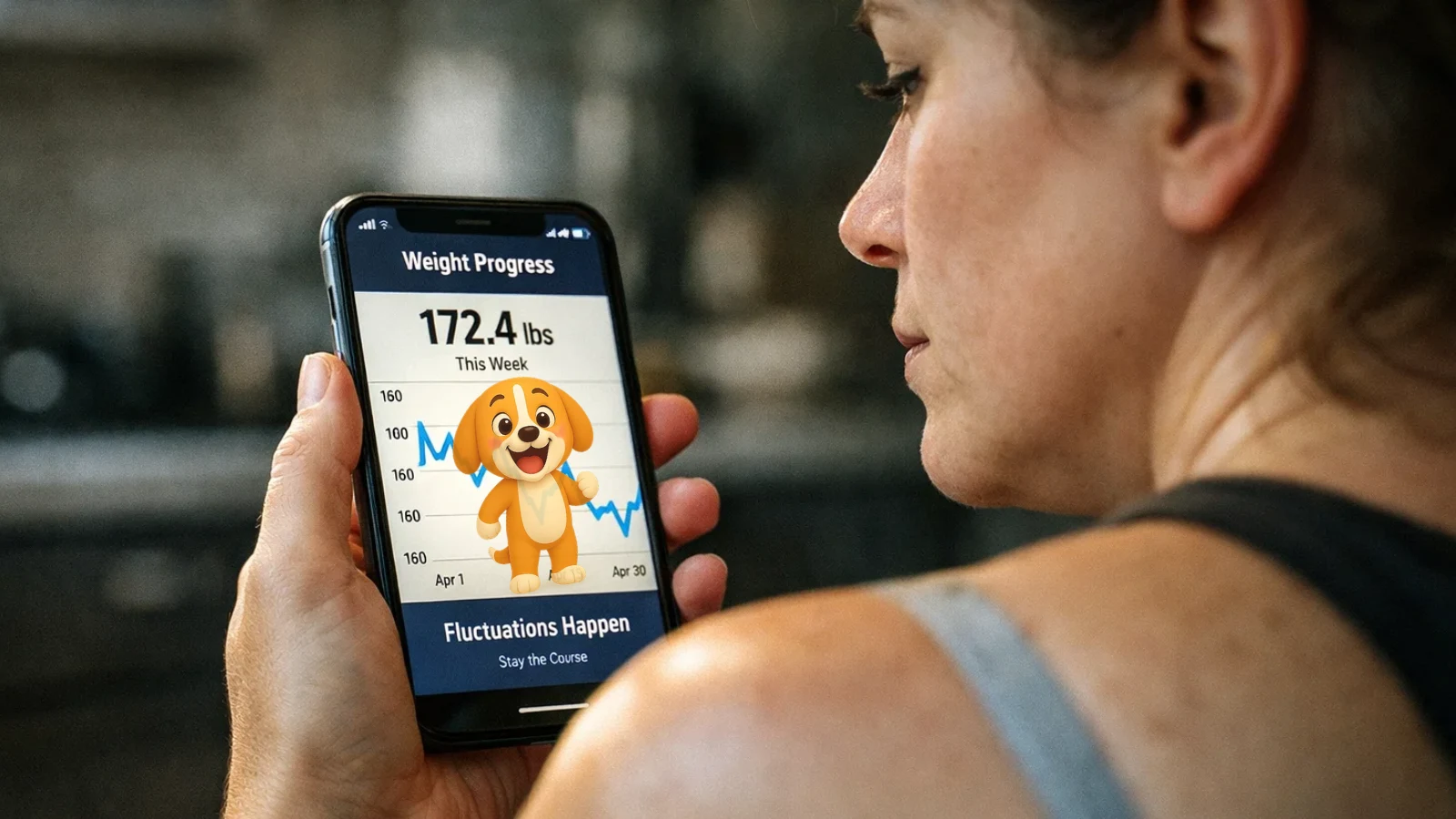
When progress slows down, many people turn to calorie tracking for clarity, but not everyone enjoys traditional tracking. For some, it feels rigid or stressful, which only adds pressure during an already frustrating phase.
That’s where apps like Calories Tracker Buddy can make a difference. Instead of acting like a strict logbook, it works more like a gentle companion. There’s a virtual buddy that reacts to your habits, sends hydration reminders, and offers feedback without judgment. For many people, that small sense of support makes it easier to stay consistent without feeling watched or criticized.
Logging food doesn’t have to feel exhausting. With a quick photo, many apps can estimate calories and nutrients automatically, reducing the mental load of tracking every bite. When you’re unsure whether a plateau is real or just temporary, this kind of low-pressure visibility can be incredibly reassuring.
Some people prefer apps that visually motivate them and use AI to recognize meals from photos, securely sync data across devices, and offer light coaching based on eating patterns. These tools aren’t designed to push you harder or create pressure. They’re meant to help you see what’s actually happening, especially when the scale isn’t giving clear answers.
Used this way, tracking becomes less about control and more about awareness. And when you understand what’s going on, it’s much easier to decide whether you need patience, a small adjustment, or simply more time.
Conclusion
If you feel like you’ve stopped losing weight after a strong start, it is understandable to question what is happening.
In many cases, the body is adjusting to changes in food intake, activity, hydration, stress, or sleep. Water retention, reduced daily movement, small tracking errors, metabolic adaptation, muscle gain, and poor recovery can all temporarily mask progress.
The most important thing is not to react emotionally or make extreme changes too quickly. Cutting calories drastically or adding excessive cardio often creates more problems than it solves.
Step back and assess calmly:
Are you consistent with intake?
Has daily movement changed?
Are sleep and stress under control?
Are measurements, strength, or clothing fit improving?
If everything is consistent and it has only been two weeks, patience may be the only adjustment needed. If the stall continues for several weeks across scale weight, measurements, and performance, small, strategic changes are usually more effective than drastic ones.
Weight loss moves in phases. A pause does not erase effort, and it does not mean the body is working against you. Stay consistent, make measured adjustments, and allow time for the process to respond.
FAQ
- Is it normal if I’ve stopped losing weight after two weeks?
Yes. A one- to two-week stall is often a normal fluctuation caused by water retention, hormonal shifts, or digestion changes. A true weight loss plateau typically lasts several weeks. - Why did my weight drop quickly at first and then slow down?
Early weight loss often includes water loss alongside fat loss. After that phase, progress naturally becomes slower and steadier. - Can I still be losing fat even if the scale hasn’t changed?
Yes. Muscle gain, water retention, and hormonal changes can temporarily hide fat loss on the scale. Measurements, strength, and clothing fit are important indicators. - How long should I wait before making changes?
If weight, measurements, and performance have not changed for three to four weeks despite consistency, a small adjustment may be appropriate. - What should I check first if progress feels stuck?
Review tracking accuracy, daily movement, hydration, stress, and sleep before cutting calories or adding more cardio. In many cases, small corrections are enough to restore progress.