


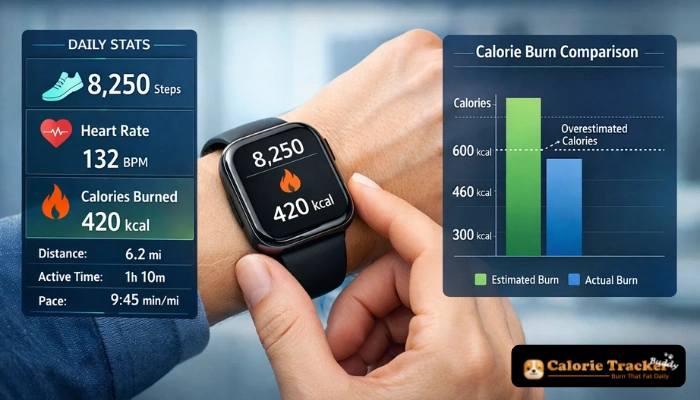
Fitness technology has changed the way people approach health. What once required personal trainers, handwritten logs, and complex calculations now fits inside a wearable device. Among the most popular tools in this digital shift are step trackers.
From counting daily movement to estimating calorie burn, these wearable devices help users measure activity in real time. They provide instant feedback, encourage accountability, and turn abstract fitness goals into measurable numbers.
But how reliable are they? How do they calculate calories? And can they truly support long-term weight management?
Let’s explore everything you need to know.
In a hurry? Listen to the blog instead!
The Growing Popularity Of Step Trackers?
People want simple solutions. They want clarity without complexity. Activity tracking devices offer exactly that.
By measuring daily movement, these devices give users a clear baseline of physical activity. Instead of guessing whether you stayed active, you can see your step count instantly.
This convenience explains why activity tracking devices dominate the wearable fitness market. They require minimal effort yet deliver continuous insight.
When users aim for 8,000 or 10,000 steps per day, they build structure into their routines. That structure leads to better consistency.
How Step Trackers Actually Work?
Most step trackers rely on accelerometers. These small motion sensors detect movement patterns. When your body moves in a walking rhythm, the device registers steps.
More advanced models also include:
- Gyroscopes for motion precision
- Heart rate monitors
- GPS tracking
- Activity recognition algorithms
This ease of use is a major reason activity trackers lead the wearable fitness market. Requiring minimal effort, these devices provide continuous, real-time insights into your daily movement.
Beyond simply counting steps, modern trackers analyze movement intensity and duration to deliver more meaningful and actionable data.
Understanding Step Tracker Calorie Burn
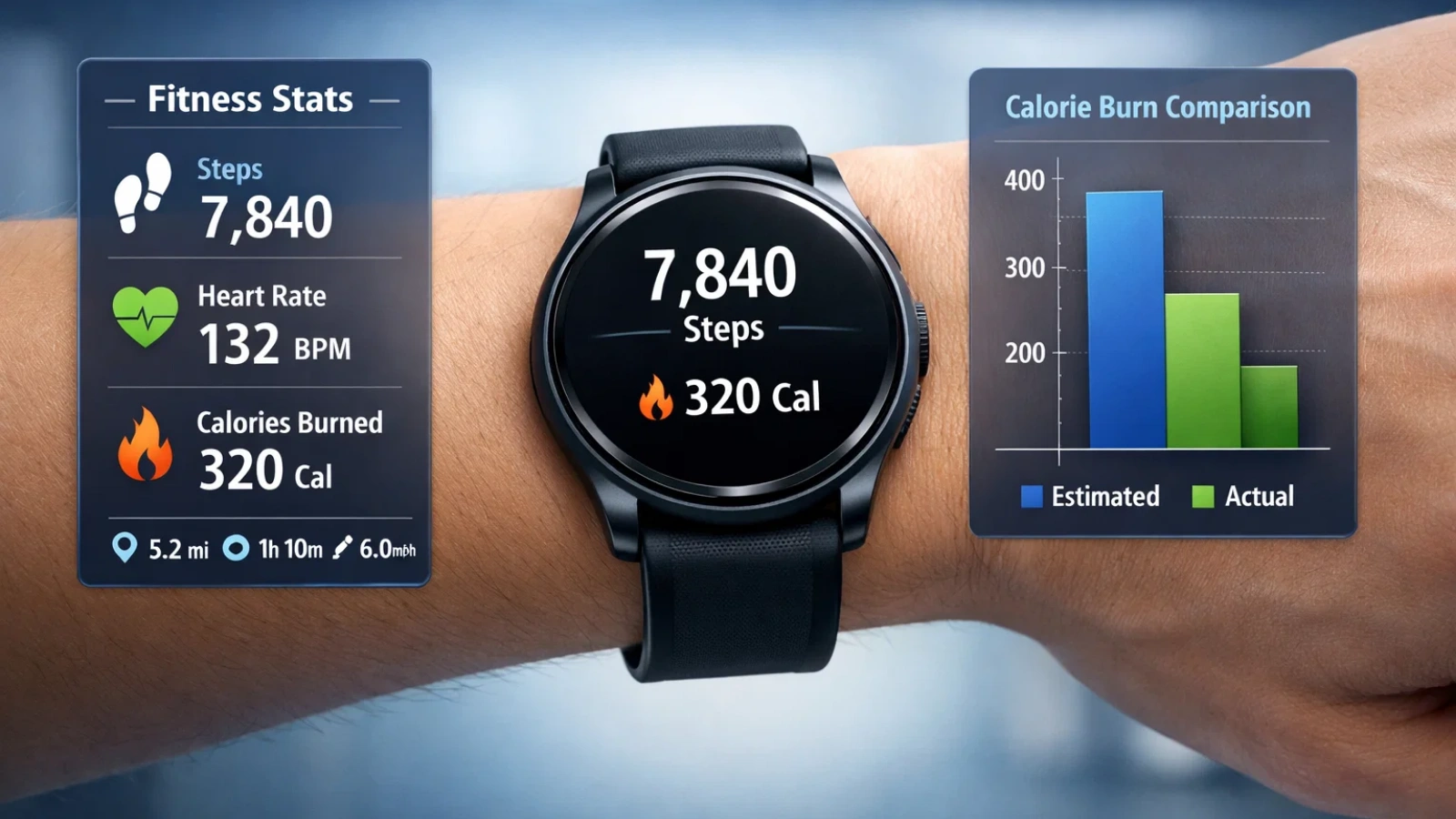
Many users focus on step tracker calorie burn estimates to manage weight. These numbers offer guidance, but they remain estimates.
Devices calculate calorie burn using:
- Basal metabolic rate (BMR)
- Activity intensity
- Step count
- Heart rate (if available)
Higher-end step trackers improve accuracy by measuring heart rate continuously. That added data helps calculate energy expenditure more precisely.
Still, no device offers perfect accuracy. Individual metabolism varies.
How Accurate Are Step Trackers?
Research shows that step counters perform well during steady walking. Accuracy may drop during slow walking, irregular movements, or activities like pushing a stroller.
Calorie burn estimates vary more than step counts. Why? Because calorie calculation depends on multiple biological factors.
Despite minor discrepancies, these devices provide reliable trend data. They show whether your activity increases or decreases over time. That trend matters more than a single day’s exact number.
Also Read:
Benefits Of Using Step Trackers For Weight Loss
Steps tracker support weight loss in several powerful ways:
1. Increased Awareness:
These devices show how much you actually move each day. This awareness encourages you to add more activity when needed.
2. Goal Setting:
They allow you to set clear, measurable step targets. Specific goals make it easier to stay consistent and track progress.
3. Accountability:
Daily numbers remove guesswork about your effort. You can clearly see whether you met your target or need improvement.
4. Motivation:
Progress updates and streaks keep you engaged. Small wins build momentum and encourage daily commitment.
5. Behavior Change:
Tracking steps encourages small lifestyle shifts like walking more often. Over time, these habits support steady weight loss.
Why Does Nutrition Tracking Matter Beyond Step Counts?
Physical activity plays an important role in weight loss, but movement alone does not guarantee results. If calorie intake consistently exceeds calorie burn, progress slows or completely stalls.
Many people rely heavily on step trackers and feel confident after reaching their daily step goal. However, without monitoring food intake, they may unknowingly consume more calories than they burn. This imbalance creates frustration despite consistent effort.
Sustainable transformation requires alignment between movement and nutrition. When you combine step tracking with smart tools like Calorie Tracker Buddy, you gain full visibility into both sides of the equation. Tracking meals, monitoring calorie balance, and reviewing daily burn together create a complete and accurate weight management strategy.
Why Combine Step Trackers With Calorie Tracker Buddy?
While wearable activity devices measure movement, Calorie Tracker Buddy focuses on intake and intelligent insights. Together, they create a complete system.
Instead of tracking steps alone, users can monitor:
- Calories consumed
- Calories burned
- Nutrient balance
- Goal predictions
This combination eliminates guesswork and creates clarity.
Calorie Tracker Buddy acts as your healthy sidekick. It complements steps tracker by filling the nutrition gap.
Here is how it transforms daily tracking:
Snap the Meal: Instant Food Recognition
Logging food feels effortless with Snap the Meal.
Point your camera. Tap once. Your meal gets scanned for calories, nutrients, and balance.
This feature removes manual searching and portion confusion. It turns logging into a quick habit.
When combined with wearable activity devices, users see both intake and output instantly.
Calorie Burn Tracker: Every Move Counts
Calorie Tracker Buddy includes its own calorie burn tracking system.
From workouts to dishwashing, it tracks movement and daily burns. This strengthens the insights you receive from your activity tracking device.
Seeing your activity reflected across platforms increases confidence in your numbers.
Calorie Intake Tracker: Instant Feedback
The calorie intake tracker calculates what you eat within seconds.
Instead of wondering whether you stayed within your goal, you receive immediate feedback.
This real-time awareness prevents overeating and supports better decisions.
Step trackers measure effort. Calorie Tracker Buddy measures fuel.
Goal Predictions: See Your Future Progress
Goal Predictions show how each meal and activity affects your timeline.
Rather than waiting weeks to see results, you see projected progress immediately.
This forward-looking approach keeps motivation high.
When wearable activity devices show daily movement and predictive tools highlight long-term impact, users stay engaged.
Buddy Motivation: Gamified Discipline
Consistency drives success. Calorie Tracker Buddy introduces a virtual pet that grows with every healthy action.
Each logged meal and recorded activity strengthens your companion.
This gamified system makes discipline enjoyable.
Wearable activity devices encourage movement. Your digital buddy encourages commitment.
Social Sharing: Community Support
Accountability improves results.
Users can share meals, streaks, and achievements with friends.
Community encouragement keeps motivation strong during plateaus.
Wearable activity devices measure progress quietly. Social features celebrate it publicly.
Why Data Integration Creates Better Results?
When users rely solely on step trackers, they only see half the picture.
Movement without intake tracking creates blind spots. Intake without movement tracking creates imbalance.
By combining step trackers with intelligent nutrition tools, users gain full visibility.
This holistic approach improves:
- Weight loss consistency
- Behavioral awareness
- Long-term habit formation
What Common Mistakes Do People Make When Using Step Trackers?
Even with advanced technology, users often misinterpret the data. Understanding these mistakes helps you use step trackers more effectively and avoid slowing your progress.
Overestimating Calorie Burn:
Many people assume they can eat more after hitting a high step count. However, calorie burn estimates are not perfectly precise, and small overestimations can cancel out your deficit.
Ignoring Strength Training:
Step trackers mainly measure walking and running. They do not fully capture resistance training benefits like muscle growth and metabolic improvement, which also support fat loss.
Obsessing Over Daily Numbers:
Focusing too much on a single low-step day creates unnecessary stress. Weekly averages provide a more accurate picture of your overall activity level and consistency.
Avoiding these common errors allows you to use steps tracker as powerful guidance tools rather than rigid scorecards.
Choosing The Right Step Tracker
Not all steps tracker offer equal performance.
When selecting a device, consider:
- Heart rate accuracy
- Battery life
- App integration
- Comfort and durability
- Data analytics features
High-quality steps tracker provide more reliable trend data.
The Future Of Step Trackers?
Technology continues to evolve.
Future step trackers may include:
- Improved metabolic tracking
- AI-driven activity recommendations
- Stress monitoring
- Better calorie estimation algorithm
As wearable technology advances, accuracy will improve.
Integration with platforms like Calorie Tracker Buddy will likely become more seamless.

Final Thoughts
Step trackers transformed how people measure daily movement. They encourage awareness, accountability, and consistent activity.
While no device offers perfect precision, steps tracker provide reliable trends that support long-term progress.
When paired with tools like Calorie Tracker Buddy, users gain complete visibility into both calorie burn and intake.
Movement fuels change. Nutrition guides it. Data sustains it.
By using steps tracker wisely and combining them with intelligent nutrition tracking, you build a system that supports sustainable results rather than short-term effort.
Technology works best when it simplifies habits. With the right balance of movement tracking, predictive insights, and motivational support, your fitness journey becomes structured, measurable, and achievable.
FAQs
1. Can step trackers measure distance accurately indoors?
Most devices estimate indoor distance based on stride length and step count rather than GPS. Accuracy improves when you calibrate your stride length in the app settings.
2. Do body weight and age affect calorie calculations?
Yes. Devices use personal details such as age, weight, height, and gender to estimate energy expenditure. Updating this information regularly improves accuracy.
3. Can step tracking help improve cardiovascular health?
Yes. Regular walking increases heart health, improves circulation, and strengthens endurance. Consistent daily movement lowers the risk of lifestyle-related diseases.
4. Does step tracking work while pushing a stroller or carrying bags?
Accuracy may drop in situations where arm movement becomes restricted. Some wearables compensate with advanced motion sensors, but minor discrepancies can still occur.