



Few nutrition topics spark as much confusion as saturated fat. Some people fear it like poison; others believe it’s completely harmless. When every health influencer online claims something different, it becomes even harder to know what to believe.
So what’s the real truth?
This all-encompassing guide is here to take you through the science behind it all, clear up any common misunderstandings, and show you how it can seamlessly fit into a balanced, modern lifestyle.
Hit ‘Play’ Button & Tune Into The Blog!
What Is Saturated Fat?
Fat is an essential macronutrient. Your body uses it for hormone production, nutrient absorption, brain function, and long-term energy. Within fats, there are different structural categories. One of these is a type of fat known for having no double bonds in its chemical structure.
This structure makes it more stable and solid at room temperature. Because of this stability, it naturally appears in foods like butter, ghee, coconut oil, cheese, animal fat, and certain ultra-processed products. You’ll also find it in some plant-based items, although the quantities vary.
Now that you know the basic definition, a big question arises: Is it good or bad for your health? Let’s decode that.
Saturated Fat Good Or Bad?
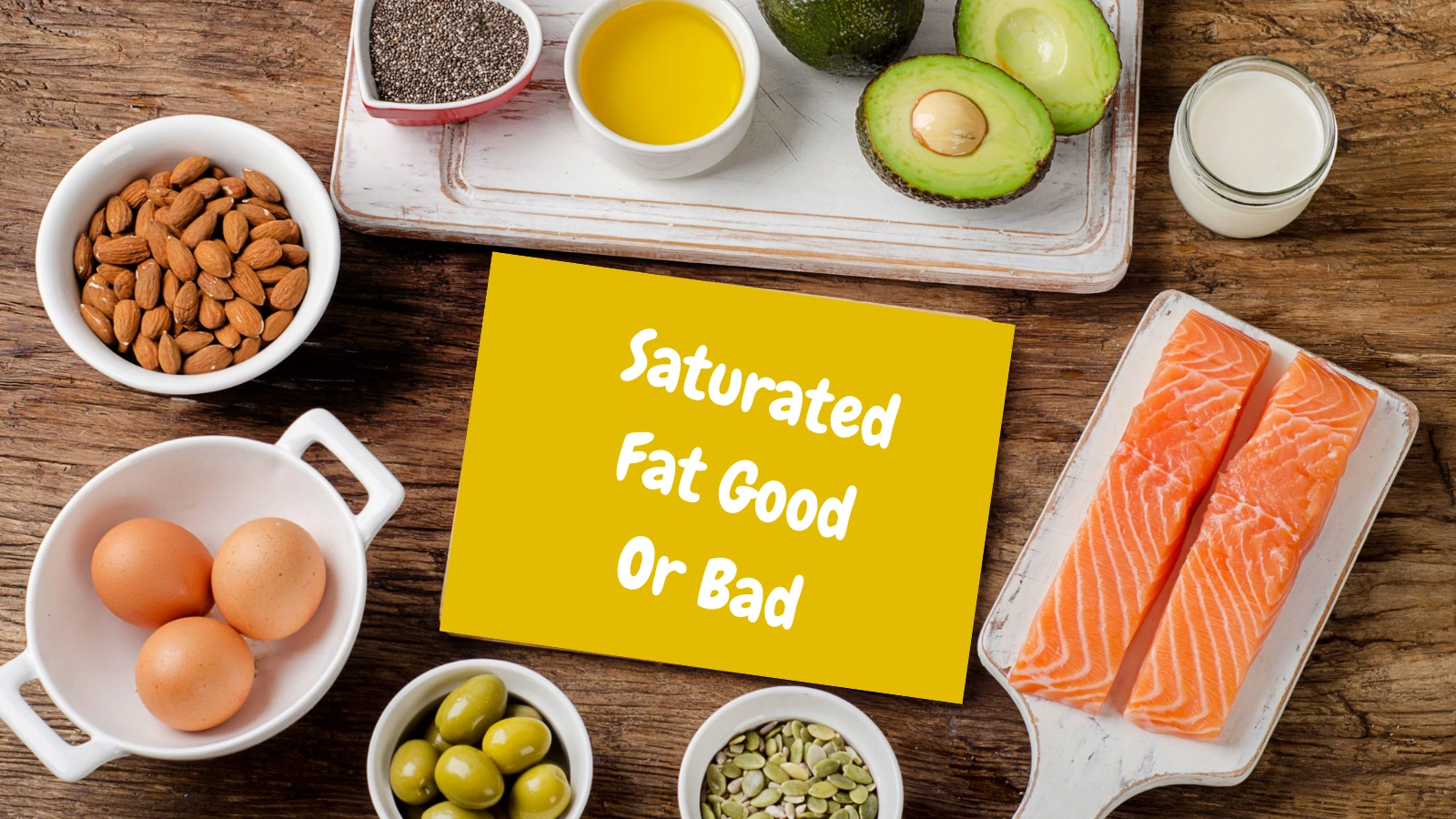
People often ask if saturated fat good or bad, especially when they hear conflicting advice. The truth exists somewhere in the middle.
Modern research suggests that this type of fat isn’t inherently harmful when consumed in moderation. However, taking in too much of it, especially from heavily processed foods, may influence cholesterol levels and long-term heart health.
But context matters. A spoon of ghee in homemade dal is not the same as a daily pile of processed cheese slices. Similarly, fried fast food behaves differently in your body compared to naturally-occurring fat in whole foods. Including healthy fats like omega-3s from fish, flaxseeds, or walnuts can help balance your fat intake and support heart and brain health.
So instead of thinking in extremes, aim for a balanced approach.
Your body needs fats, but they should come from mindful, nutrient-dense sources.
How Do Saturated Vs Unsaturated Fats Really Differ?
You’ll often hear people compare saturated vs unsaturated fat, but what makes them different and why does it matter for your health? Here’s a quick breakdown:
Unsaturated Fats (The Heart-Friendly Fats)
- Have one or more double bonds in their structure
- Stay liquid at room temperature
- Common sources include:
- Olive oil
- Nuts & seeds
- Avocados
- Fatty fish
- Support heart health
- Help reduce inflammation
- Provide stable, long-lasting energy
Saturated Fats (The Stable, Dense Fats)
- Solid at room temperature due to no double bonds
- Add flavor, richness, and satiety to meals
- Should be consumed in moderation, especially from processed foods
The Balanced Plate Approach
- Include both types of fats in your diet
- Prioritize unsaturated fats for daily cooking
- Keep stable fats intake moderate and purposeful
Also Read:
What Are Some Common Saturated Fat Examples?
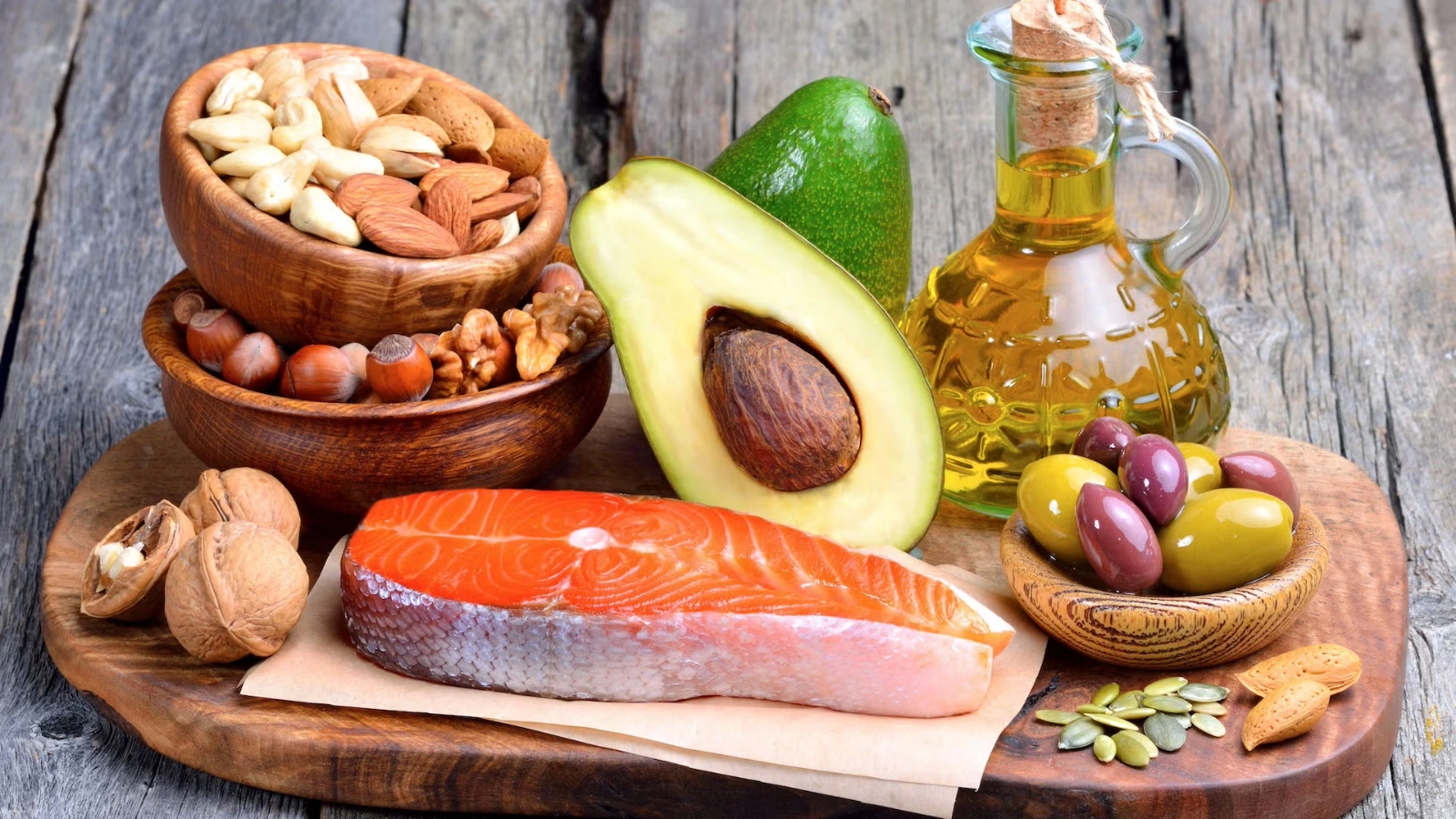
Understanding examples of this type of fat helps you identify what you eat daily. Common sources include:
- Butter, ghee, and cream
- Whole milk and full-fat yogurt
- Cheese
- Red meat
- Dark chocolate
- Coconut oil and palm oil
- Pastries, biscuits, and baked goods
Not all of these are unhealthy by default. It’s the quantity, cooking method, and overall diet quality that determine whether saturated fat benefits or harms your wellbeing.
Why Does Your Body Still Need Saturated Fat?
Despite its controversial image, this type of fat continues to play several important roles in your body’s daily functioning. Instead of eliminating it completely, understanding its purpose helps you make healthier, more balanced choices.
Hormone Balance:
Your body relies on fats to create essential hormones. Steroid hormones such as cortisol, estrogen, and testosterone are synthesized with the help of dietary fats—including moderate amounts from stable, solid fats.
Without enough fat, hormone production becomes inefficient, affecting mood, metabolism, and reproductive health.
Cell Structure & Stability:
Every cell in your body has a protective membrane made of lipids. Certain stable fats contribute to the stability and rigidity of these membranes, helping cells function properly, communicate efficiently, and protect themselves from external damage.
Satiety, Energy & Craving Control:
Fats digest slowly, which helps you stay full for longer. Including a small amount of saturated fat in meals can prevent sudden hunger spikes, minimize cravings, and provide steady, long-lasting energy throughout the day. This can support better portion control and more mindful eating.
Vitamin Absorption & Nutrient Efficiency
Certain essential nutrients, vitamins A, D, E, and K, are fat-soluble, meaning your body can absorb them only when dietary fat is present. Including stable, healthy fats in your diet helps improve the absorption of these vitamins, ensuring your immune system, bones, skin, and vision function optimally.
Also Read:
How Much Saturated Fat Should You Eat Daily?
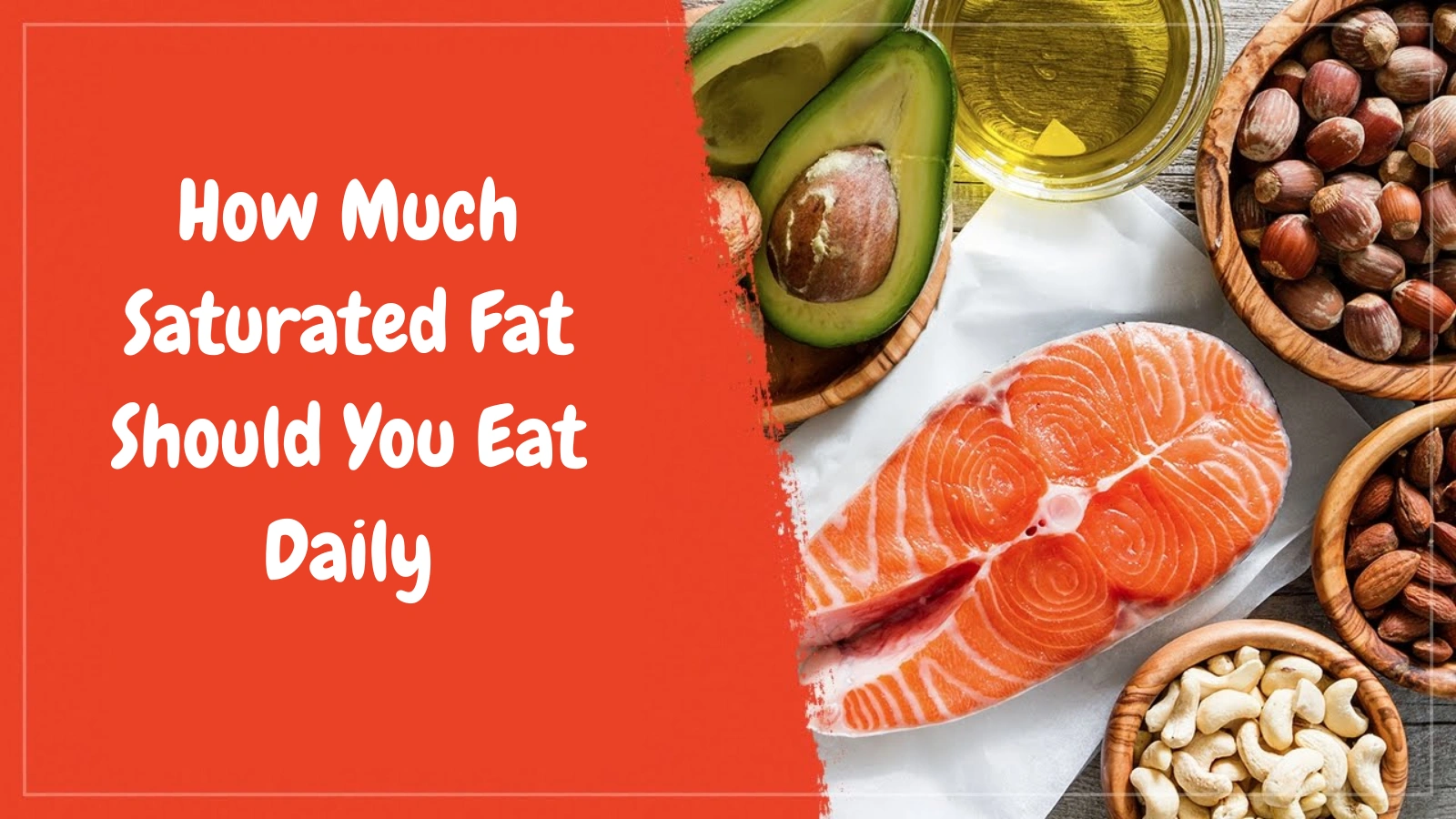
Most global guidelines recommend limiting saturated fat to around 10% of your daily calorie intake. For someone consuming 2,000 calories a day, that’s roughly 20–22 grams per day.
This doesn’t mean you need to cut out butter, ghee, cheese, or coconut-based dishes entirely. It simply means becoming more mindful of how often and how much you include them in your meals. Consuming fats in a balanced way, along with healthier fats like omega-3s, can even support your immune system and overall well-being.
If keeping track of your daily fat intake feels overwhelming, a smart nutrition tool can make things effortless. For example, Calorie Tracker Buddy lets you snap a picture of your meal and instantly shows you the calorie breakdown, macro distribution, and how much saturated fat you’re consuming, removing all the guesswork from meal planning.
It helps you stay within your ideal fat range while still enjoying the foods you love.
How Can Calorie Tracker Buddy Help You Manage Saturated Fat Better?

Modern nutrition isn’t about strict dieting, it’s about smart tracking. And Calorie Tracker Buddy is one of the most intuitive tools for doing exactly that.
Whether you’re learning about fat balance, evaluating meals, or building healthier eating habits, this app becomes your simple and supportive sidekick.
Let’s explore its features and how they connect to healthy fat management:
1. Snap the Meal (Instant Macro Detection):
Just point your camera at your plate, tap once, and the app scans your food. It breaks down calories, nutrients, and fat composition, including the distribution of different types of fats.
This feature is perfect for people who have no idea how much fat is hiding in their meals. No manual logging. No math. Just instant clarity.
2. Calorie Burn Tracker:
Fat balance isn’t about intake alone; it’s also about usage. This tracker counts everything from quick steps to dance sessions or household tasks. When you burn more, your body uses stored fat efficiently.
So if you consumed a meal slightly high in saturated fat, your burn statistics help you compensate.
3. Calorie Intake Tracker:
This tool automatically calculates what you eat and gives you real-time nutritional feedback. Whether your lunch includes cheese, ghee, or coconut-based dishes, you get accurate insights on the fat content.
This visual clarity makes portion control easier.
4. Predictive Goals:
If you’re trying to manage cholesterol levels or reduce unhealthy fat intake, the predictive engine shows how each meal affects your progress.
It becomes a real-time guide that nudges you toward better choices.
5. Buddy Motivation:
This is the fun part. Your virtual pet grows as you make healthier choices.
Logging a meal low in saturated fat? Your buddy cheers you on.
Choosing nuts or avocado over fried snacks? Your buddy levels up.
Small wins suddenly feel rewarding.
6. Social Sharing for Healthy Accountability:
You can share your meals, streaks, and healthy transformations with your group. When your circle encourages your balanced-fat meals, you naturally stay consistent.
With features that simplify tracking and encourage healthier habits, Calorie Tracker Buddy becomes a powerful partner in managing your fat intake wisely and building a more balanced lifestyle.
How To Consume Saturated Fat Smartly?
To use saturated fat in a healthy way, follow these guidelines:
1. Choose Whole Foods Over Processed Ones:
Ghee > packaged cheese slices
Dark chocolate > factory-made desserts
2. Watch Your Portions:
Even healthy sources contain dense calories.
3. Pair Fats With Fiber:
Vegetables, whole grains, and fruits help balance fat digestion.
4. Prefer Home-Cooked Meals:
Restaurant foods usually contain hidden fats and oils.
5. Track Your Intake:
Even a few days of using Calorie Tracker Buddy can reveal patterns that you didn’t notice before.

Common Myths About Saturated Fat
Myth 1: All Saturated Fat Is Bad
False. Quantity and source matter more than the fat itself.
Myth 2: Plant-Based Saturated Fat Is Always Safe
Coconut oil is healthy but calorie-dense—moderation is essential.
Myth 3: Removing Saturated Fat Eliminates Disease Risk
Health depends on diet diversity, sleep, exercise, and lifestyle—not one nutrient.
Myth 4: Low-Fat Diets Are Healthier
Not necessarily. Your body needs fats for hormones, energy, and cell health.
How Can You Manage Saturated Fat In A Typical Indian Diet?
Indian meals traditionally include generous amounts of fats from ghee, cream, full-fat milk, and deep-fried dishes. Instead of eliminating these foods, a smarter approach is to enjoy them mindfully:
- Keep ghee to one teaspoon per meal to add flavor without excess.
- Choose leaner cuts of meat to reduce unnecessary fat intake.
- Swap deep-fried pakoras for air-fried or lightly sautéed versions.
- Use coconut oil for traditional recipes but avoid overusing it.
- Focus on overall balance, not removal—healthy eating is about moderation, not restriction.
Should You Remove Saturated Fat Completely?
Absolutely not. Removing an entire nutrient category often leads to cravings, fatigue, and poor nutrient absorption.
Your body performs better when it gets a combination of:
- Complex carbs
- Healthy fats
- Protein
- Vitamins & minerals
Saturated fat is only a problem when you overeat it regularly.
Final Thoughts:
The goal isn’t to fear saturated fat, but to understand it. With the right approach, you can enjoy your favorite foods without harming your health.
Tools like Calorie Tracker Buddy help you stay aware of your fat intake, choose smarter meals, and maintain long-term wellness,,without feeling restricted or confused.
Once you master balance, healthy eating stops feeling like a chore and becomes a natural lifestyle.
FAQs
1. Can I include traditional Indian foods in a healthy diet?
Absolutely, you can definitely include traditional Indian foods in a healthy diet! Just keep an eye on portion sizes, opt for home-cooked meals, and try to steer clear of too much frying. A well-rounded plate that mixes carbs, proteins, and veggies will really boost your overall nutrition.
2. Is it necessary to eliminate all fats when trying to lose weight?
Now, about fats—do you really need to cut them out completely to lose weight? Not at all! Your body actually relies on fats for energy, absorbing vitamins, and maintaining hormone balance. Instead of ditching fats entirely, aim for high-quality sources and limit those heavy, processed options.
3. How do I know if my daily meals are balanced?
You can check balance by watching portion sizes, including more vegetables, adding protein to each meal, and limiting heavy cooking oils. Tracking your meals occasionally also helps you stay aware of your patterns.